Lemhannas RI Conducts a Three-Party Reconciliation in the Preparation of the Final Financial Statements for the 2025 Fiscal Year
News & Article Thursday, 23 April 2026, 13:00
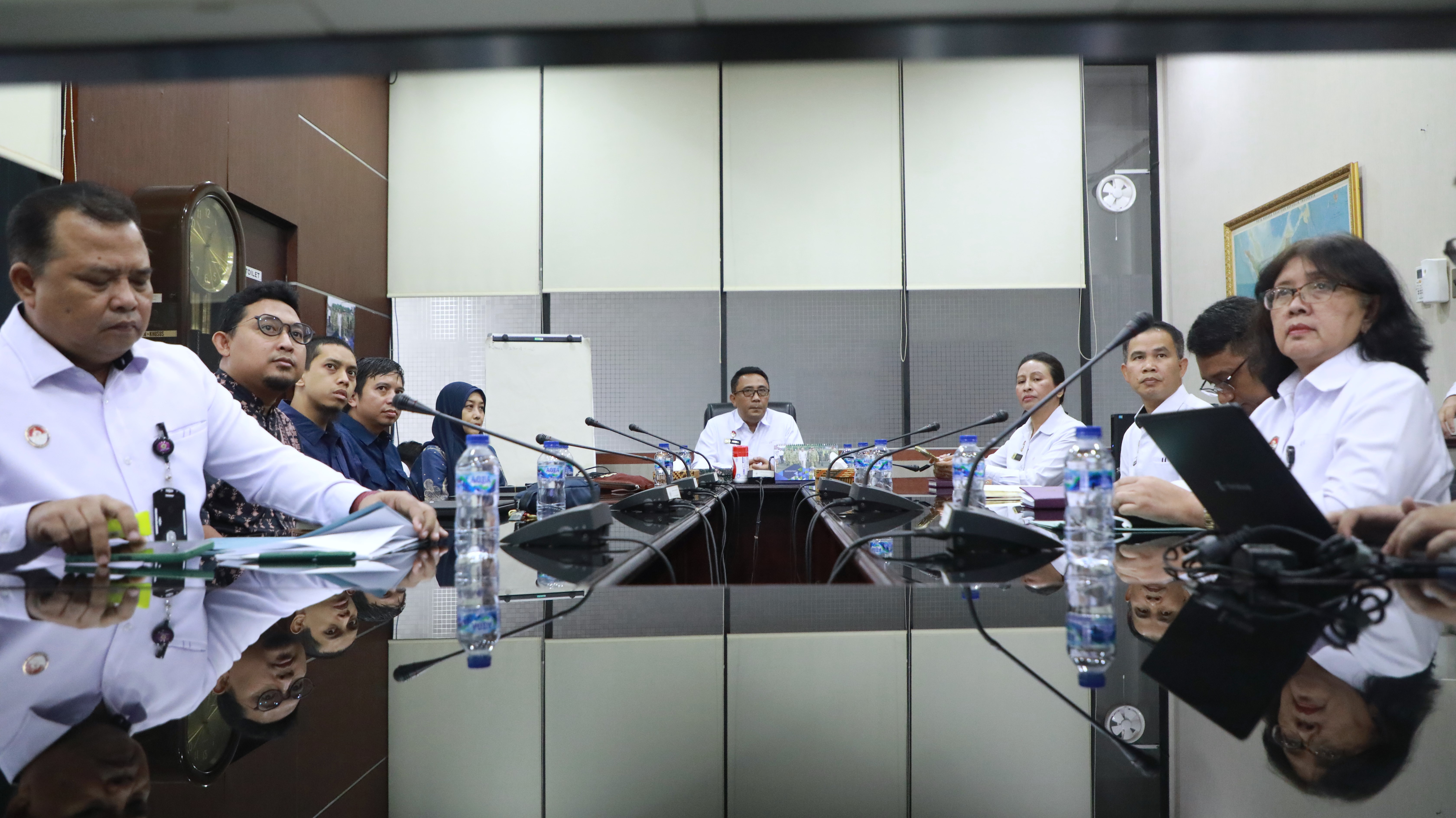
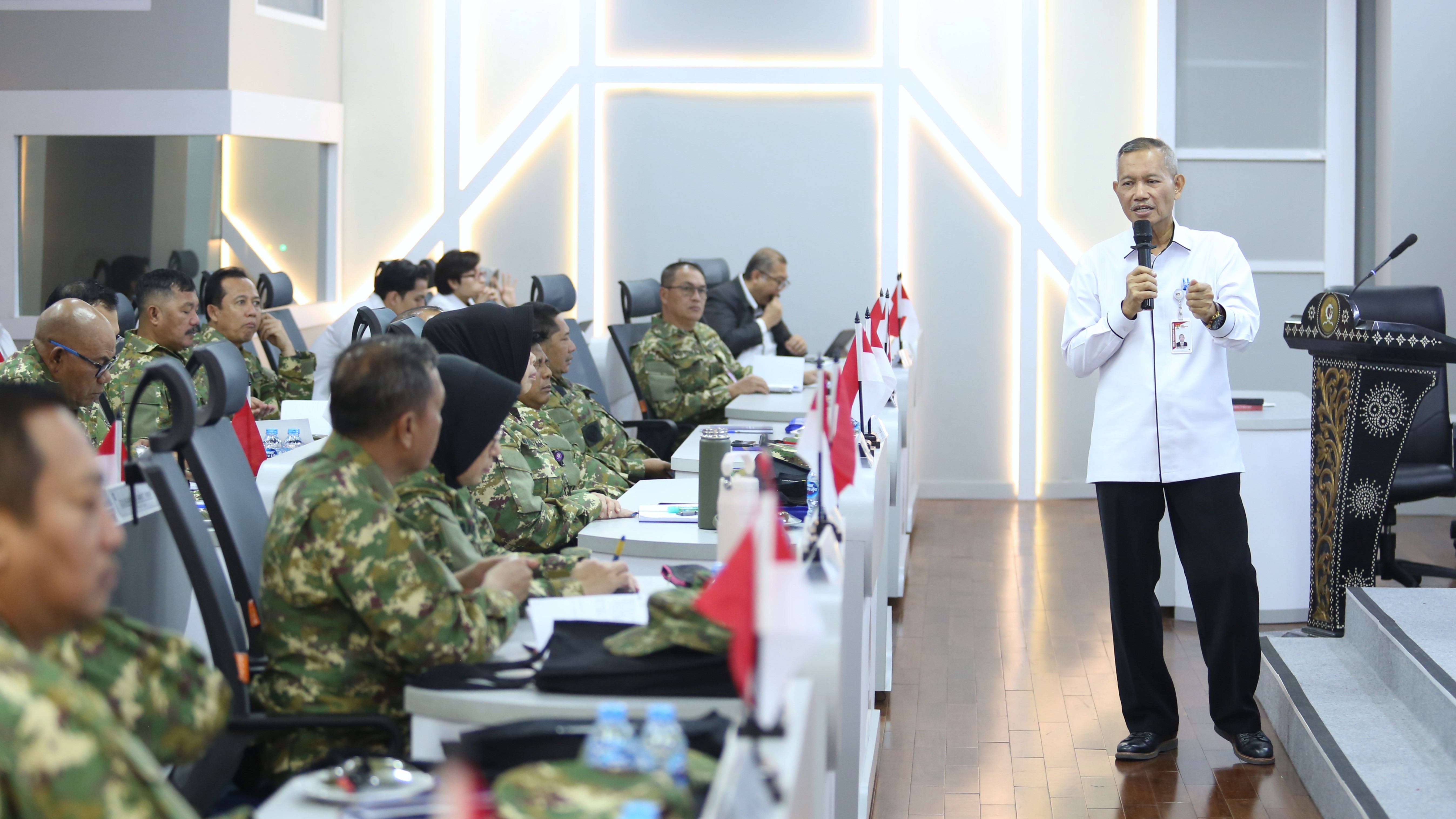
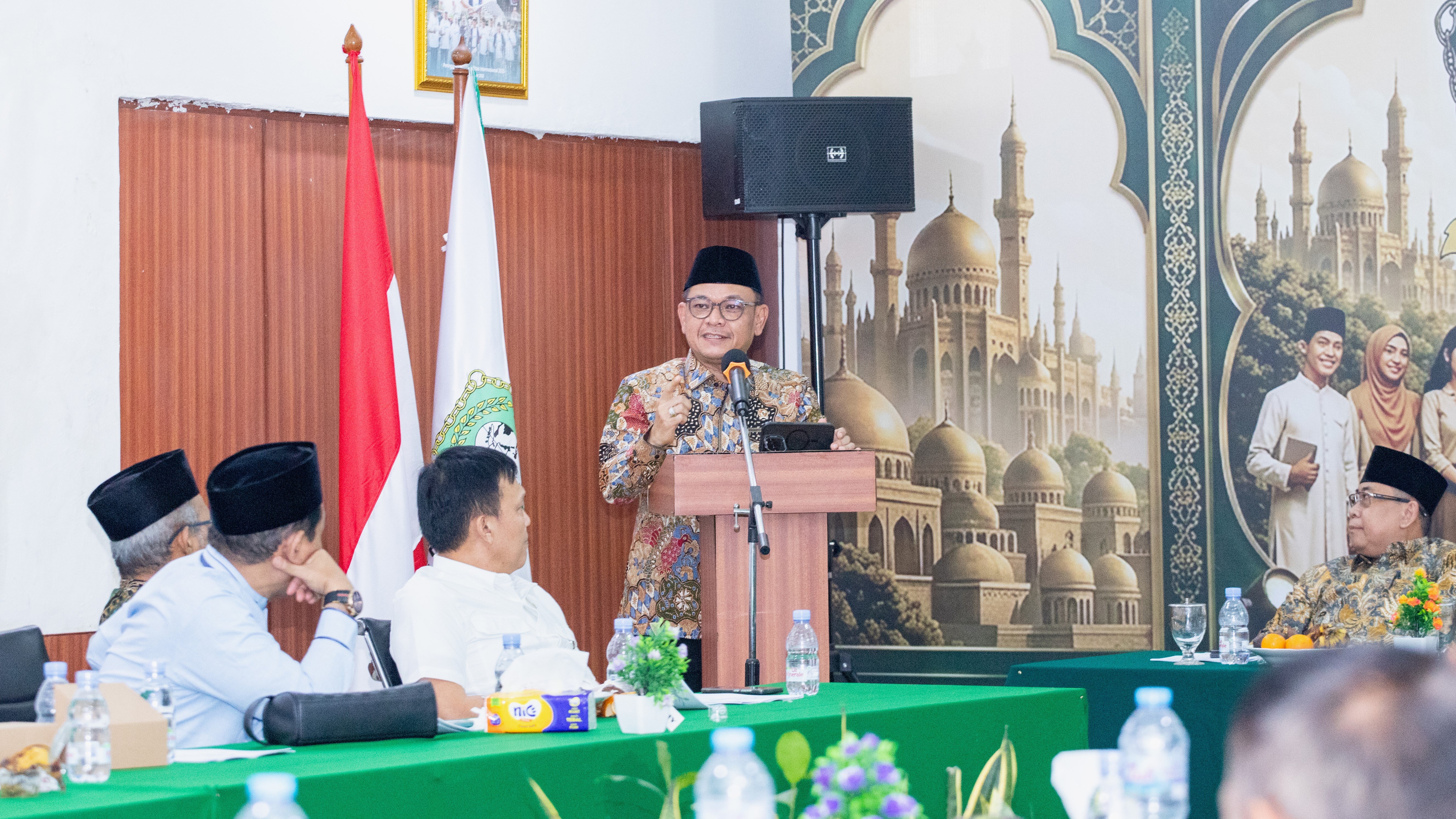
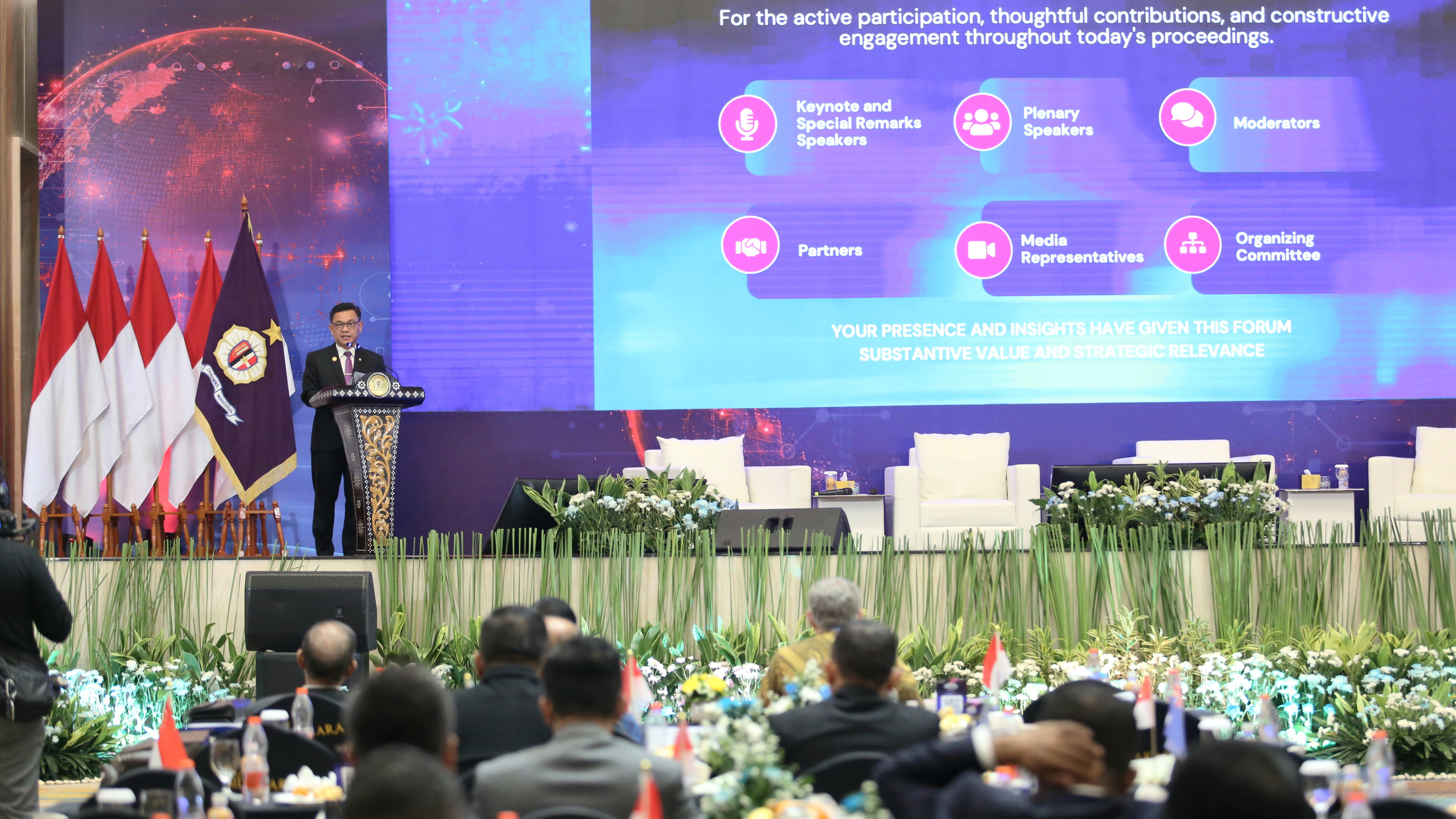
The National Resilience Institute of the Republic of Indonesia (Lemhannas RI) held a Three-Party Reconciliation meeting on Thursday (4/23) as part of the preparation of the final financial statements for the 2025 fiscal year. The event involved three parties, including Lemhannas RI, the Audit Board of the Republic of Indonesia (BPK RI), and the Ministry of Finance of the Republic of Indonesia.
In his remarks, Astera Primanto Bhakti, the Director General of the Treasury at the Ministry of Finance, emphasized the importance of a shared commitment to maintaining the quality of state financial management. “This three-party reconciliation forum aims to ensure accuracy and certainty regarding the consistency of the data presented in the financial statements,” Astera explained.
He also noted that the 2025 Government Goods and Services Procurement Policy Agency (LKPP) report is the result of consolidating 98 Ministry/Agency Financial Reports (LKKL) and the State Treasurer’s Financial Report (LKBUN), which have been submitted to the BPK in accordance with legal regulations. This demonstrates the government’s strong commitment to fulfilling its reporting obligations in a timely manner, even amid various challenges in implementing the State Budget (APBN), including cost-cutting policies that limit the operational flexibility of ministries and agencies.
The government is committed to continuously improving the quality of financial reporting, from the work unit level, through ministries and agencies, to the consolidated level of LKPP. In line with this, Astera hopes that all ministries and agencies, as well as the Budget Division of the State Treasurer (BA BUN), will consistently take strategic steps to resolve issues and follow up on recommendations issued by BPK RI. Shared commitment and synergy are also necessary to improve the quality of financial reports so that they can serve as a basis for consideration in formulating future government policies.
Furthermore, Nelson Ambarita, the Director General of State Financial Audits II at BPK RI, noted several important points to consider in implementing three-party reconciliation. One of the key points is the importance of accurate accounting in financial reports. “All audits must thoroughly examine the accuracy of transaction records, understand the substance of transactions, and ensure adequate disclosure and the accuracy of figures in the financial statements,” Nelson Ambarita said.
This includes the completeness of adjusting journal entries, the consistency of values and accounts, the consistency of accounting treatment, and the adequacy of disclosures in the notes to the financial statements. Additionally, the implementation of the Minister of Finance Regulation (PMK) No. 100 of 2025 is a key consideration for maintaining the quality of government financial reporting.
Through this three-party reconciliation process, all parties are expected to work cooperatively to identify the best solutions to issues related to financial reporting and the presentation of financial statements, thereby ensuring that the final financial statements can be completed in a timely manner and to a high standard, with support from all parties. (IS/CHP/DA)