Lemhannas RI Holds a FGD on Revitalizing Community-Based Waste Management
News & Article Thursday, 30 April 2026, 11:00
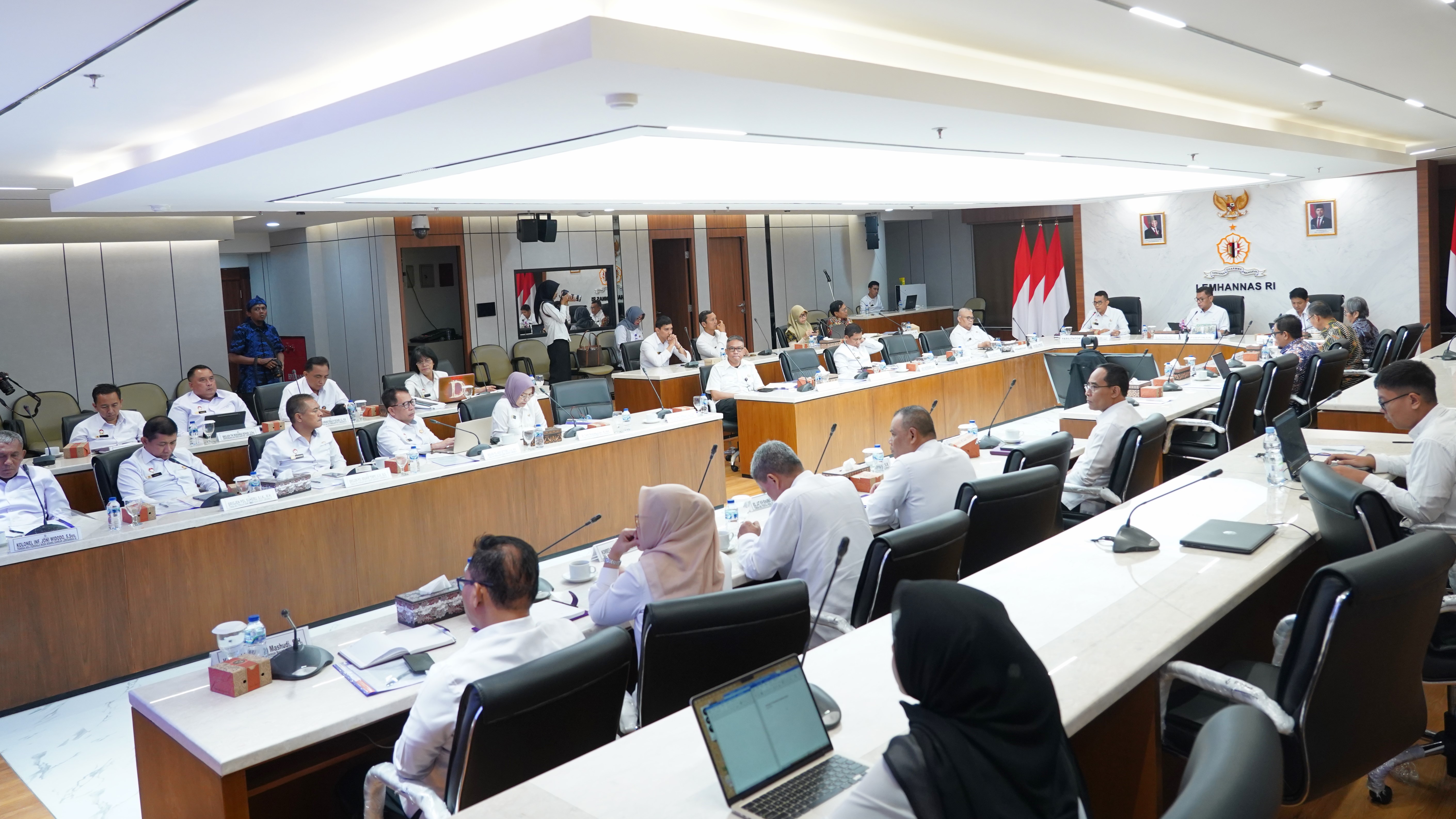
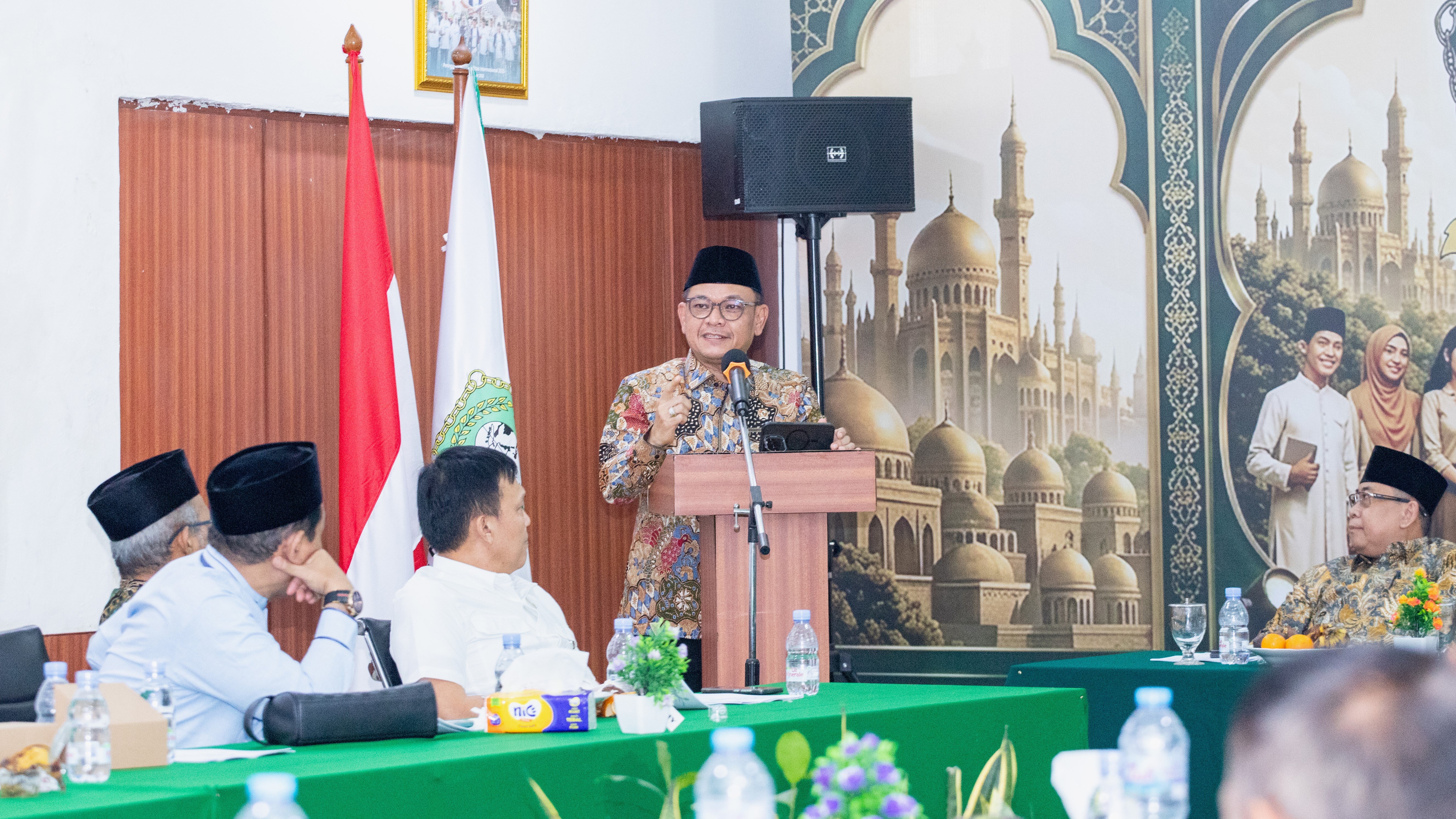
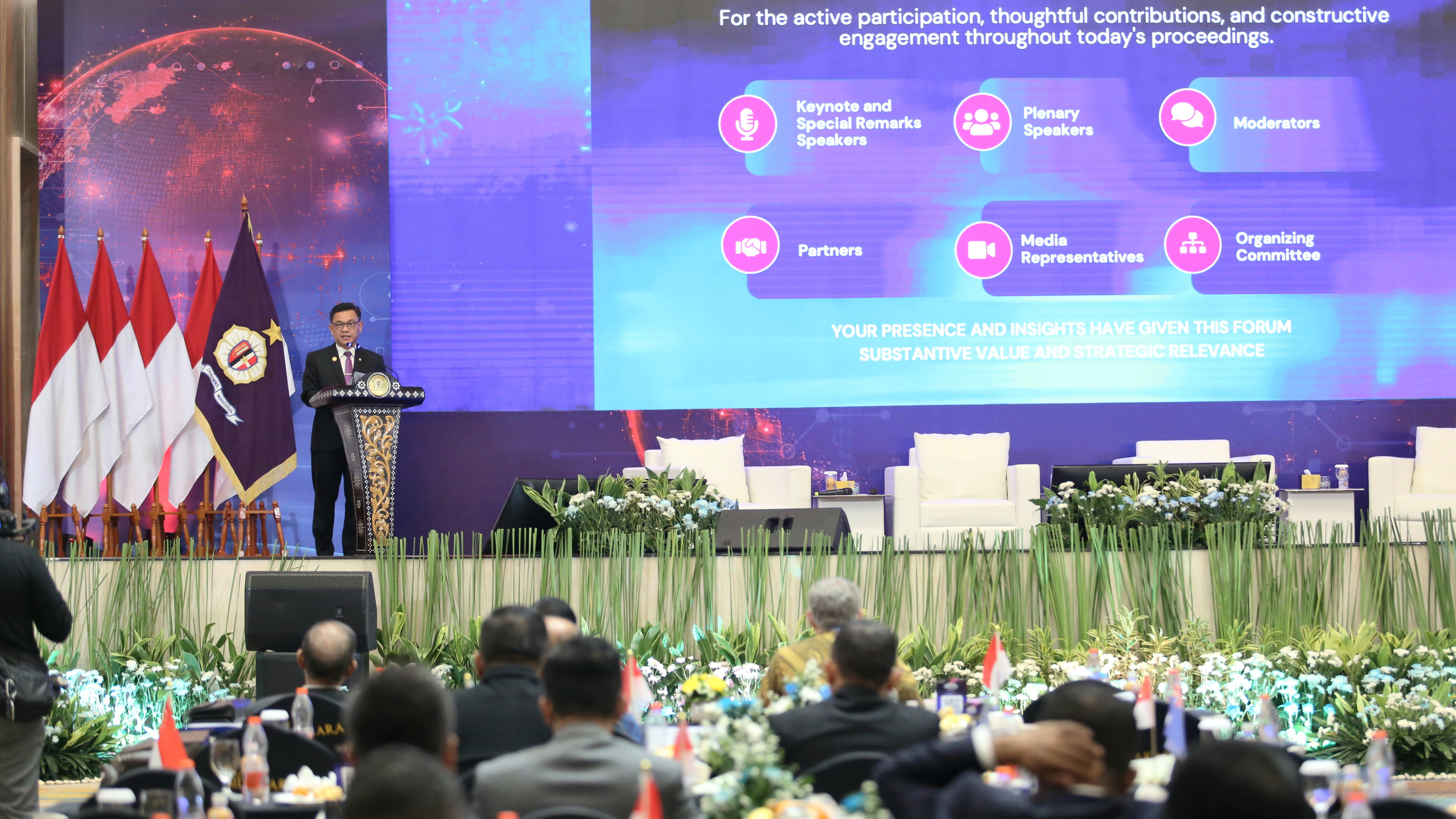
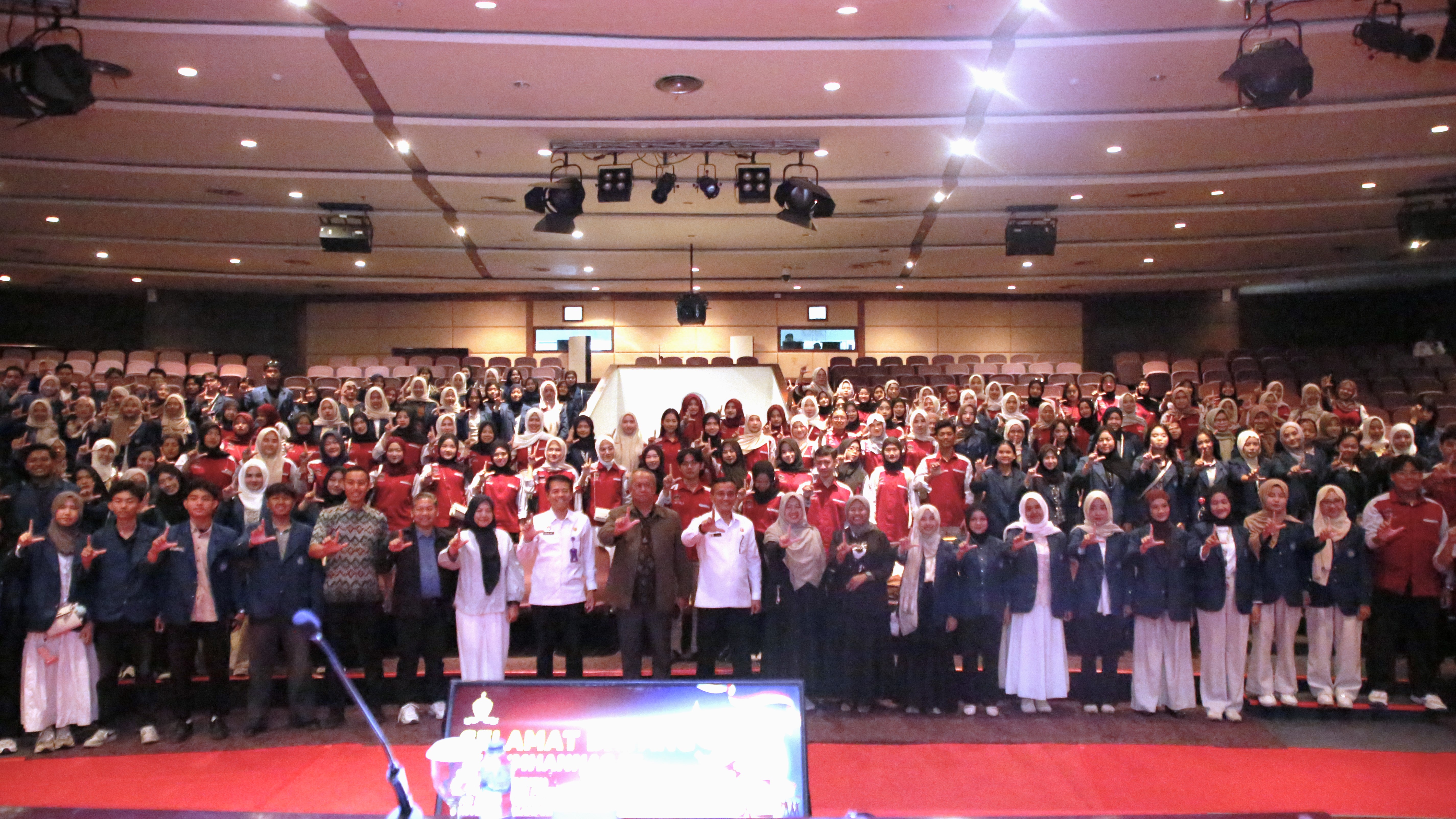
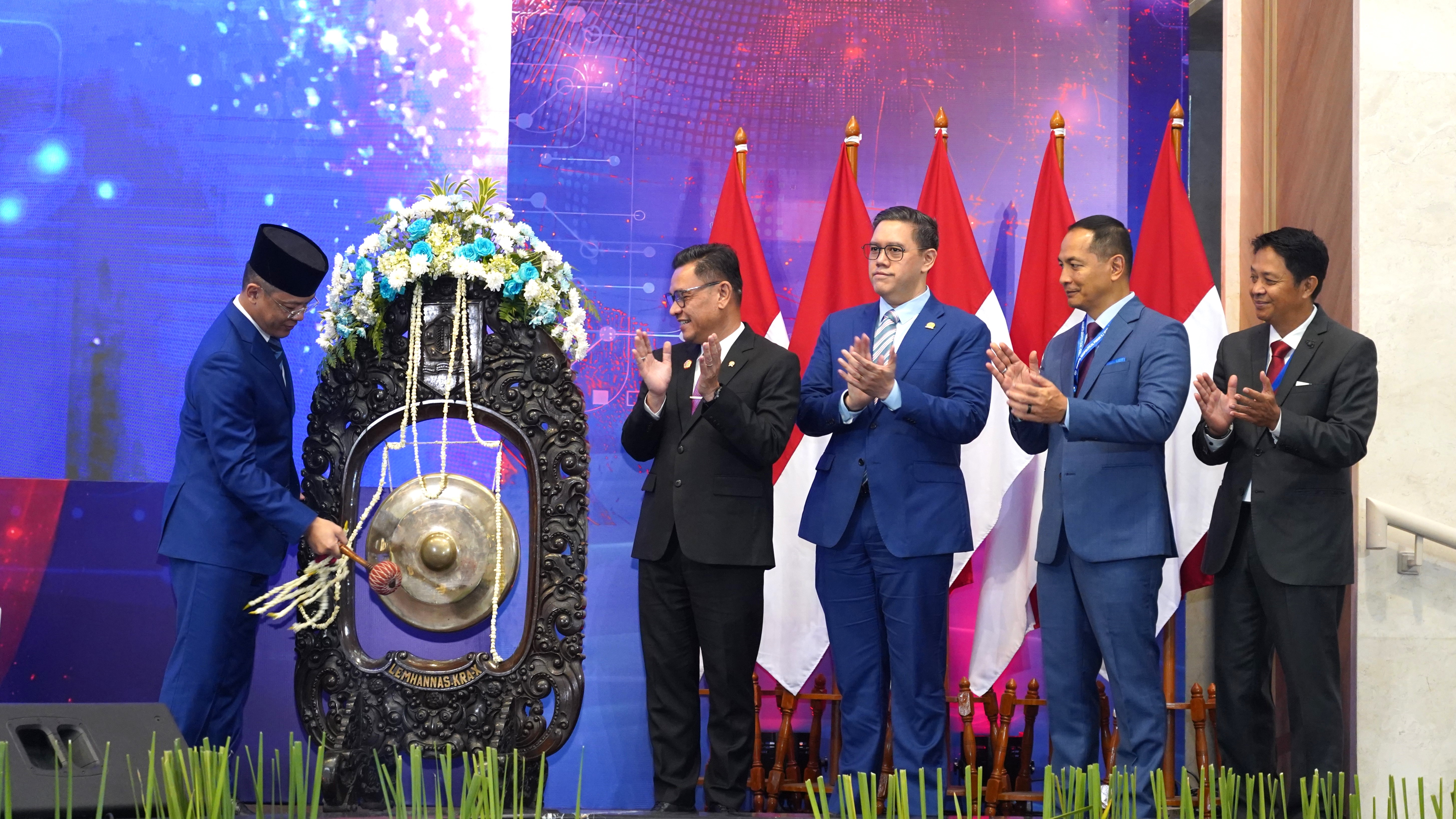
The Deputy Office for Strategic Studies of Lemhannas RI held a Focus Group Discussion on an Urgent and Quick Study on “Revitalizing Community-Based Waste Management to Increase Added Value in Support of Strengthening National Resilience” in the Kresna Room on Thursday (4/30). The group discussion was officially opened by the Governor of Lemhannas RI, Dr. H. TB. Ace Hasan Syadzily, M.Si.
The event aimed to provide an overview of the current conditions, challenges, and potential to revitalize community-based waste management in Indonesia, including how such efforts can increase economic value-added, strengthen community participation, and enhance national resilience from social, cultural, economic, and environmental perspectives.
In his opening remarks, the Governor of Lemhannas RI stated that the issue of waste is critical and warrants serious attention. The waste problem has evolved into an increasingly complex and urgent global issue.
A report by the United Nations Environment Programme (UNEP) through the Global Waste Management Outlook (2024) recorded that global waste accumulation reached approximately 2.1 billion metric tons in 2023 and is projected to rise to 3.8 billion metric tons by 2050 if there are no significant changes in waste management systems. This increase is driven by rising population growth, urbanization, and ever-increasing consumption patterns.
The issue of waste is no longer a local problem but a global threat requiring a systemic, collaborative approach. In line with this global situation, the waste problem in Indonesia is also showing an alarming trend and has reached a critical stage.
The National Waste Management Information System (SIPSN) from the Ministry of Environment indicates that reported national waste accumulation is projected to reach approximately 24.8 million metric tons per year by 2025. However, only 34.55%—or about 8.5 million metric tons per year—is properly managed. The remaining 65.45%, or 16.3 million metric tons per year, remains unmanaged. The majority of this waste is still disposed of in open dumps, which can pollute the environment and fail to meet waste management standards.
The implications of this situation extend not only to environmental aspects but also to social aspects of the community. Waste that is not properly managed can trigger various social problems, such as increased disease risk, a decline in quality of life, and conflicts among residents due to environmental pollution.
“I hope this discussion will yield strategic recommendations—not only at the level of government action but also to encourage all parties to get involved in improving or revitalizing community-based waste management so that it provides added value capable of strengthening our national resilience,” the Governor of Lemhannas RI said.
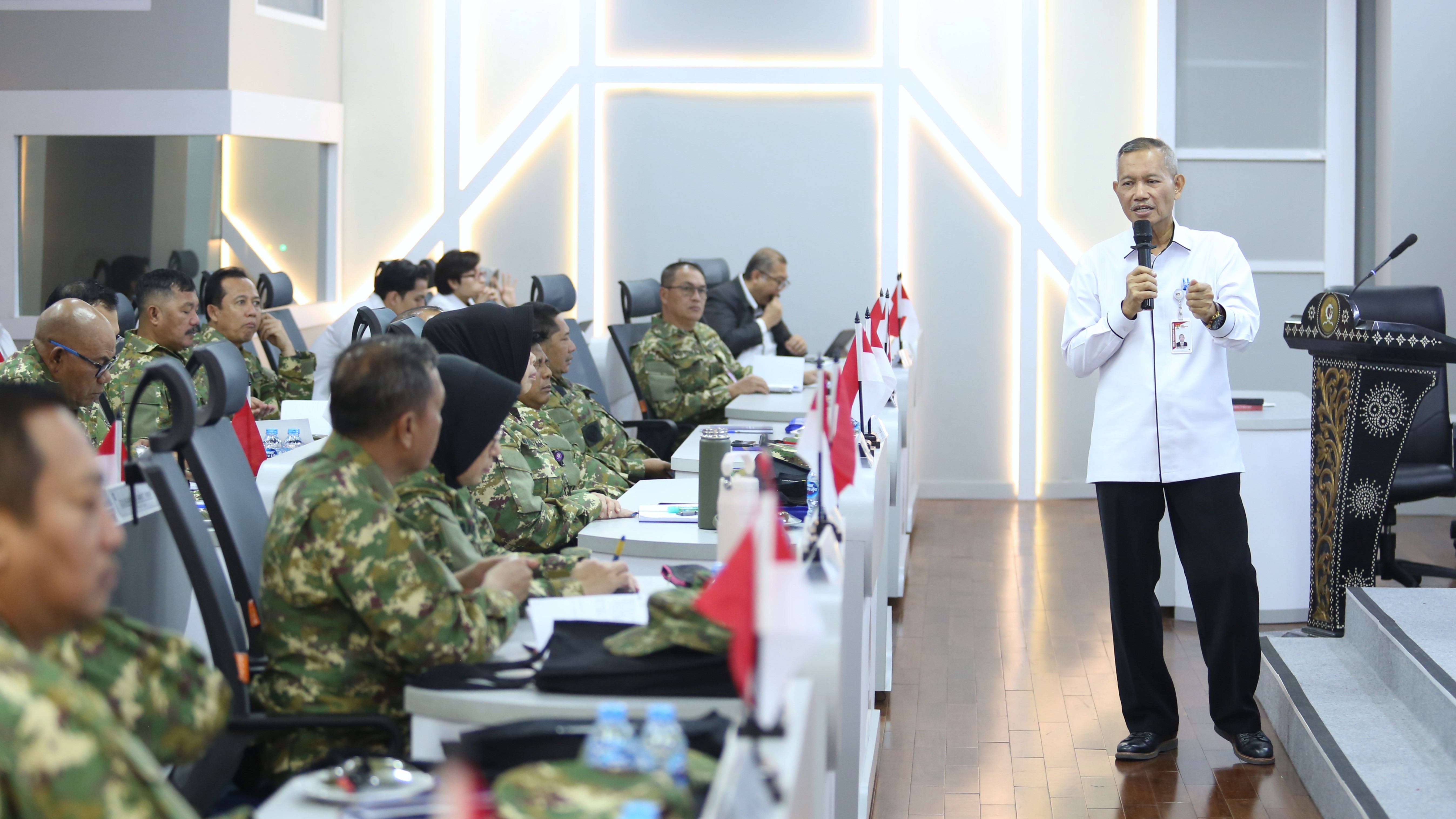
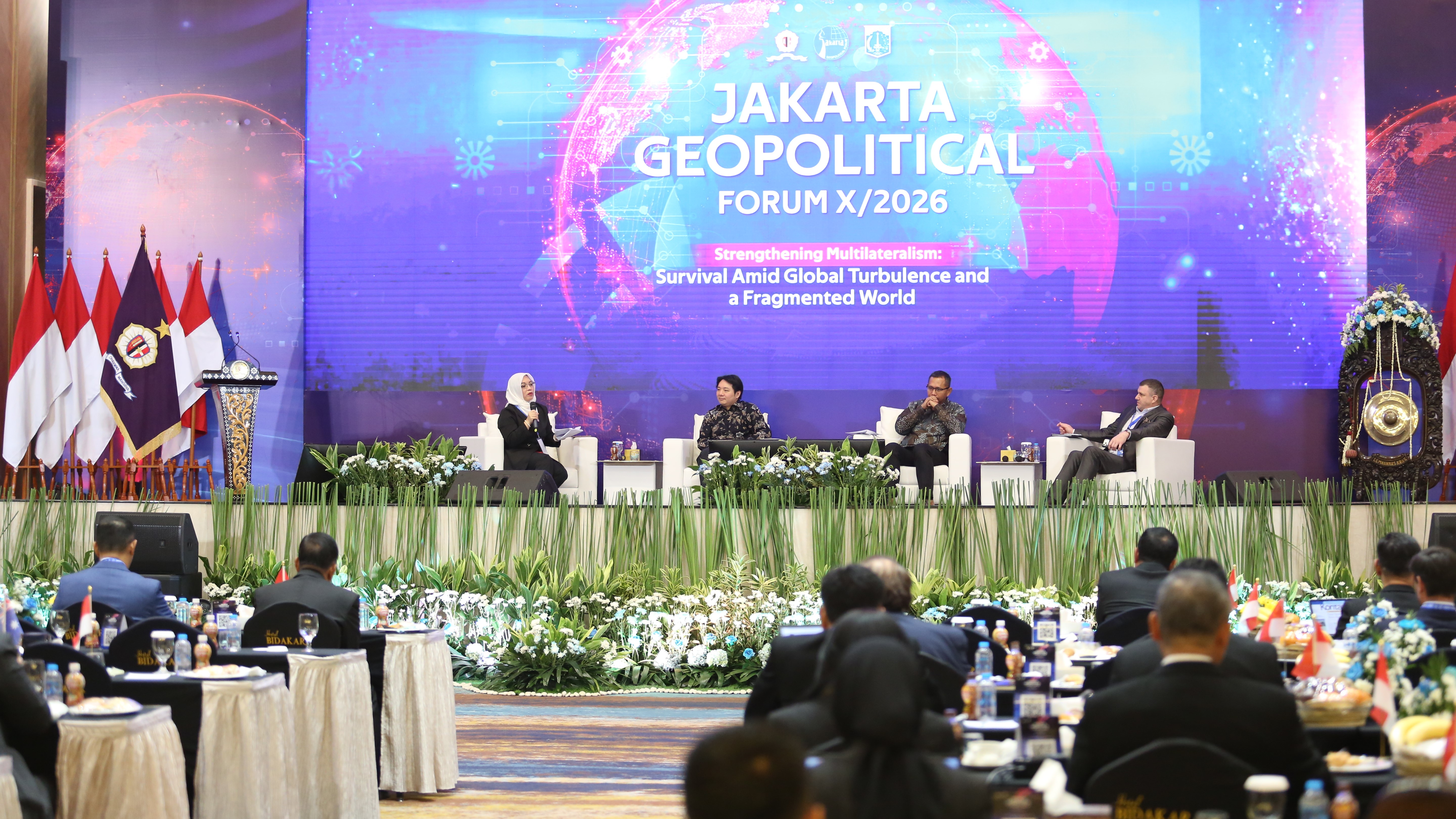
The discussion was facilitated by the Director of Socio-Cultural and Demographic Research, Brigadier General of Police Yusuf Hondawantri Naibaho, S.H., M.SI., M.H. The first speaker was the Acting Deputy for the Management of Waste, Hazardous and Toxic Materials at the Indonesian Ministry of Environment, Dra. Melda Mardalina, M.Sc., who discussed the government’s strategy for waste management. “So, ladies and gentlemen, the main objective of this revitalization effort is to build upon what has already been established by the President through Presidential Regulation No. 12 of 2025,” Melda Mardalina said as she began her presentation.
The national waste accumulation in 2025 has reached 51.8 million metric tons, with 73.93% of this waste remaining unmanaged—simply dumped in open landfills (TPA) and released into the environment.
To address this, the Ministry of Environment is working to transition the waste management system toward source-based self-sufficiency through a two-pronged upstream-downstream approach. The primary focus through 2026 is to ensure that all regencies and cities achieve self-sufficiency in organic waste processing, so that the burden on landfills is limited to residual waste that truly cannot be recycled.
Furthermore, the Head of the Jakarta Provincial Environment Agency, Ir. Dudi Gardesi, also discussed waste management in DKI Jakarta. Jakarta generates a total of +9,058.9 metric tons of waste per day (63,406 metric tons per week), originating from approximately 10.6 million permanent residents and +1.25 million daily commuters.
“There are several strategies we plan to implement here, and I’d like to highlight one in particular: downstream waste management through the operation of a waste-to-energy power plant,” Dudi Gardesi explained. DKI Jakarta’s downstream waste management strategy is carried out in two ways: waste management at the Bantargebang RDF Plant and the operation of a Waste-to-Energy Power Plant (PLTSa) with a capacity of 100 metric tons per day.
This discussion on key issues in community-based waste management—aimed at strengthening national resilience—is expected to produce a study that will inform policy recommendations to be submitted to the President of the Republic of Indonesia.
Other speakers present at the FGD included the Head of the Center for Environmental Research and Clean Technology at the National Research and Innovation Agency of the Republic of Indonesia, Dr. Ario Betha Juanssilfero, M.Sc.; the Head of the Center for Sustainability and Waste Management at the University of Indonesia, Prof. Dr. Ir. Mochamad Chalid, S.Si., M.Sc. Eng., and Community Advisor on Waste Management for the Climate Reality Leadership Project, Dr. Lyta Permatasari, S.Kom, M.Si. (SF/CHP/DA)