Governor of Lemhannas RI: Indonesia Emas 2045 Hinges on Turning the Demographic Bonus into National Strengt
News & Article Thursday, 27 November 2025, 15:00
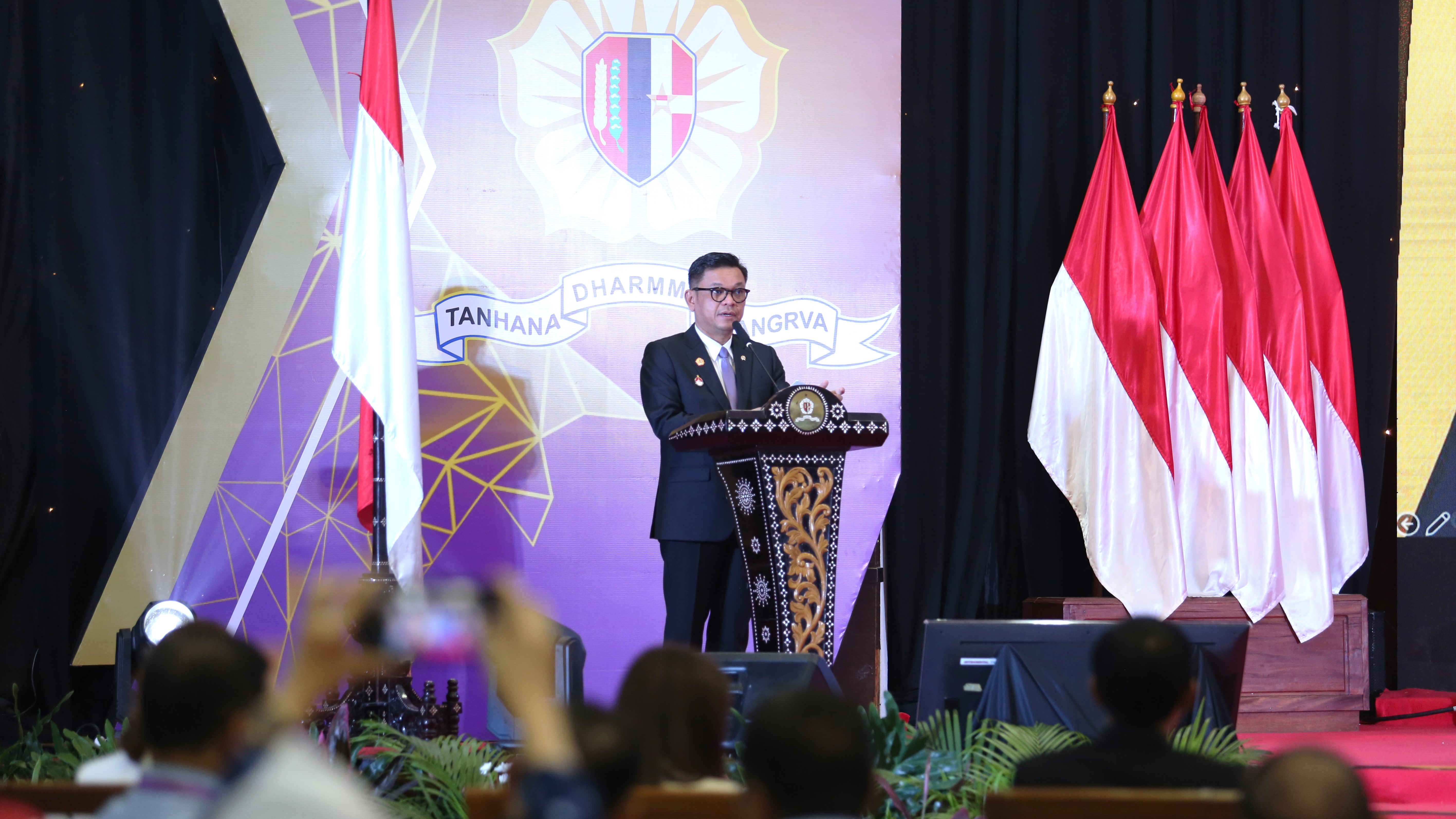
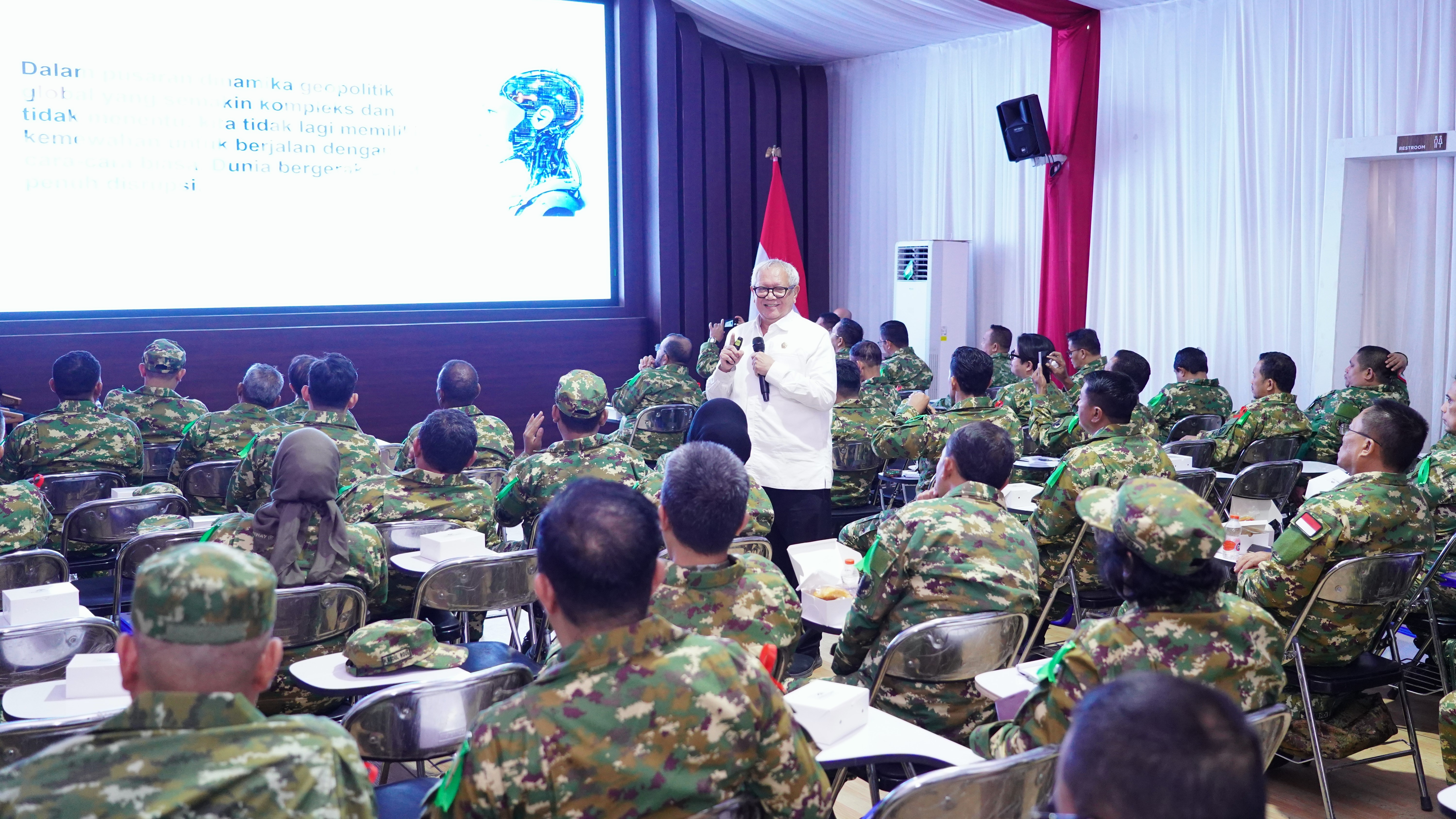
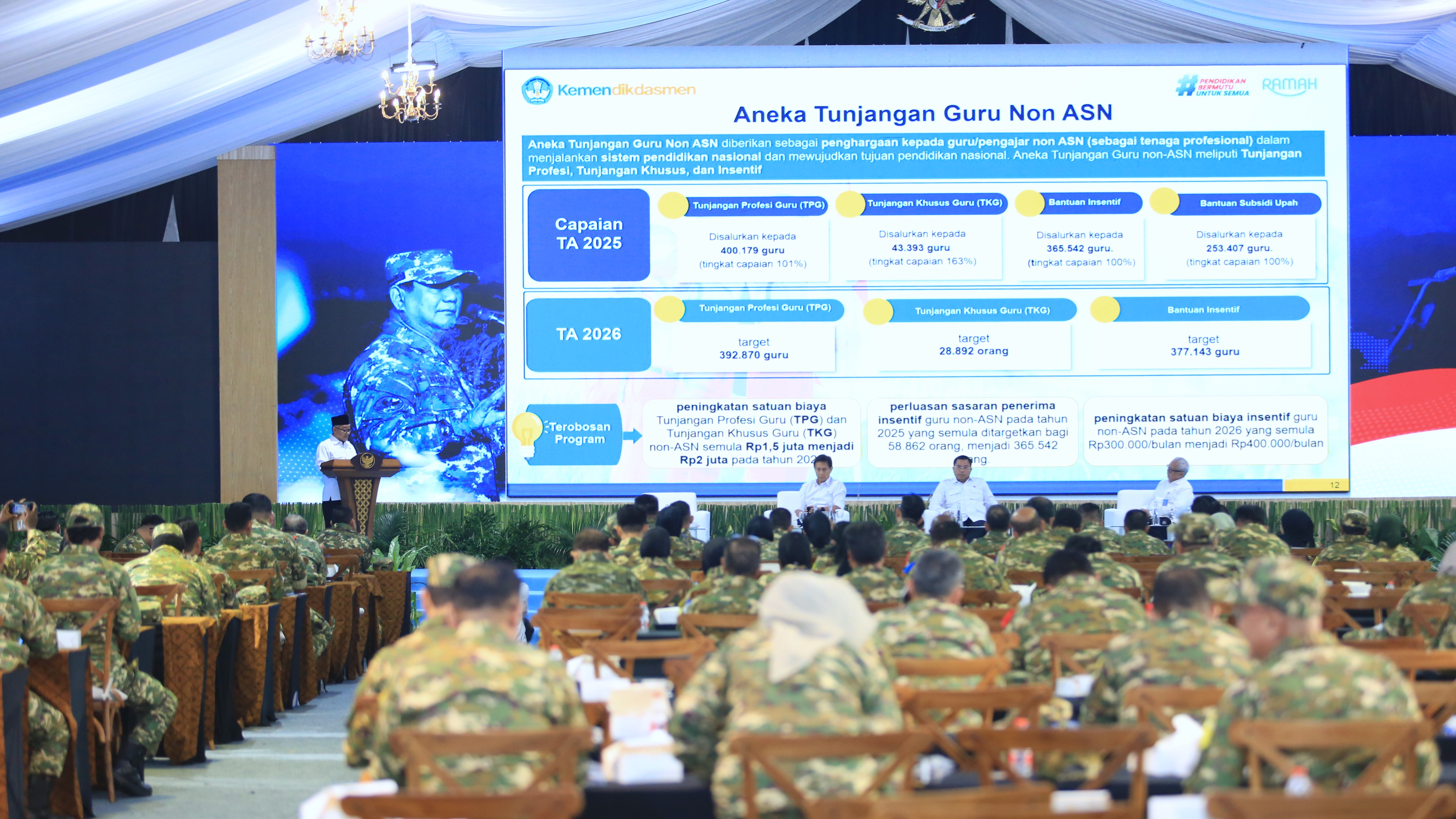
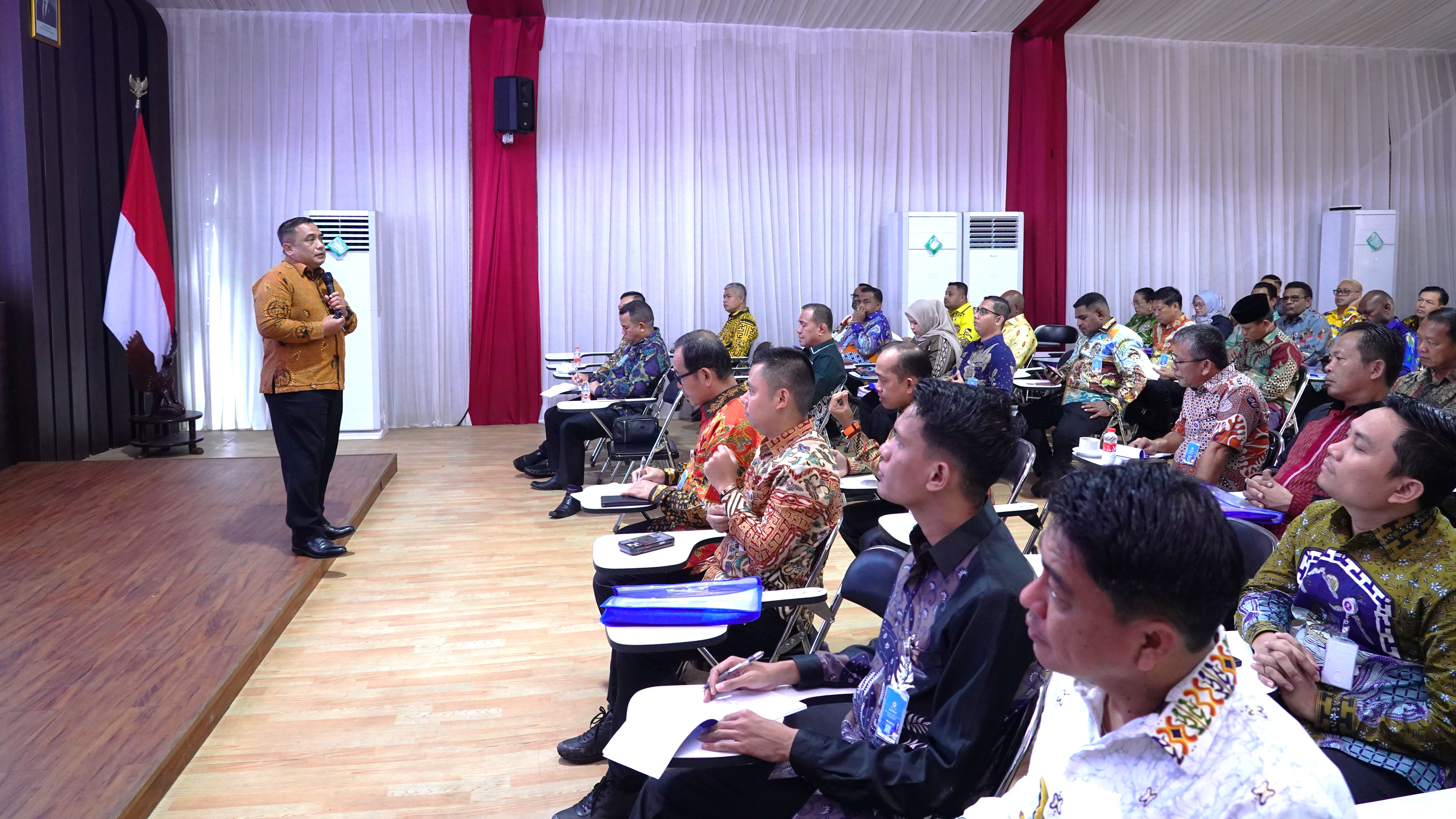
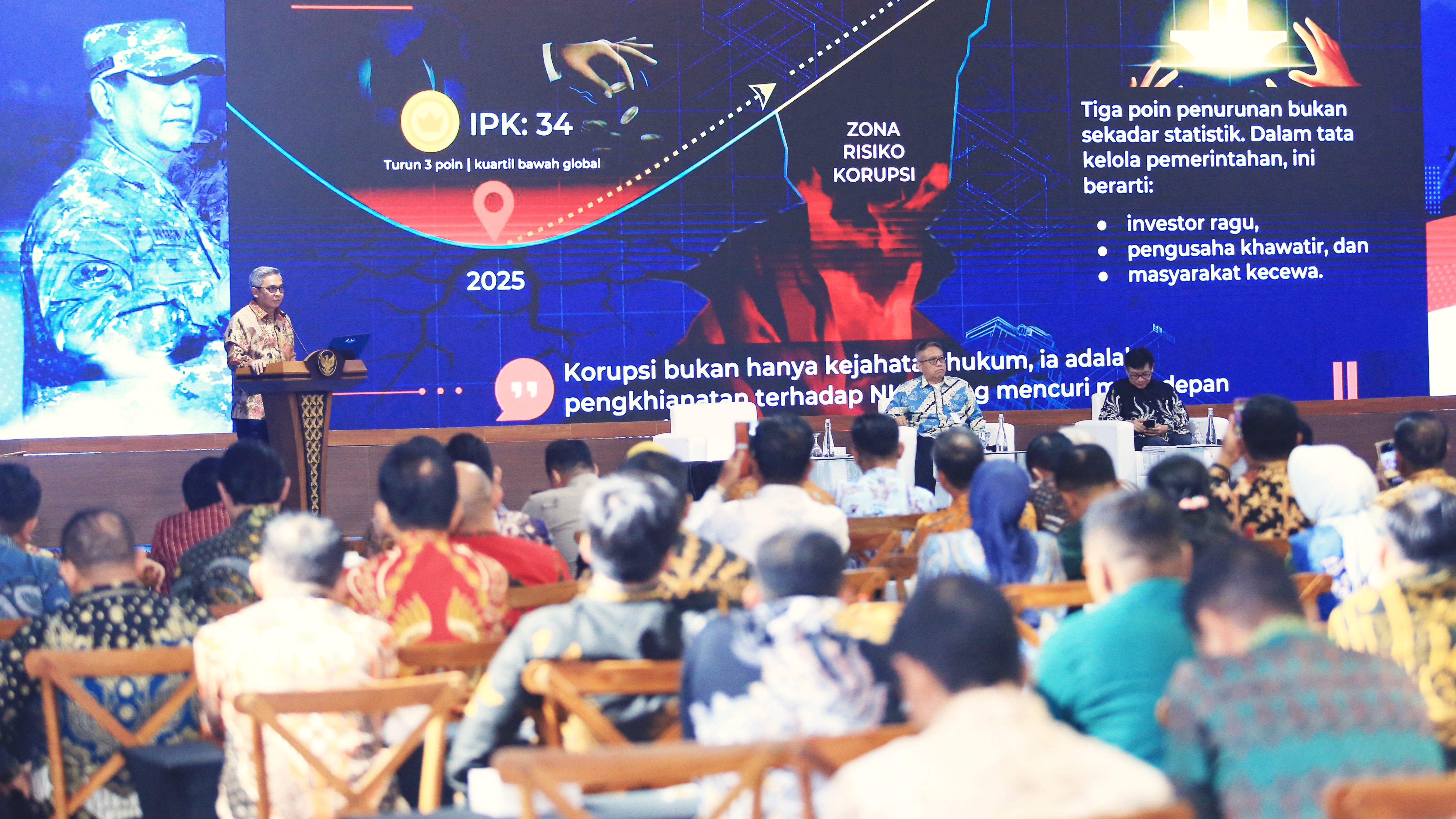
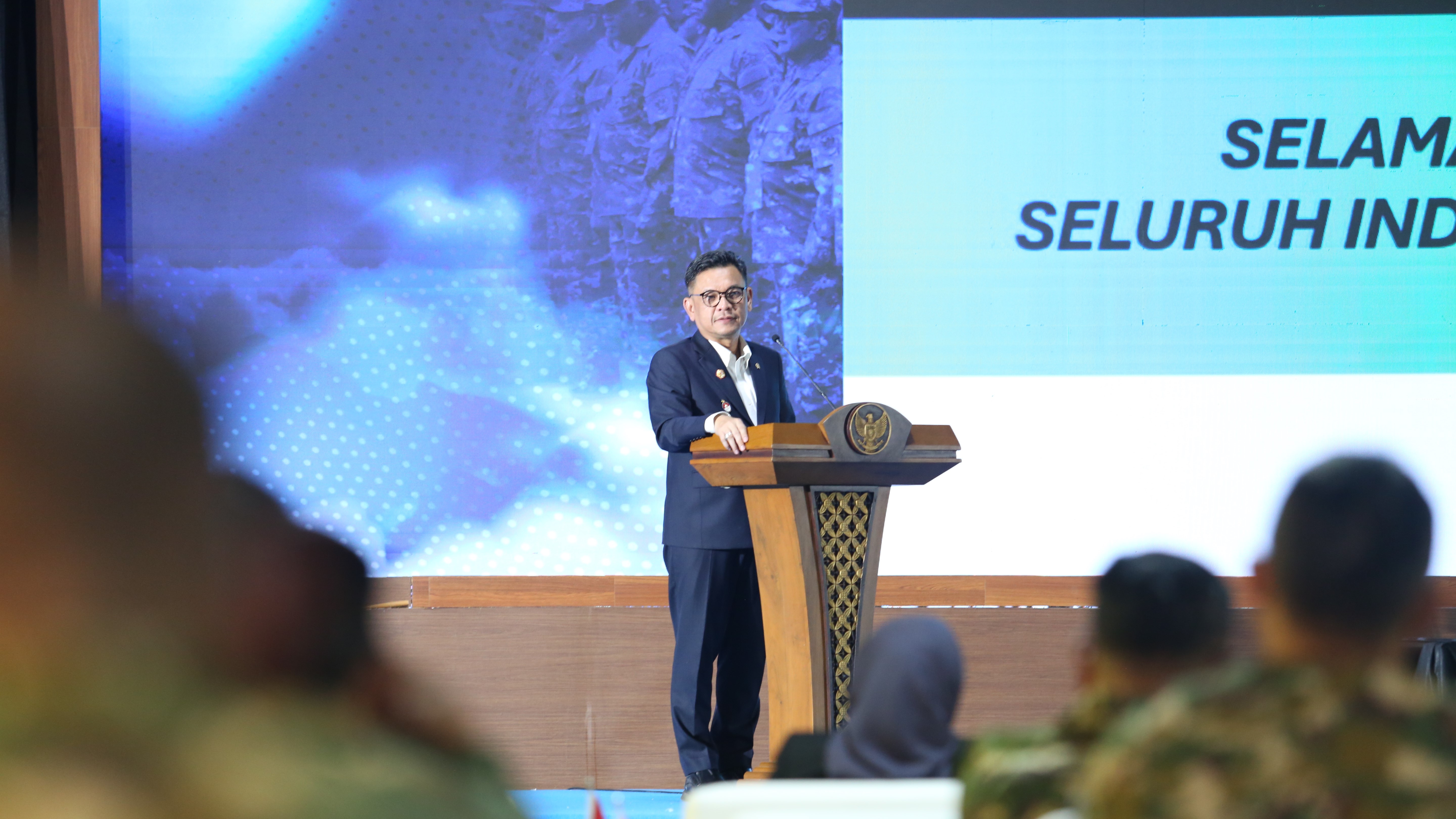
At the end of the P3N (Consolidation Program for National-level Leaders) Batch XXVI at Lemhannas RI, participants convened a national seminar themed “Transformation of Indonesia’s Education System 2025–2045: Building a Superior Human Resource Ecosystem to Strengthen National Resilience and Competitiveness.” The seminar took place at the Dwi Warna Purna Hall, Lemhannas RI, on Thursday (27/11), and was formally inaugurated by the Governor of Lemhannas RI, Dr. H. TB. Ace Hasan Syadzily, M.Si.
Led by Brigadier General of Police Ratno Kuncoro, S.I.K., M.Si., the seminar was designed to collect and synthesize perspectives from speakers and education stakeholders on strategies for transforming Indonesia’s national education system. These inputs were developed into academic analyses grounded in data and global trends, and further translated into practical and forward-looking policy recommendations aimed at fostering superior, globally competitive human resources while upholding national values. In addition, the seminar was intended to serve as an official reference for policymakers, academics, and practitioners in guiding the education transformation toward Indonesia Emas 2045.
“Strong and resilient nations are built on excellent human resources,” emphasized the Governor of Lemhannas RI in his opening remarks. The seminar also reflected the participants’ capacity to absorb and comprehend the various learning materials delivered throughout their education at Lemhannas RI. Through this forum, participants articulated their knowledge into strategic outputs by applying comprehensive, integrated, holistic, and systemic thinking approaches.
The Governor of Lemhannas RI highlighted that education plays a central role in advancing a nation. National progress is fundamentally linked to the quality of human resources, individuals who are not only intellectually proficient but also possess strong character, creativity, adaptability to change, and a deep sense of nationalism.
Law Number 59 of 2024 on the National Long-Term Development Plan (RPJN) 2025–2045 underscores education as a critical element in sustaining the long-term vision of Indonesia Emas 2045. The legislation also affirms education as a pillar of social transformation that shapes human resource quality, national competitiveness, and overall national resilience.
Amid today’s global dynamics, national resilience is no longer assessed solely through military or economic power. Instead, it increasingly relies on the quality of human resources, particularly a nation’s ability to innovate, adapt, and compete on the global stage. Indonesia is currently navigating a pivotal phase in its development trajectory.
As the fourth most populous country in the world and the largest economy in Southeast Asia, Indonesia holds substantial potential to rise as a global force. Through the Indonesia Emas 2045 vision, the nation aspires to achieve developed-country status, with projected Gross Domestic Product (GDP) levels of USD 7–9 trillion and per capita income ranging from USD 25,000 to 30,000. The Governor of Lemhannas RI stated that realizing this vision largely depends on Indonesia’s success in converting its demographic dividend into economic strength through the development of high-quality, highly competitive human resources.
Through the implementation of this seminar, the Governor encouraged all participants of P3N Batch XXVI to remain active and think innovatively. Participants were urged to present reflective insights on current conditions and to gather diverse perspectives and ideas in order to identify solutions to challenges associated with transforming Indonesia’s education system.
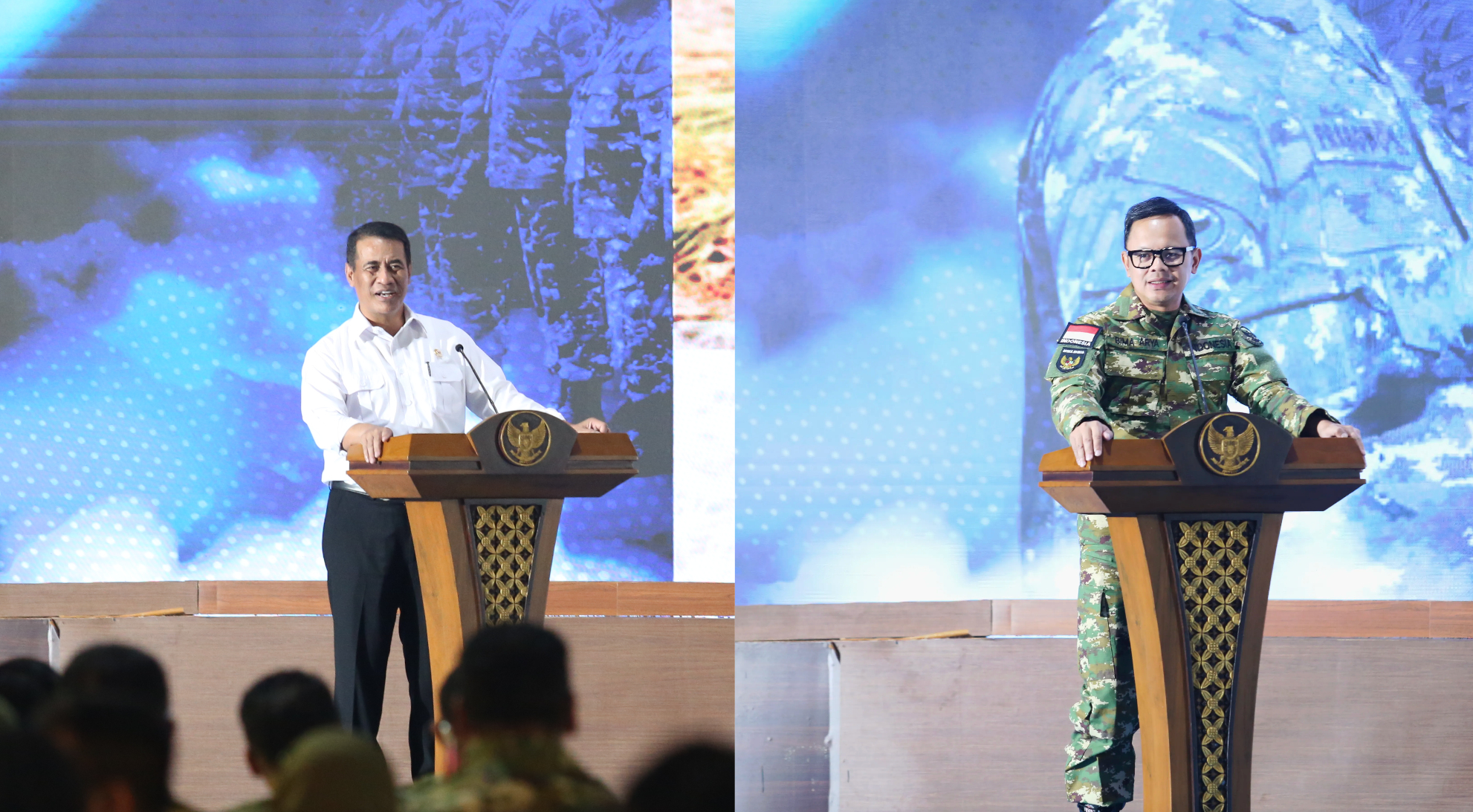
Chairperson of Commission X of the Indonesian House of Representatives (DPR RI), Dr. Ir. Hetifah Sjaifudian, M.P.P., serving as the keynote speaker, emphasized that education transformation is an urgent necessity for Indonesia as it enters a period of demographic bonus. She noted that the effective utilization of this demographic opportunity is heavily influenced by the quality of human resources. “To produce excellent human resources, we must ensure that our future education system is more adaptive, inclusive, accountable, and data-driven,” she stated.
Hetifah explained that Commission X of the DPR RI views education system reform as a holistic process. Currently, the commission X is drafting legislative revisions through a codification approach that integrates the National Education System Law (Sisdiknas) with the Law on Teachers and Lecturers. Through codification, regulations are not merely framed in numerical terms but are intended to drive broader transformation, including policy renewal, improved governance, strengthened quality of teachers and lecturers, equitable access to education, and more relevant national education standards.
Furthermore, transformation across higher education institutions, training centers, and educational units is being encouraged so that they become more responsive to change. Educational institutions are expected to strengthen their capacity to produce graduates who are prepared to adapt, shifting from outdated skill sets to new competencies required in an innovation-driven digital era. Hetifah also stressed that education cannot depend solely on schools; instead, businesses, industries, local governments, communities, and families must be integral components of the education ecosystem. According to her, superior human resources can only be realized when all stakeholders work together to establish learning environments that are safe, healthy, and free from violence, thereby addressing mental health issues and eliminating bullying.
Hetifah further noted that enhancing educator quality goes beyond improving welfare, protection, and competence. It also includes strengthening educators’ ability to transfer knowledge and skills through the effective use of technology. As such, teachers and lecturers must possess strong digital literacy to act as key drivers of education transformation and to produce graduates who are adaptable to change.
She expressed hope that the national seminar organized by the P3N Batch XXVI participants of Lemhannas RI would function as a strategic platform for generating constructive ideas and producing concrete, actionable recommendations for all education stakeholders. “Beyond recommendations, we hope this seminar also broadens the perspectives of P3N Batch XXVI participants regarding the urgency of education transformation,” Hetifah concluded. (SP/CHP/MDF)