Building uperior Human Resources Through Health Strategies, Education Transformation, and Nutrition Programs
News & Article Saturday, 18 April 2026, 14:00
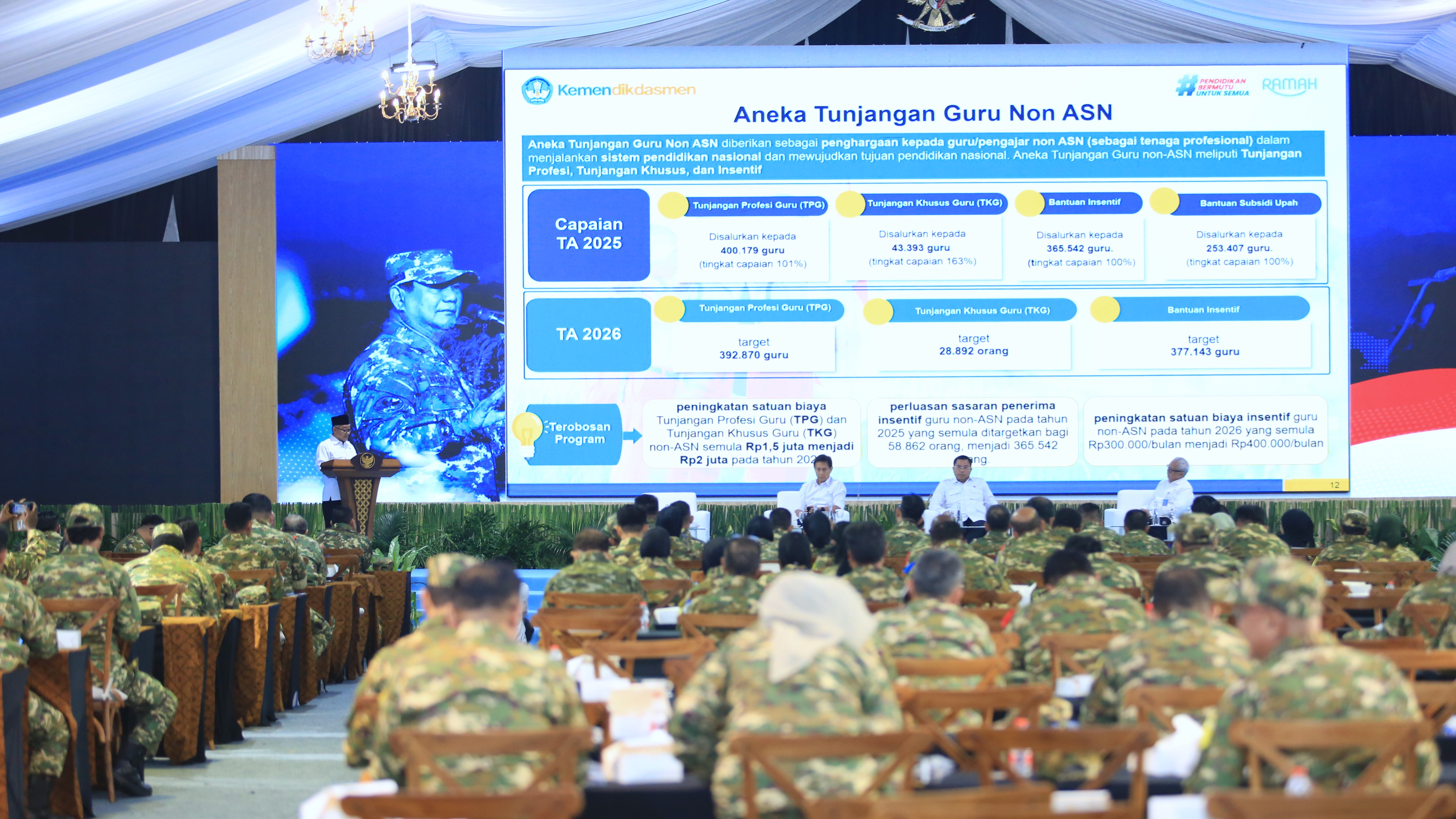
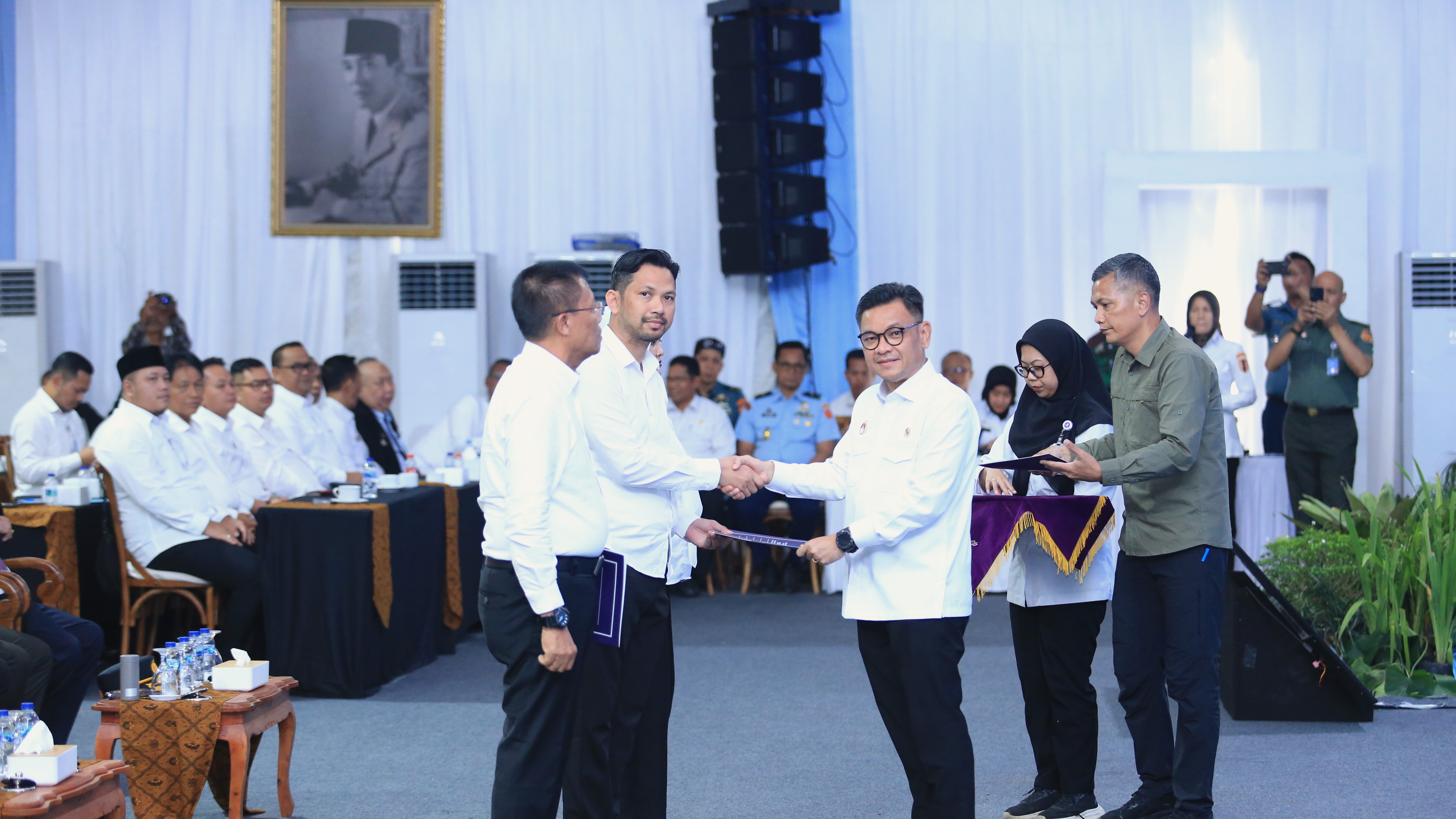
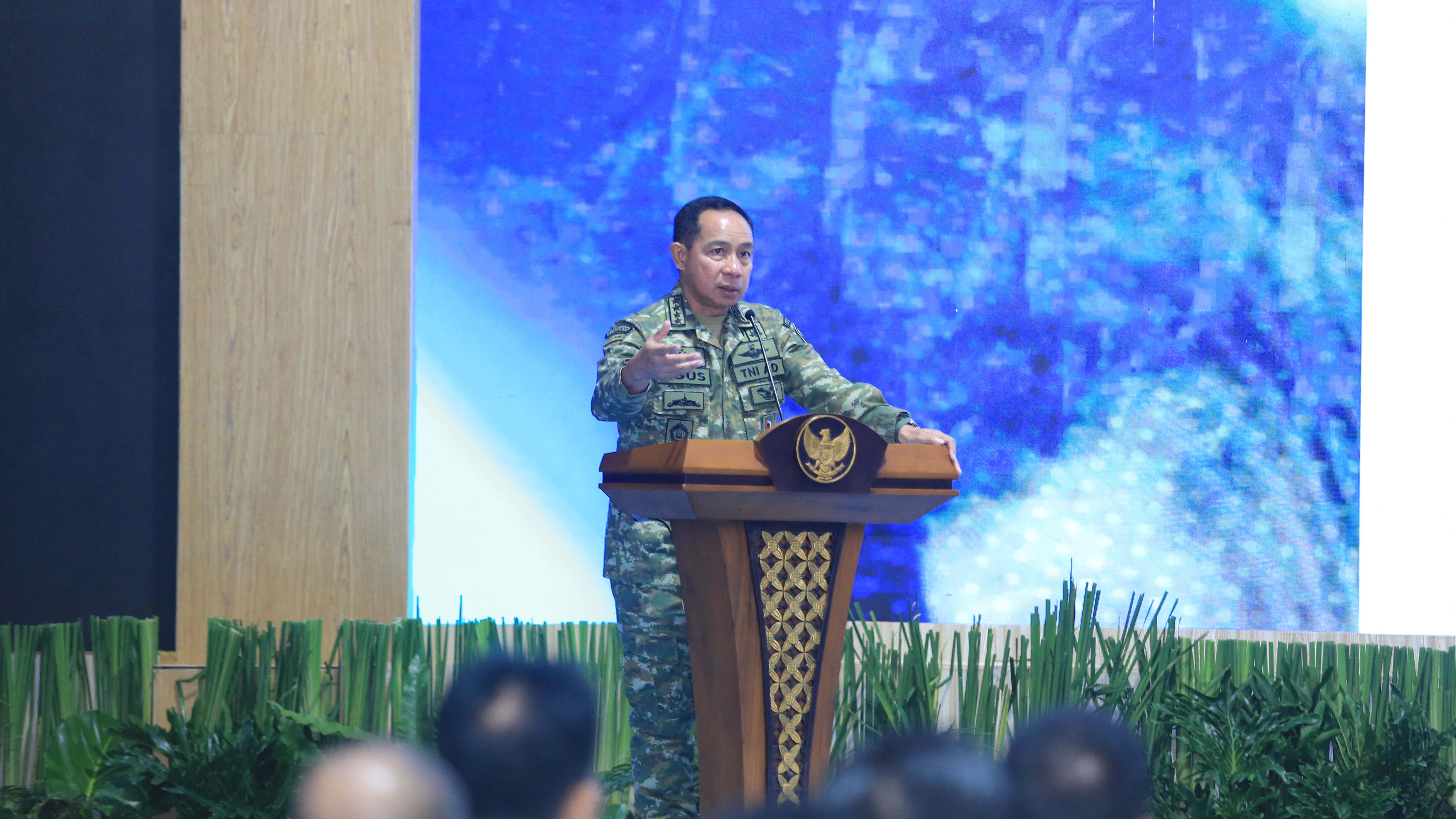
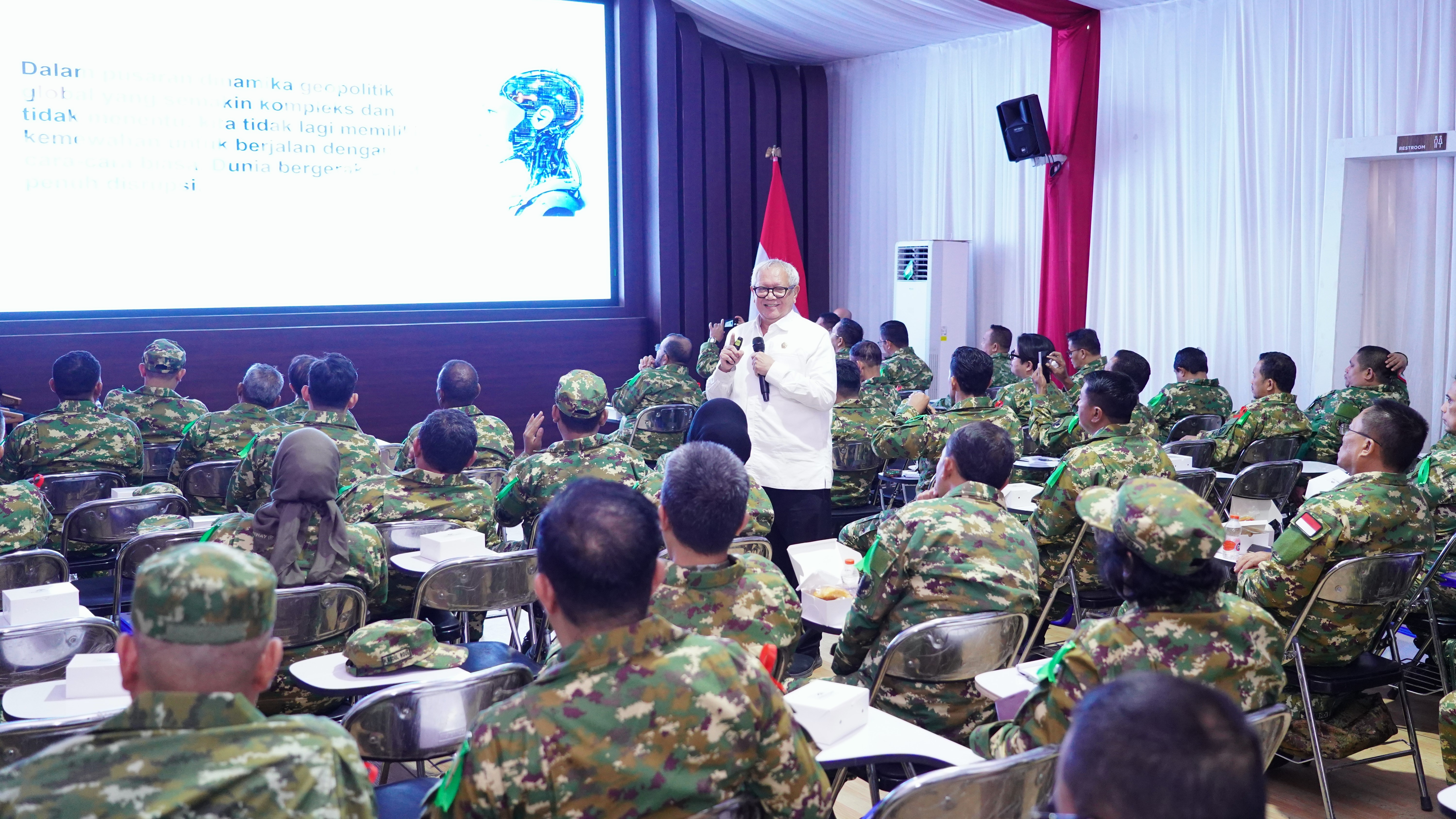
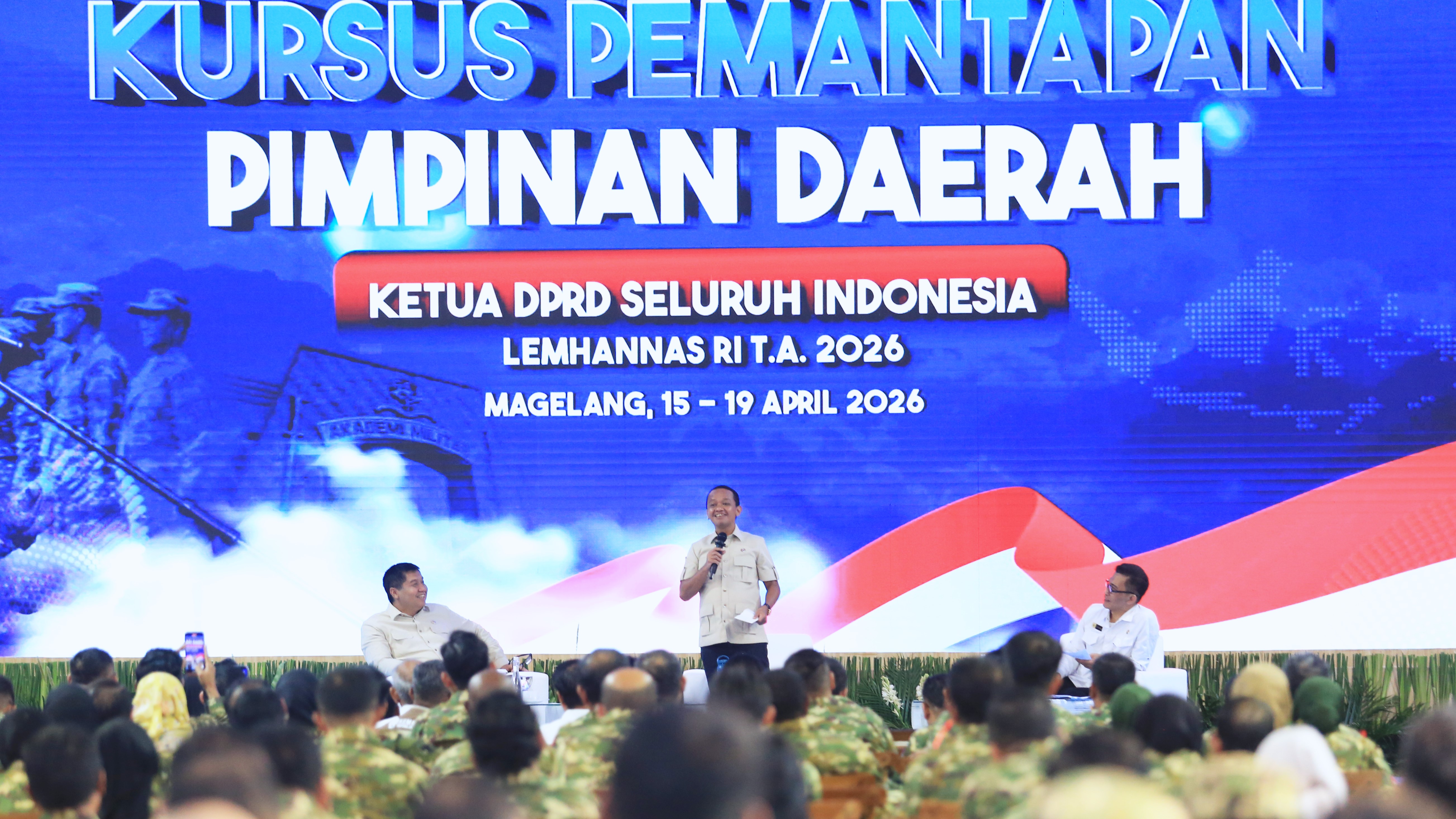
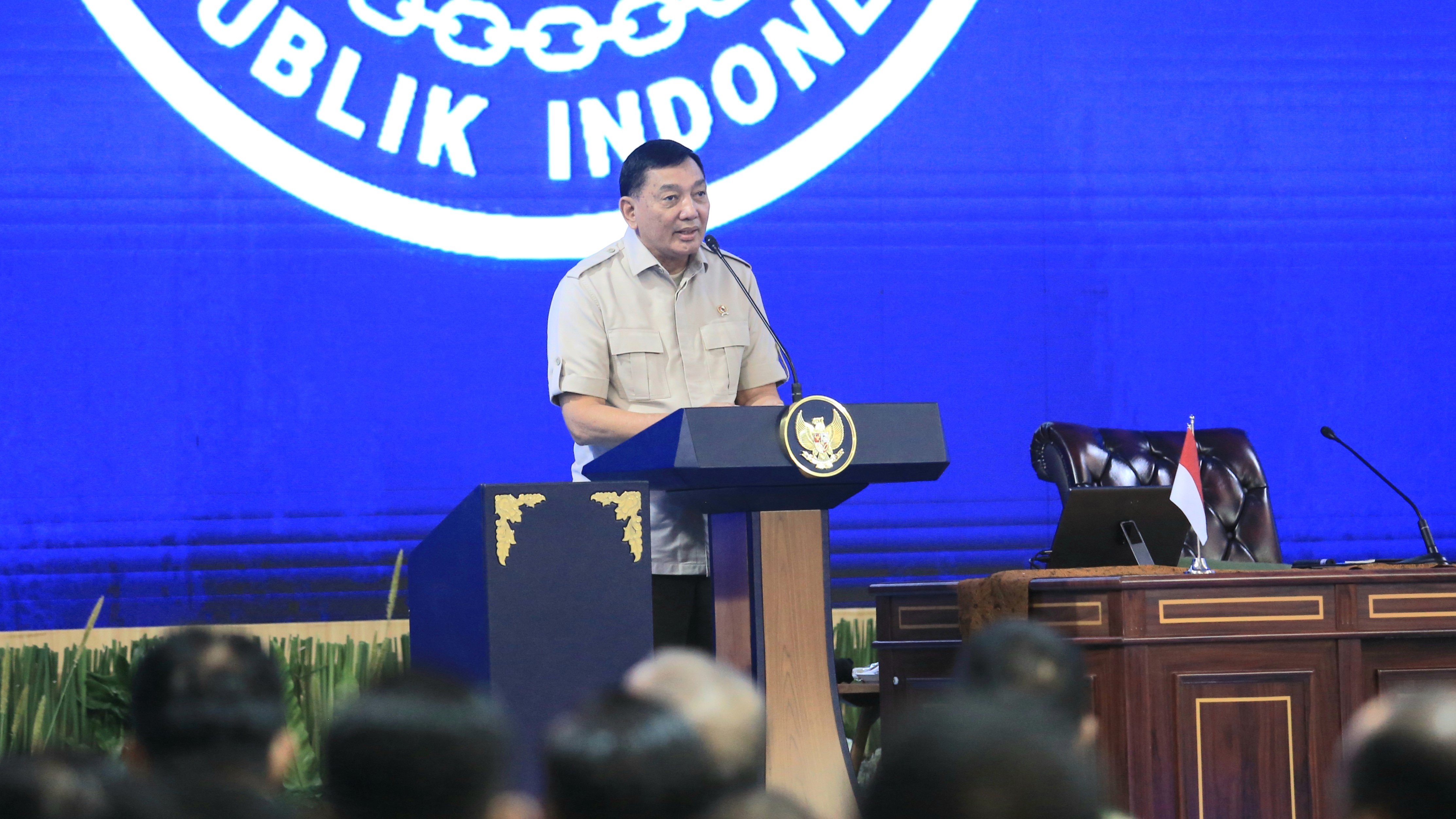
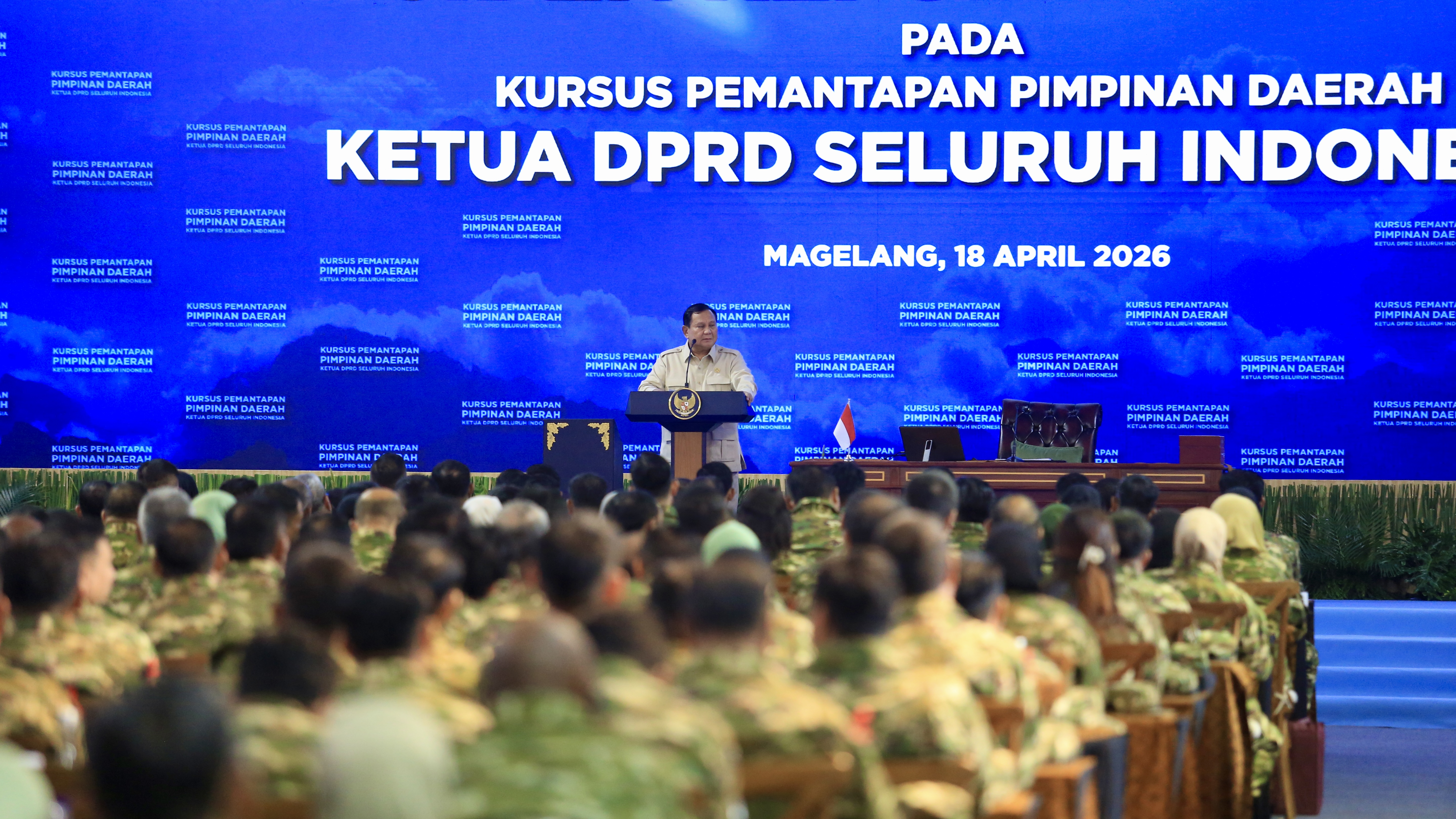
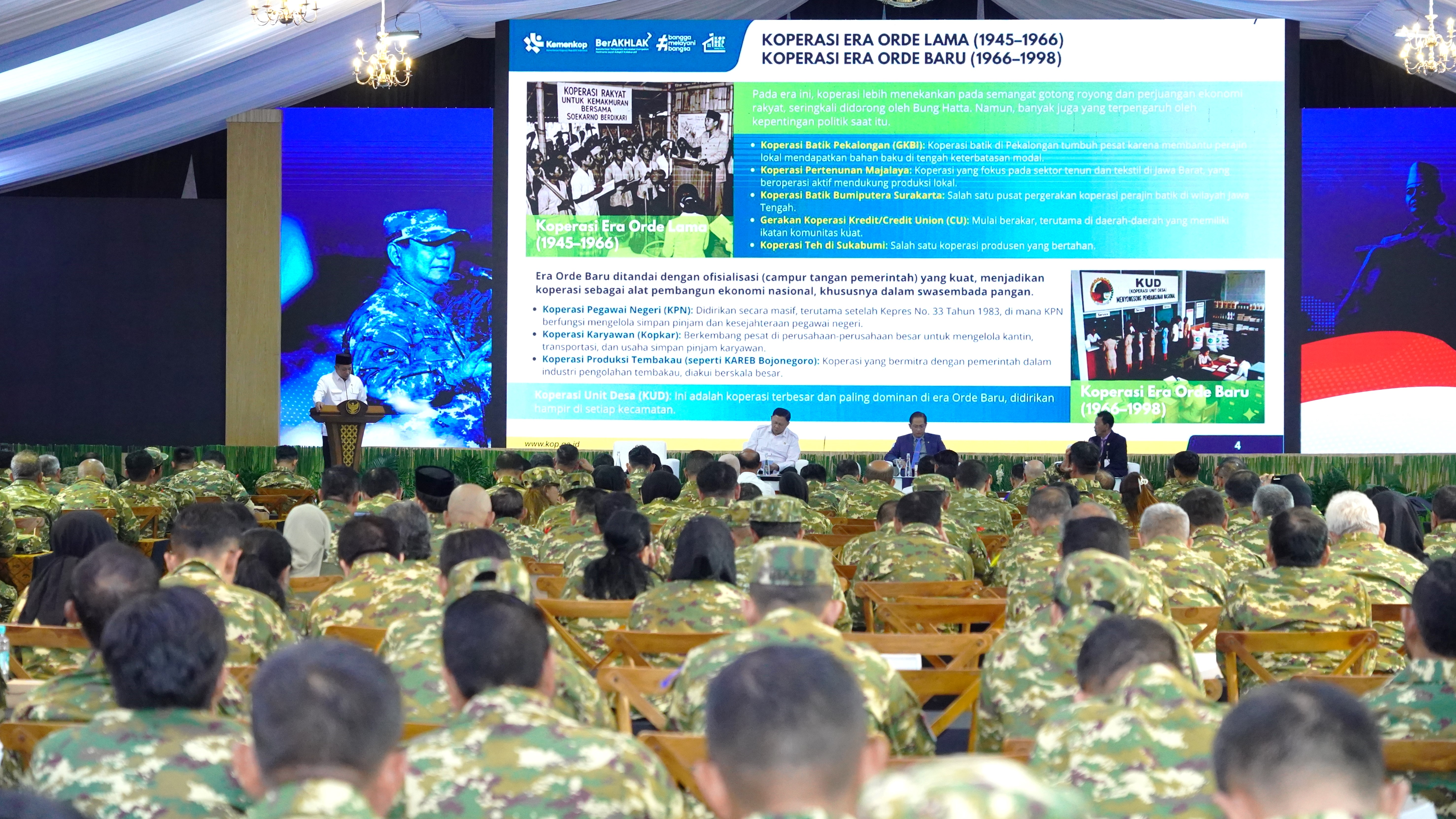
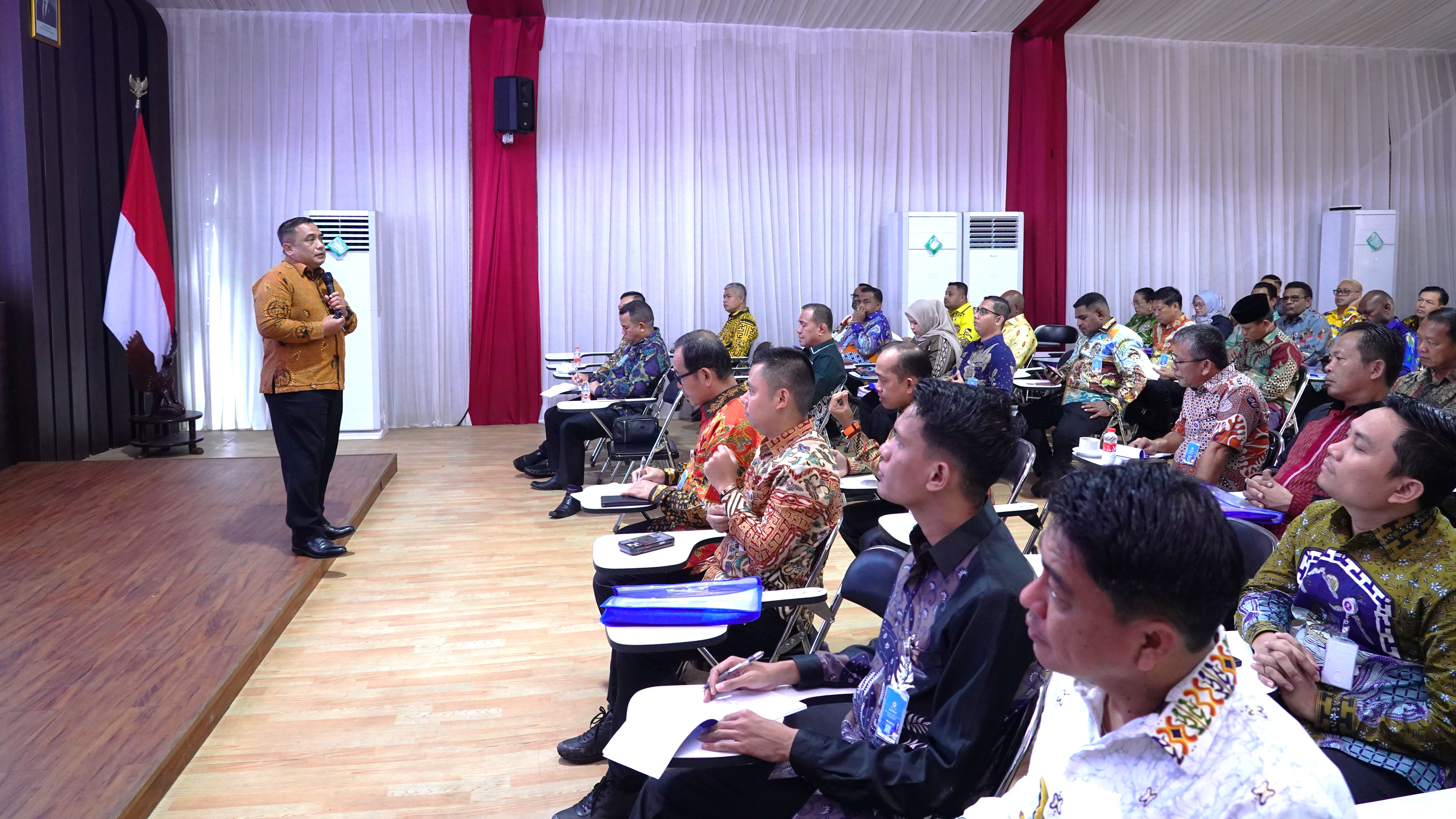
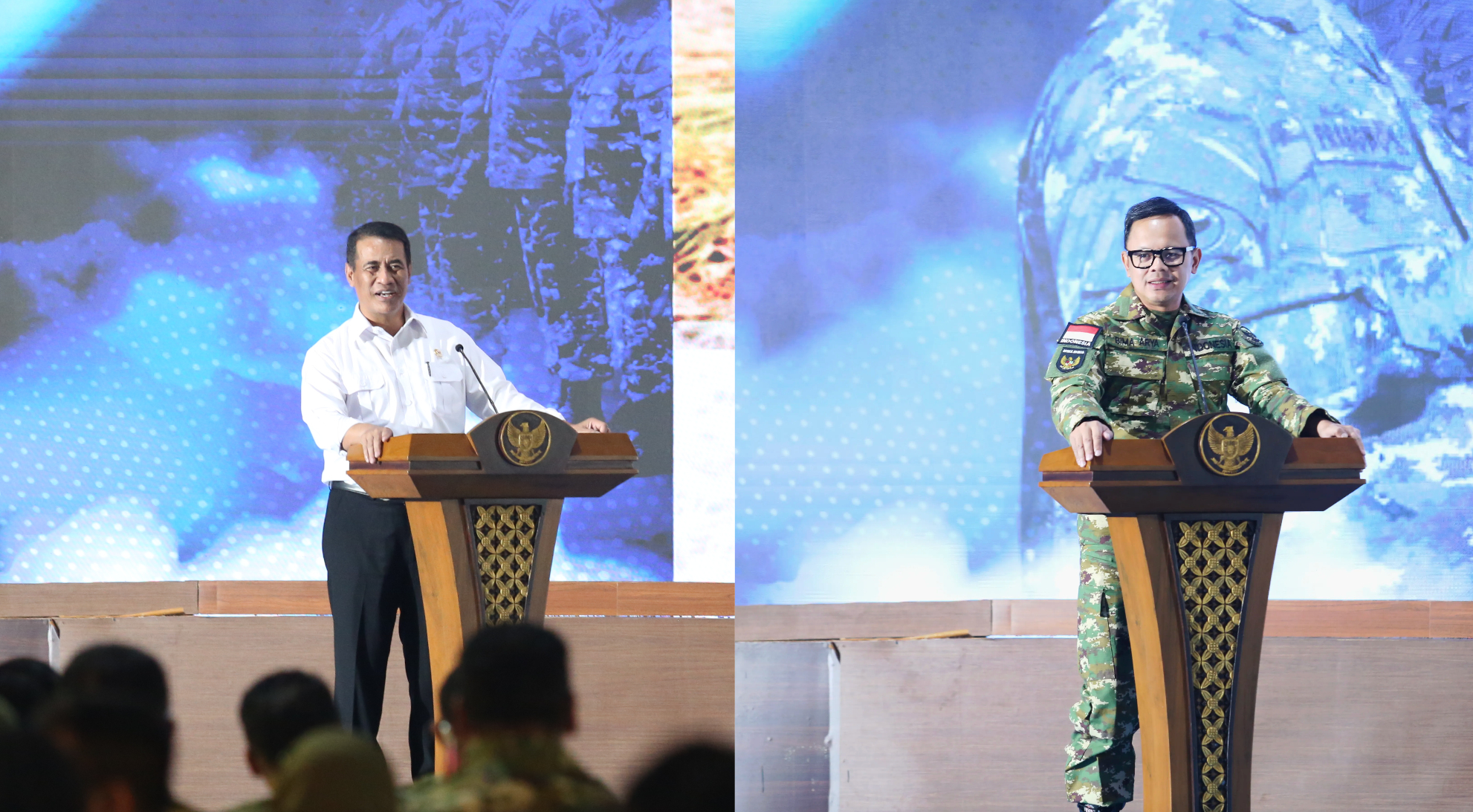
Lemhannas RI presented the Minister of Primary and Secondary Education (Mendikdasmen) RI, Prof. Dr. Abdul Mu’ti, M.Ed., the Minister of Health (Menkes) RI, Budi Gunadi Sadikin, and the Head of the National Nutrition Agency (BGN), Dr. Ir. Dadan Hindayana, to give lectures to the participants of the Regional Leadership Strengthening Course (KPPD) for Chairpersons of Regional Representative Councils (DPRD) from across Indonesia at the Military Academy (Akmil) Magelang on Saturday (4/18).
The development of human resources has become a top priority in the national agenda, in line with the government’s policy direction that places education, health, and nutrition as the primary foundation.
Abdul Mu’ti emphasized that fulfilling citizens’ right to a quality education is a constitutional mandate and aligns with the Asta Cita of the President of the Republic of Indonesia. Menkes is committed to providing quality education for the citizens. This goal certainly requires strategic support from the DPRD leadership throughout Indonesia.
Furthermore, Abdul Mu’ti stated that educational transformation is aimed not only at ensuring equal access but also at improving the quality of learning to remain relevant in changing times. This transformation is achieved by improving teacher competencies, strengthening literacy and numeracy skills, and using technology in the learning process.
‘As of 2025, we had revitalized 16,167 educational institutions spread across 38 provinces, 514 regencies/cities, and 5,273 subdistricts. The total budget is 16 trillion, and we have realized it for 16,167 units, whereas the initial target was 10,440,” Abdul Mu’ti said.
These revitalization initiatives demonstrate the government’s commitment to improving educational facilities and the quality of infrastructure. In addition to supporting teaching and learning, the program generates economic benefits by involving local workers and businesses. The program ensures that education contributes to both human resource development and economic growth.
Regarding character development, Abdul Mu’ti expressed full support for the Free Nutritious Meals (MBG) program, which successfully increases student attendance. He also emphasized the “Seven Habits of Great Indonesian Children” policy (waking up early, praying, exercising, eating healthy meals, enjoying learning, being community-oriented, and going to bed early), as well as the cultivation of nationalism through flag ceremonies and scout activities.
“The success of this program is undoubtedly tied to budgetary support from local governments, both at the provincial and regency/city levels. Therefore, even though we have a budget allocated from the central government, the program will be more effective and yield better results if it also receives support from provincial and regency/city governments across Indonesia,” Abdul Mu’ti said.
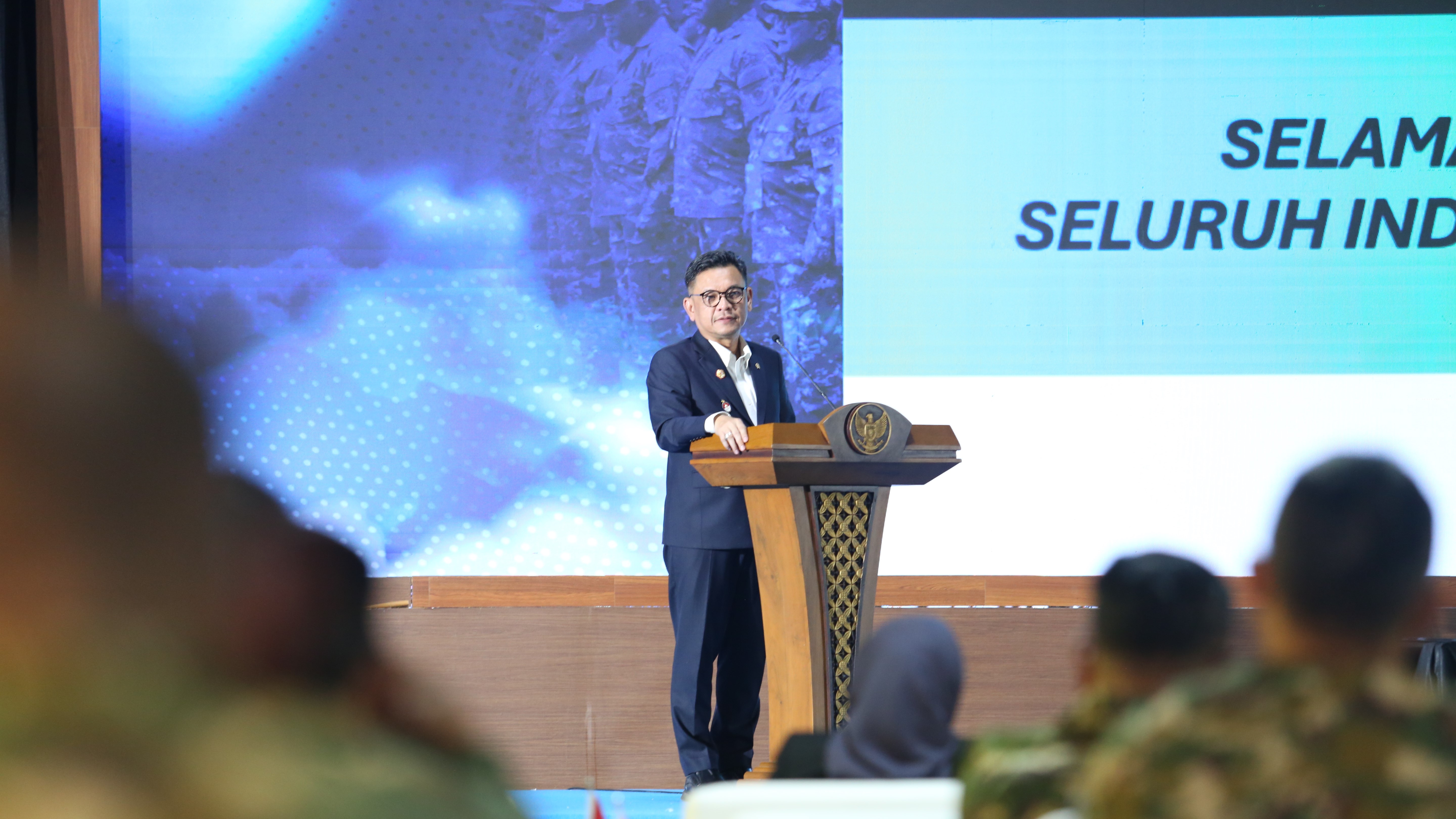
On the other hand, the health sector focuses on a promotional and preventive approach to improving people’s quality of life. Budi Gunadi explained that the government prioritized the health sector through Asta Cita, the 17 national priority programs, and the President’s Quick Win Program (PHTC).
The government is promoting a paradigm shift from treatment to prevention by strengthening primary healthcare services and raising public awareness about healthy lifestyles.
“I’ve already discussed this health strategy with several regional heads. Regional representative council chairs also need to understand that the priority is prevention, not treatment. Treating the sick comes second,” Budi Gunadi said.
This approach underscores the importance of local governments’ role in supporting prevention-based health programs, such as improving sanitation, providing health education, and ensuring equal access to healthcare services. Consequently, these efforts reduce the healthcare burden and improve community productivity.
Budi Gunadi explained that the three main strategies require close collaboration with local governments. First is the establishment and improvement of hospital quality across regions. Second, the implementation of free health check-up programs enables the early detection of chronic diseases, allowing them to be treated more quickly and cost-effectively. These programs target 280 million Indonesians.
Third is the fight against tuberculosis. Budi Gunadi urged leaders of regional representative councils across Indonesia to report and monitor tuberculosis cases effectively.
In addition to education and health, the Free Nutritious Meals Program is a key strategy for improving the quality of human capital early on by ensuring proper nutrition. The program addresses nutritional issues, including stunting, which directly impacts future cognitive abilities and productivity.
“We hope this program will prevent stunting. Since Indonesia’s average IQ is currently 78, we hope that, in 10 or 15 years, those born today will become productive workers—and, by then, stunting will no longer be an issue,” Dadan Hindayana said.
The MBG program’s implementation in a wide range of regions demonstrates the government’s commitment to ensuring equitable access to nutrition nationwide. Beyond its health benefits, the program drives local economic growth through food supply chains and distribution.
Overall, synergy between the education, health, and nutrition sectors is key to building high-quality human resources. Quality education produces competent individuals, good health boosts productivity, and adequate nutrition supports optimal growth and development.
Therefore, collaboration between the central and local governments—including the Regional People’s Representative Council (DPRD)—is essential to effectively and sustainably implement existing policies in support of the nation’s development. (MA/SF/DA)