Regional Legislative Council Heads Receive Briefing on Green Economic Development at KPPD
News & Article Saturday, 18 April 2026, 14:00
|
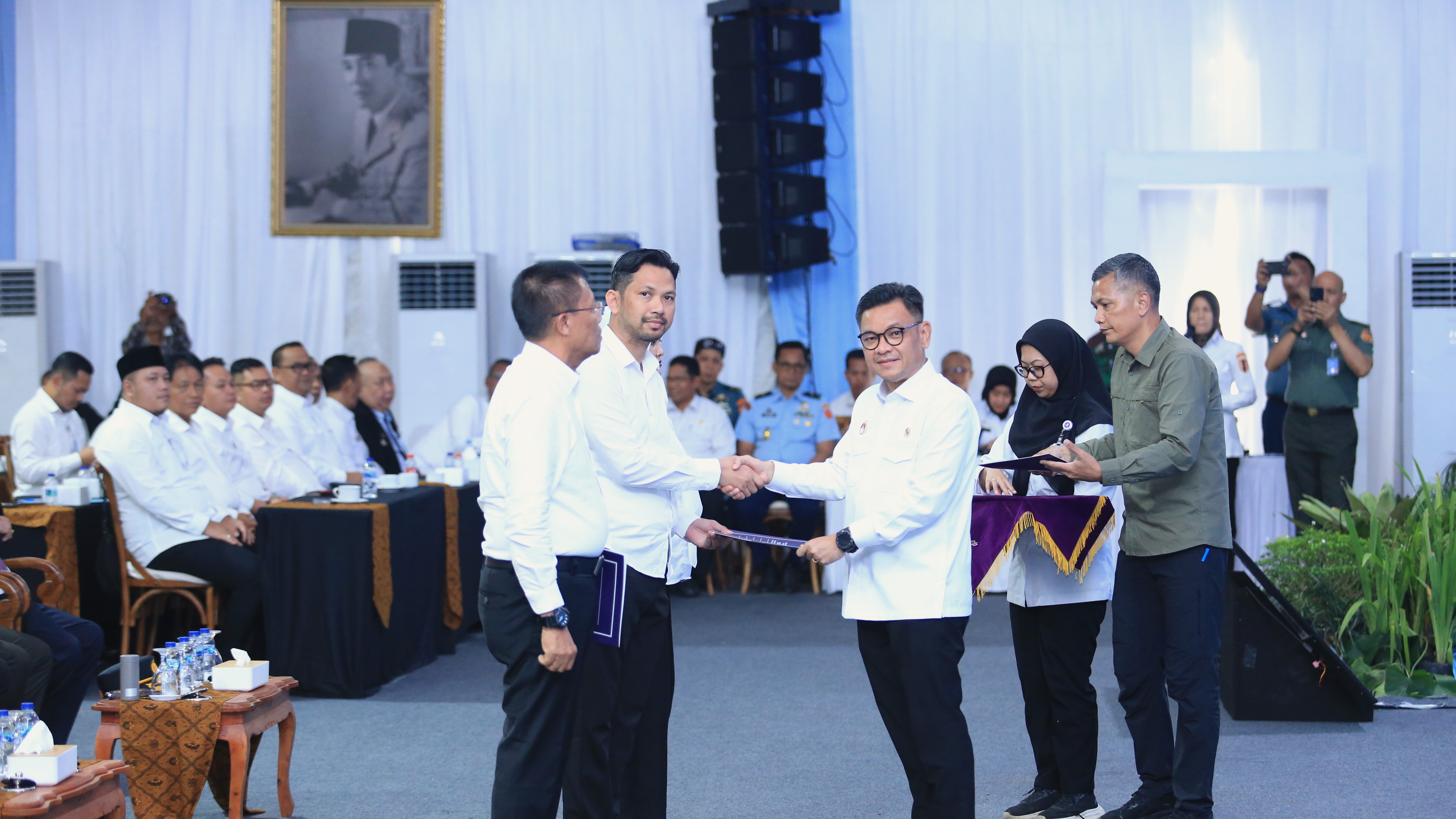
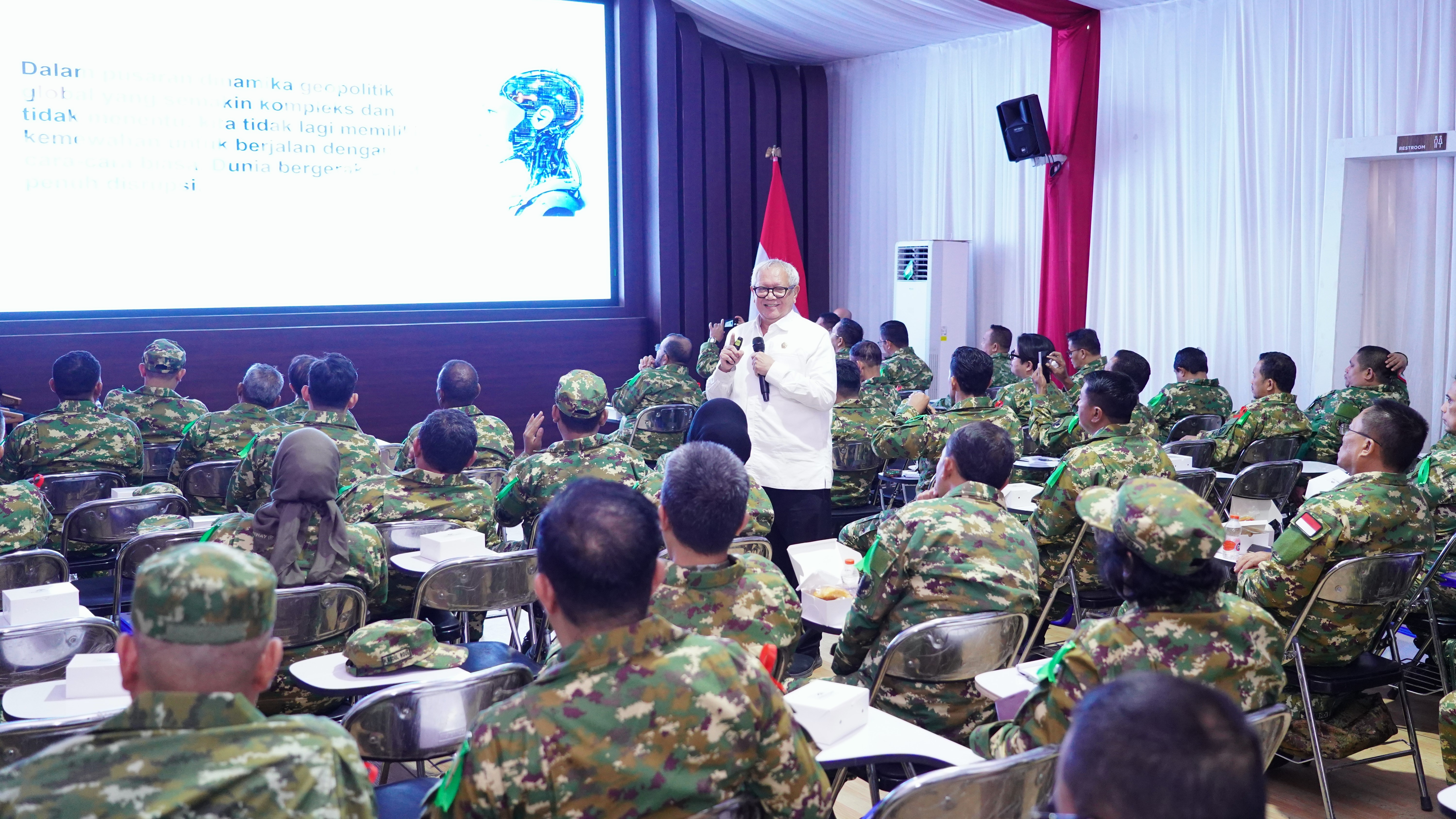
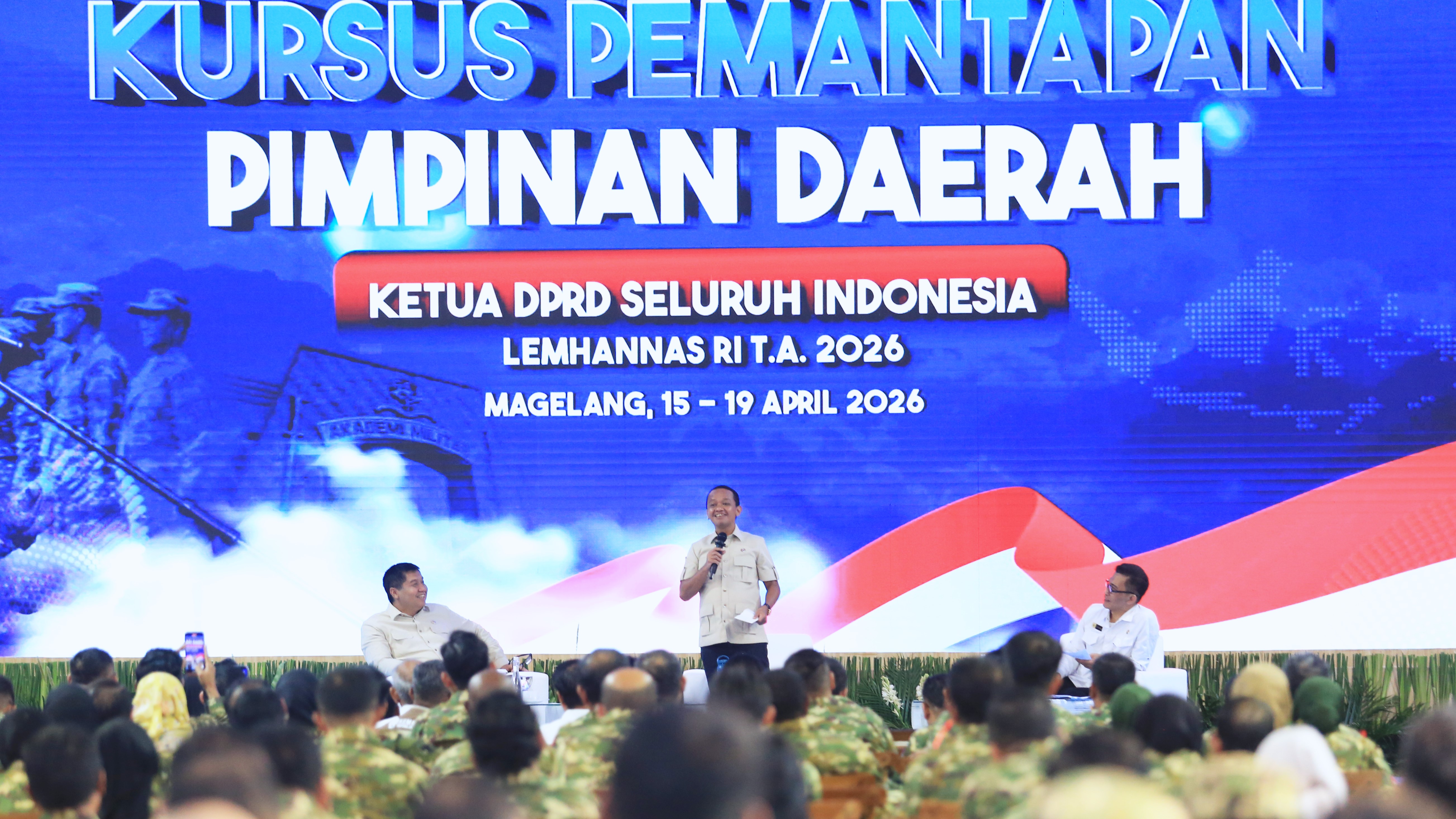
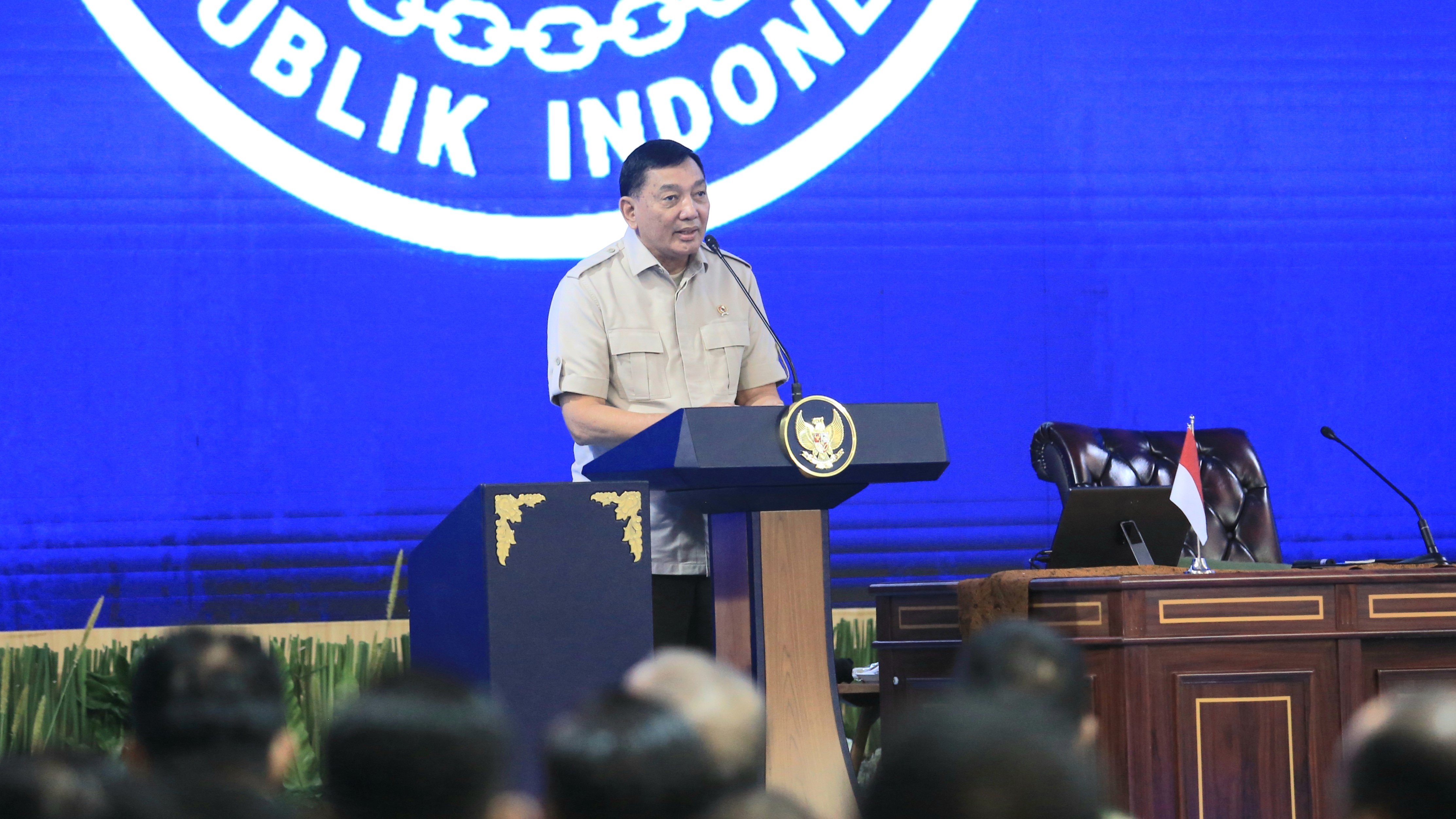
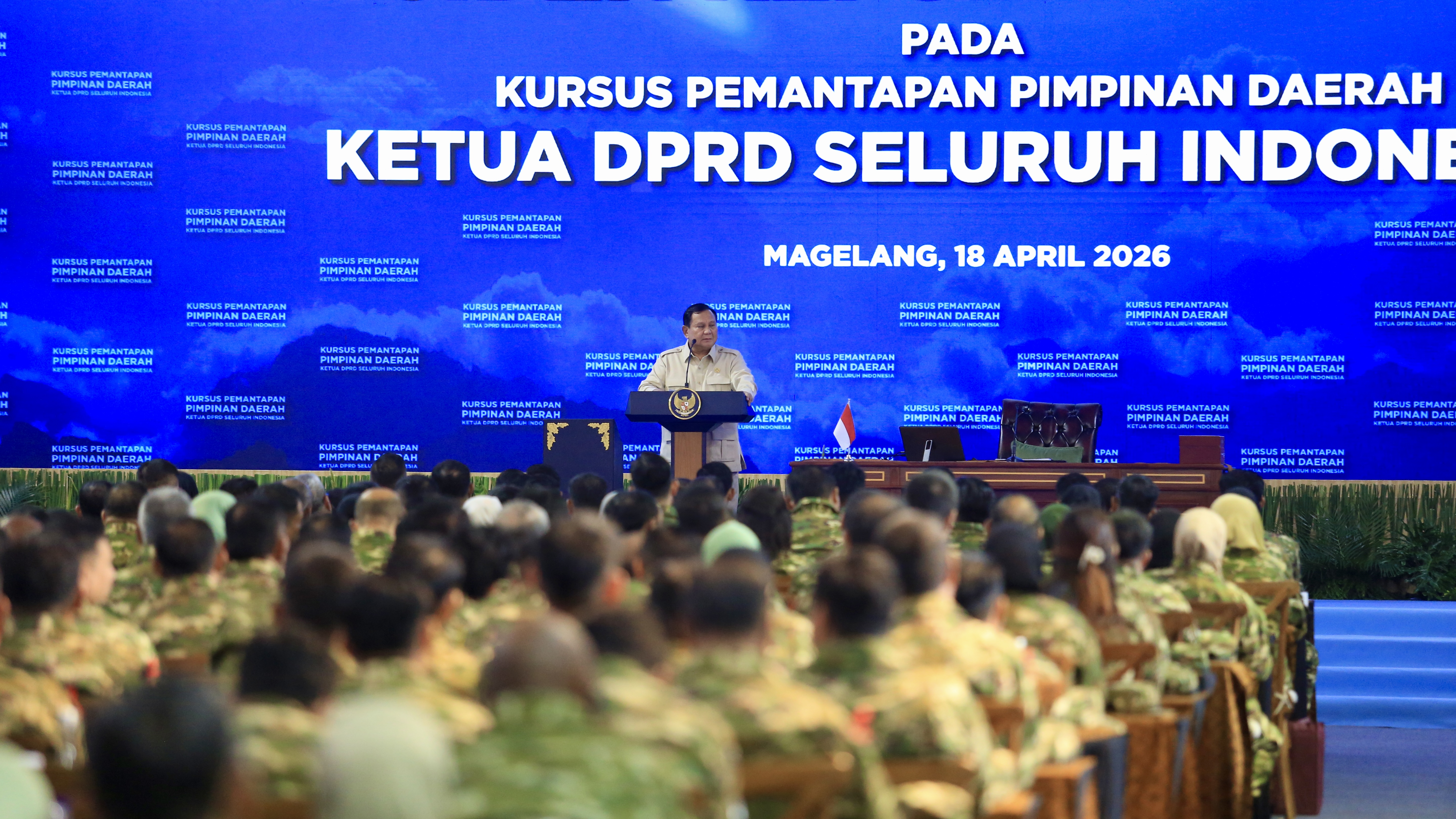
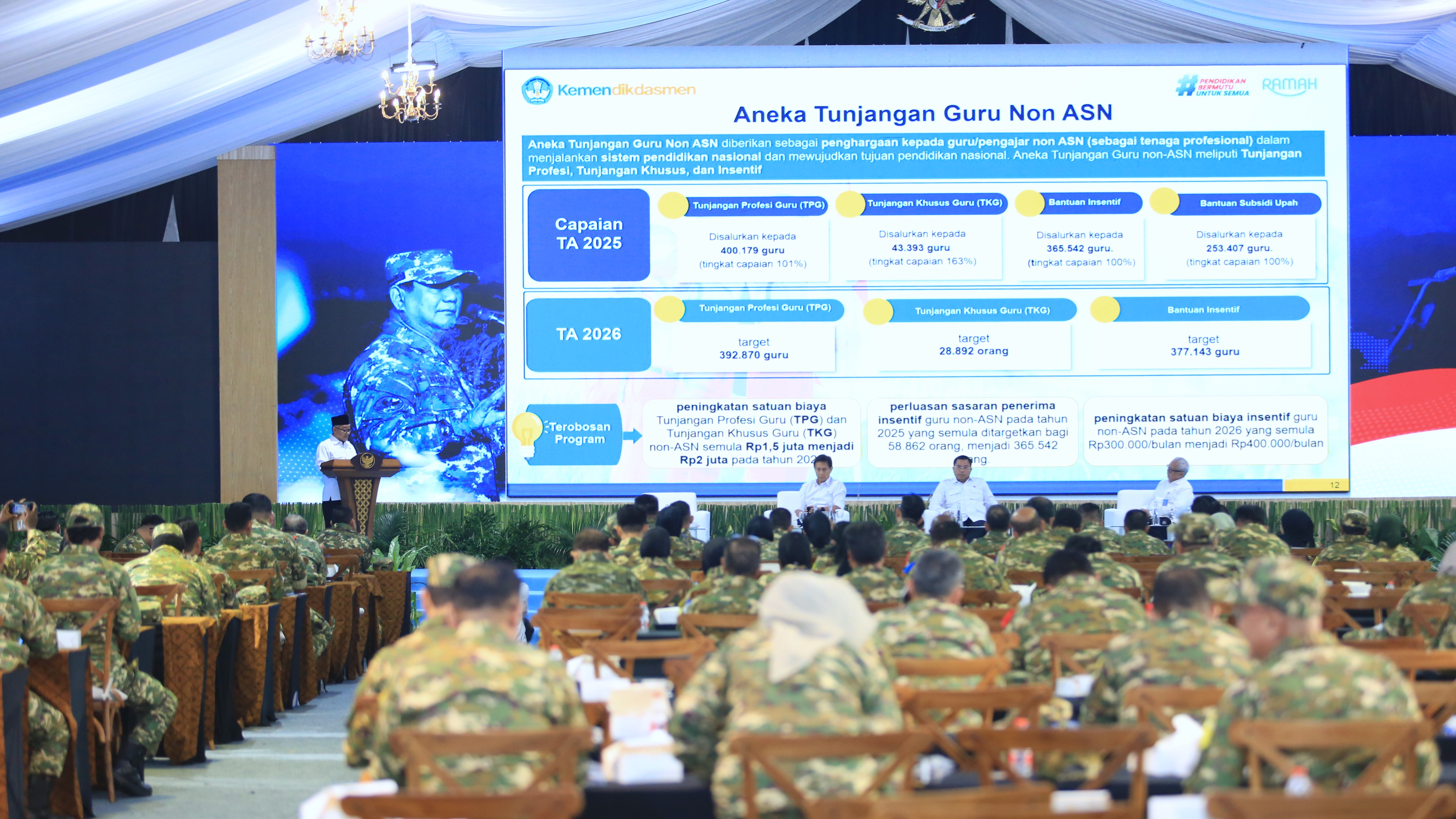
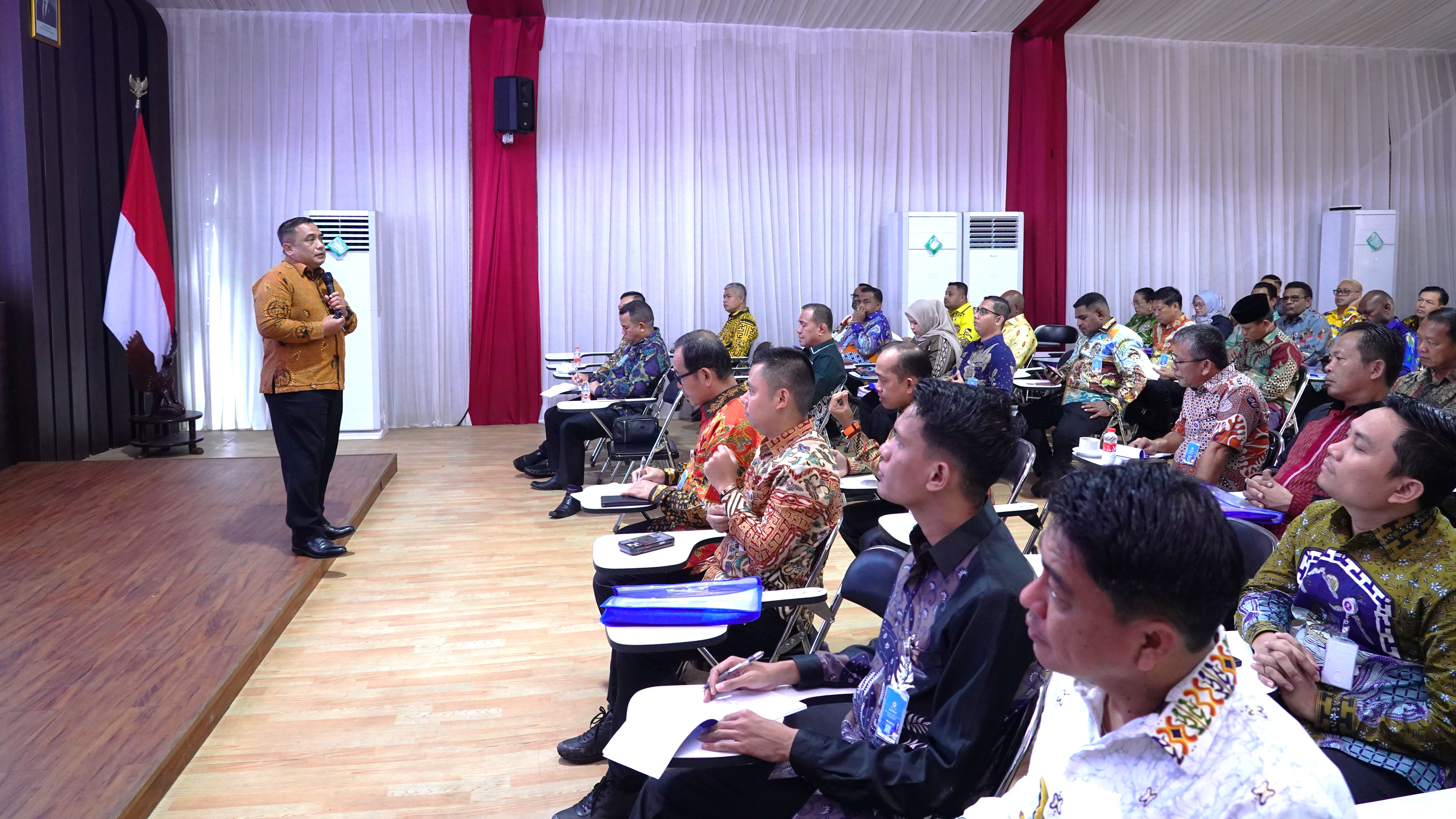
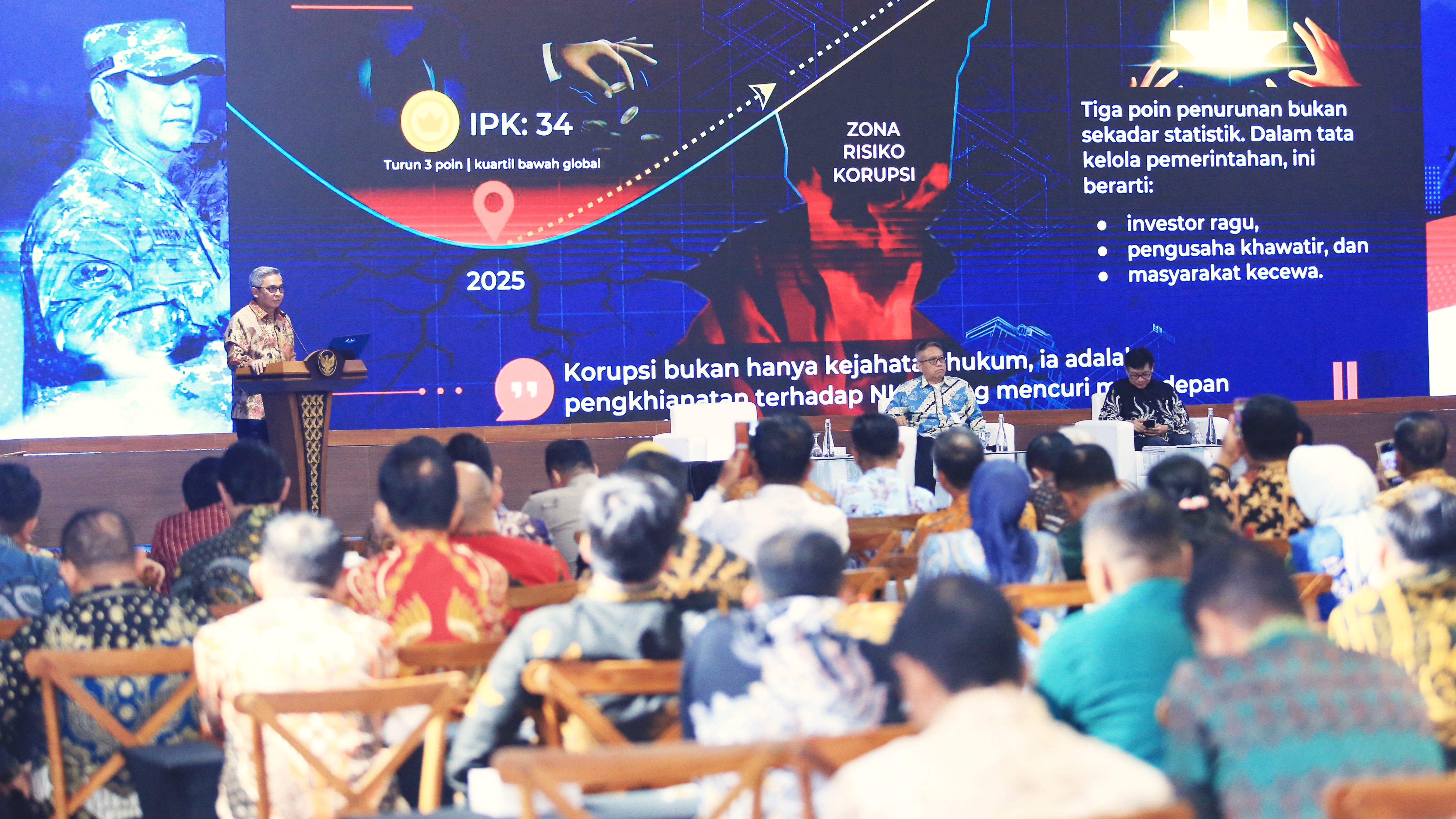
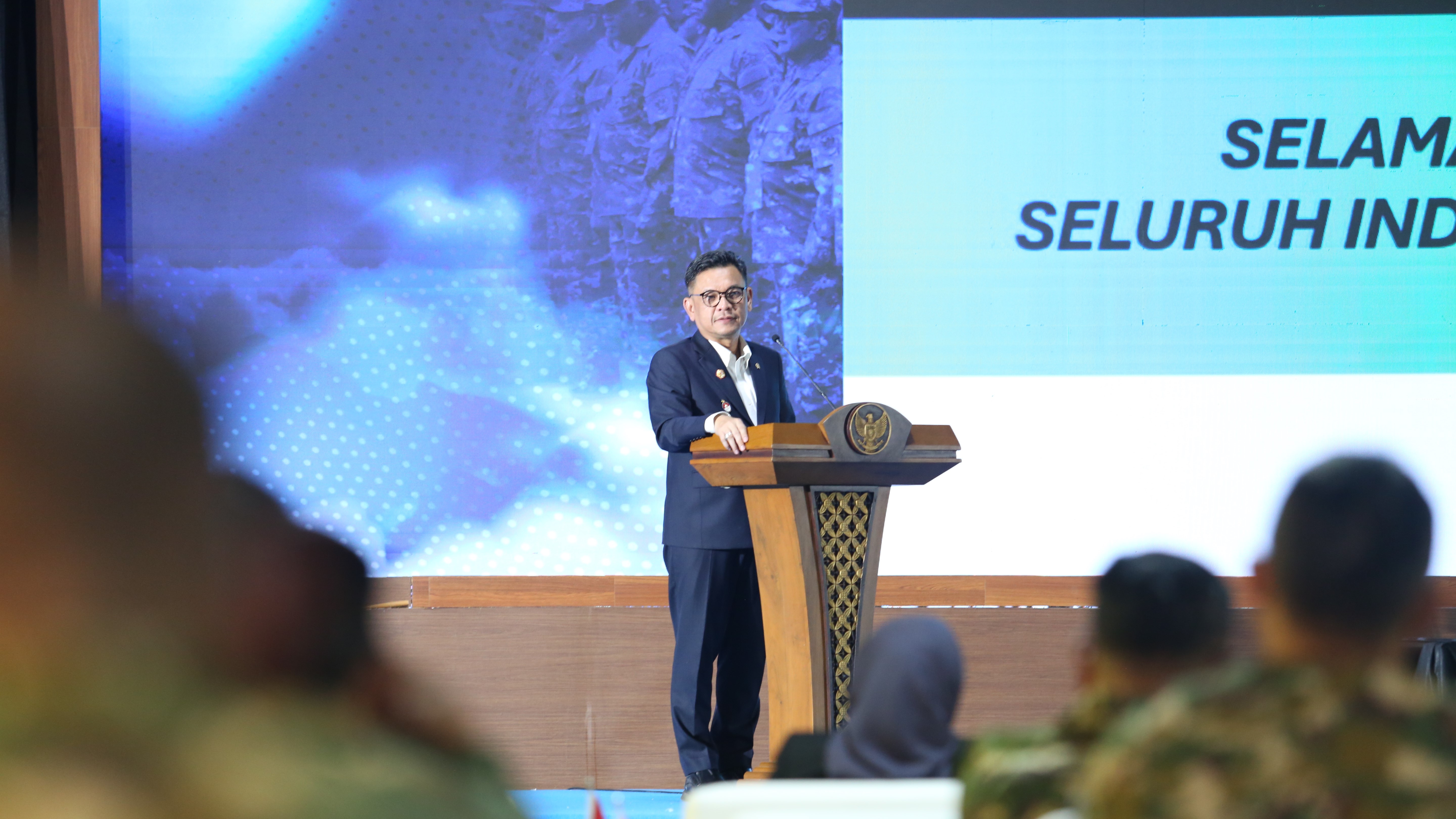
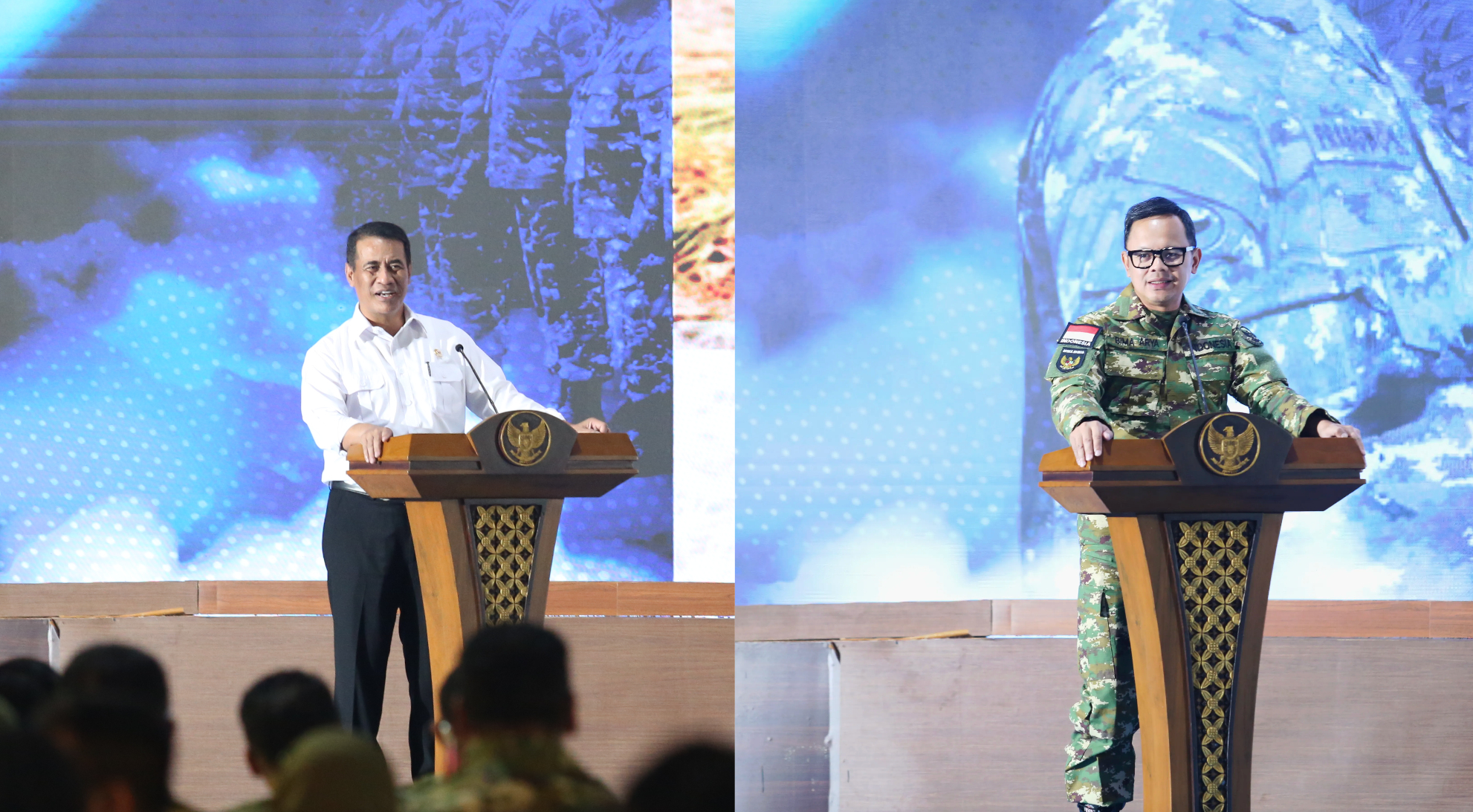
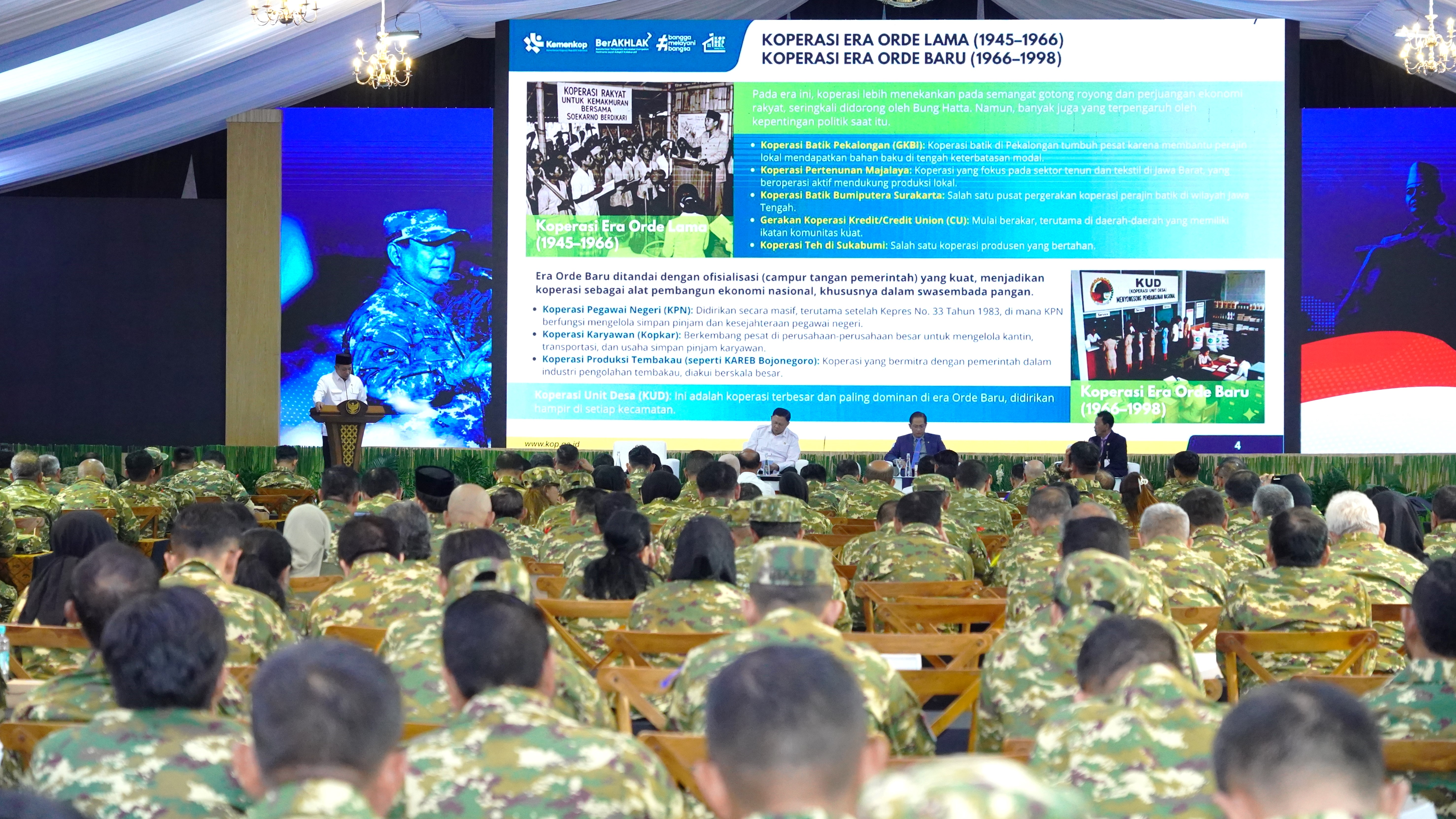
On the fourth day of the Regional Leadership Strengthening Course (KPPD) for Speakers of Regional Legislative Councils across Indonesia, Lemhannas RI invited Cooperatives Minister Ferry Juliantono, Marine Affairs and Fisheries Vice Minister Didit Herdiawan, and Environment Minister Hanif Faisol Nurofiq to speak at the Military Academy (Akmil) in Magelang on Saturday (4/18). In his presentation, Ferry stressed the importance of strengthening the people’s economy through cooperatives, describing them as the backbone of the national economy. He said cooperatives should become the mainstream driver of economic activity. The government is therefore accelerating the establishment of Koperasi Merah Putih (Red and White Village/Subdistrict Cooperatives) to strengthen rural economies. The initiative is expected to boost economic activity and create a new ecosystem that supports community welfare. “Koperasi Merah Putih are expected to become an instrument that will drive economic activity in villages and urban wards, while creating a new ecosystem that will further enable these cooperatives to support local communities,” Ferry said. The program follows President Prabowo Subianto’s Instruction No. 9/2025 on accelerating the establishment of Koperasi Merah Putih. The policy aims to help cooperatives catch up with private and state-owned enterprises in assets, business scale, and public participation. More than 83,000 legally registered cooperatives have been established so far and will continue to be strengthened to compete in a freer market. The five main functions of the cooperatives include distributing subsidized goods and basic necessities, absorbing village products as offtakers, channeling central government assistance programs, providing pharmacy outlets, village clinics, and microfinance services, and offering logistics and transportation services. Meanwhile, Didit outlined the blue economy concept as a sustainable strategy for the development of the marine sector. He said the approach focuses on protecting marine ecosystems, measuring resource management, and improving the welfare of coastal communities. He warned that Indonesia’s abundant fish resources could be depleted if exploited without control. To address overfishing, Didit called for catch limits and zoning regulations. He said measured fishing practices would improve Indonesia’s export prospects and meet international standards. “We also hope that measured fishing practices will enable better and larger export activities that are more widely accepted internationally, because today fish catches without certification are still not fully accepted, as our fishing practices are considered unsustainable,” Didit said. Other strategies include expanding marine conservation areas, quota-based fishing, developing aquaculture, and strengthening supervision. The development of Kampung Nelayan Merah Putih (Red and White fishing villages) is also seen as a concrete step to raise fishermen’s productivity and welfare. He also emphasized the importance of cross-sector collaboration in safeguarding marine sustainability. Hanif, meanwhile, highlighted the urgency of tackling the national waste problem. He said only around 10 percent of waste is currently managed, while the rest pollutes the environment. He noted that Indonesia produces around 143,000 tons of waste per day, based on an estimated 0.5 kilograms per person daily and a population of 288.3 million. Hanif also said only 33,249 of Indonesia’s 43,731 waste management facilities are operating optimally, meaning just around 37,000 tons, or 26 percent, of daily waste is properly handled. Under Presidential Regulation No. 12/2025 on the 2025-2029 National Medium-Term Development Plan, Indonesia aims to achieve 100 percent waste management coverage by 2029. He said success would depend on public awareness, stronger institutions, law enforcement, and sufficient budget support. The presentations showed that green, blue, and circular economic development are no longer mere concepts but are being implemented through concrete programs. Synergy between the central and regional governments remains key to ensuring these policies are effective and deliver real benefits to the public. (MA/IS/MDF) |