TNI Commander Urges KPPD Participants to Fast-Track Regional Development for Greater Public Prosperity
News & Article Sunday, 19 April 2026, 14:00
|
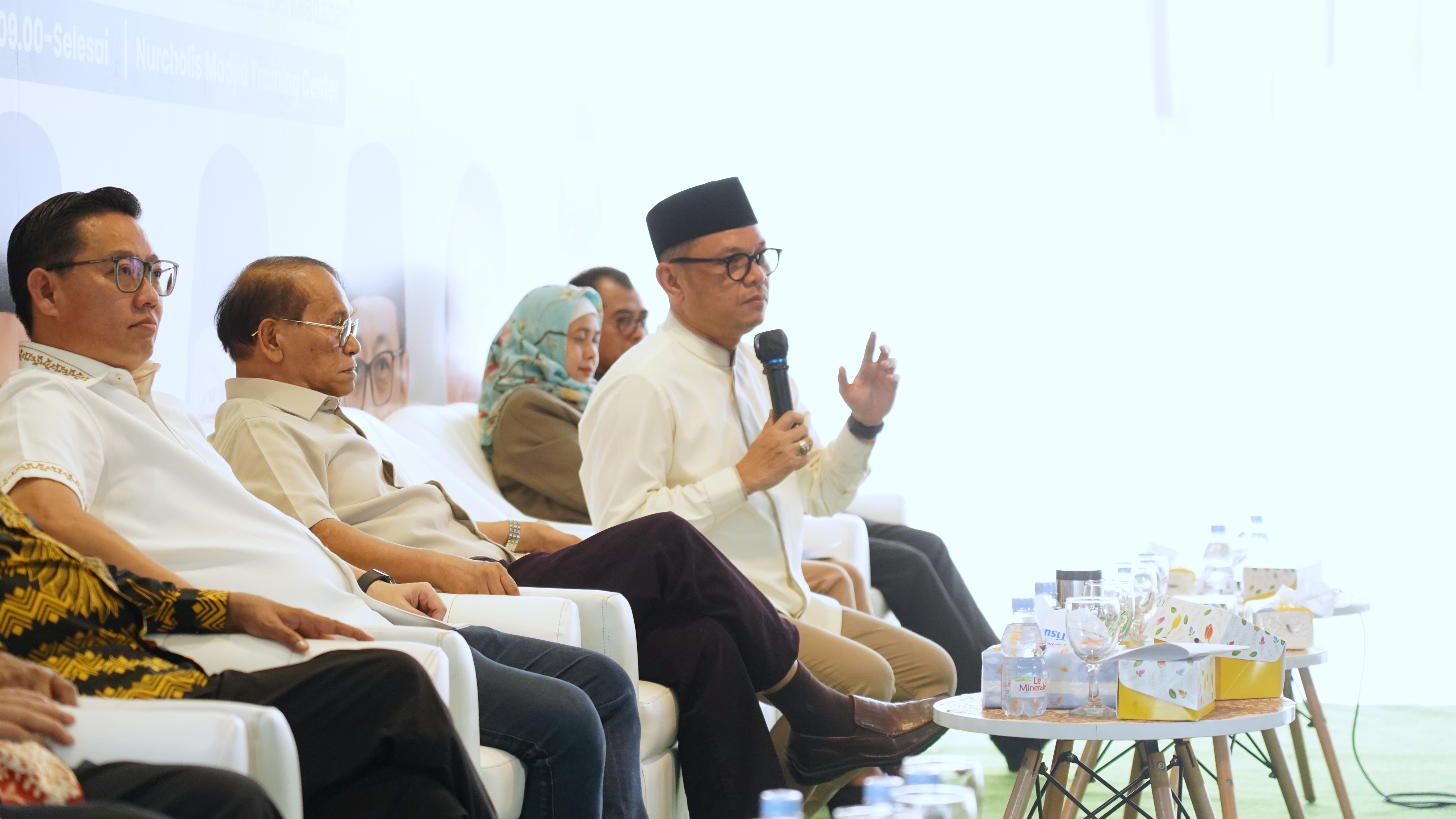
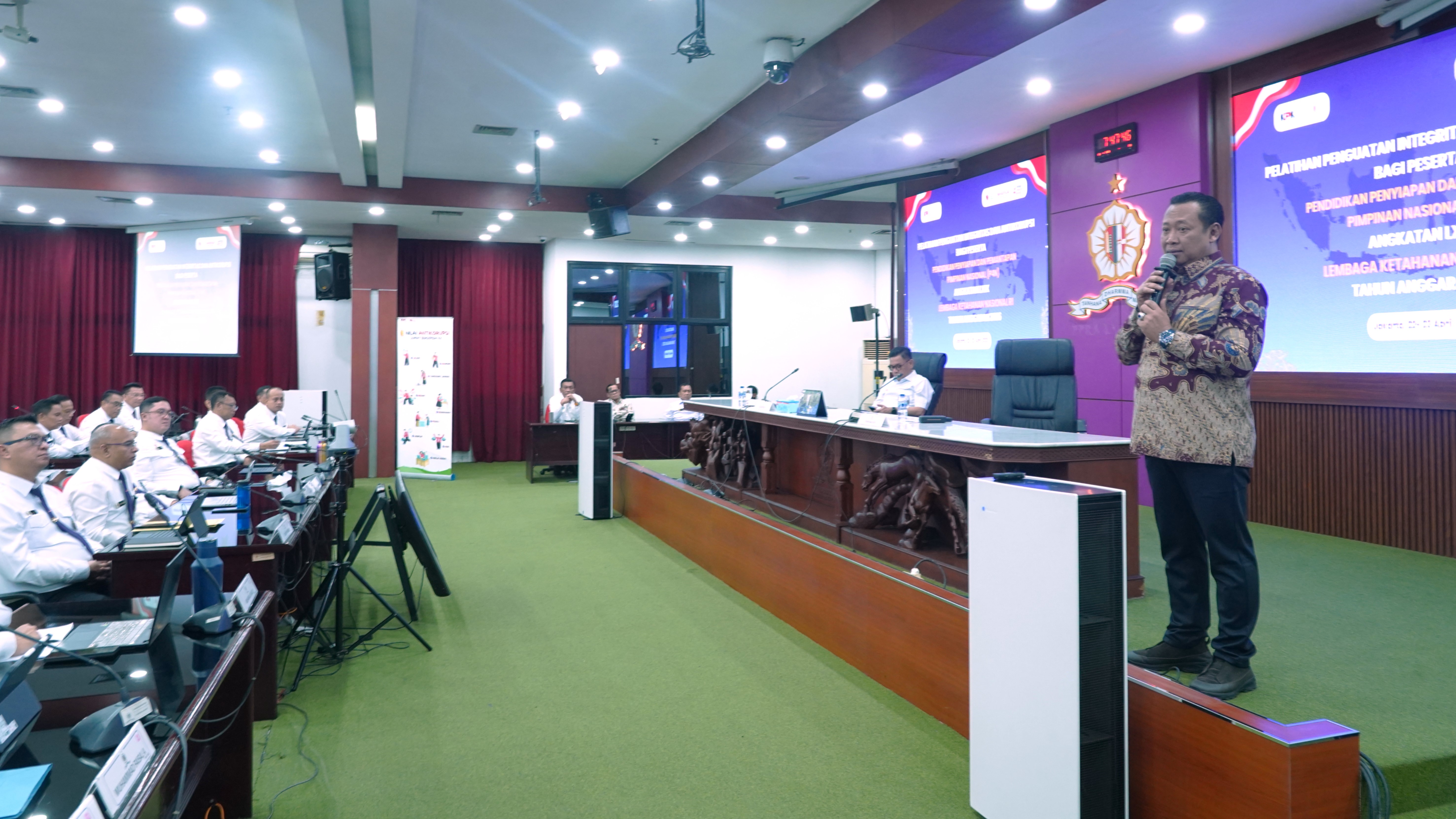
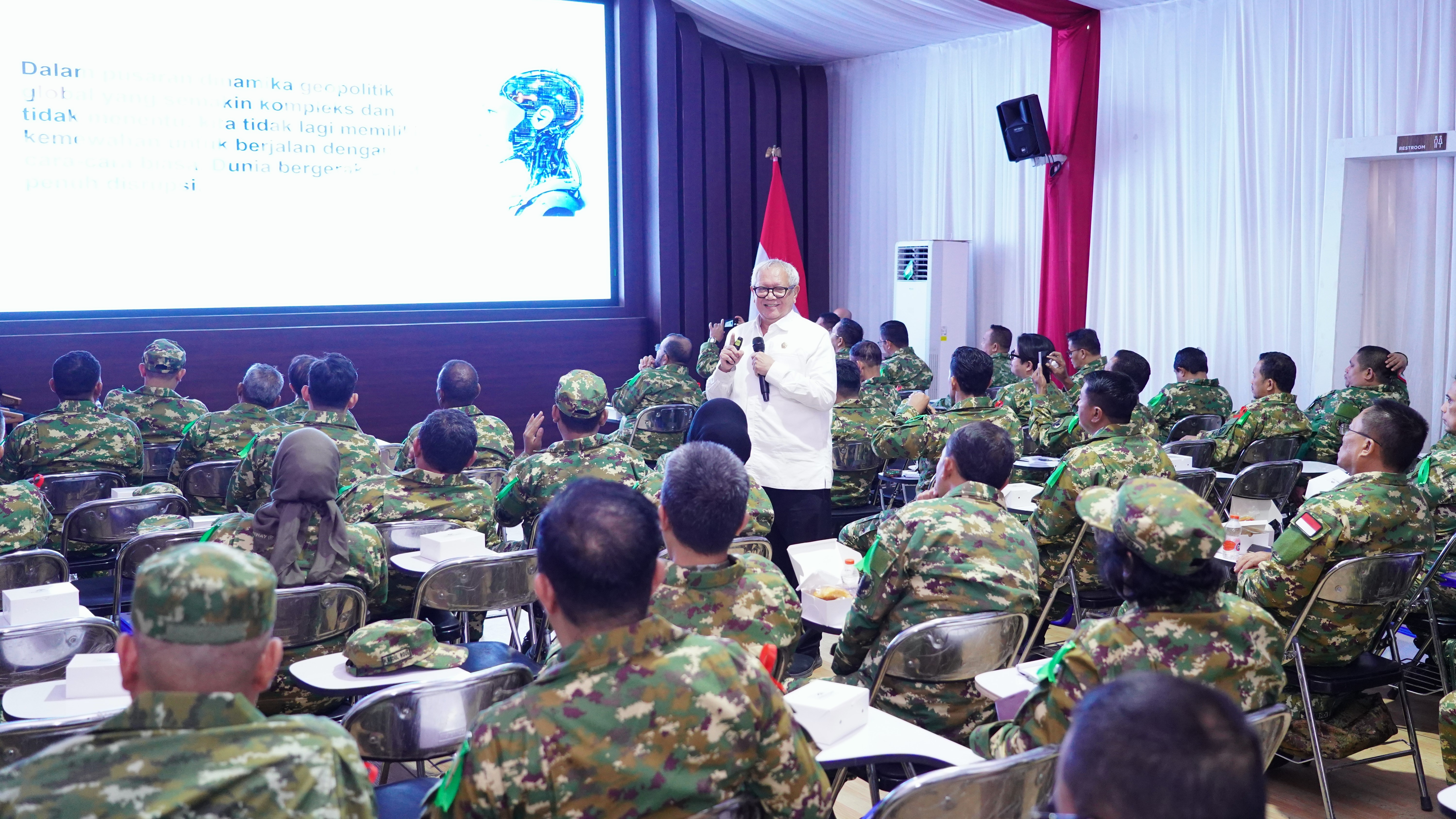
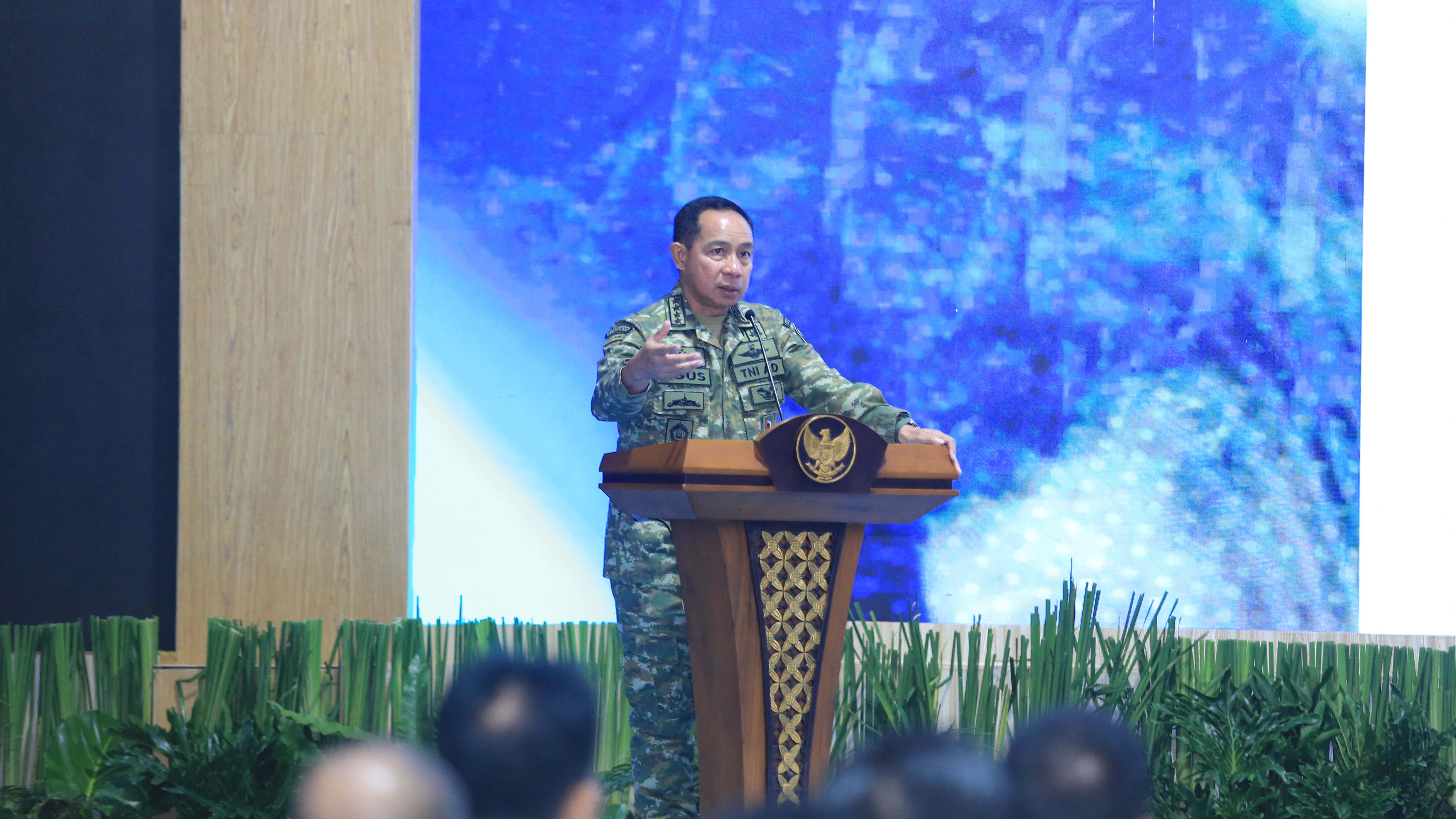
On the final day of the Regional Leadership Strengthening Course (KPPD) for Regional Legislative Council (DPRD) speakers from across Indonesia, the National Resilience Institute (Lemhannas RI) presented Indonesian Military (TNI) Commander Gen. Agus Subiyanto, S.E., M.Si., Central Java High Prosecutor Teguh Subroto, S.H., M.H., and National Police’s Chief of the Anti-Corruption Corps (Kortastipidkor) Insp. Gen. Totok Suharyanto, S.I.K., M.Hum. at the Military Academy (Akmil) in Magelang on Sunday (4/19). The session opened with a briefing delivered by Gen. Agus Subiyanto. In his opening remarks, Agus outlined developments in the global strategic environment, marked by ongoing conflicts in several regions, including the Middle East, the Russia–Ukraine war, and rising tensions elsewhere that could affect global stability. In this context, he stressed the importance of national vigilance and stronger coordination among all elements of society, including regional governments and DPRDs, to address these global challenges. The TNI commander encouraged active collaboration between the military and regional legislatures to strengthen national resilience while improving public welfare. “Please involve the TNI in developing your respective regions to accelerate regional development and improve people’s welfare,” he said. Agus also highlighted Indonesia’s abundant natural resources, including tin, coal, nickel, and palm oil. He hoped that these resources would be managed in line with President Prabowo Subianto’s directive so that Indonesians could enjoy greater prosperity. Alongside this potential, Agus underscored plans to strengthen the country’s defense structure by establishing new units, including 37 Regional Military Commands (Kodam), 15 Main Naval Bases (Lantamal), and 8 Marine Forces (Pasmar) across Indonesia. TNI is also developing new battalions in stages, aiming to form 150 battalions annually to bolster defense while supporting regional development. These battalions are designed not only for defense purposes but also to support productive community activities such as agriculture, livestock, fisheries, construction, and healthcare services. “This aligns with the TNI’s role in Military Operations Other Than War, including assisting regional governments in accelerating development, so there should be no misperceptions,” Agus said. “Asta Cita as the nation’s grand design,” said Central Java High Prosecutor Teguh Subroto, who spoke next. He delivered a presentation titled “Strengthening National Integrity Through the Strategic Role of the Prosecution Service in Implementing Asta Cita.” In his presentation, Teguh emphasized that transparent, accountable, and fair law enforcement is a crucial foundation for successful development, particularly at the regional level. According to him, the law must serve as both a driver for development and a tool for resolving problems. “The law must be able to solve problems, not complicate them or create new ones. If the law makes things more complicated, it means law enforcement applies incorrectly,” he said. He added that law enforcement agencies play a role in transforming the paradigm of law enforcement toward safeguarding national development. Law enforcement should be reflected in and measured by development outcomes. Beyond protection, the law must also mitigate risks of violations from the outset. “Law enforcement must be present from the very beginning of any activity to minimize potential violations. It should not be reactive, but proactive,” Teguh said. He further stressed that the law ensures integrity in systems and governance, meaning that development processes and government work at both the central and regional levels must comply with prevailing regulations. “DPRD leaders are among those with policymaking authority. Decision-makers must not hesitate,” he asserted. In the following session, National Police Anti-Corruption Corps Chief Totok Suharyanto outlined the DPRD’s three core functions: legislation, budgeting, and oversight, with particular emphasis on the budgeting. He noted that vulnerabilities in regional budget management no longer arise solely during implementation but have shifted to the planning stage, particularly in program proposals and budgetary decision-making. The budgeting function, he explained, is a strategic point of vulnerability if not supported by integrity, transparency, and a focus on real public needs. In practice, irregularities may occur when program planning is not fully needs-based but influenced by certain interests, potentially leading to inefficiency and state losses. “Integrity is not merely a choice, but the foundation of civilization,” Totok said, adding that fighting corruption is not only about punishing wrongdoing but also about preserving a legacy of honesty for future generations. (CHP/SP/MDF) |