Strengthening National Resilience and Public Welfare through Integrated Energy and Housing Policies
News & Article Saturday, 18 April 2026, 17:00
|
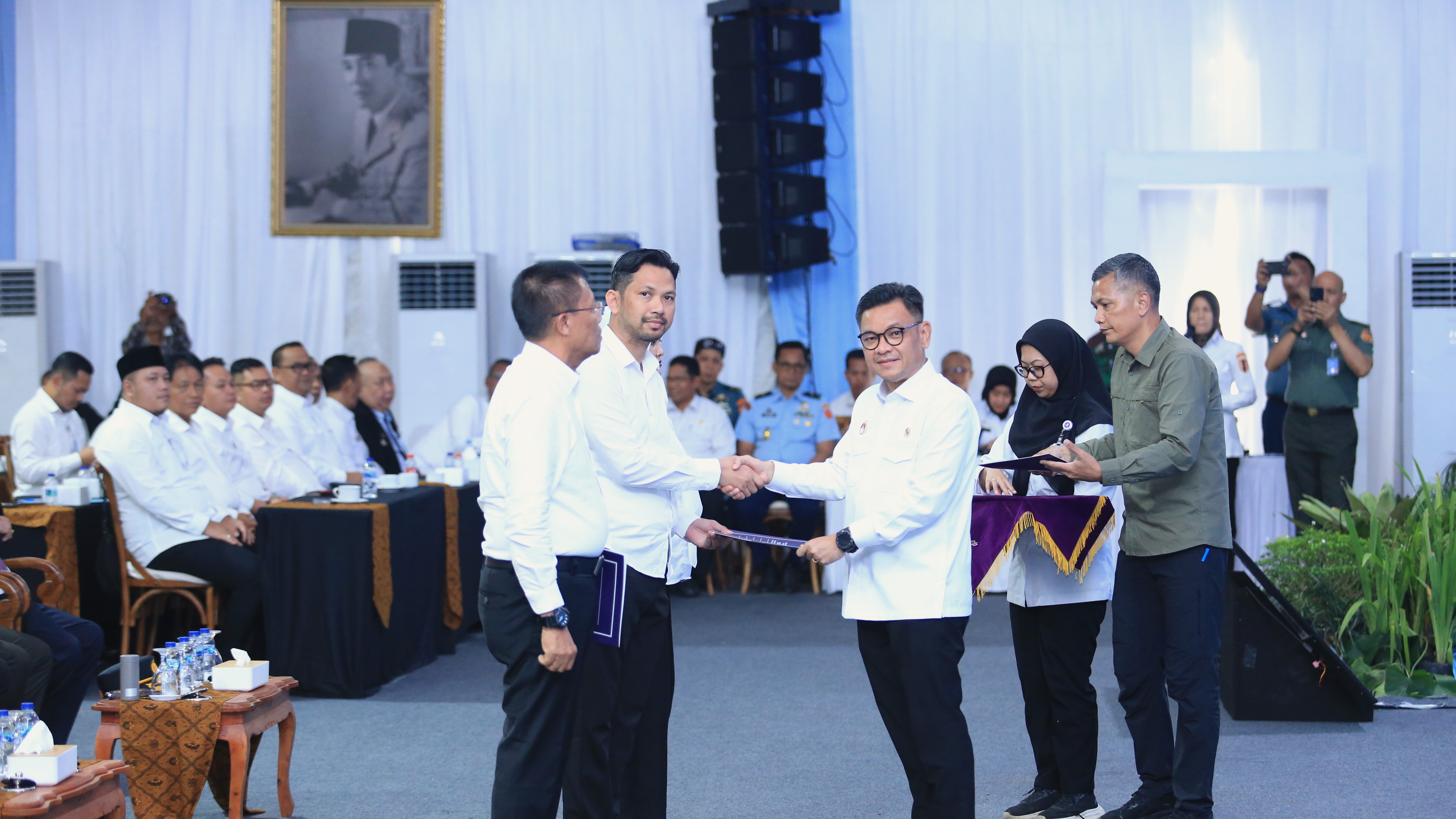
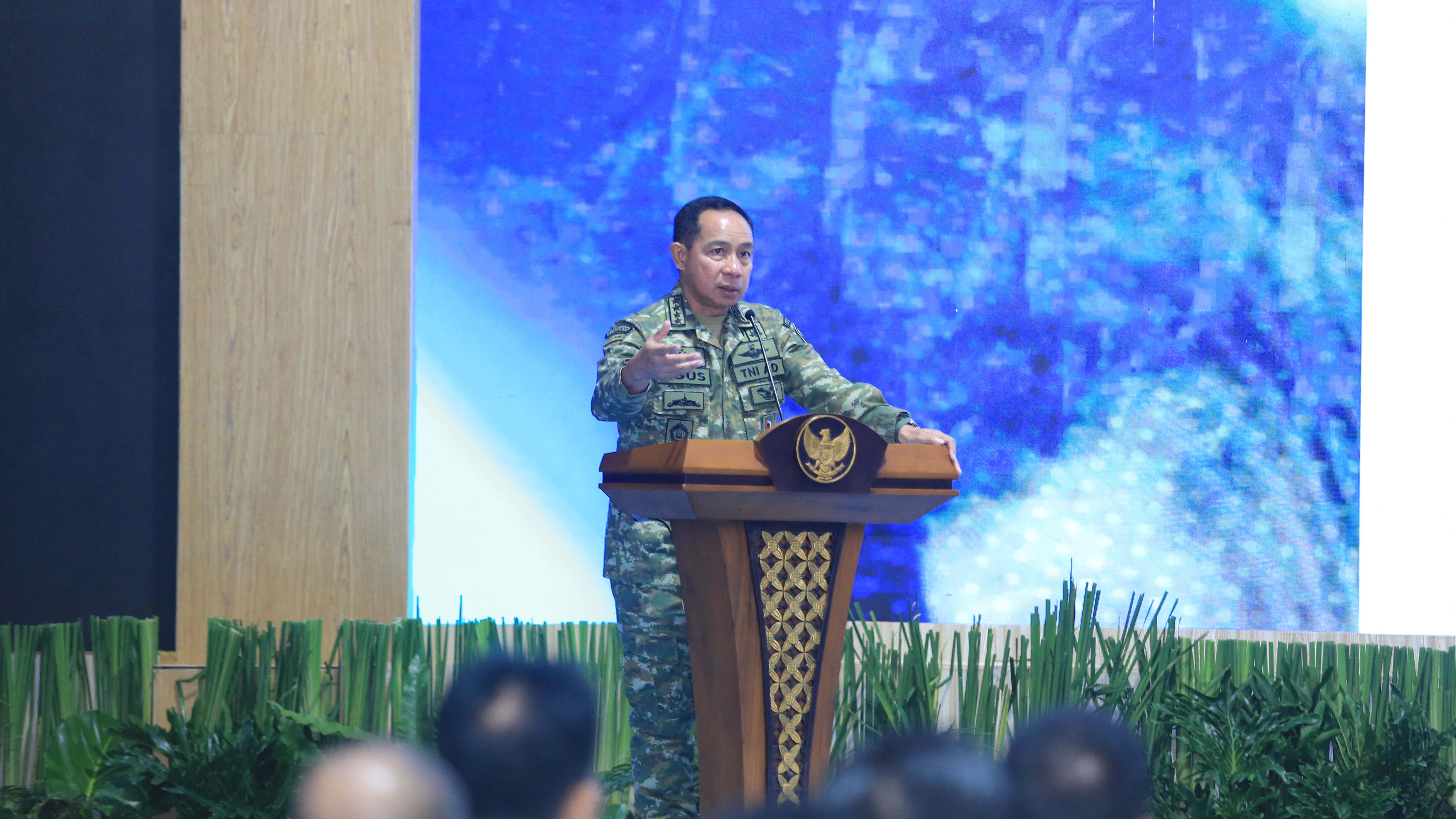
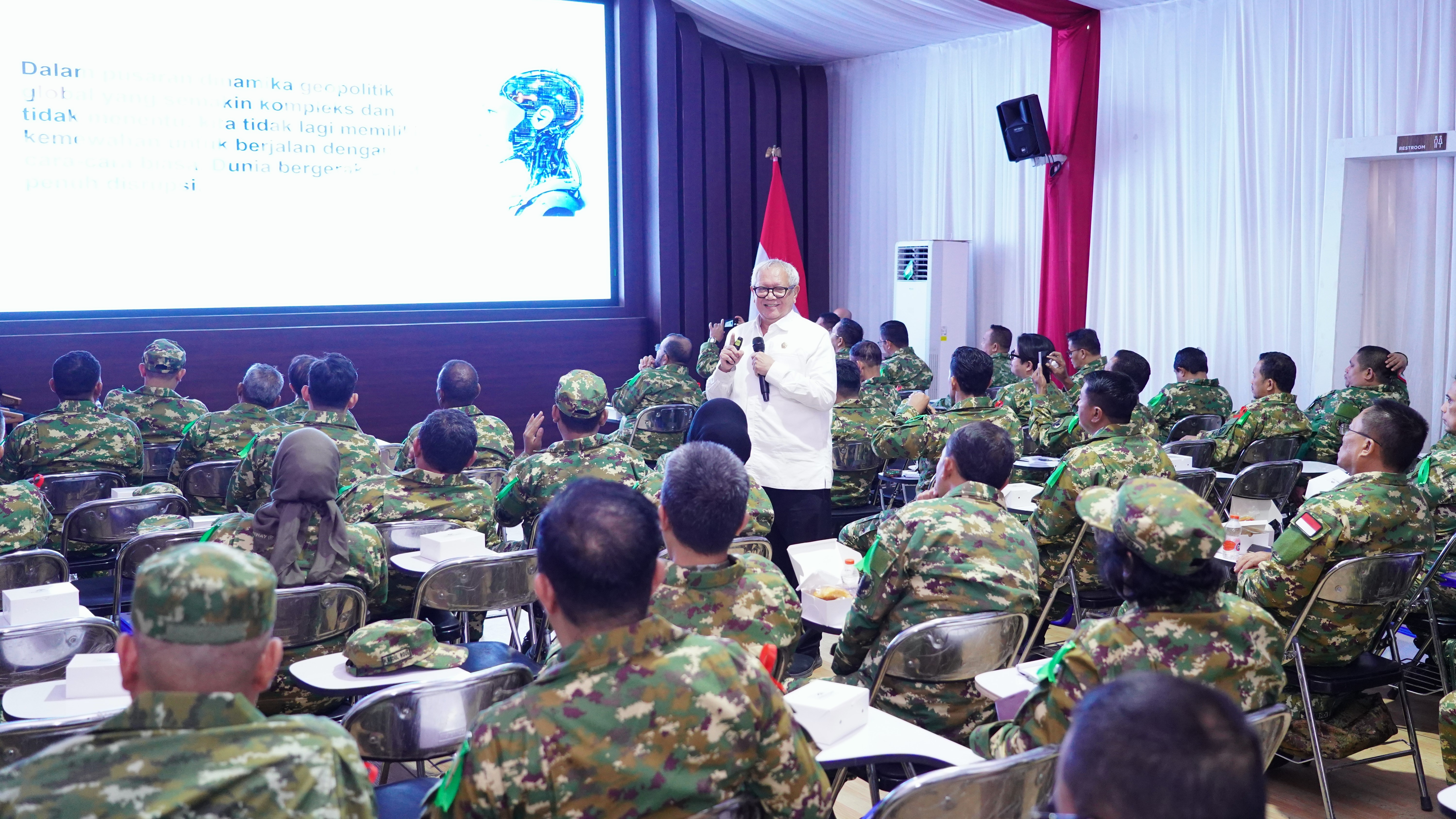
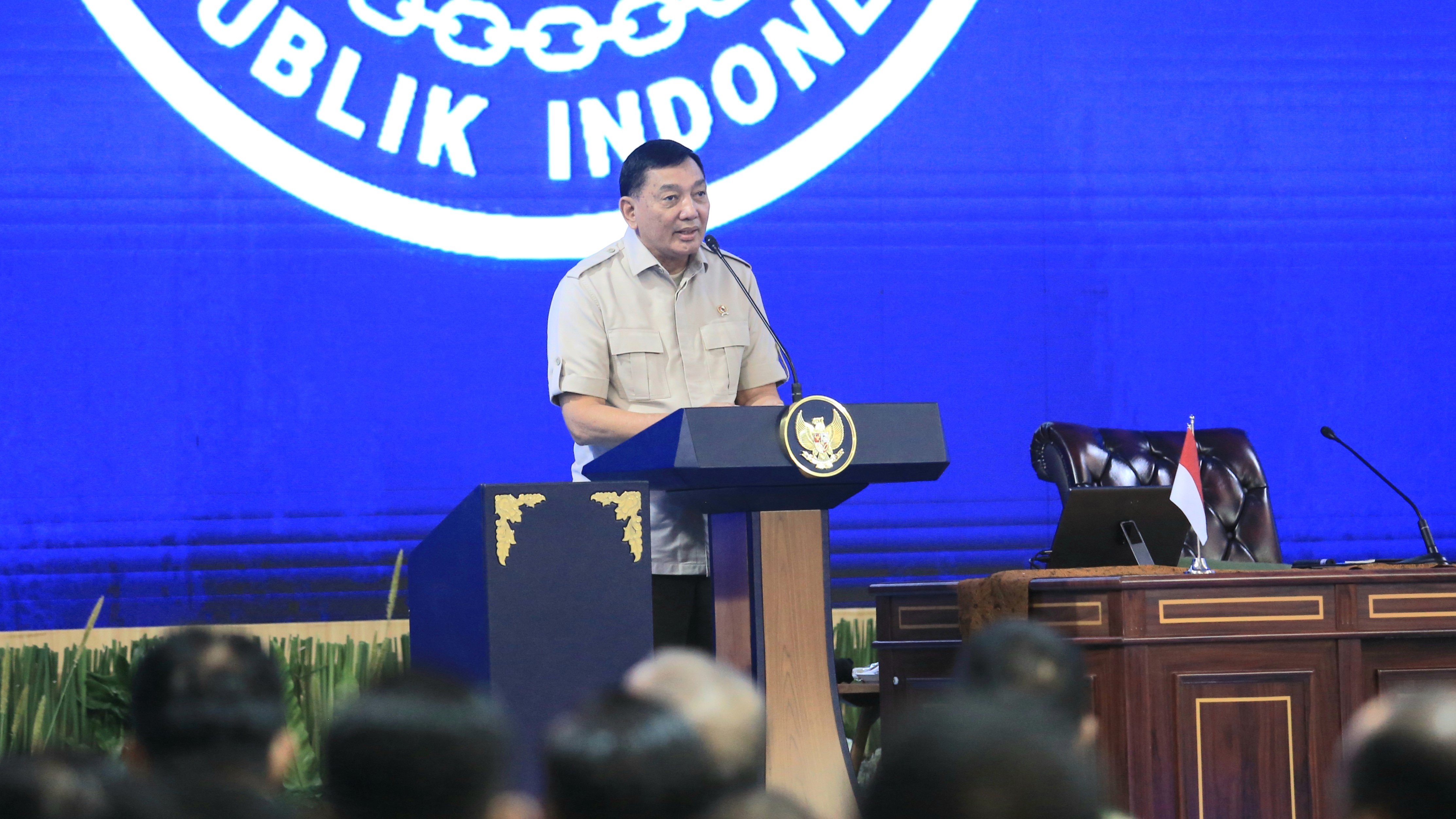
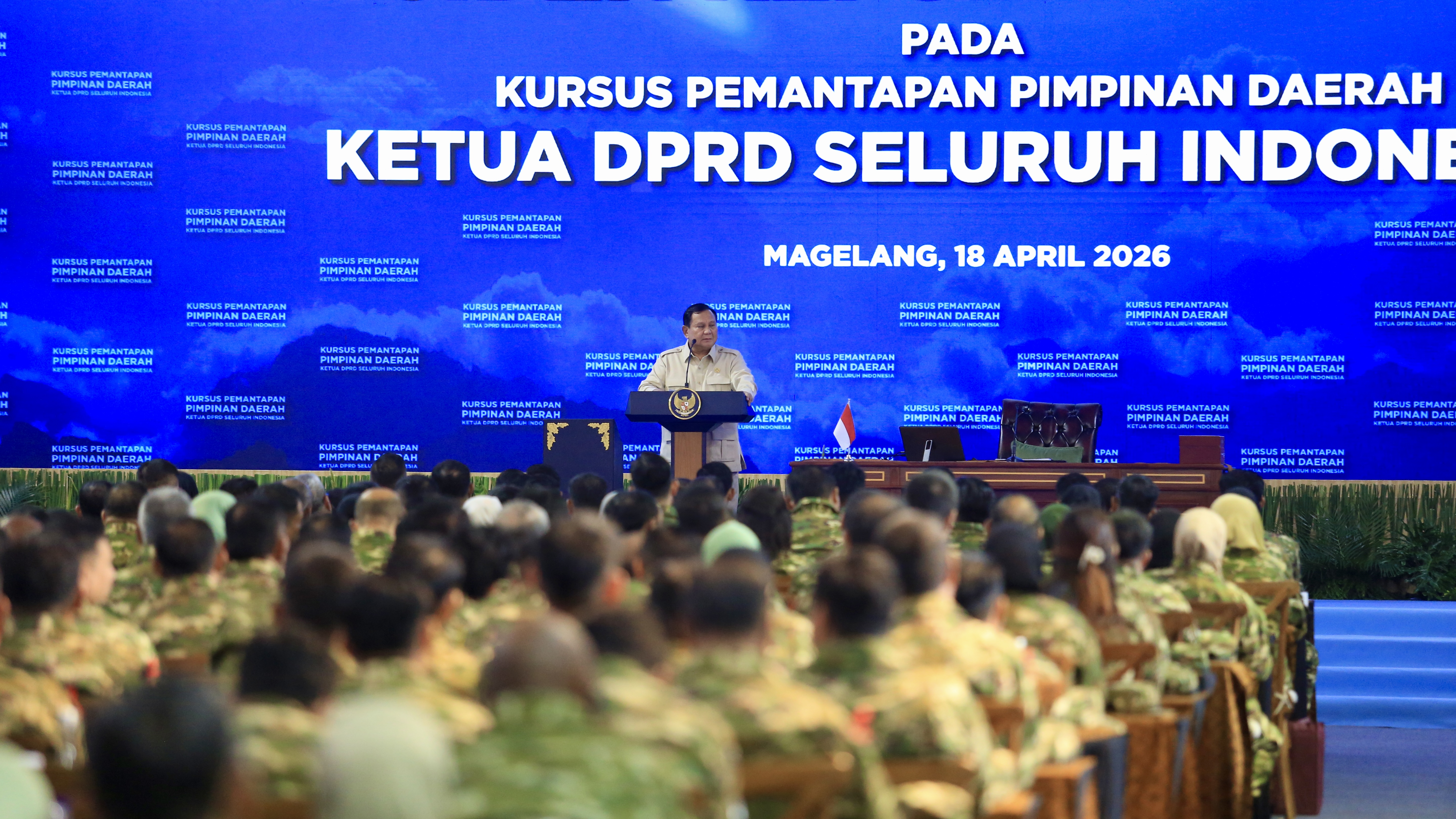
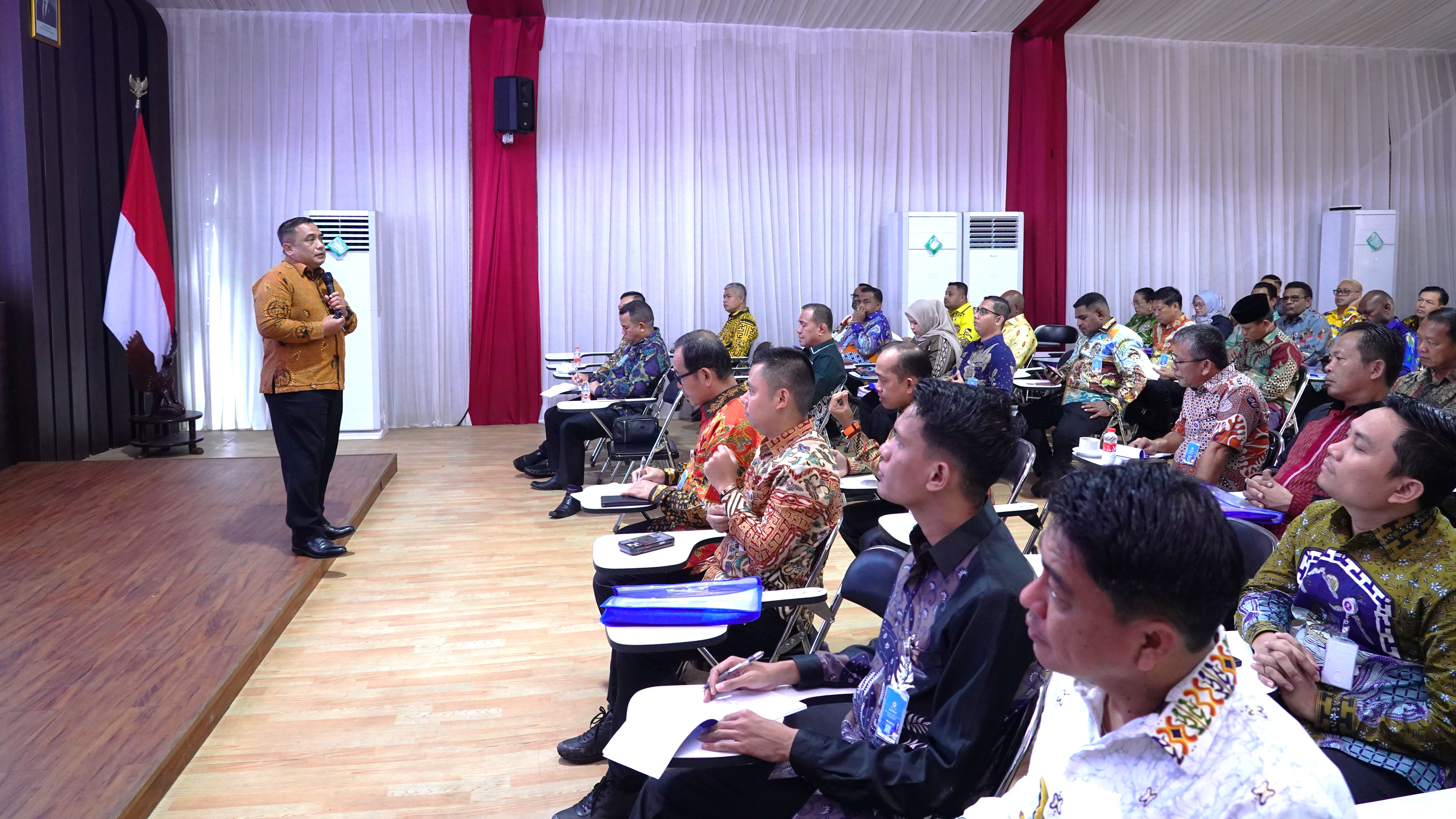
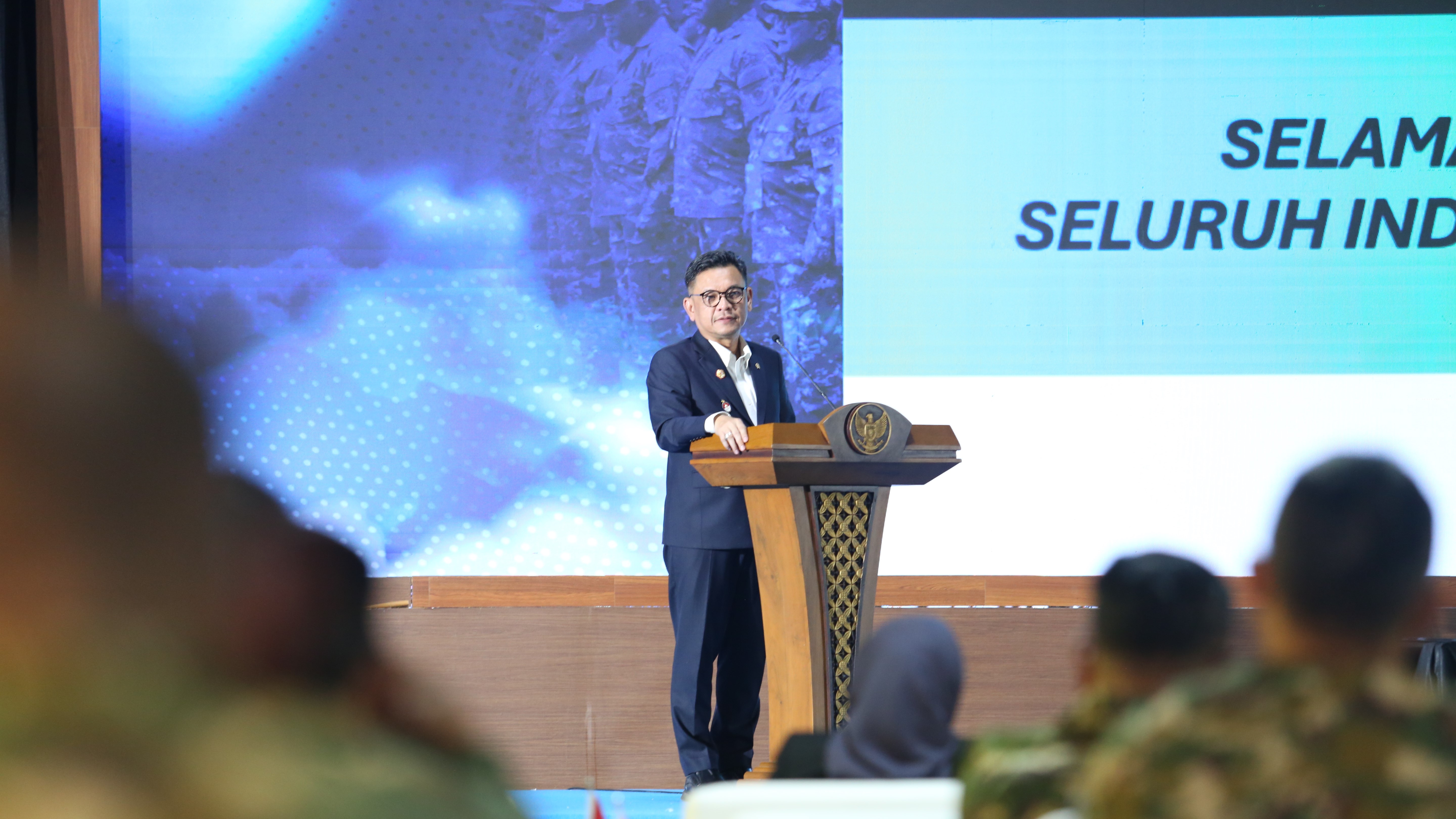
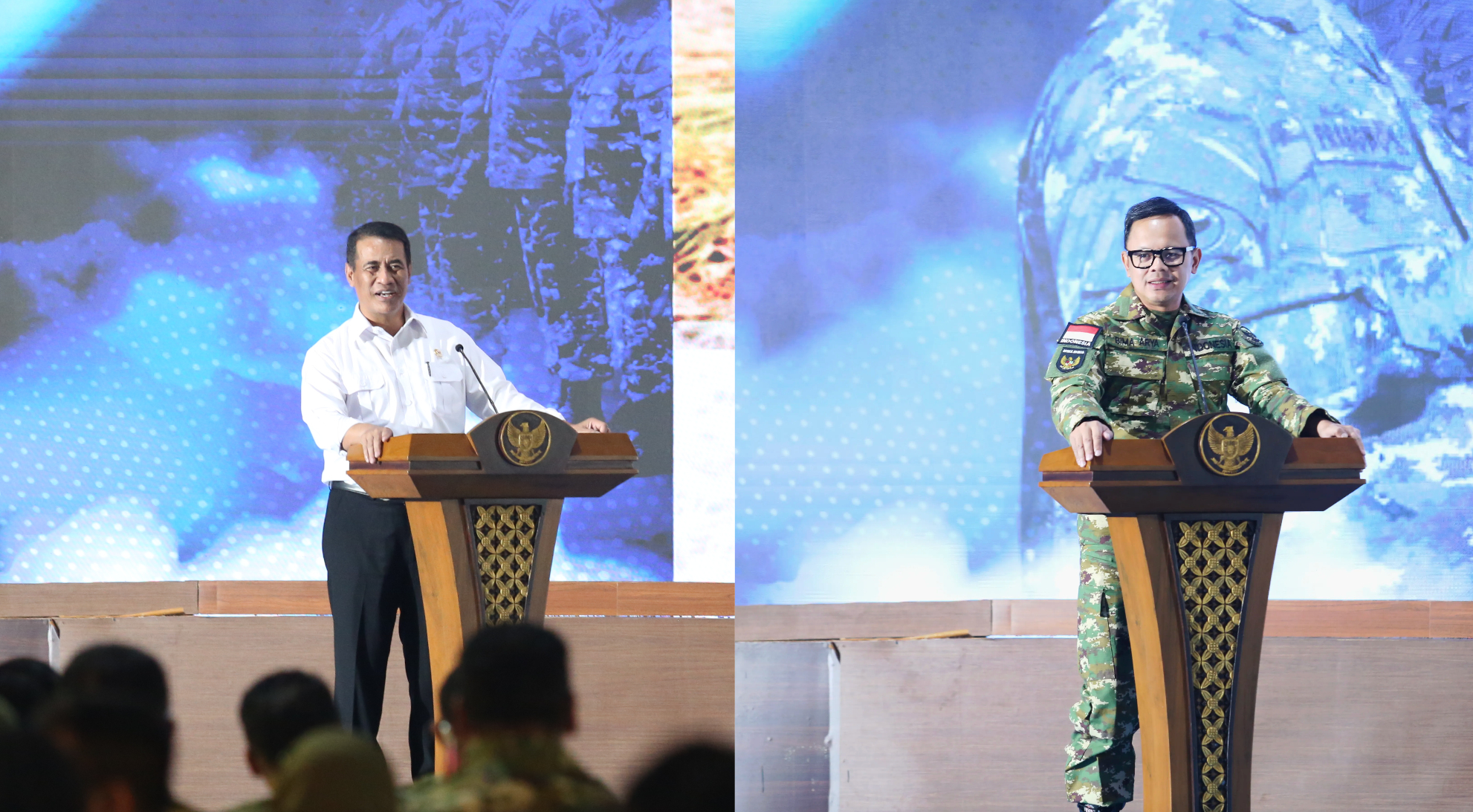
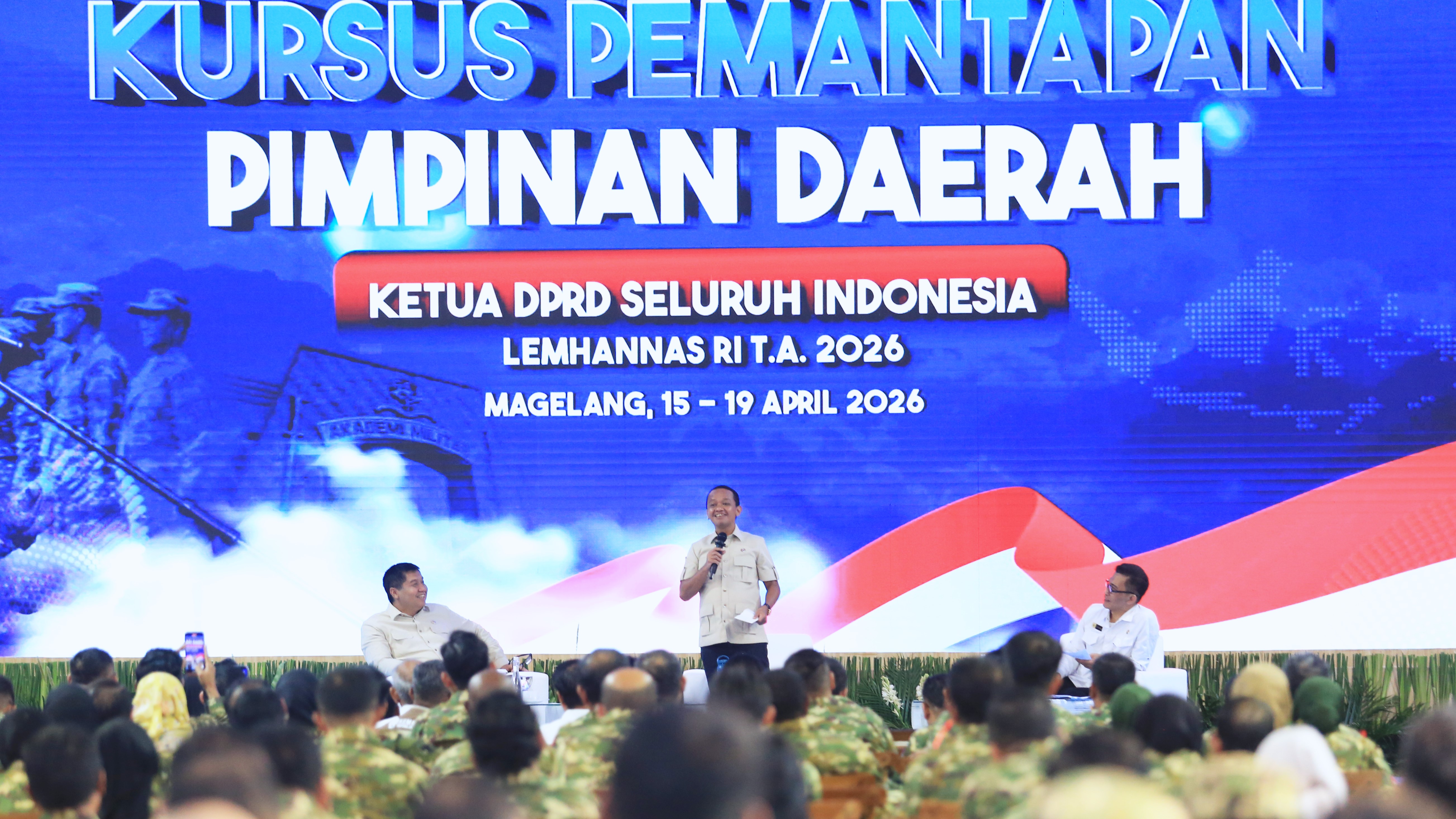
Lemhannas RI invited Energy and Mineral Resources Minister Bahlil Lahadalia and Housing and Settlements Minister Maruarar Sirait to deliver a briefing to participants of the Regional Leadership Strengthening Course (KPPD) for Regional Legislative Council speakers from across Indonesia at the Akademi Militer (Akmil) on Saturday (4/18). The session focused on strategic policies in the energy and housing sectors as part of broader efforts to support national development. Indonesia is currently facing a significant gap between fuel consumption and production. Bahlil explained that national fuel consumption has reached 1.6 million barrels per day, while domestic production stands at only around 600,000 barrels per day. In addition, reliance on energy imports remains a key challenge for the government. Therefore, Bahlil stressed that achieving energy self-sufficiency has become a top government priority amid global dynamics affecting national economic stability. To this end, the Energy and Mineral Resources Ministry is implementing three main strategies: increasing lifting through Enhanced Oil Recovery (EOR) technology, accelerating production from wells that have completed exploration but are not yet operational, and encouraging exploration of new blocks. In line with this, downstreaming has also become a crucial strategy to increase the added value of natural resources. Through this approach, the government aims not only to reduce dependence on raw-material exports but also to promote domestic industrial growth and job creation. “Energy sovereignty is part of the President’s Asta Cita agenda. This program includes food sovereignty and energy sovereignty, and in our case, in addition to managing energy, we are also responsible for downstreaming,” Bahlil said. However, Bahlil noted that supplies of subsidized fuel and LPG are expected to remain secure through the end of 2026. On the other hand, the housing sector has also become a government priority in improving public welfare. The high housing backlog highlights the need for comprehensive policy intervention, both in terms of housing provision and easier access to home ownership for low-income communities. Maruarar stated that, for the first time, the government has opened access to subsidized housing loans (KPR) for informal workers, such as domestic helpers and pedicab drivers. The scheme follows the directive of President Prabowo Subianto, ensuring that not only salaried workers can access subsidized housing, but also allowing applications based on proof of income rather than payslips. “BPHTB [land and building acquisition duty] is now free. President Prabowo has introduced this policy, granting BPHTB exemptions for low-income citizens. Please ensure this is implemented in your respective regions. Building approval permits (PBG) are also free for low-income citizens,” Maruarar said. The policy forms part of the government’s efforts to accelerate housing development programs, including through fiscal incentives, simplified licensing, and financing support such as the Housing Financing Liquidity Facility (FLPP) and Self-Help Housing Stimulus Assistance (BSPS). The involvement of multiple stakeholders, including the private sector, is also expected to strengthen broader and more equitable implementation of housing programs. Taken together, the energy and housing sectors are closely interconnected in supporting national development. Energy resilience serves as the foundation for sustained economic activity, while adequate housing directly improves people’s quality of life. As such, integrated policy in these two sectors is key to achieving national resilience and sustainable public welfare. (MA/SF/MDF) |