KPPD Features Lemhannas RI’s Professionals to Strengthen National Identity of DPRD Leaders Nationwide
News & Article Friday, 17 April 2026, 18:00
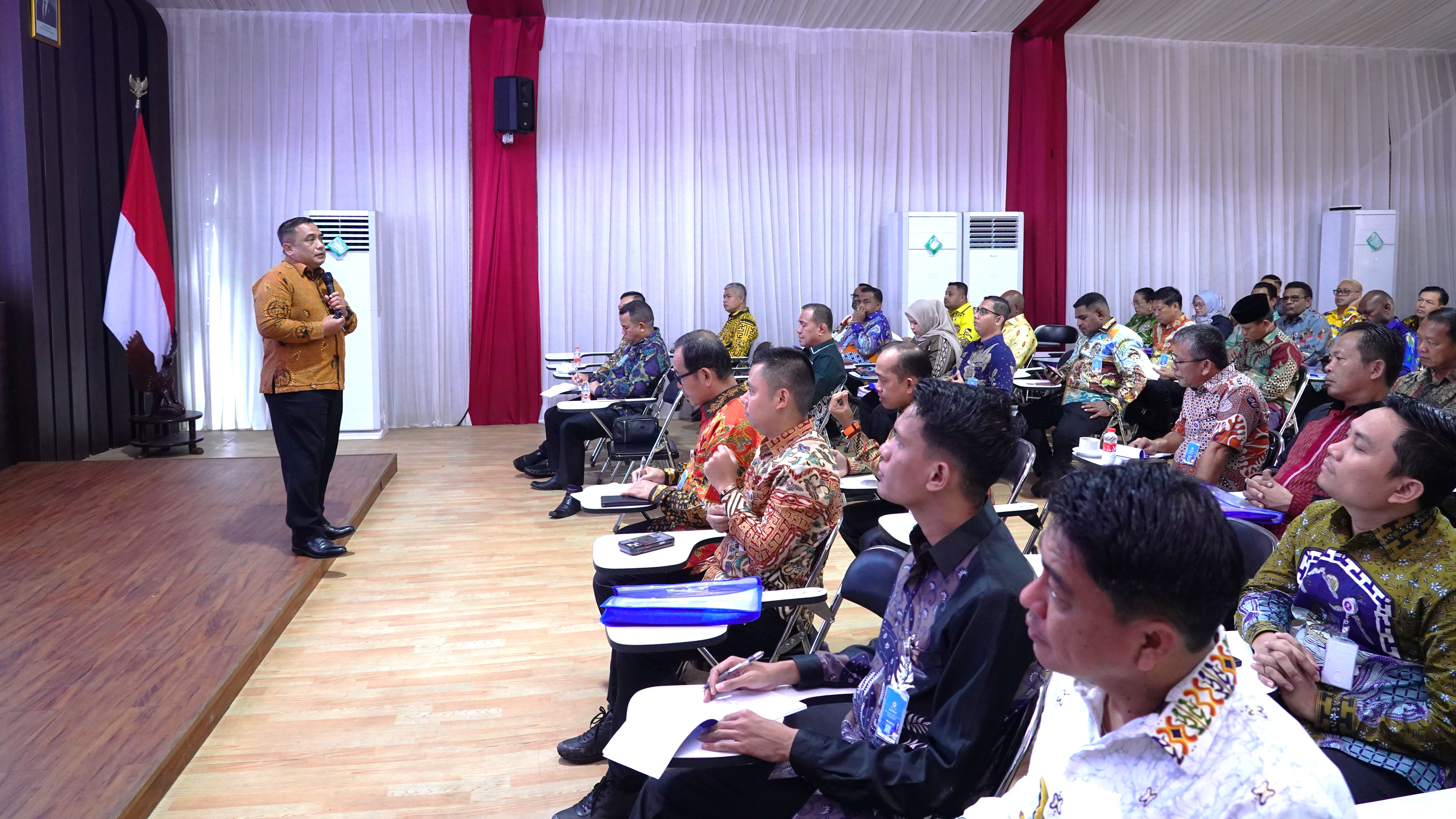
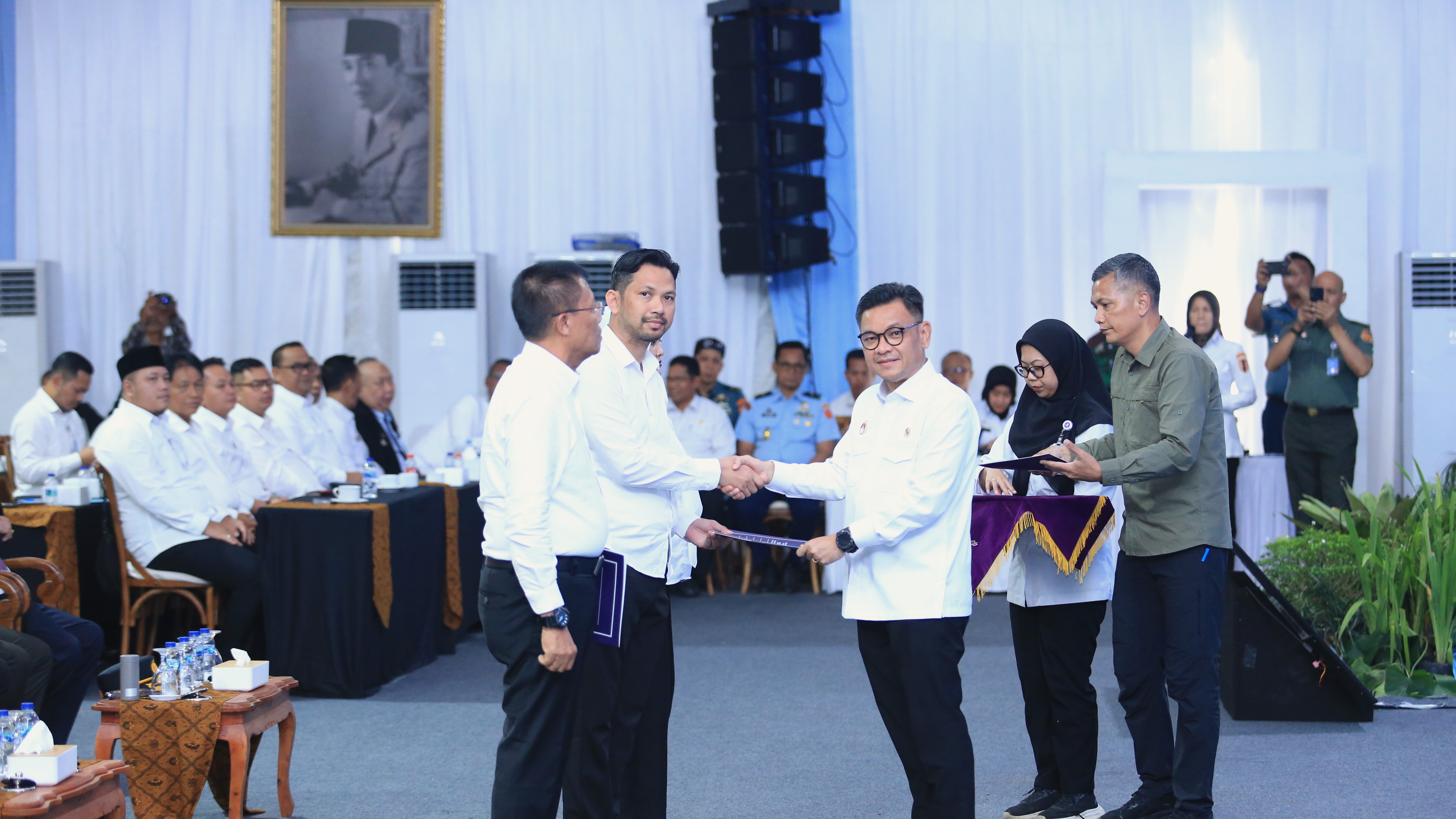
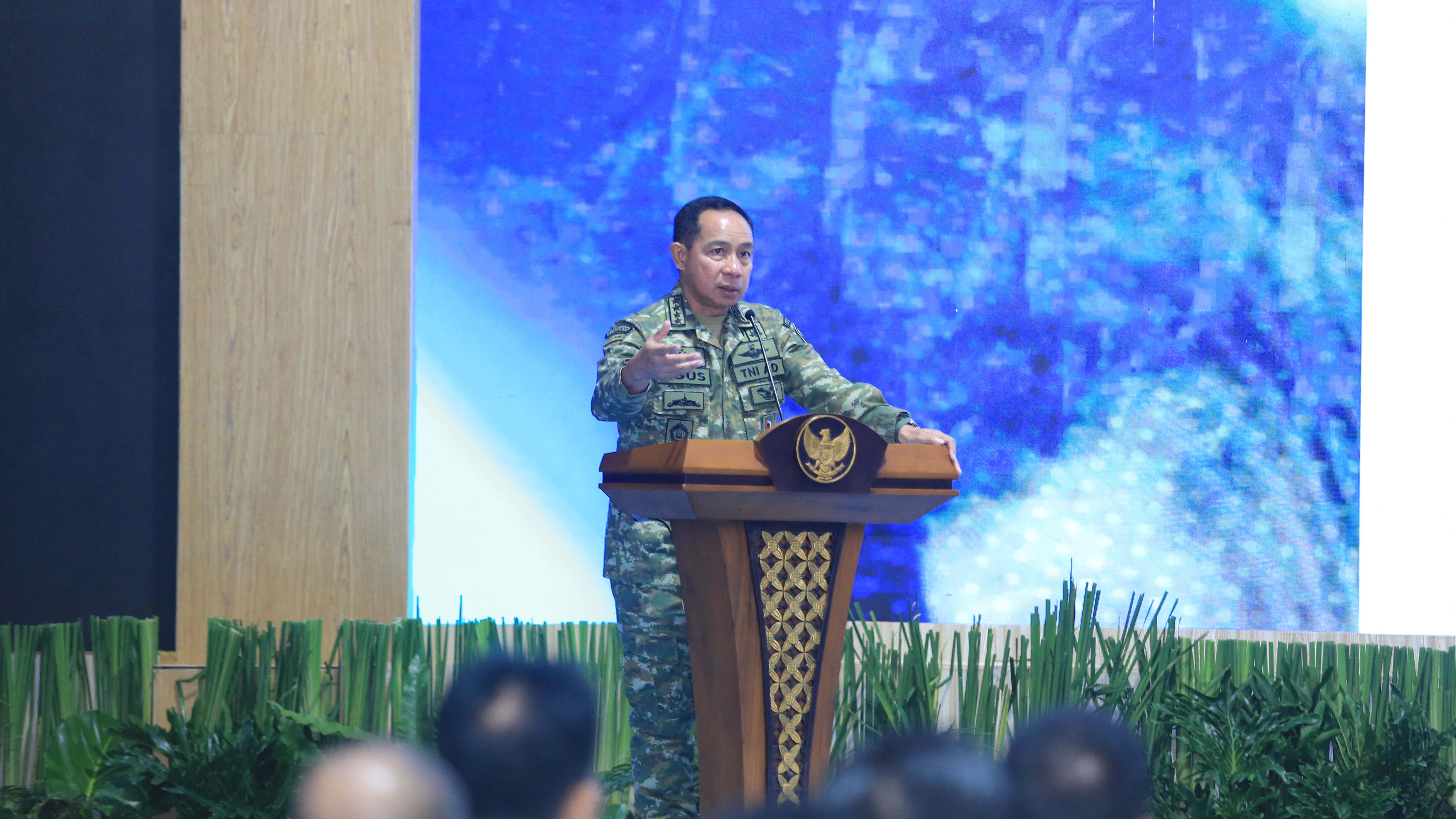
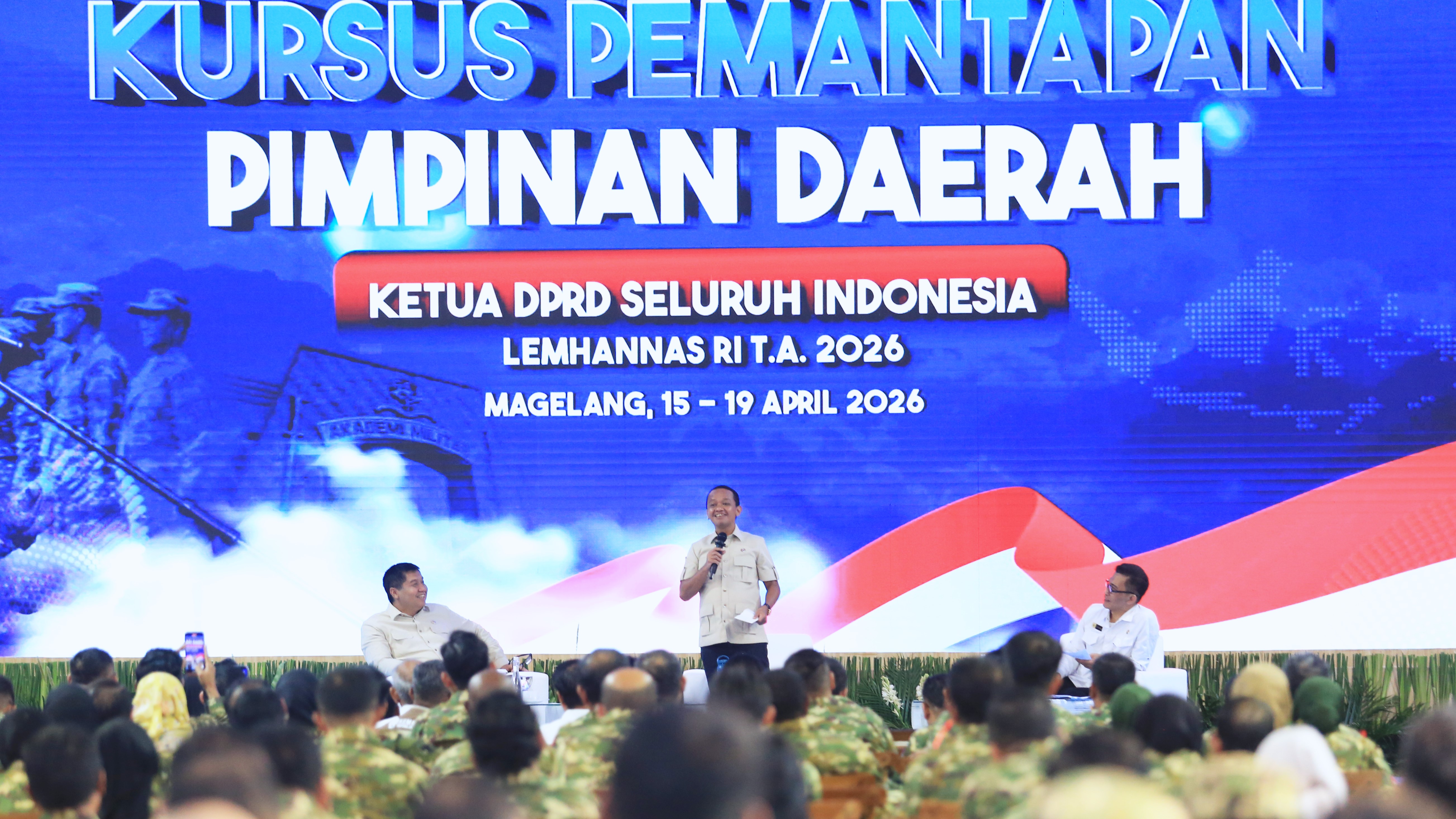
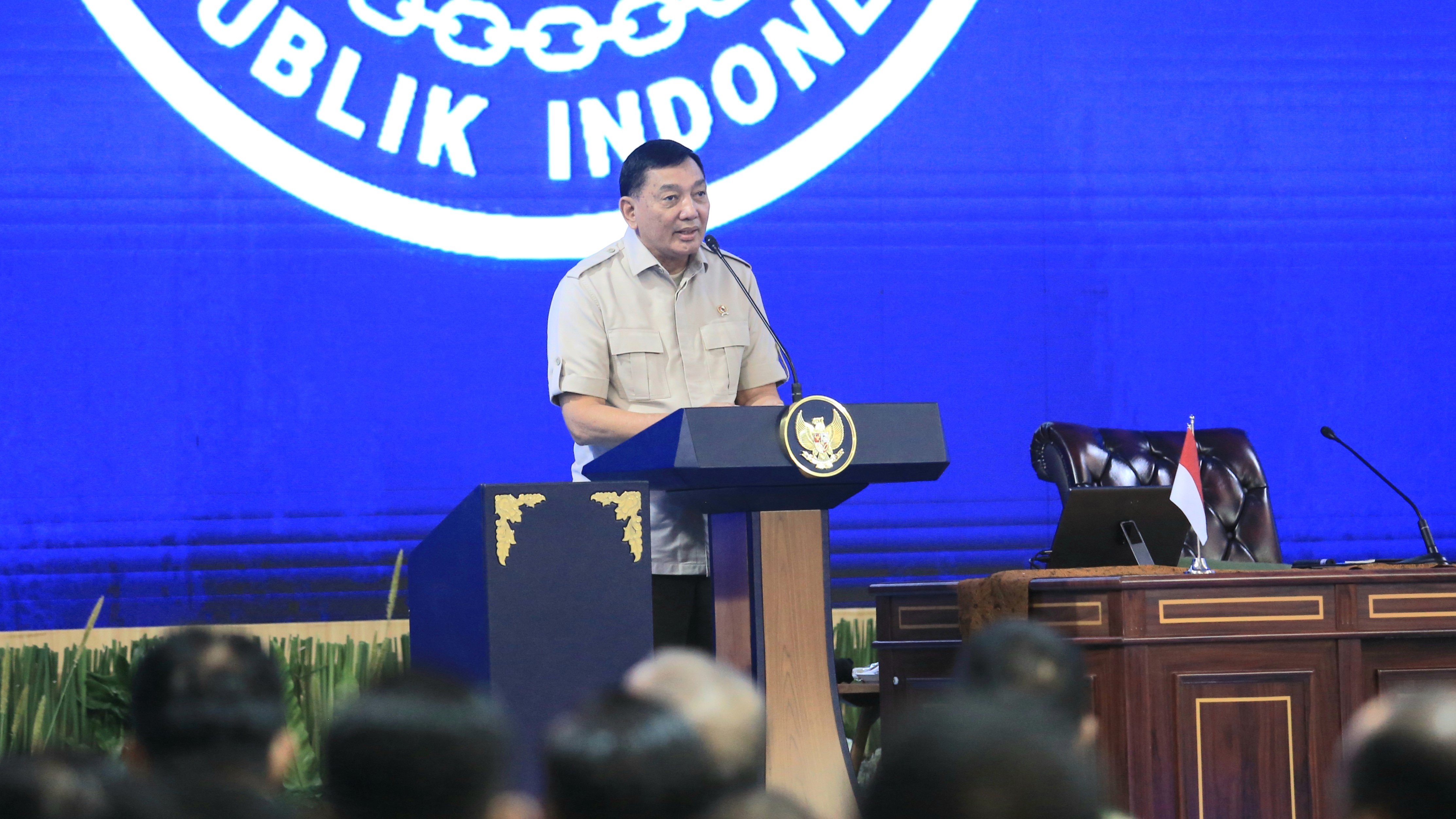
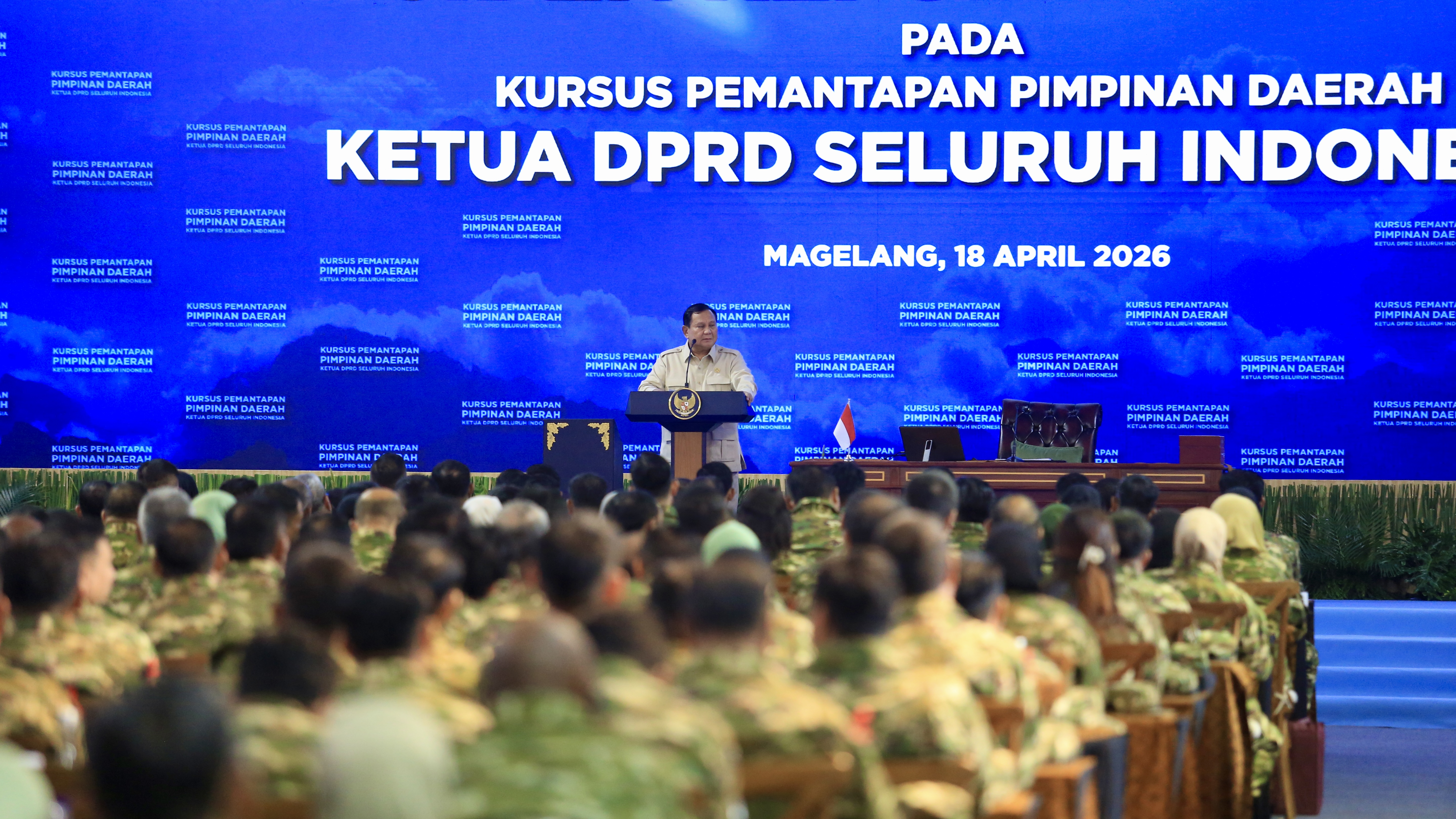
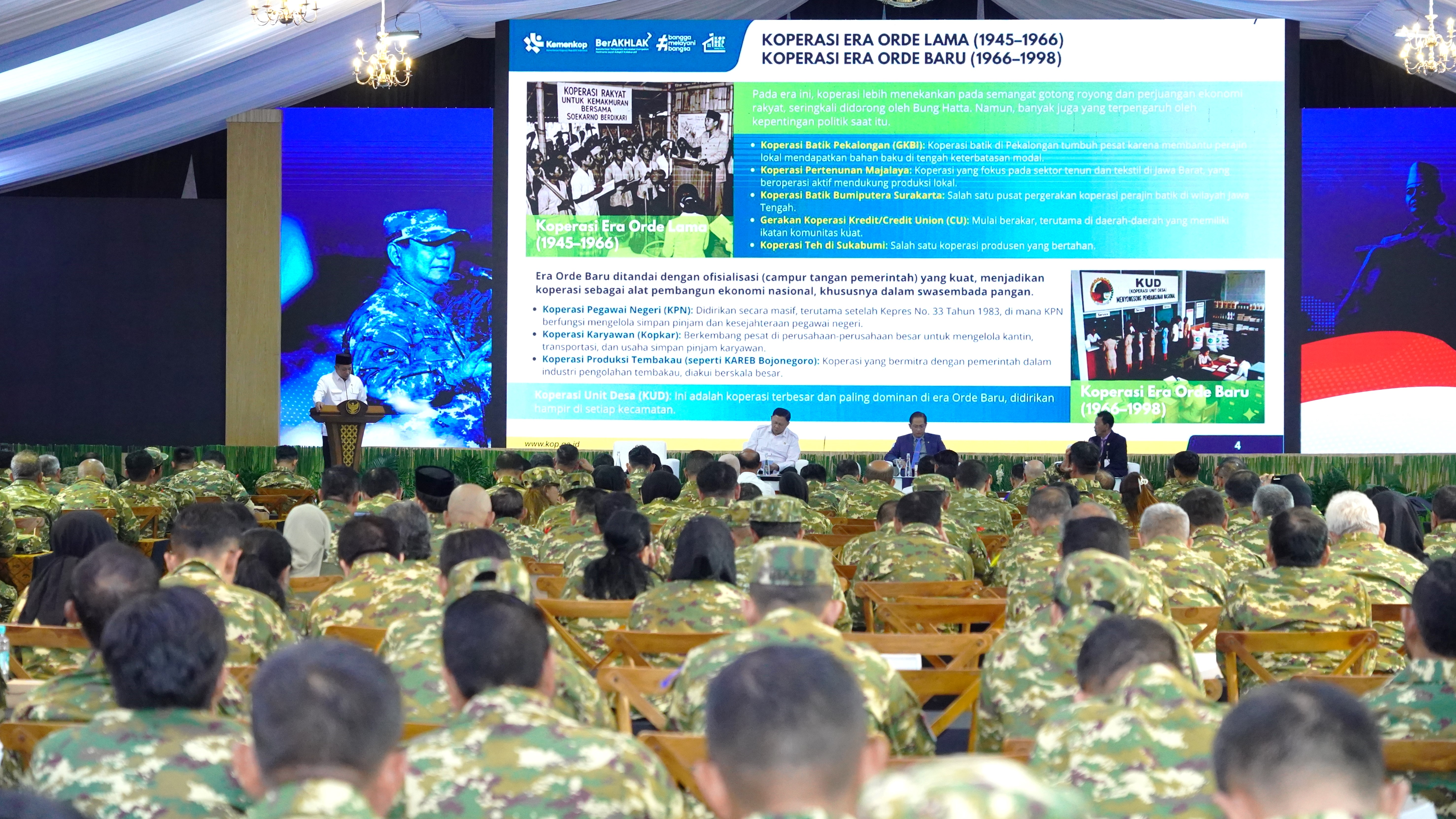
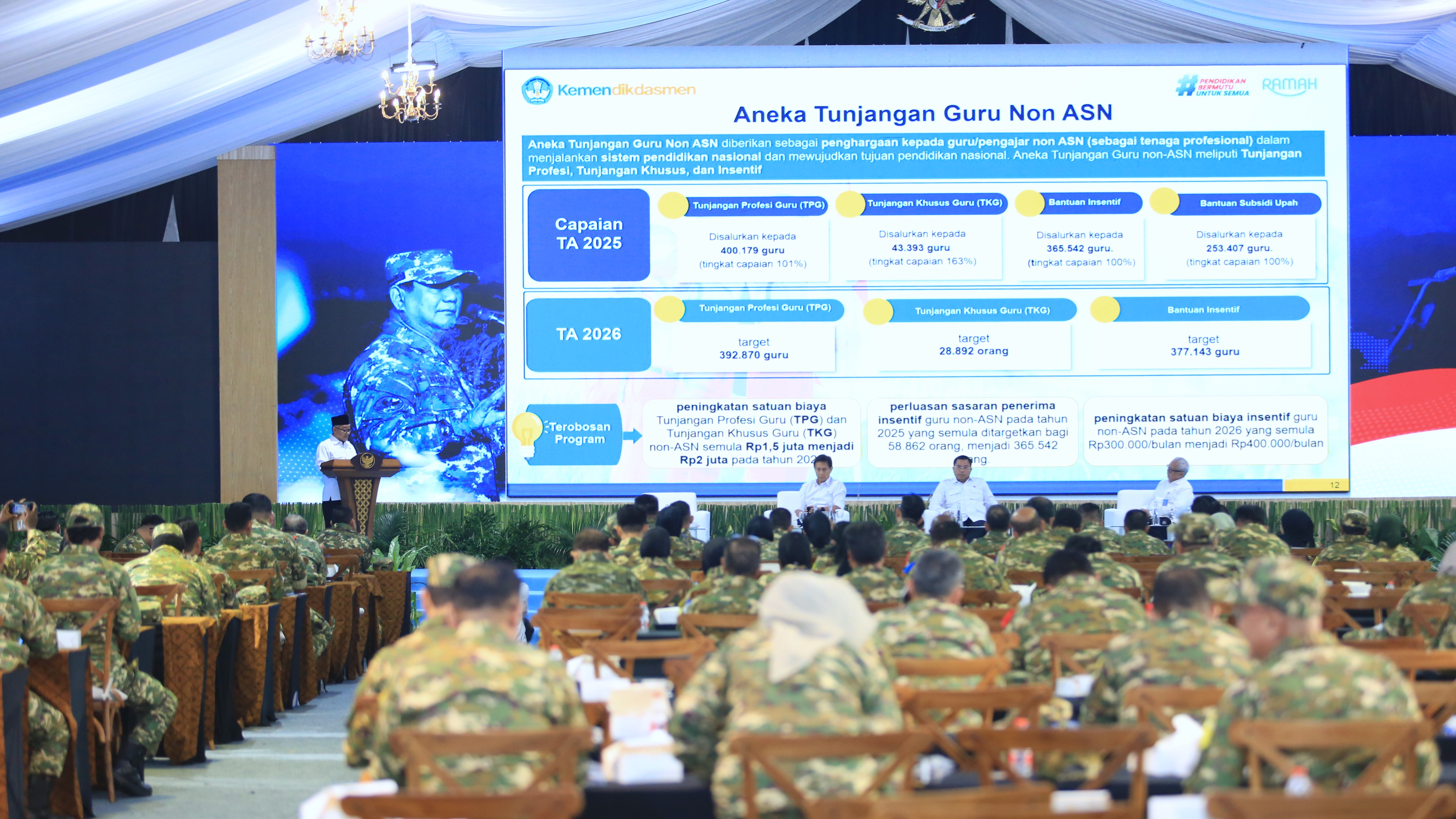
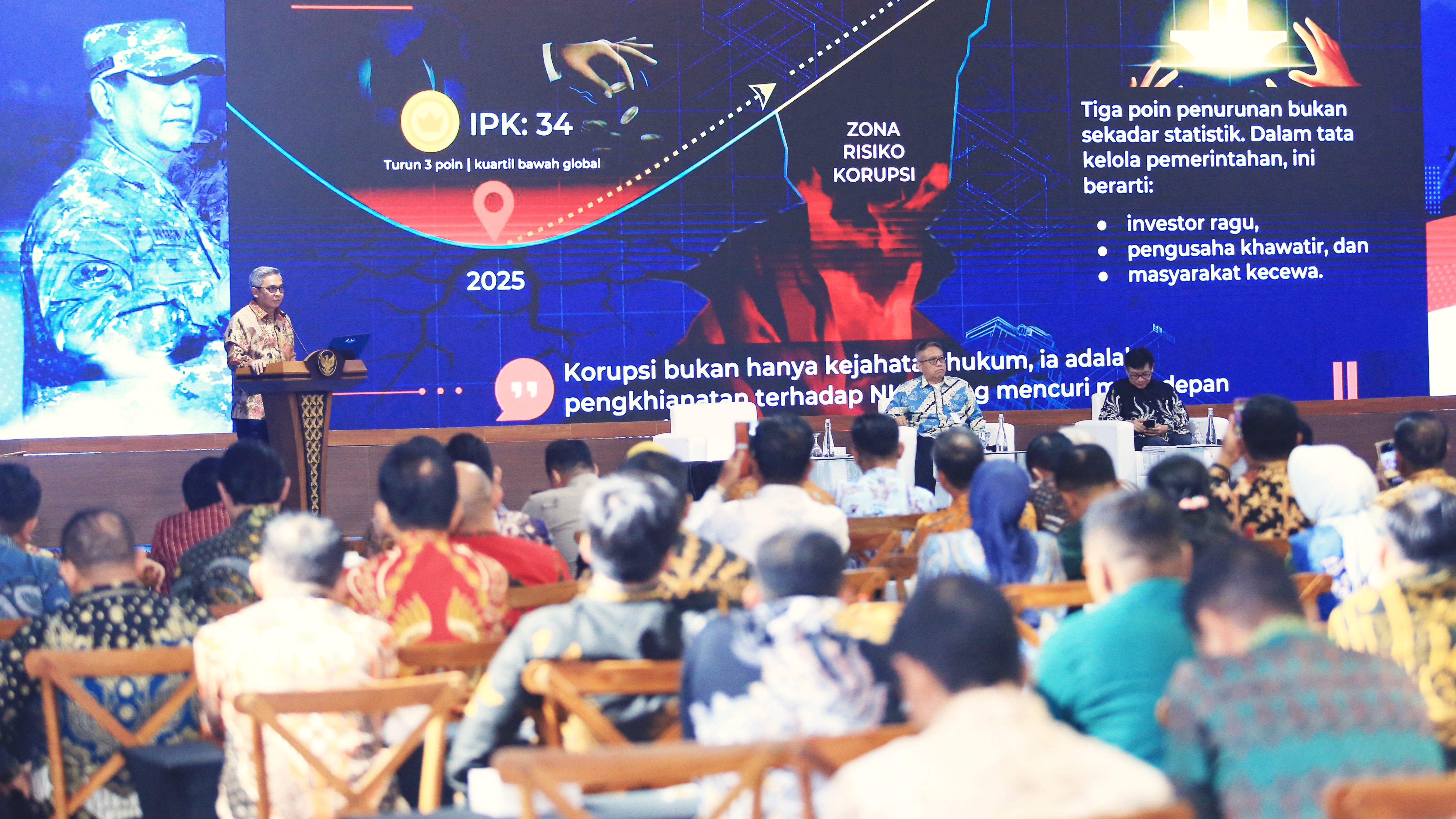
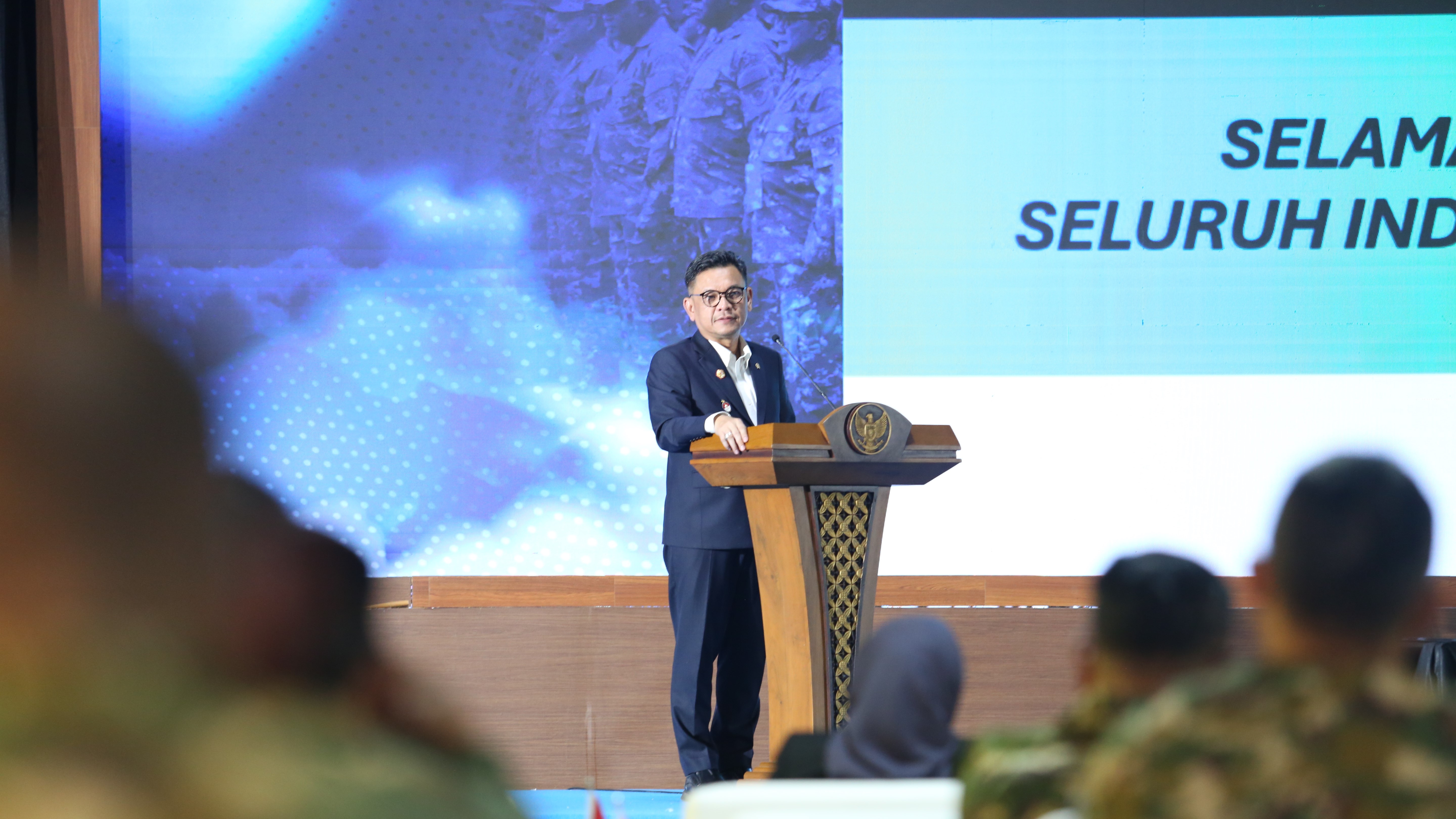
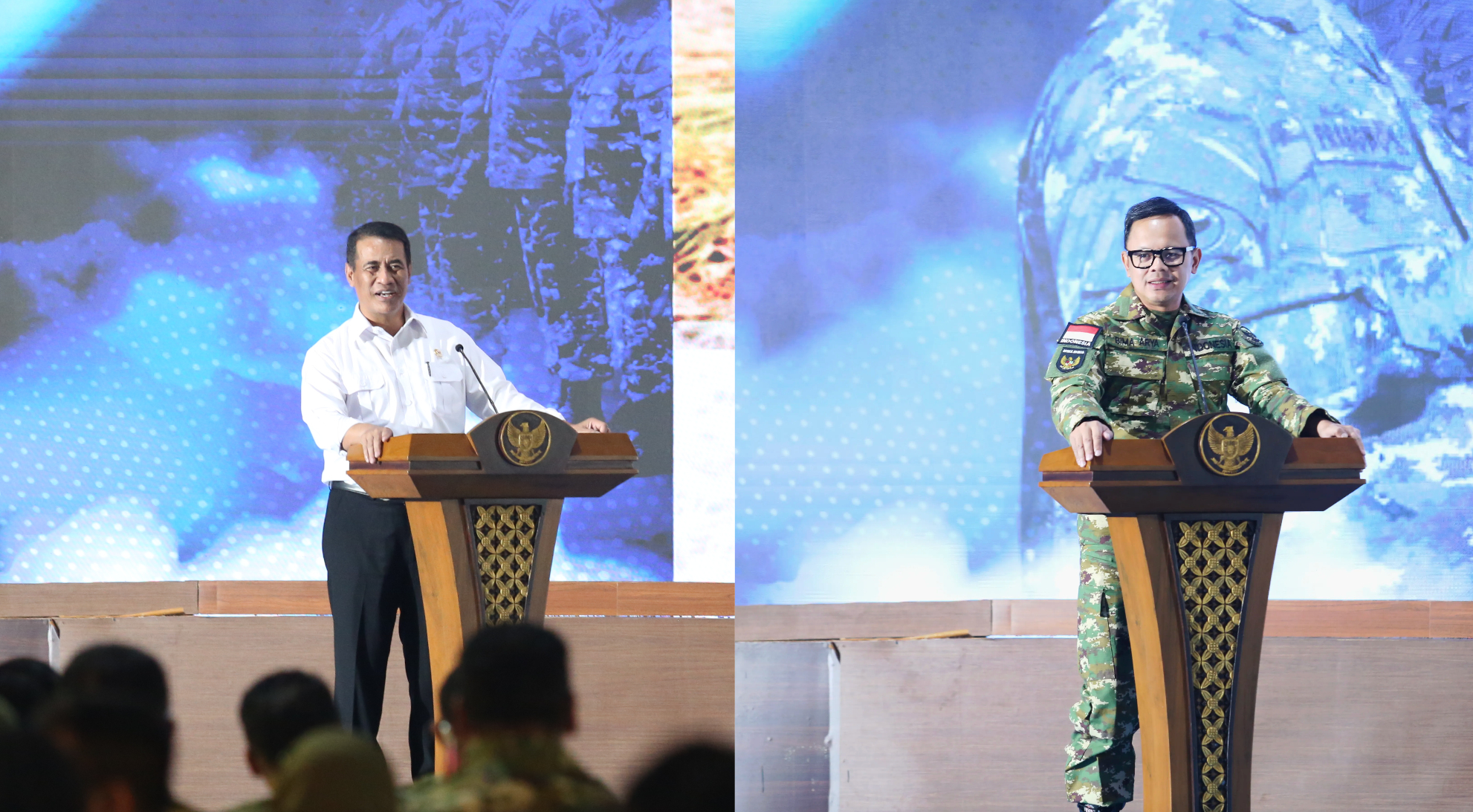
Lemhannas RI is holding the 2026 Regional Leadership Strengthening Course (KPPD) for Chairpersons of Regional Representative Councils (DPRD) across Indonesia at the Military Academy (Akmil) in Magelang from April 15–19, 2026.
The course prepares leaders of the DPRDs from all provinces, regencies, and cities in Indonesia with the four core values of nationalism: Pancasila as a moral compass, the 1945 Constitution as a constitutional foundation, Bhinneka Tunggal Ika as a unifying principle, and the re-actualization of national values to strengthen the Unitary State of the Republic of Indonesia (NKRI) as a home for all citizens.
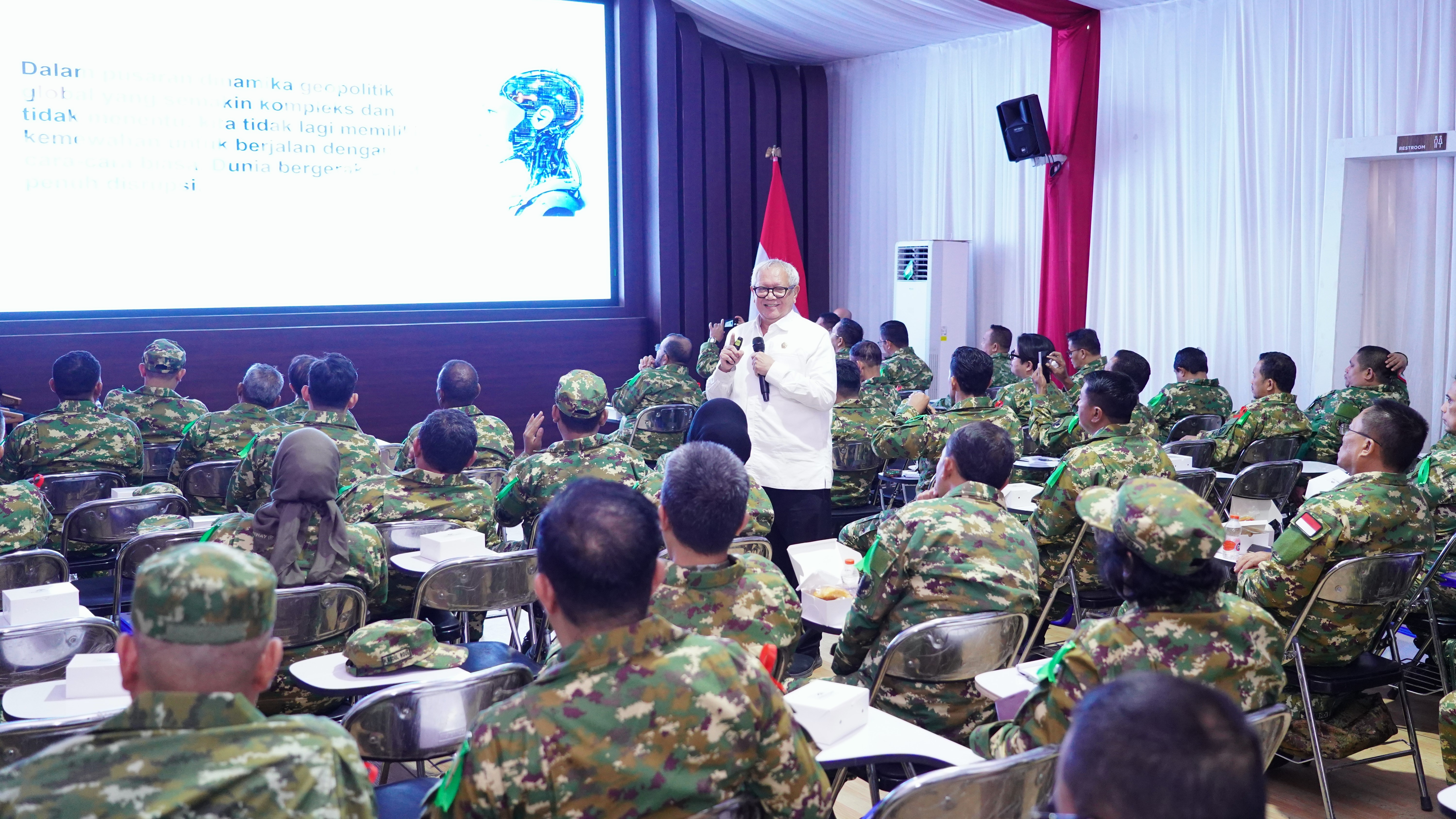
Lemhannas RI’s professional expert on ideology, Major General (Ret.) Muhamad Nasir Madjid, S.E., delivered a lecture entitled “Pancasila as a Moral Compass in Navigating the Dynamics of National and State Life.” He emphasized that a leader’s moral compass strengthens their belief in the values of Pancasil and serves as a filter against influences that could undermine the nation’s identity. Without a strong moral compass, leaders act according to their desires without considering society’s, the nation’s, and the state’s interests.
Madjid identified four roles of Pancasila as the moral foundation of regional leadership: safeguarding values against the influences of the era of disruption, serving as a moral compass for development oriented toward welfare, acting as a pillar of unity amid diversity, and serving as a code of conduct for honest, fair, and responsible leaders. Meanwhile, the values of Pancasila in the context of legislative leadership are elaborated into six dimensions: morals, ethics, integrity, character, commitment, and competence.
Furthermore, Andrea Hynan Poeloengan, S.H., M.Hum., MTCP, a legal and human rights professional expert at Lemhannas RI, outlined the history of the Indonesian constitution. It began with its enactment on August 18, 1945. Then, it moved on to the era of the RIS Constitution and the 1950 Interim Constitution. Finally, it returned to the 1945 Constitution through the Presidential Decree of July 5, 1959. There were also four amendments during the 1999–2002 period.
He emphasized a key fact regarding Article 1, Paragraph 1 of the 1945 Constitution of the Republic of Indonesia: Indonesia is a unitary republic. This provision has never been amended throughout the entire constitutional amendment process. This reflects the nation’s unwavering resolve regarding the definitive form of the state.
In his presentation, Andrea introduced the concept of the nation’s foundational consensus, resting on four pillars: Pancasila as the foundational ideology and source of all laws, the Unitary State of the Republic of Indonesia (NKRI) as the unifying framework for the archipelago, the 1945 Constitution of the Republic of Indonesia as the supreme constitution guaranteeing citizens’ rights, and Bhinneka Tunggal Ika as the motto acknowledging diversity within unity. He noted that effective communication of the constitutional substance to the public requires legislative leadership of the DPRD.
The discussion continued with “Bhinneka Tunggal Ika,” presented by Dr. Tantri Relatami, S.Sos., M.I.Kom., CRP, a professional expert at Lemhannas RI. She explained that Bhinneka Tunggal Ika, rooted in the 14th-century Palapa Inscription, has evolved from a motto of religious tolerance into a broader social philosophy encompassing equality, respect for differences, and collective responsibility. It now serves as a tool for interpreting identity conflicts and fostering social cohesion within an increasingly pluralistic society.
She identified four factors that could trigger social disintegration, which regional leaders should be aware of, including the erosion of collective identity and social trust; disruption of social order due to mass migration; vulnerability to transnational ideologies and radicalism; and threats to the integration of the archipelagic concept. She also noted four socio-cultural factors that can drive successful development, including trust-based social capital, a culture of cooperation, responsive local leadership, and local wisdom that fosters regional competitive advantages.
The fourth session of the course focuses on the Unitary State of the Republic of Indonesia (NKRI) and is presented by Lemhannas RI’s professional expert on ideology, Major General (Ret.) Supriyatna, S.I.P., M.M. The title of his presentation is “Reactualizing National Values Toward Indonesia Emas 2045.”
He emphasized that the NKRI must be regarded as a shared home for all Indonesians built on diversity. The NKRI, formulated by the nation’s founders at the 1945 BPUPKI Congress, is the final and binding national consensus, based on the principle that no single component of the nation has a greater claim to the NKRI.
Supriyatna explained that the Unitary State of the Republic of Indonesia (NKRI) is founded on three pillars of national values: first, national unity prioritizing the interests of the nation over personal and group interests; second, national solidarity encompassing social concern across ethnic, religious, and regional lines without discrimination; and third, cooperation considered the essence of Pancasila and the strongest form of social capital in inclusive national development. These three pillars are directly relevant to the daily functions of the Regional Representative Council (DPRD) leadership in cross-faction deliberations for the sake of the people’s interests.
In addition to materials on the four basic national consensuses, KPPD participants learned about national vigilance in the era of artificial intelligence, the strategic role of the DPRD in implementing Asta Cita, national insights, and leadership challenges in the era of technological disruption. (SP/MA/DA)