Lemhannas RI Strengthens National Identity and Shape Adaptive Regional Leaders Through KPPD
News & Article Saturday, 18 April 2026, 18:00
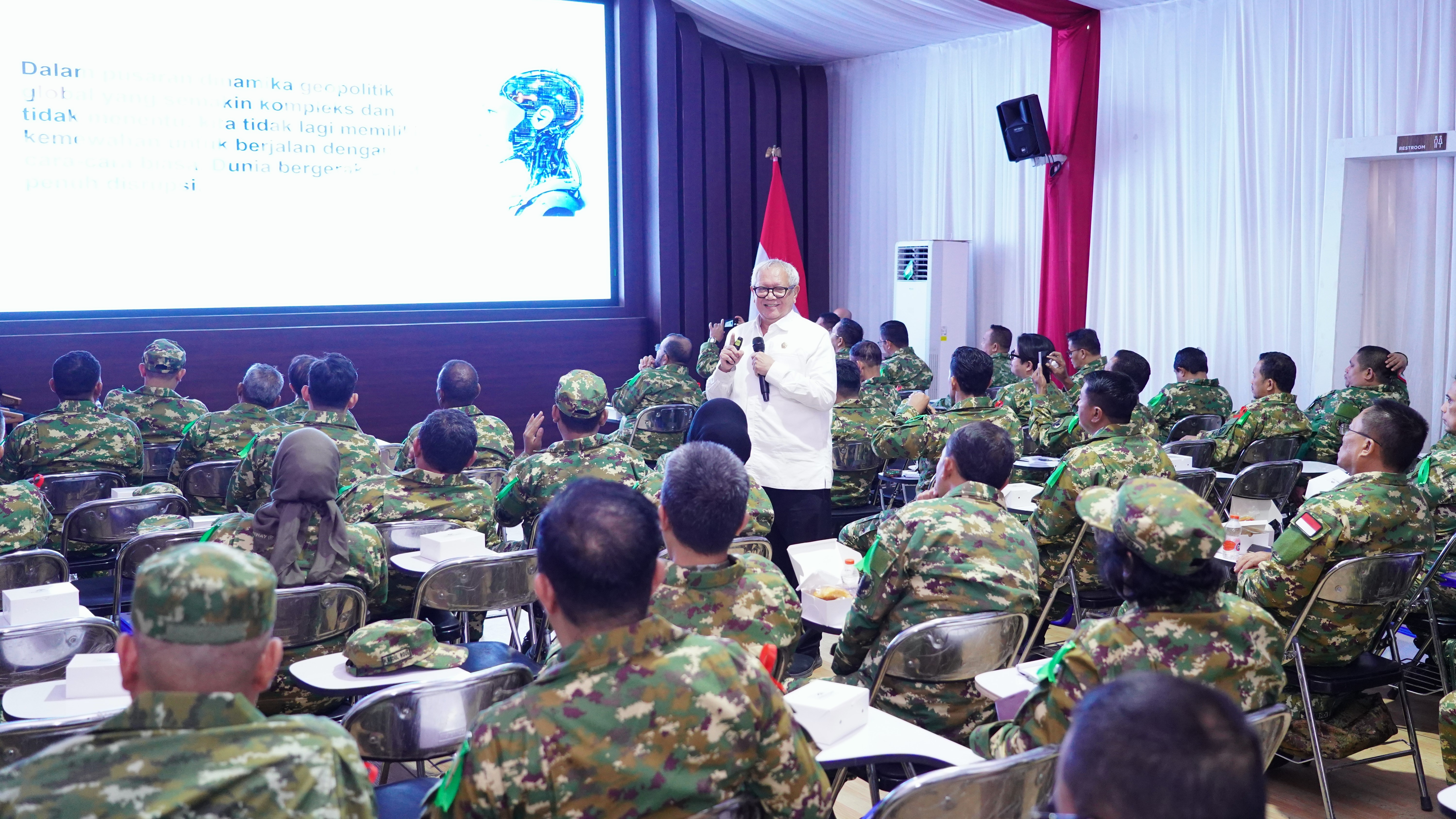
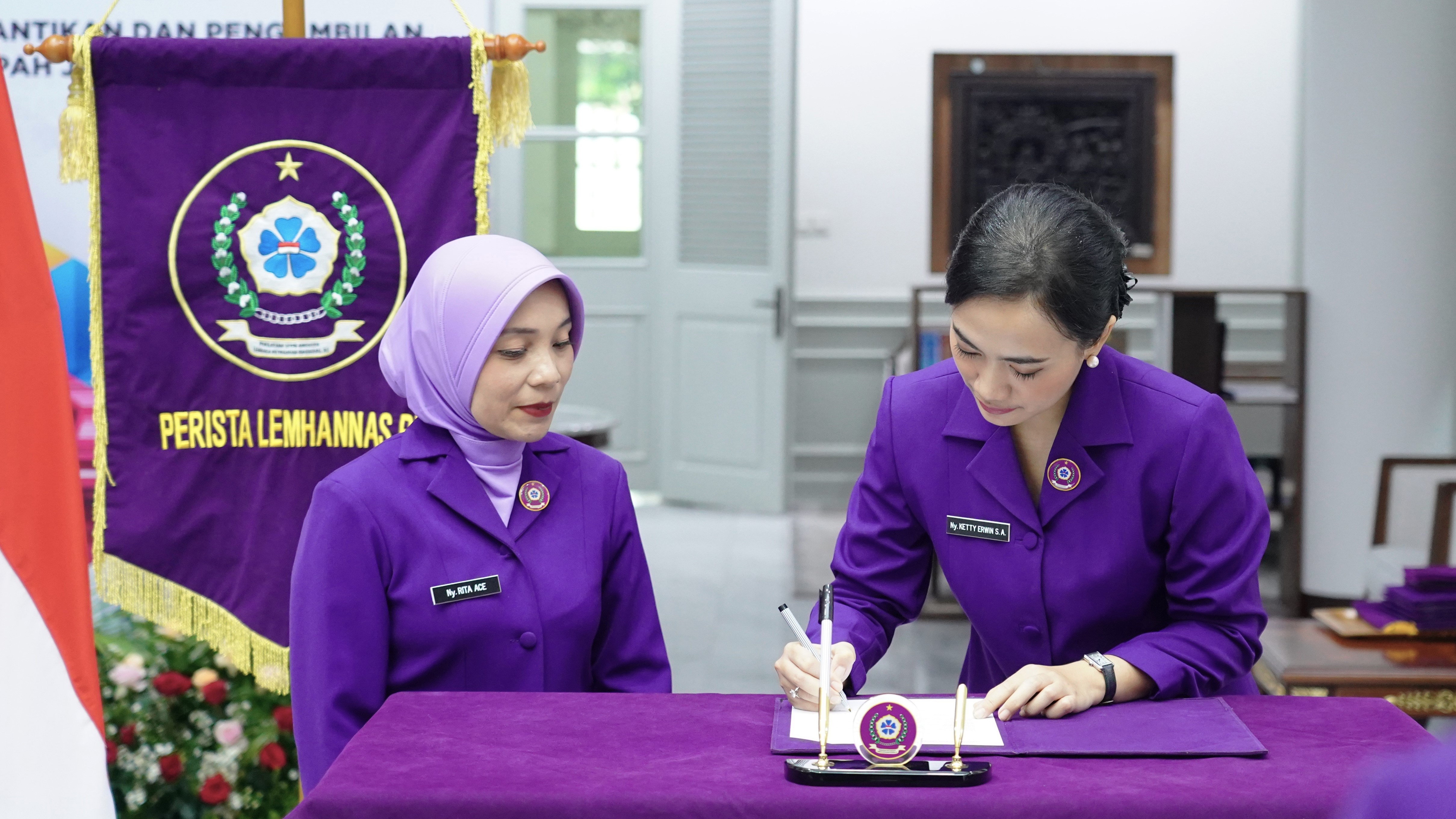
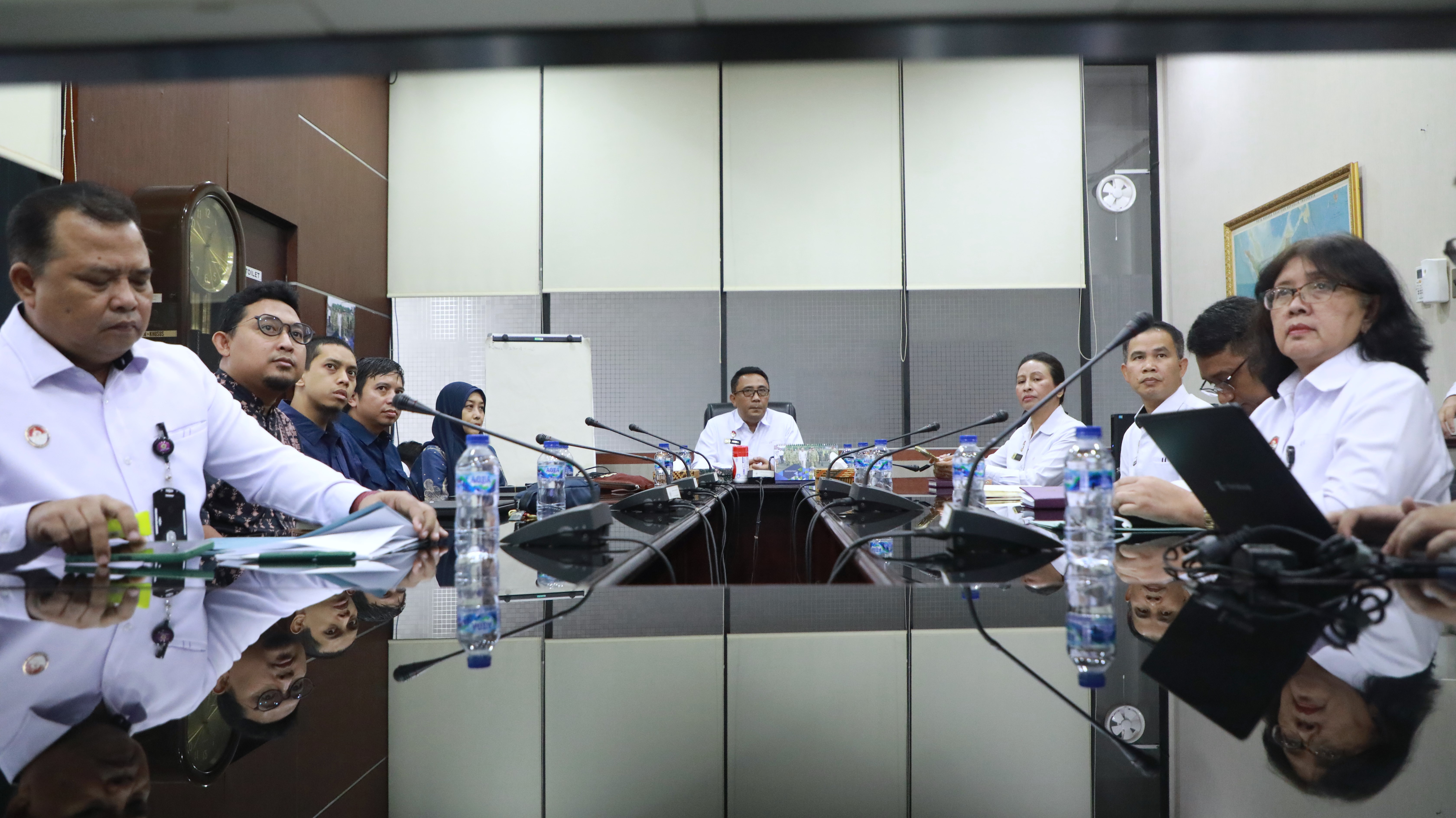
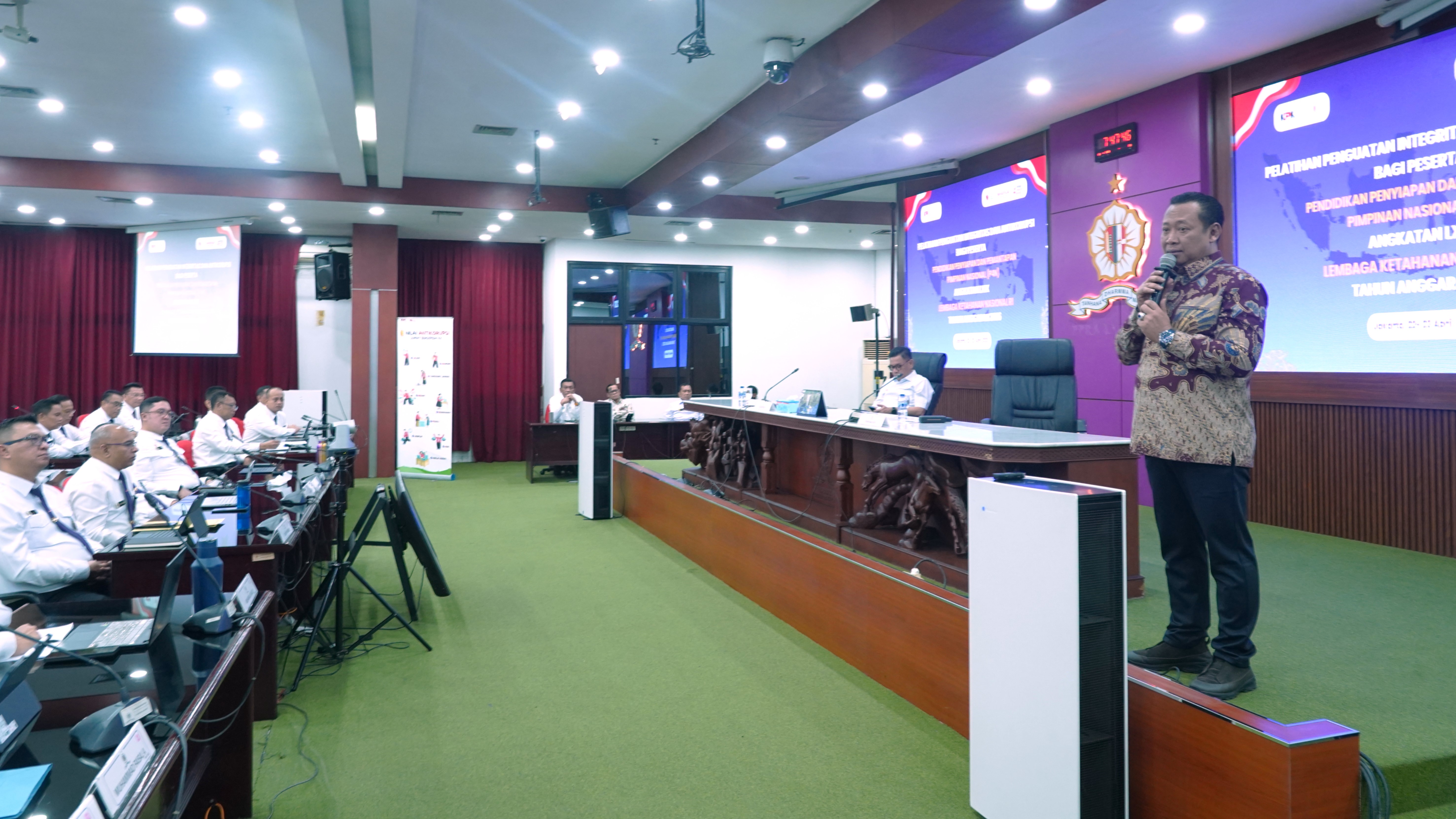
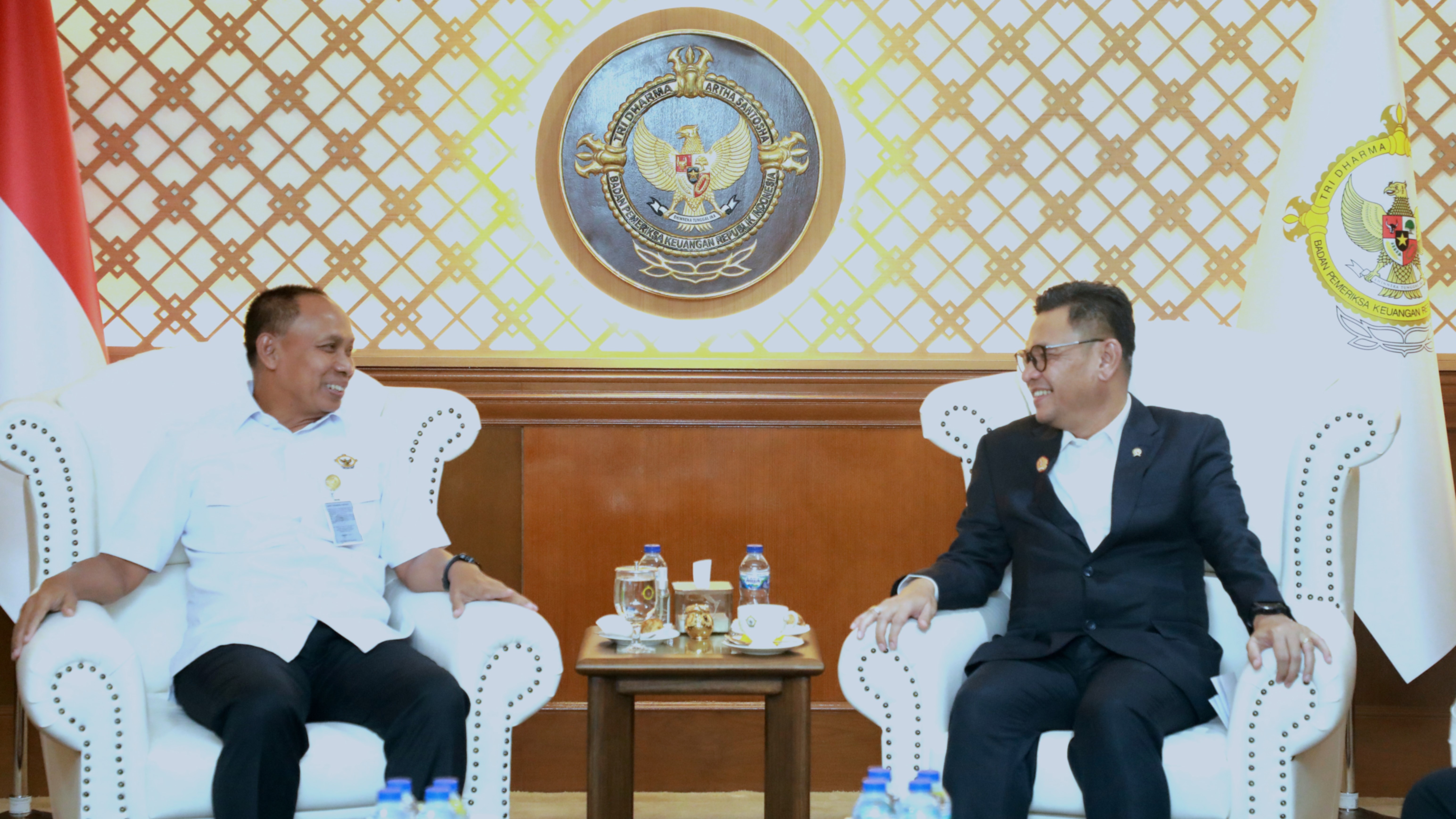
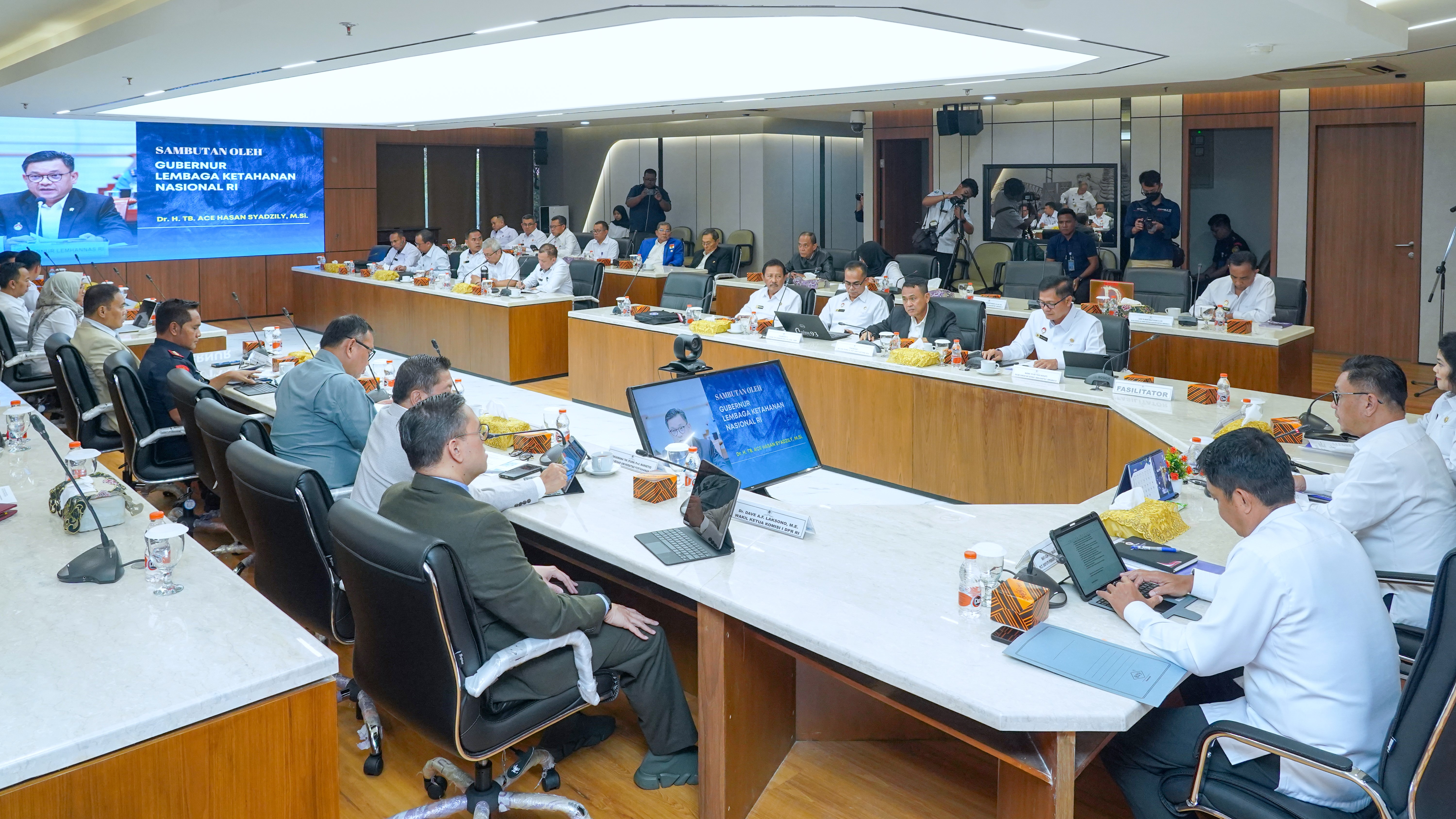
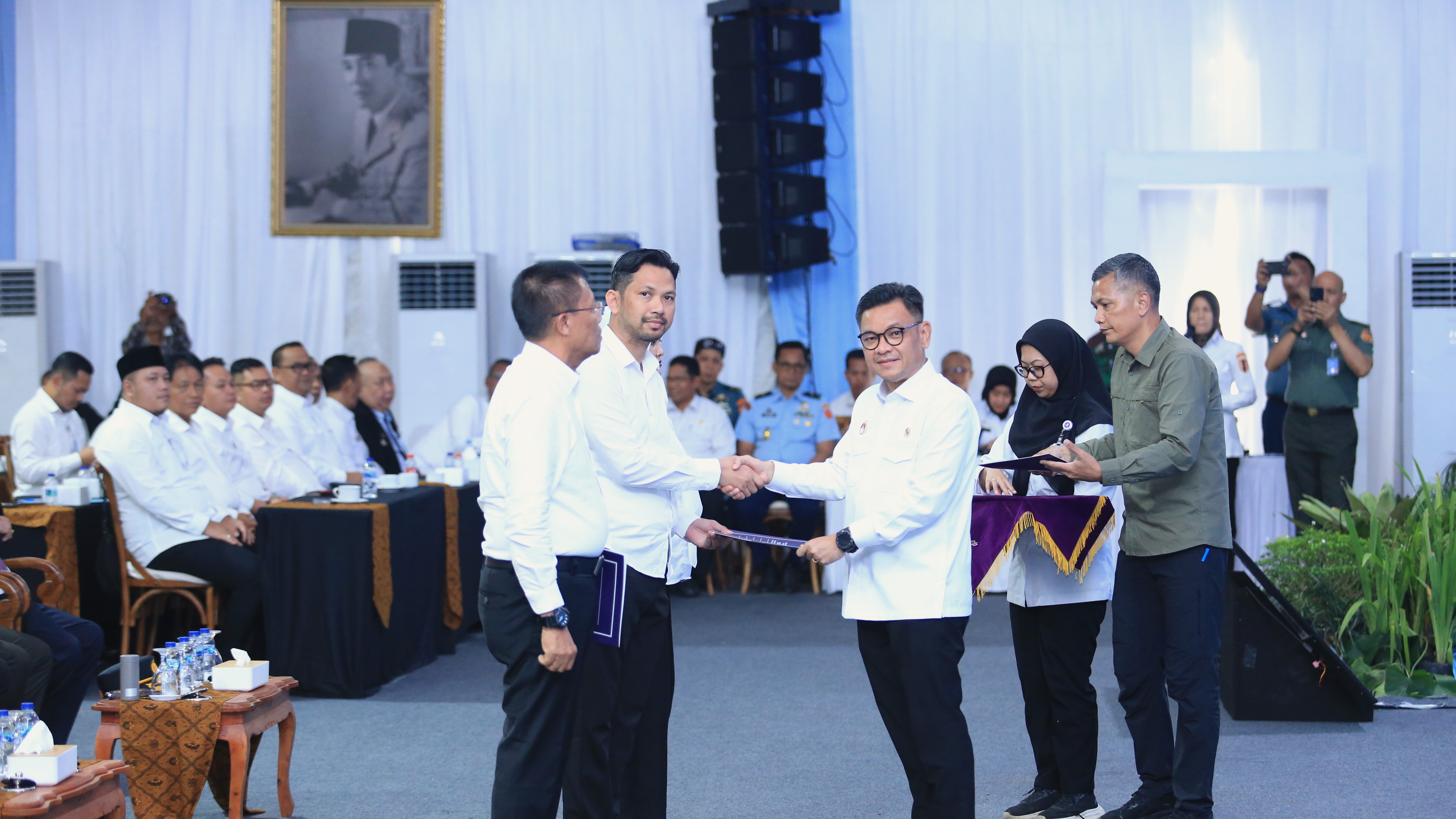
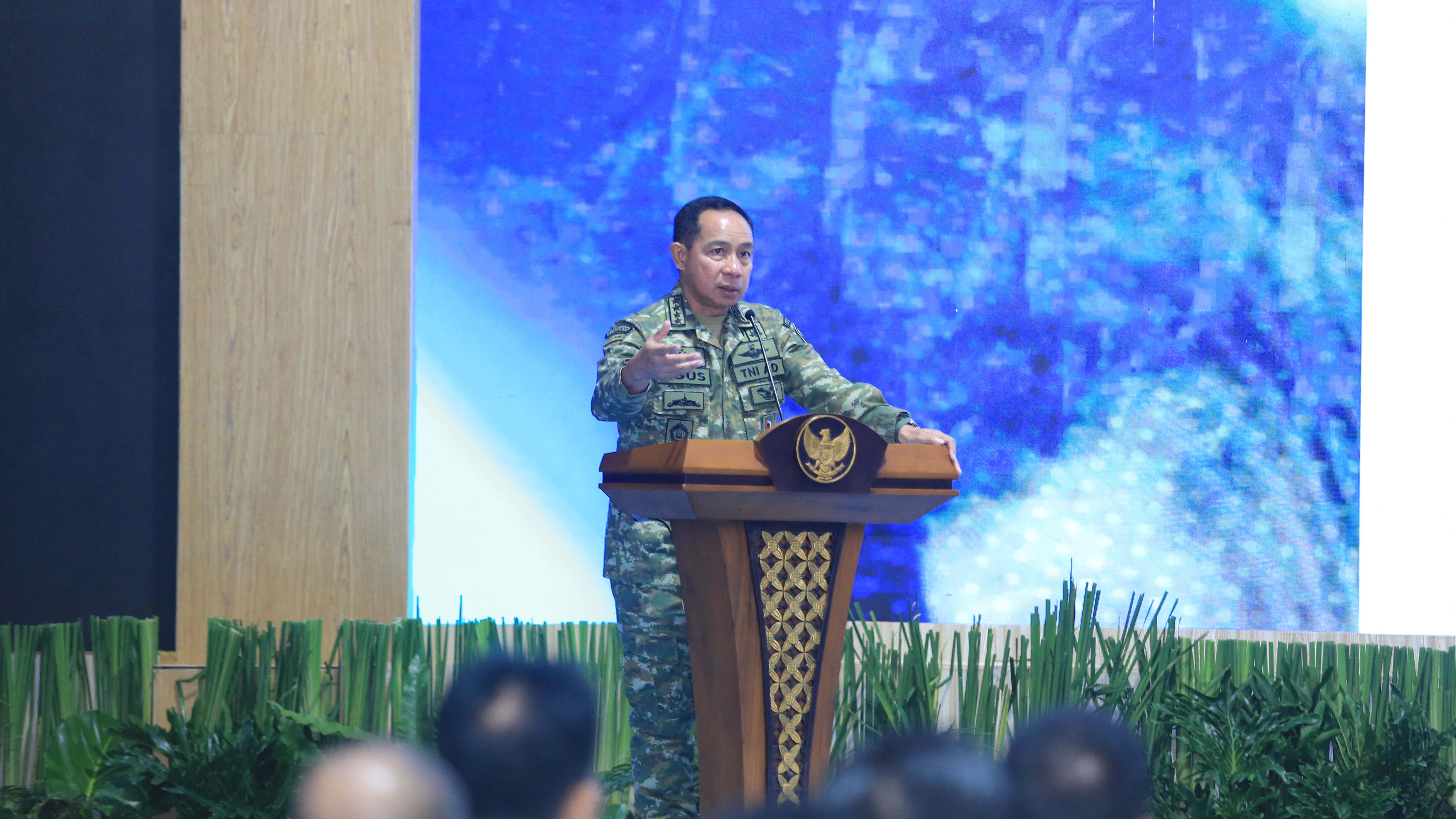
The National Resilience Institute of the Republic of Indonesia (Lemhannas RI) organized the Regional Leadership Consolidation Course (KPPD) for Heads of Regional Legislative Council (DPRD) from across Indonesia in 2026 at the Indonesian Military Academy (Akmil), Magelang, from April 15 to 19, 2026.
The course was designed as a response to the increasingly complex challenges faced by regional leaders, ranging from technological disruption and massive cyber threats to the erosion of national values among the younger generation. Through a series of briefings delivered by Lemhannas Ri Faculty Members, the KPPD emphasized that strengthening national identity, enhancing national vigilance, and fostering adaptive leadership are inseparable elements.
In the national context, Lemhannas RI Professional Expert in National Leadership, Brig. Gen. (Ret.) Paula Theresia E.P.U., stressed that national values derived from the four fundamental national consensuses namely Pancasila, the 1945 Constitution of Indonesia, the Unitary State of the Republic of Indonesia, and Bhinneka Tunggal Ika which constitute the identity of the Indonesia. These values serve as moral principles that unify Indonesia’s ethnic, cultural, and religious diversity while also shaping its role on the global stage.
Echoing this, Professional Expert in National Resilience and Archipelagic Insight of Lemhannas RI, Maj. Gen. (Ret.) Lumban Sianipar, S.I.P., added that strong national resilience drives national development, and conversely, successful national development reinforces it.
He highlighted the importance of balanced development across all aspects, including geography, demography, natural resources, ideology, politics, the economy, socio-cultural affairs, and defense and security. This approach is essential to ensure Indonesia’s resilience in facing global challenges with perseverance and strength.
In the next session, Professional Expert in Geostrategy and National Vigilance of Lemhannas RI, Maj. Gen. (Ret.) Dr. Kup Yanto Setiono, M.A., CBV., explained that national threats no longer stem solely from conventional military forces but also from new dimensions that are asymmetrical, hidden, and far-reaching. In today’s world, which has entered the BANI (Brittle, Anxious, Non-linear, Incomprehensible) era, artificial intelligence has become a key driver of rapid and unpredictable change.
Data from the National Cyber and Crypto Agency for the first half of 2025 recorded 3.64 billion cyberattacks targeting Indonesia, with an intensity of 15 attacks per second. Indonesia even ranked first globally as a source of cyberattacks, with 61.32 percent of malware distribution originating from domestic digital infrastructure. The attack on the Temporary National Data Center (PDNS) serves as clear evidence that digital vulnerability poses a threat to national sovereignty.
In response to these threats, Kup Yanto emphasized that national vigilance must be understood as a comprehensive system involving all components of the nation from central and regional governments and security forces to academics and the public to detect, analyze, and respond to potential threats before they escalate into crises.
Regarding the actualization of archipelagic insight amid global dynamics, Professional Expert in Geostrategy and National Vigilance of Lemhannas RI, Maj. Gen. (Ret.) Abdul Chasib, stated that it represents the Indonesian nation’s perspective and attitude in prioritizing unity and territorial integrity, even as it faces serious challenges. The declining understanding of archipelagic insight among the younger generation, weakening nationalism due to the expansion of universal values and hedonism, and the threat of foreign intervention through information technology are significant obstacles that must be addressed.
Chasib underscored the need for a comprehensive grand policy design, ranging from strengthening civic education curricula and intensifying the internalization and dissemination of archipelagic insight across public spaces, to implementing it as a national geostrategic and geopolitical framework. Strengthening this perspective, he asserted, will accelerate the achievement of national goals.
Meanwhile, a professional expert in Socio-Cultural Affairs of Lemhannas RI, Dr. H. Dadang Solihin, S.E., M.A. emphasized that Asta Cita represents a long-term policy architecture integrated into the 2025–2029 National Medium-Term Development Plan (RPJMN) toward Indonesia Emas 2045. Its implementation is not solely the responsibility of the central government but also requires the active participation of DPRD leaders, who serve as constitutional representatives of the people at the regional level.
Through their three primary functions, such as legislation, budgeting, and oversight, DPRD leaders play a strategic role as guardians of national consensus, statesmen in harmonizing central and regional policies, and pillars of national resilience at the local level. Dadang stressed that leadership characterized by integrity, national insight, and statesmanship is essential to ensure alignment between national and regional policies and to achieve strong national stability.
In addition to strengthening national identity, national vigilance, and archipelagic insight, the KPPD program also included sessions on the challenges faced by national leaders in the era of technological disruption and the implementation of National Resilience 2026. These topics were presented by Professional Expert in Natural Resources of Lemhannas RI, Prof. Dr. Umar Dadan Daihani.
In his presentation titled “Challenges of National Leadership in the Era of Technological Disruption,” Prof. Dadan emphasized the importance of adaptive and visionary leadership. He noted that true leadership must navigate the uncertainties of the future with vision, resilience, and wisdom grounded in integrity and moral awareness.
He further highlighted four major challenges facing the nation: increasingly complex global geopolitical dynamics, technological disruption transforming work and culture, non-traditional threats such as trade and technology wars, and socio-demographic changes that present a demographic bonus as a key asset for national development.
Professional Expert in National Management Systems of Lemhannas RI, Maj. Gen. (Ret.) Sugeng Santoso, S.I.P., also underscored adaptive leadership as a crucial competency in the era of technological disruption. National leadership must evolve to become more visionary, innovative, and responsive to rapid and unpredictable global changes. Adaptive leaders are expected to manage complexity and uncertainty, make data- and technology-driven decisions, and strengthen digital literacy.
In the context of regional development, regional heads and DPRD members are expected to align their planning with national priorities, synchronize policies, and promote digital transformation at the local level.
Through the materials delivered by professional experts of Lemhannas RI to KPPD participants, regional leaders are expected not only to possess technical competence but also to demonstrate resilience, vigilance, and strong national insight in safeguarding national development toward Indonesia Emas 2045. (SP/MA/MDF)