Lemhannas RI Invites Deputy for PPN/Bappenas and Chief of KPK at KPPD
News & Article Friday, 17 April 2026, 14:00
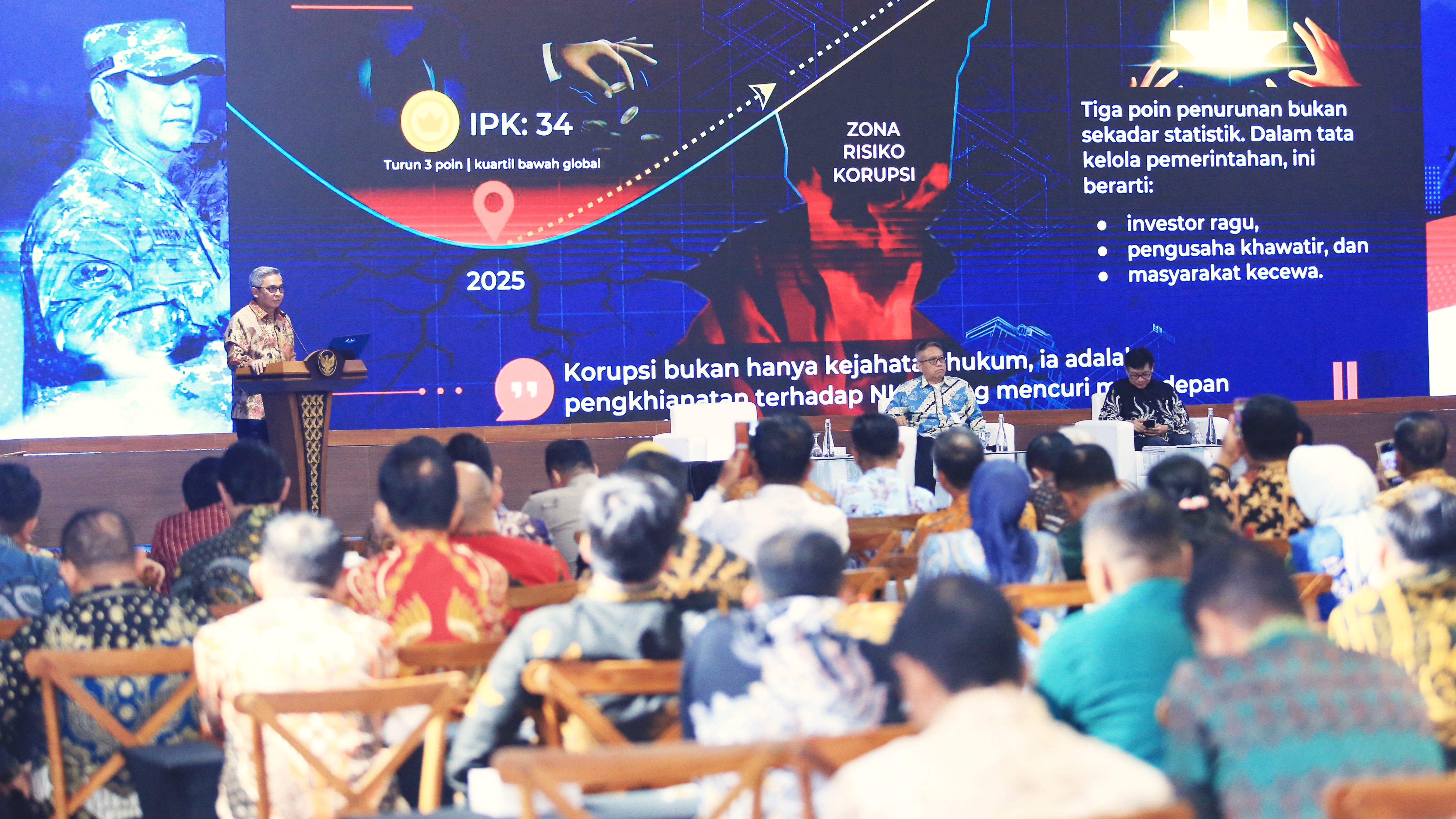
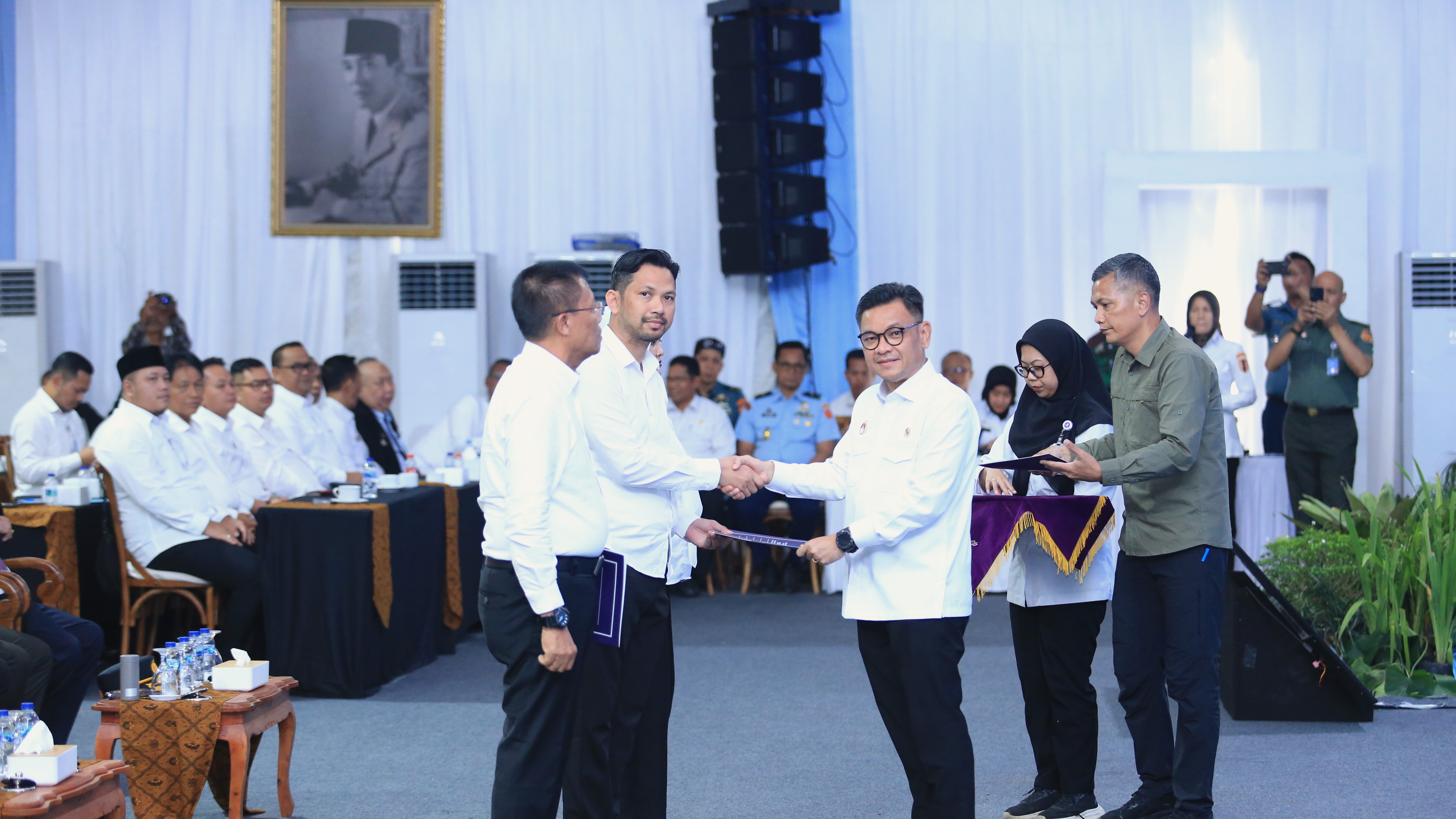
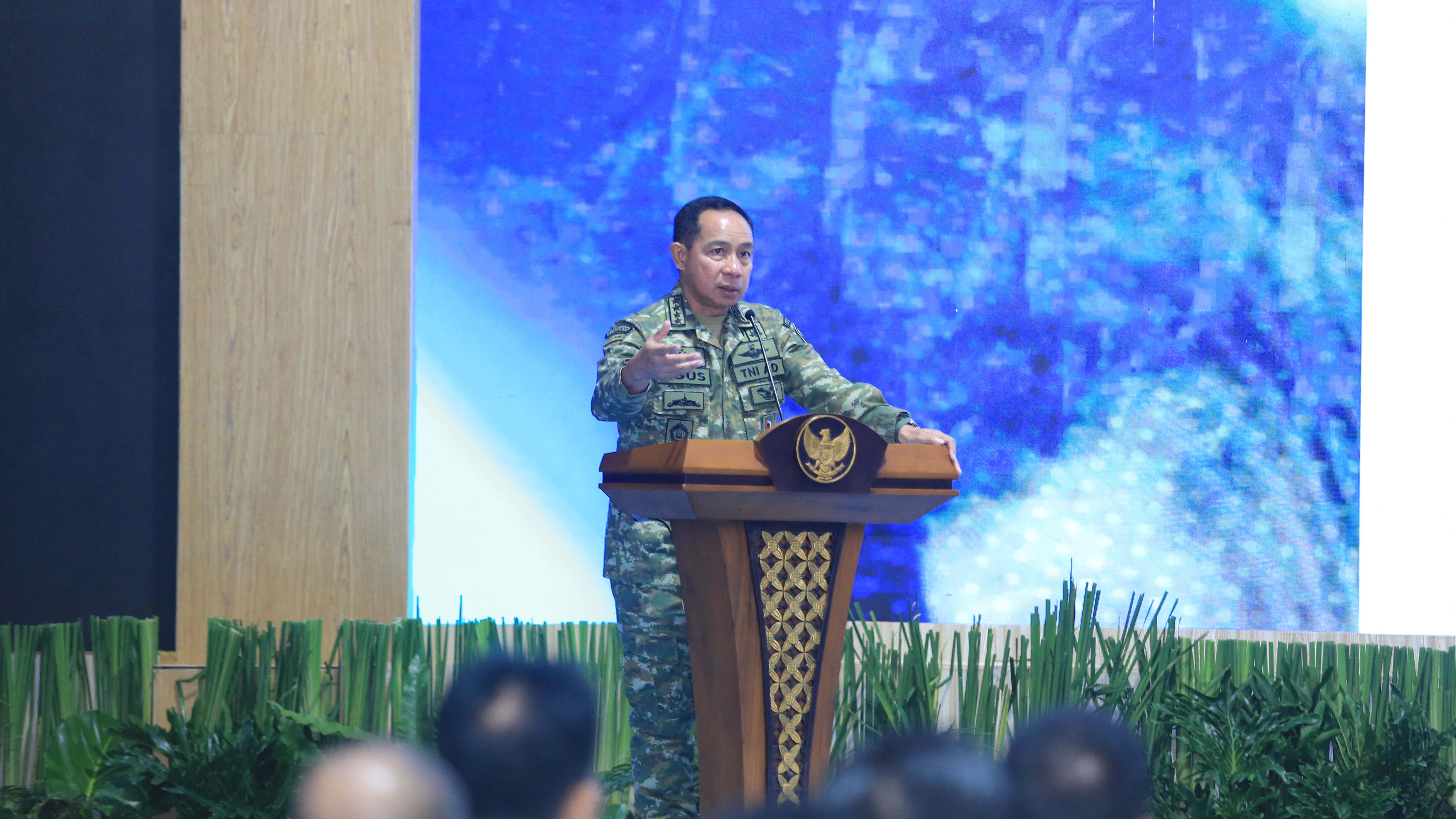
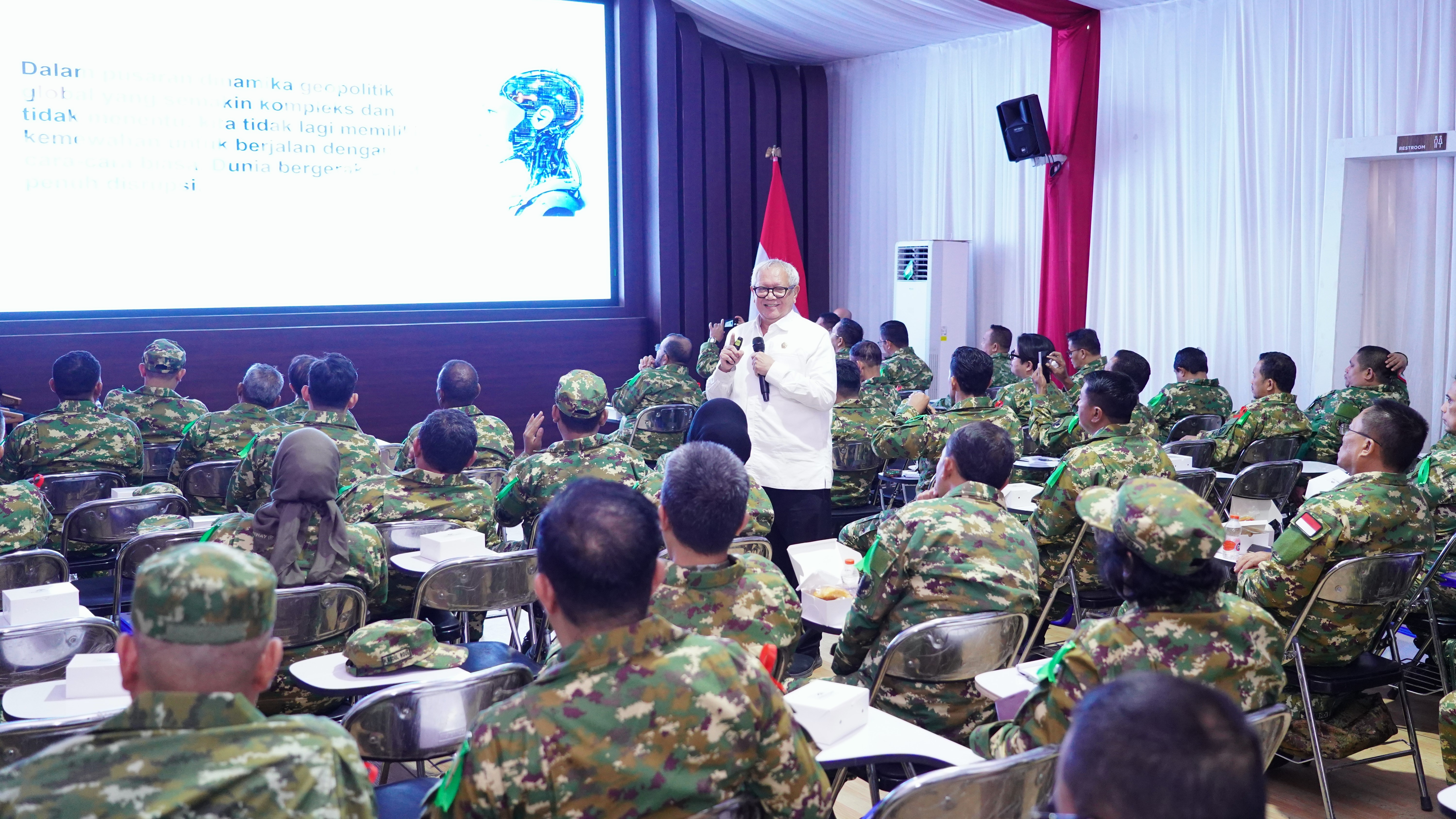
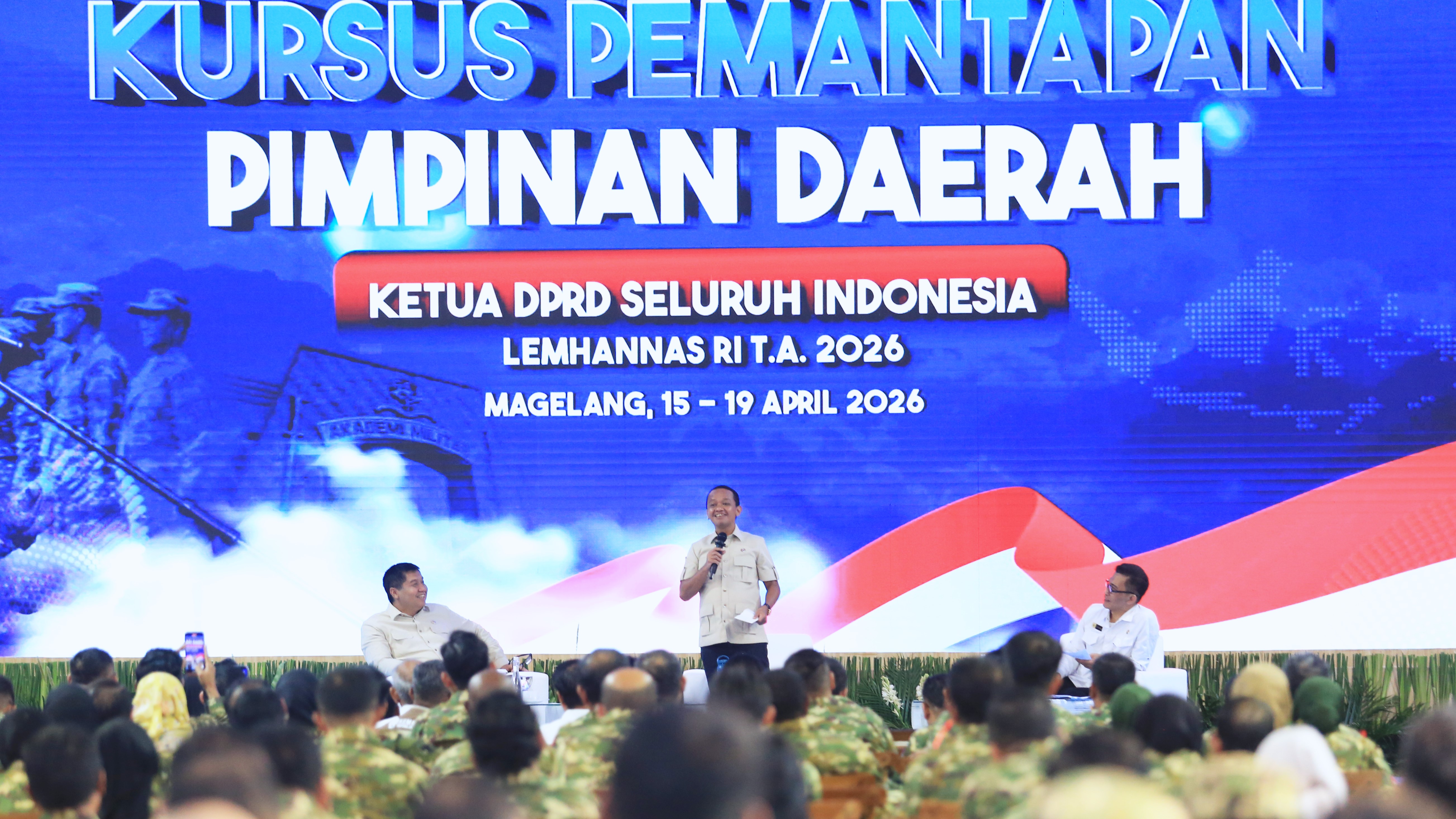
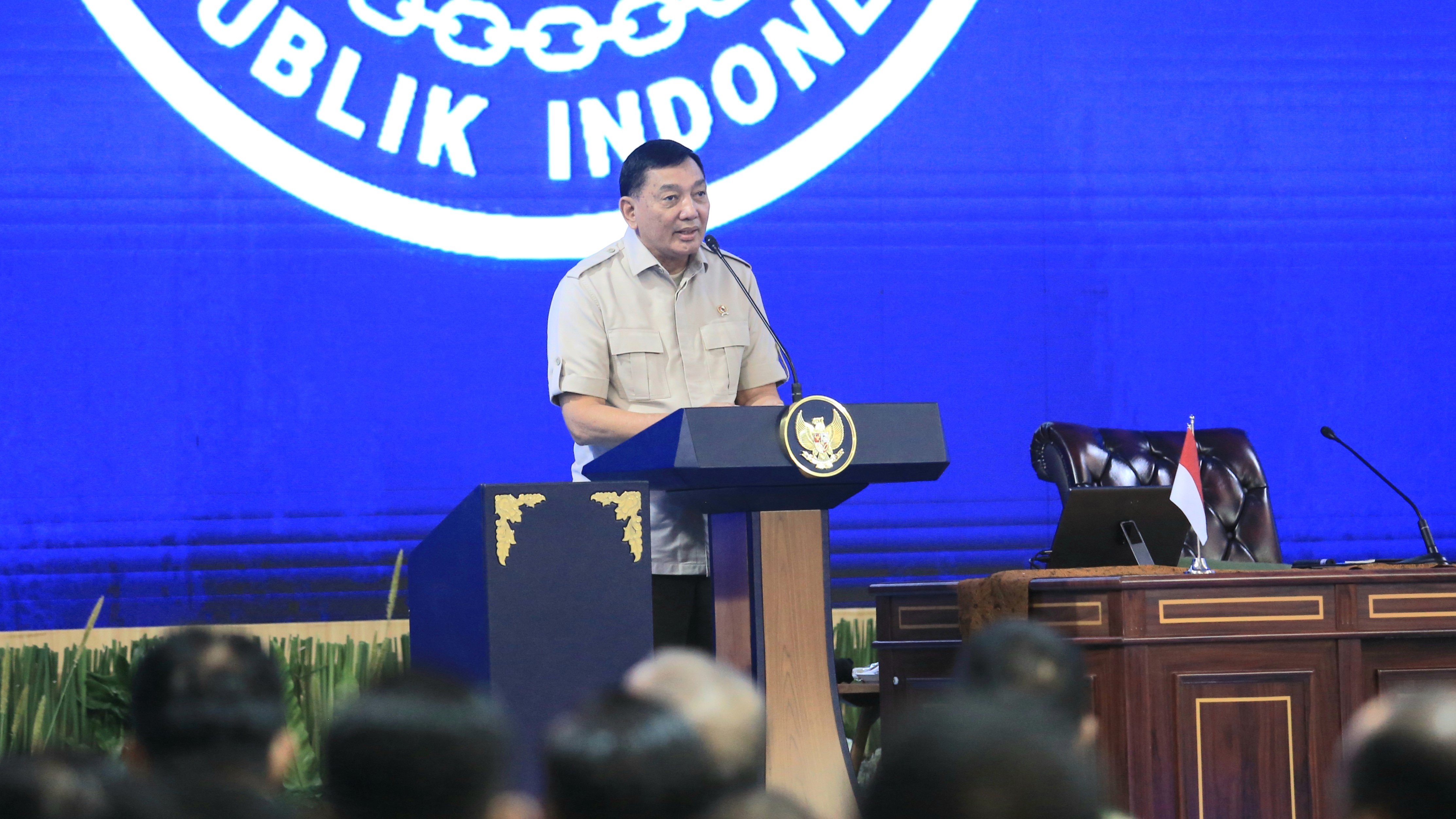
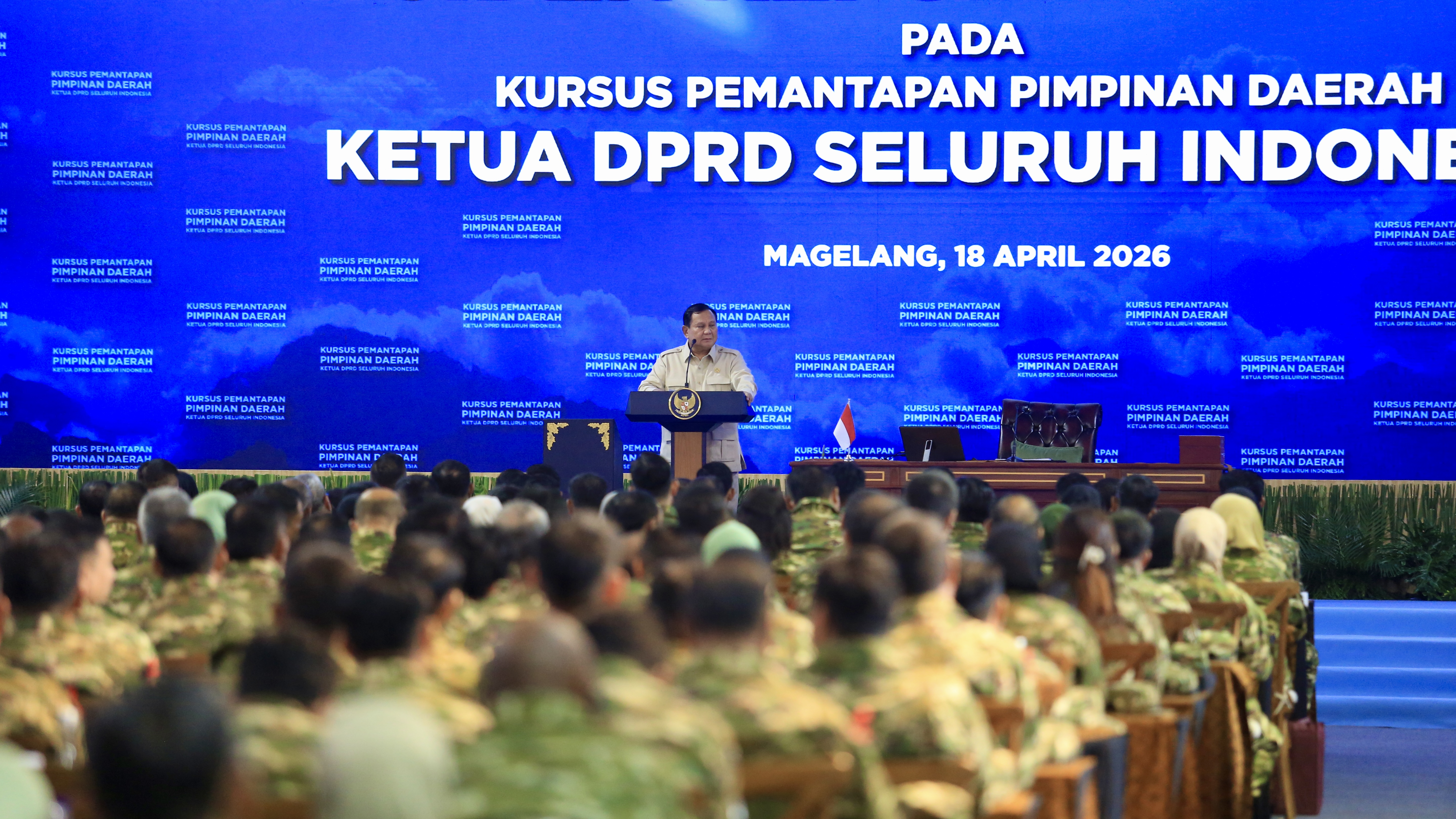
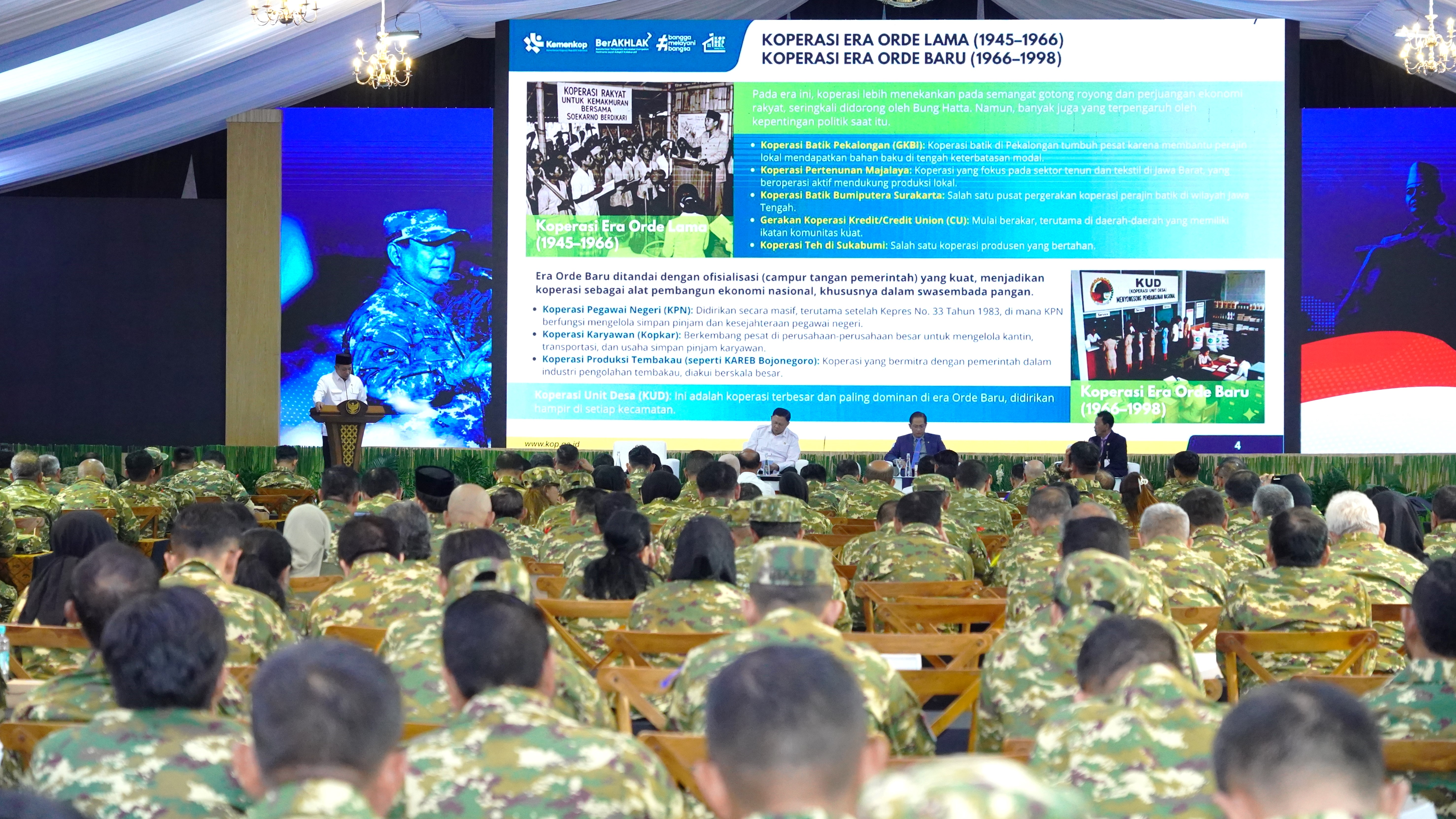
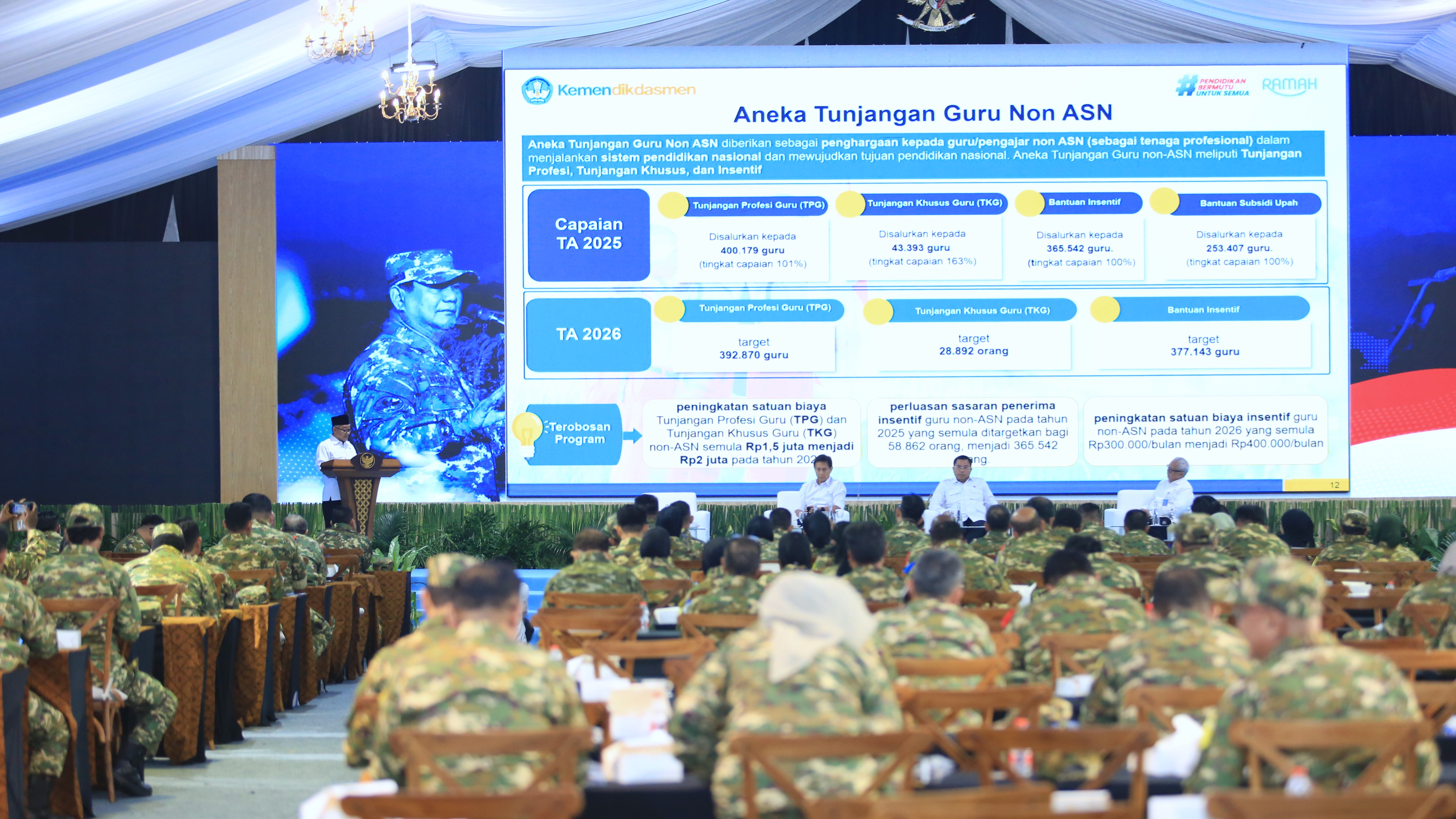
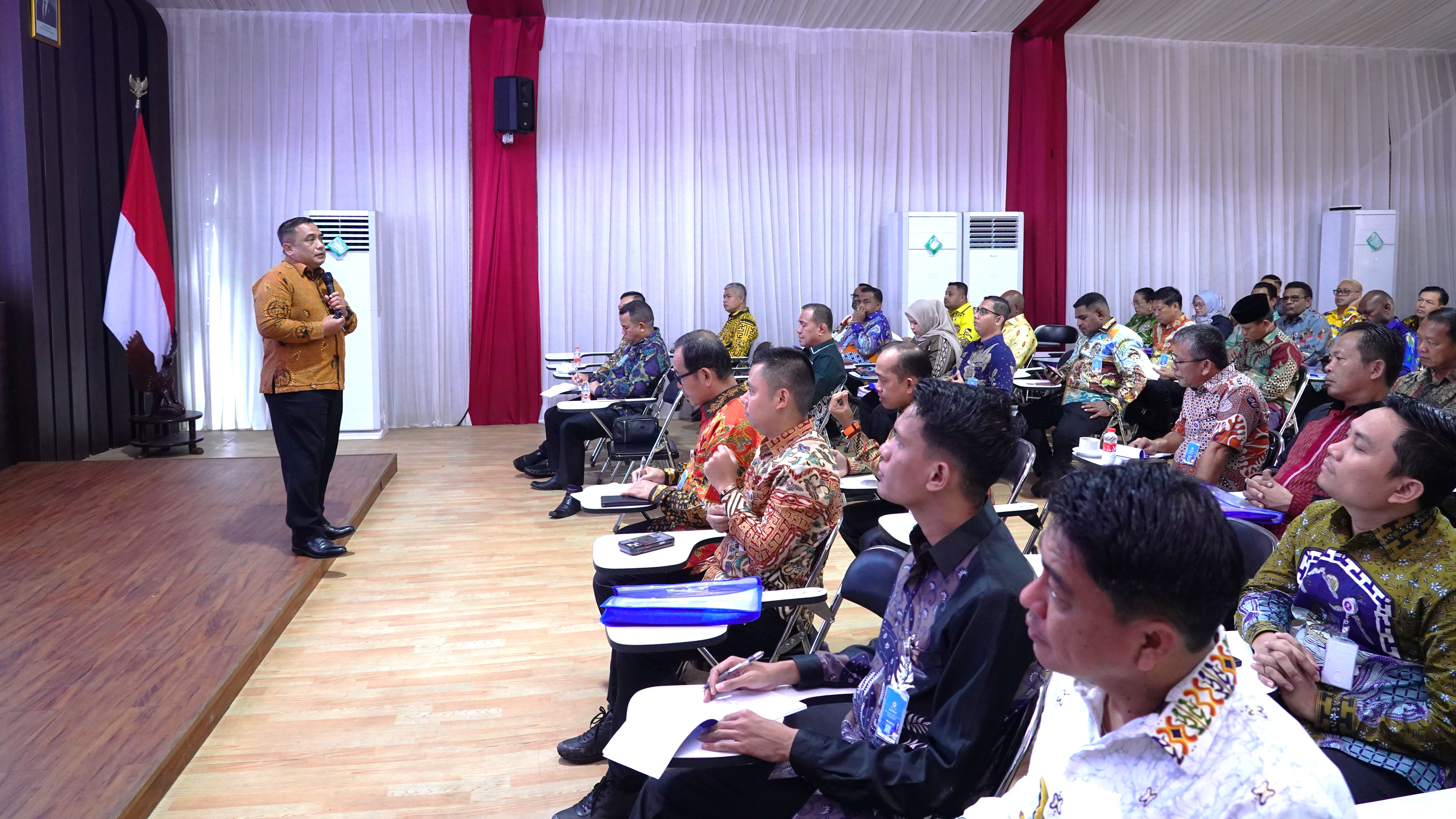
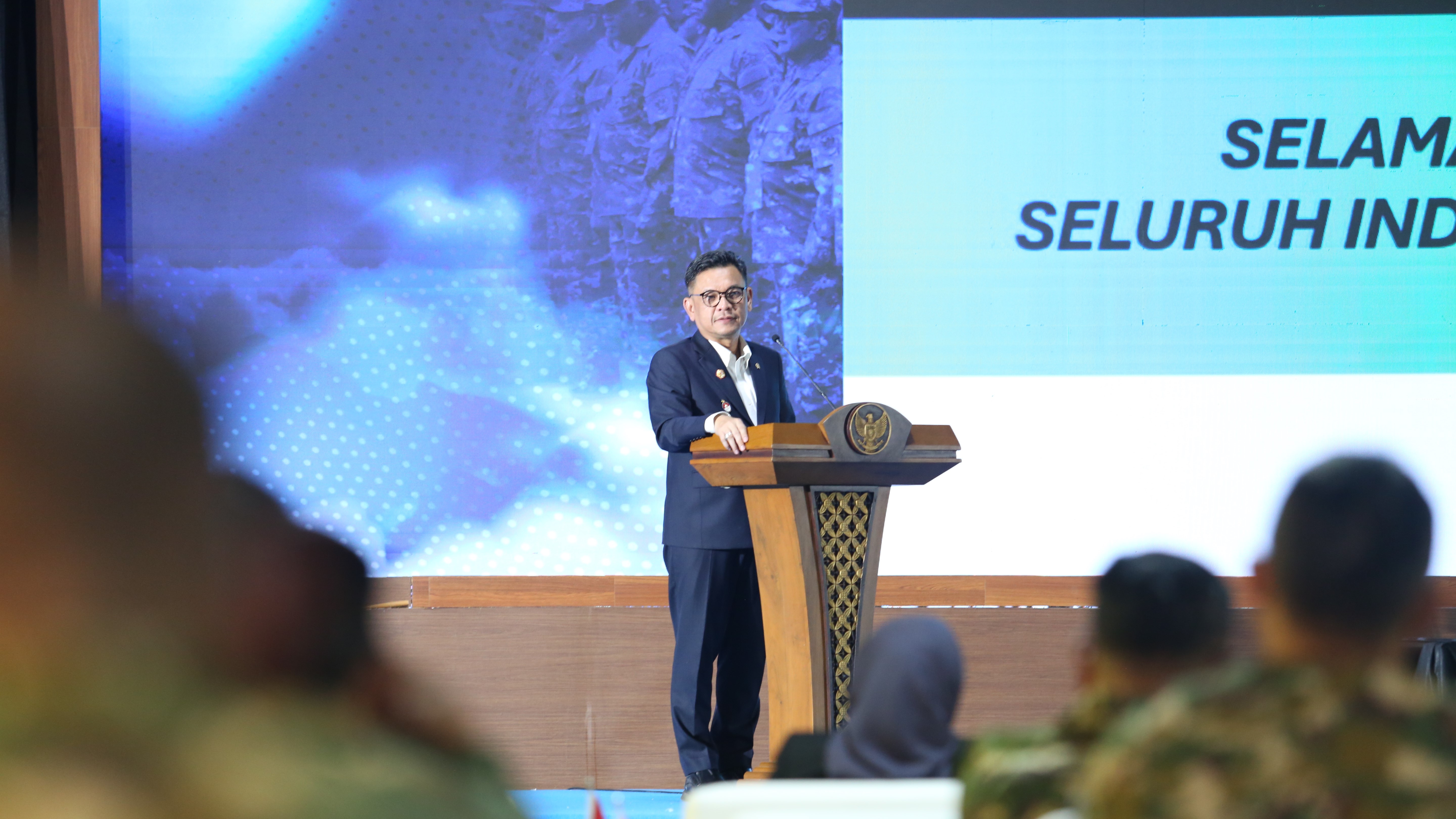
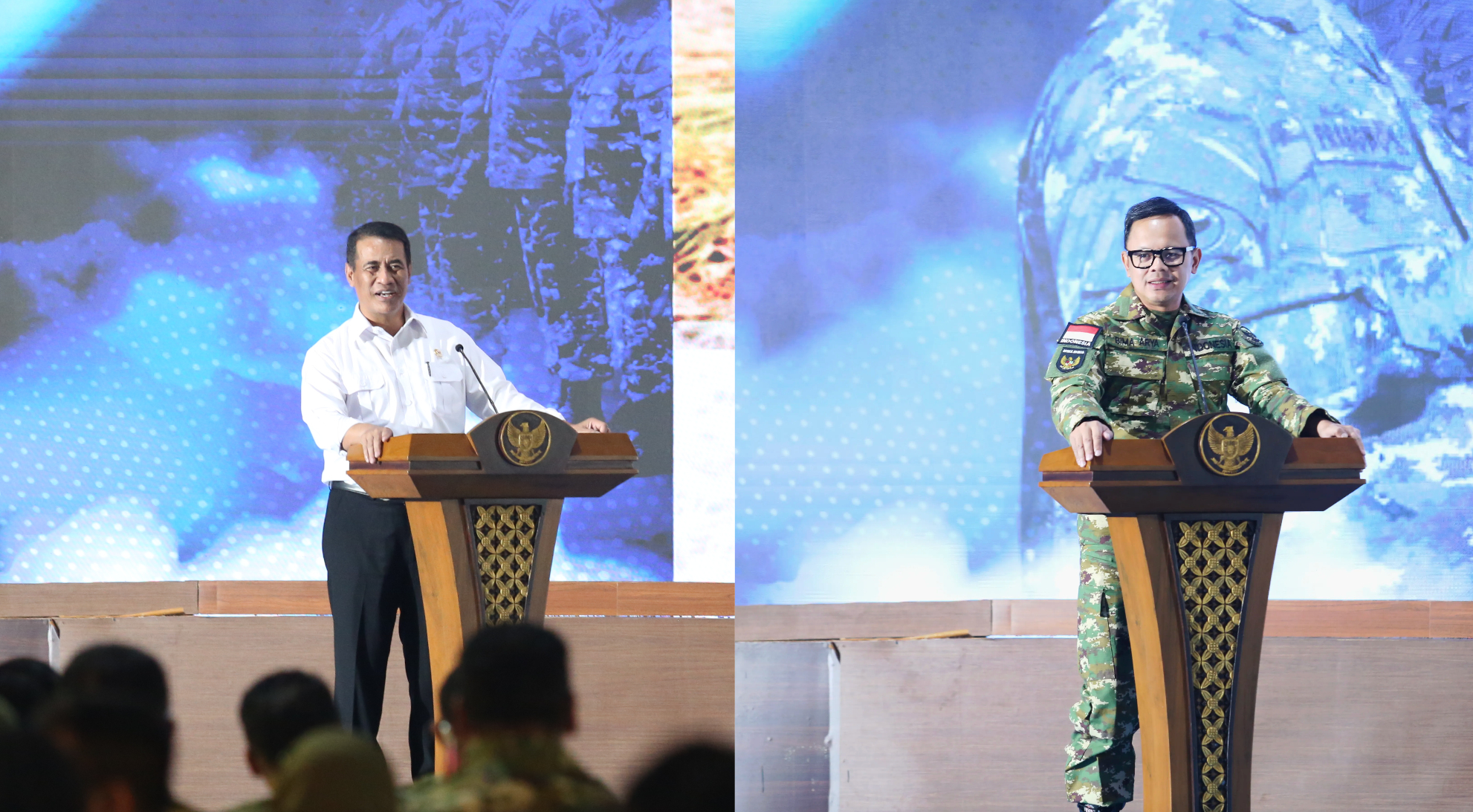
Lemhannas RI hosted Dr. Ir. Medrilzam, M.Prof. Econ., Deputy for Regional Development at the Ministry of National Development Planning (Bappenas), and Setyo Budiyanto, Chairman of the Corruption Eradication Commission (KPK), as part of the Regional Leadership Strengthening Course (KPPD) for Regional Legislative Council (DPRD) Chairs from across Indonesia. The event took place at the Military Academy (Akmil) in Magelang on Friday (4/17).
The lecturers aimed to strengthen the leaders' understanding of the direction of national development, particularly within the framework of long-term development planning toward the Indonesia Emas 2045 vision.
Medrilzam stated in his speech that the Asta Cita program is incorporated into the National Medium-Term Development Plan (RPJMN) 2025–2029, which will serve as a reference for determining steps over the next five years. "This will certainly also serve as a reference for our colleagues in the regions," he explained.
He also emphasized the importance of strengthening regional fiscal capacity as a prerequisite for promoting sustainable development. Currently, regional revenue is still largely dependent on transfers from the central government, accounting for about 83%. This condition makes it increasingly important to optimize Regional Original Revenue (PAD).
Because fiscal conditions affect local governments’ ability to achieve regional development targets and support national development goals, local governments need strategies to strengthen their financial foundations by optimizing local revenue, improving the quality of local spending, and innovating development financing.
Regarding regional development strategies, he emphasized the need for cooperation and collaboration between central and local funding. Thus, local governments must foster synergism between central and local funding by optimizing and expanding funding sources, developing innovative funding schemes, and establishing and developing development financing institutions. They must also improve spending efficiency and promote productive local spending.
In the next session, the Chairperson of the Corruption Eradication Commission (KPK) lectured on the importance of integrity and clean governance as the foundation of national development. Strengthening the Regional Legislative Council's institutional integrity is seen as the basis for transparent and accountable governance, ensuring that every policy has strong public legitimacy.
In his lecture, Setyo Budiyanto stated that the Regional Representative Council (DPRD) is responsible for identifying, filtering, and raising strategic issues emerging within the community for inclusion in the local government’s policy agenda. He also emphasized that the fight against corruption should focus not only on enforcement, but also on a preventive approach involving all stakeholders, including the DPRD, a key local-level actor.
“If you all agree to work together on this, I am confident that corruption rates will decrease,” he said.
He further emphasized that transparency is a sign of a leader’s integrity and self-confidence. He underscored that leaders must adhere to three principles: rejecting all forms of illegal luxury, prioritizing the system and the public over specific groups, and being transparent with the public, the media, and the KPK about their actions.
“Corruption is not an ordinary crime. It steals the future and the rights of our children and grandchildren,” he asserted.
Beyond moral principles, Setyo Budiyanto highlighted the importance of integrity in shaping a region’s economic competitiveness, including attracting investment and driving economic growth. Through his lecture, Setyo Budiyanto encouraged Regional Legislative Council (DPRD) leaders across Indonesia to fulfill their roles in overseeing public policy and in optimally strengthening local anti-corruption prevention systems. (MA/SP/DA)