Lemhannas RI Governor: Beyond AI, the Nation Needs Human, Spiritual, and Authentic Intelligence
News & Article Wednesday, 24 June 2026, 14:00
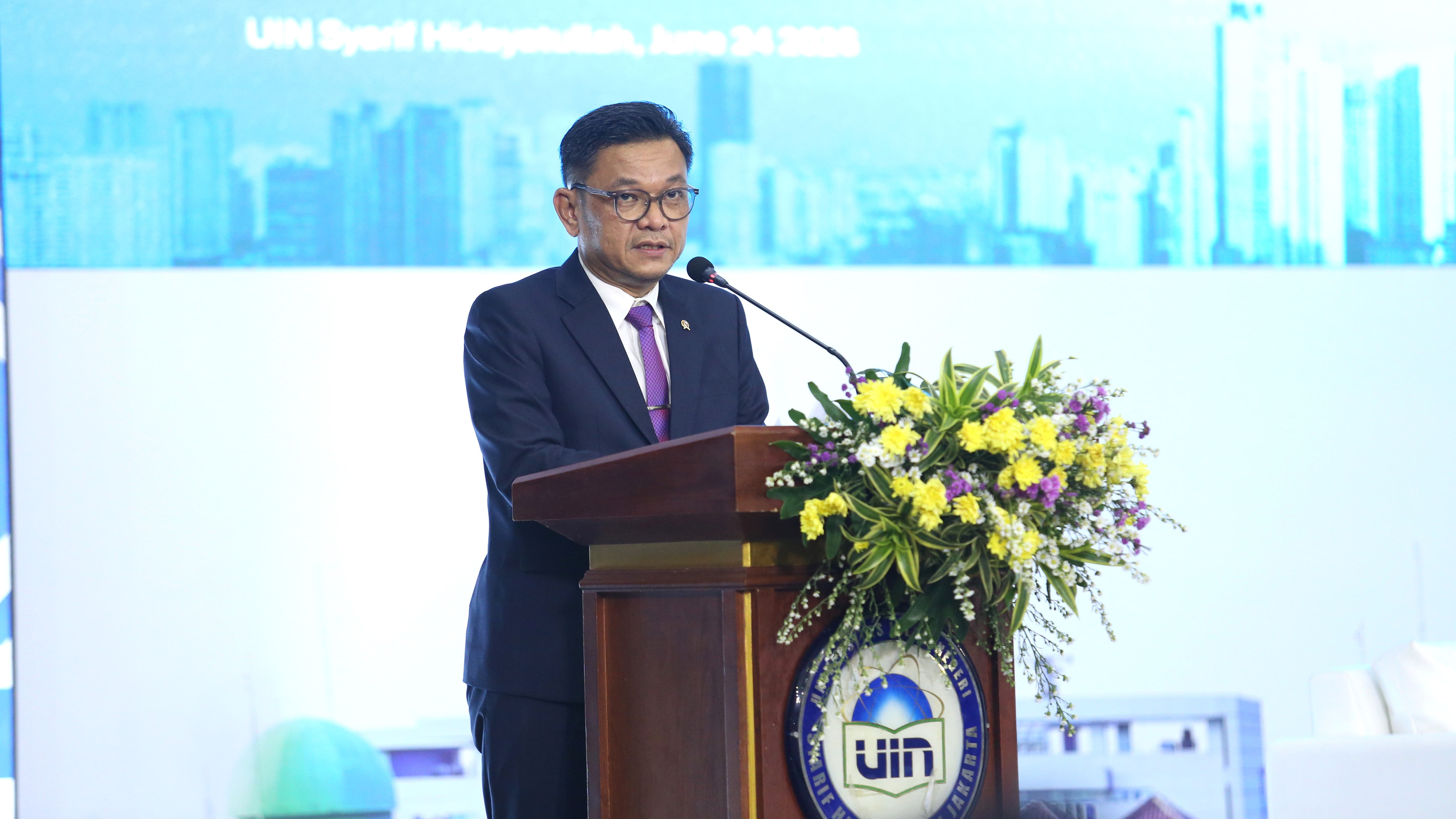
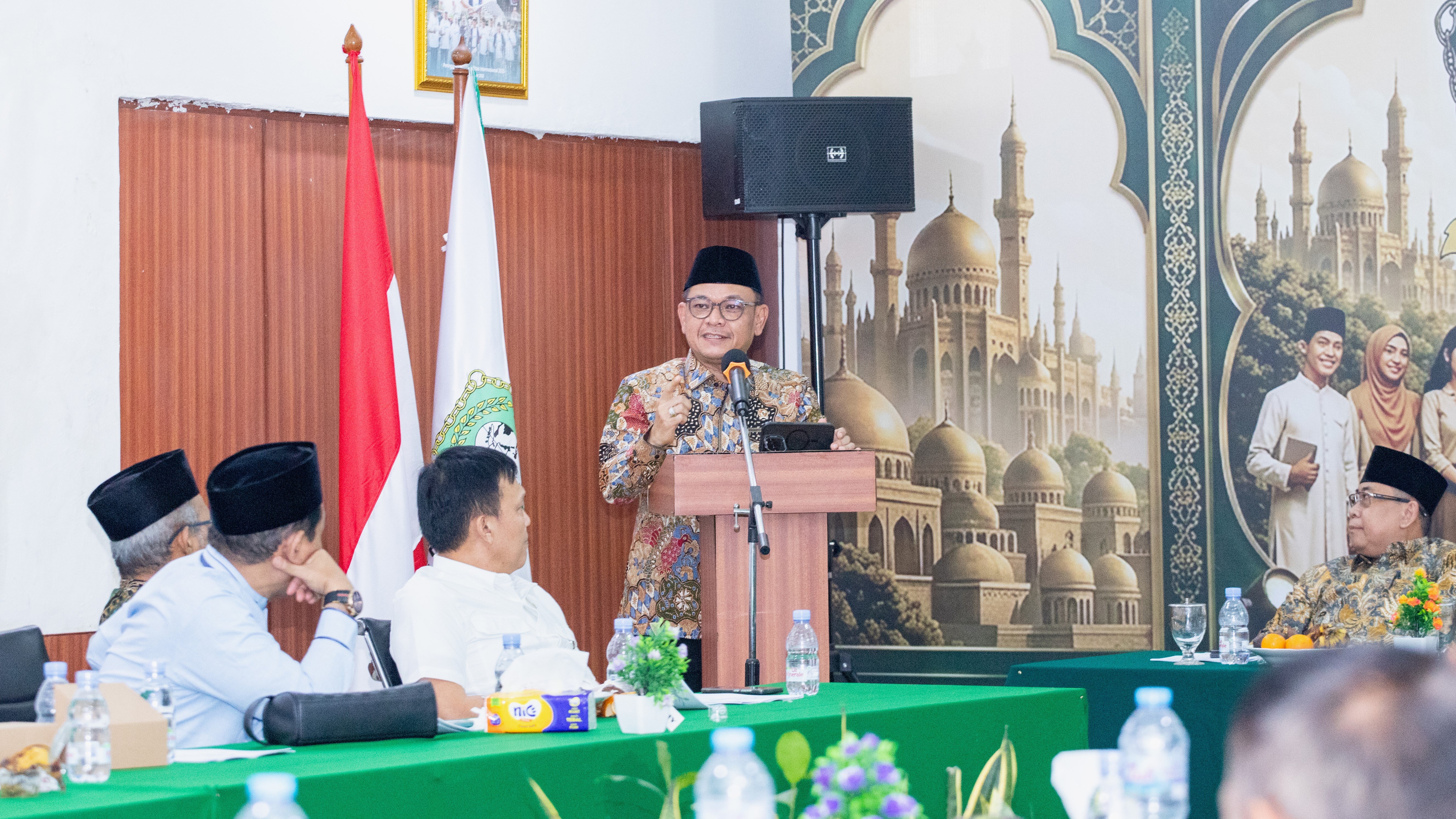
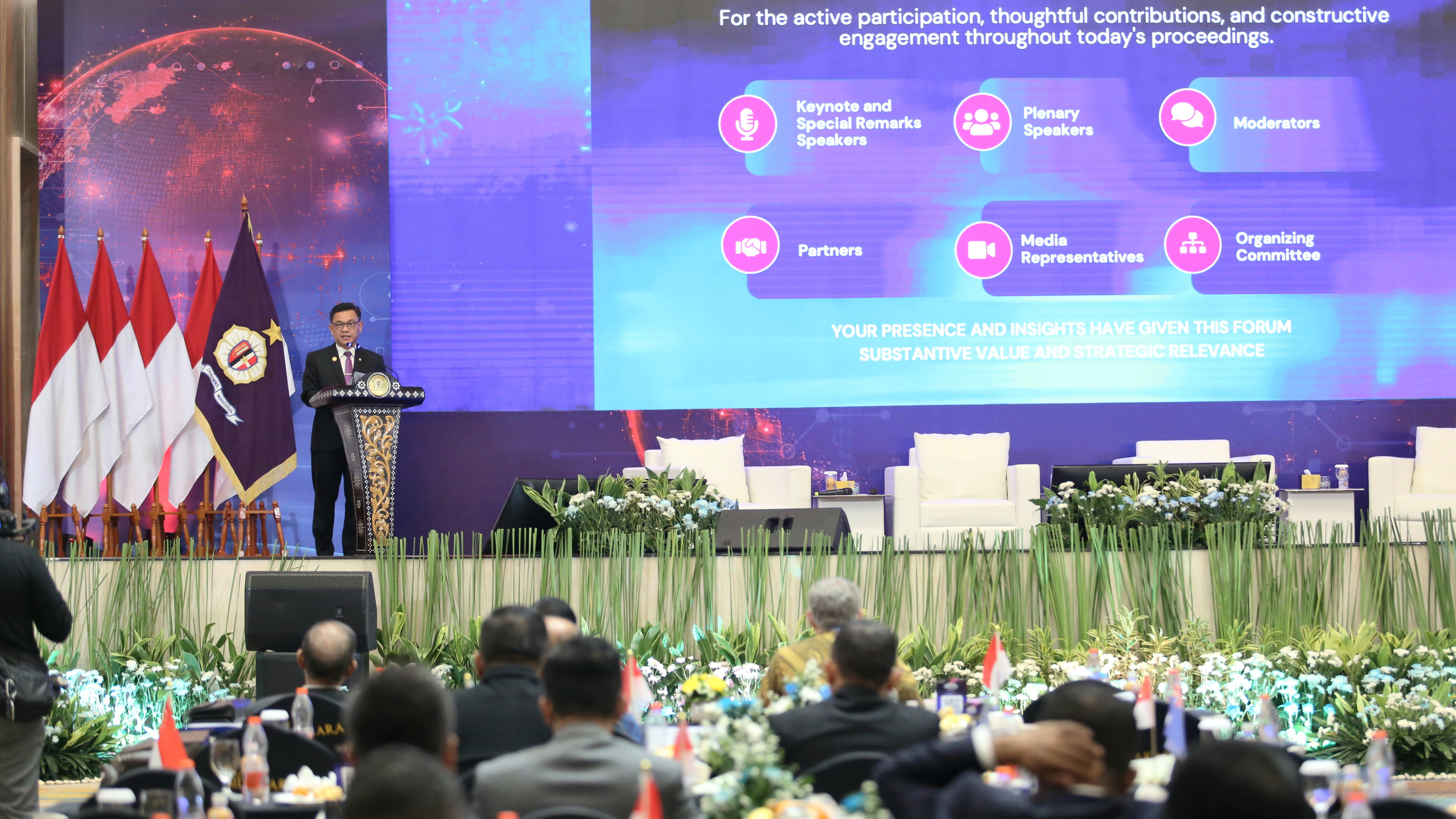
The Governor of Lemhannas RI, Dr. H. TB. Ace Hasan Syadzily, M.Si., delivered a keynote speech at the Asian Islamic Universities Association (AIUA) International Seminar and Annual General Meeting held at the Harun Nasution Auditorium, UIN Syarif Hidayatullah, on Wednesday (6/24). The event carried the theme, “Transforming Islamic Higher Education for Advancing Global Peace, Resilience, and Inclusive Development.”
In his address, the Governor of Lemhannas RI stated that the world is currently at a turning point, bringing about various consequences that affect all aspects of human life. This is evident in escalating geopolitical rivalries, exponential technological advancements, increasingly complex cyber threats, climate change disrupting global stability, and the progress of artificial intelligence, which has begun to alter how humans work, interact, and make decisions.
Simultaneously, the world faces challenges in the form of rising social polarization, the spread of disinformation, leadership crises, and the weakening of moral and humanitarian values. Therefore, the issues we face today are fundamentally not just economic or technological, but civilizational. The Governor emphasized that nations capable of surviving are not simply those with abundant natural resources, but those possessing superior human capital, strong values, and the ability to adapt to changing times.
From the perspective of Islamic civilization, education is a monumental step in shaping human beings and building civilization. Thus, Islamic higher education institutions must not be solely oriented toward achieving intellectual brilliance. “Knowledge must cultivate wisdom, and intelligence must foster moral responsibility,” the Governor said. In line with this, Islamic higher education must be capable of producing well-rounded individuals who excel in science and technology while possessing spiritual depth, strong character, and a profound sense of social and national responsibility.
Furthermore, the Governor noted that amidst growing polarization and identity conflicts worldwide, Indonesia’s experience demonstrates that Islam, democracy, modernity, and diversity are not contradictory. All of these elements can grow harmoniously and mutually reinforce one another. Consequently, Indonesia holds invaluable civilizational capital that can make significant contributions to the international community.
As a pluralistic nation, Indonesia is blessed with a noble national consensus: Pancasila. Beyond serving merely as the foundation of the state or a political ideology, Pancasila is profoundly understood as a masterpiece of civilization that successfully integrates the values of divinity, humanity, unity, democracy, and social justice into a cohesive whole.
Amidst the nation’s diversity of ethnicities, religions, cultures, and languages, Pancasila has acted as the binding force that preserves unity while providing the foundation for a democratic, inclusive, and civilized national life. These values deeply resonate with the universal principles of Islam. “Pancasila truly demonstrates that religion and nationalism are not inherently opposed; rather, they can walk in harmony and mutually strengthen each other in building a shared life,” the Governor explained.
He further elaborated that the world has entered a new chapter marked by the development of artificial intelligence. While technology brings opportunities for scientific advancement and human prosperity, technological progress is not always synonymous with the advancement of humanity. He argued that a nation requires not only artificial intelligence but also human intelligence, spiritual intelligence, and authentic intelligence—intelligence built upon a foundation of morality, wisdom, empathy, and moral responsibility. Regardless of how sophisticated the technology created may be, the Governor stressed, it will never be able to replace human conscience and humanitarian values, which are God-given gifts to mankind.
Regarding national resilience, from Indonesia’s perspective, it should not be understood solely in terms of military capability or conventional national defense. National resilience represents a nation’s dynamic capacity to endure and overcome various threats, challenges, and disruptions through the strength of its institutions, the resilience of its people, and societal unity. In a democratic society, resilience is ultimately built upon shared values, social cohesion, and the ability to adapt to change while maintaining national identity and collective goals.
Today, the nature of threats is increasingly multidimensional. Countries are confronted not only with traditional security challenges but also with cyber threats, disinformation, social polarization, extremism, moral degradation, and the disruptive consequences of rapid technological transformation. Addressing these challenges requires more than just security instruments; it demands the cultivation of resilient citizens equipped with intellectual capacity, moral integrity, and social responsibility. In this context, Islamic higher education plays a strategic role. Islamic universities are expected to serve not only as centers of academic excellence and scientific advancement but also as institutions that build character, promote moderation, reinforce democratic values, and contribute to national resilience.
In advancing a civilization, the greatest investment a nation can make is in its people. The progress of a country and the world is ultimately determined not just by natural resources, economic strength, or technological sophistication, but profoundly by the quality of its human capital. Therefore, the world needs a generation that excels not only in science and technology but also possesses integrity, spiritual depth, a humanitarian spirit, and the ability to address increasingly complex global challenges. It is from this exceptional generation that future leaders will emerge—leaders with far-reaching vision, the ability to bridge differences, and the moral courage to foster peace, justice, and shared prosperity.
The civilization of the future will not be won solely through technological progress, but by integrating the power of knowledge with moral nobility, spiritual depth, and wisdom in utilizing technology for the benefit of humanity. “Through the power of science, the values of Pancasila, and the spirit of Islam as a blessing for the universe (rahmatan lil alamin), Indonesia will emerge as a great nation respected by the world, capable of making tangible contributions to peace and the advancement of human civilization,” the Governor of Lemhannas RI concluded, wrapping up his keynote address. (SP/CHP/DA)