JGF X/2026 Delivers Practical Strategy Frameworks
News & Article Thursday, 09 July 2026, 16:00
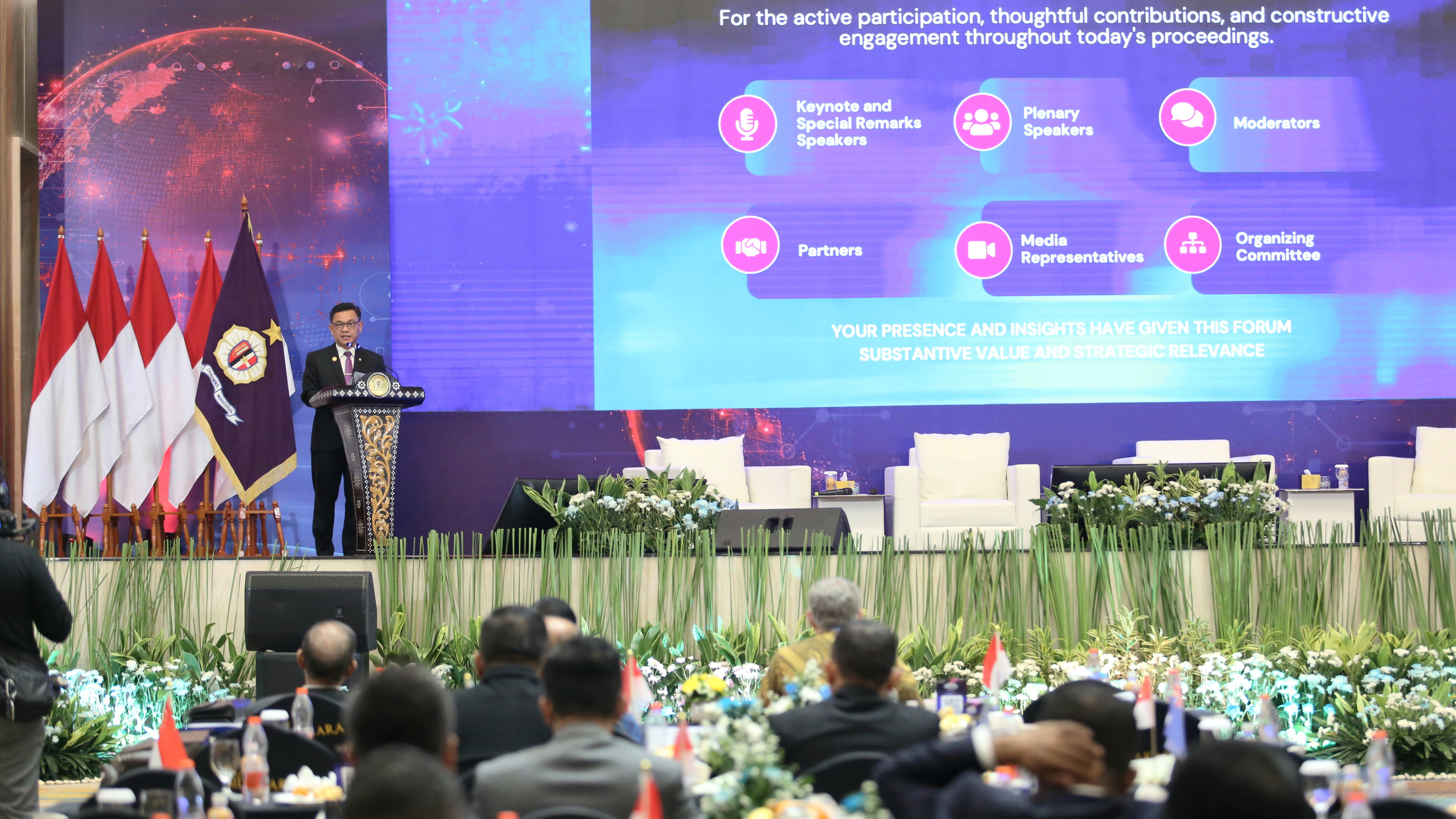
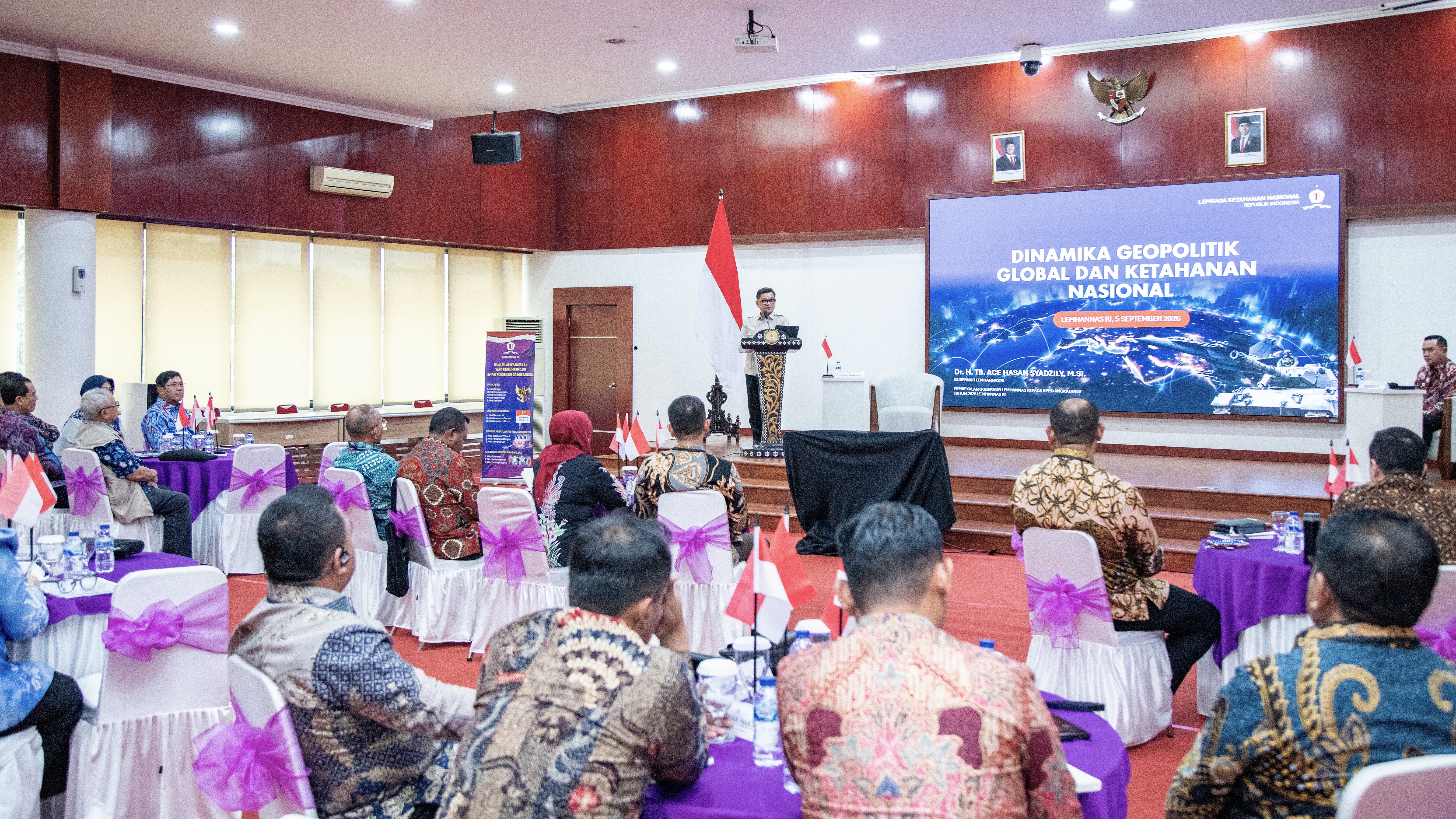
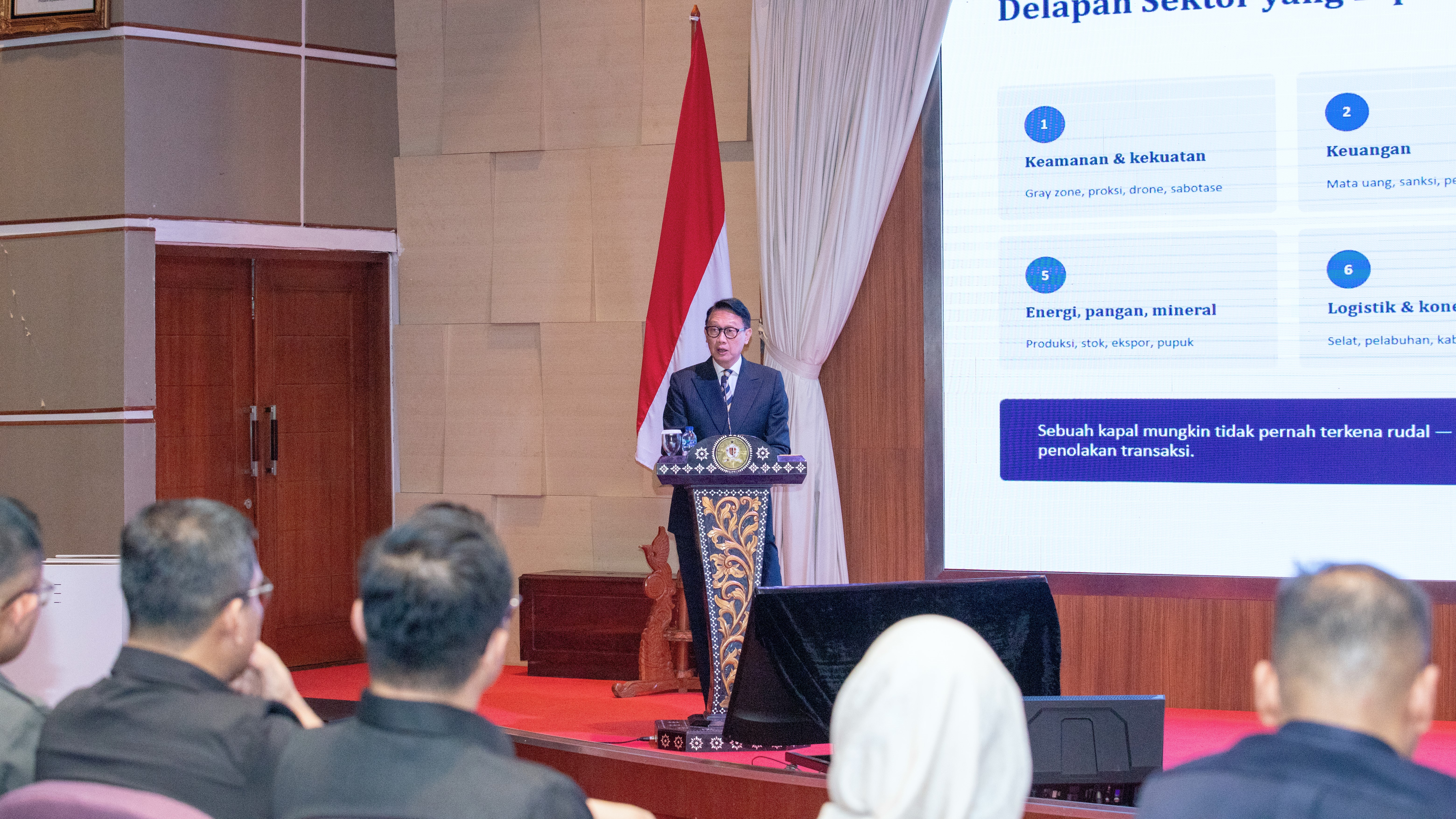
“For small and middle-power countries, including Indonesia, multilateralism is a strategic necessity to safeguard sovereignty, predictability, fair cooperation, and peace amidst an increasingly fragmented international order,” the Governor of Lemhannas RI, Dr. H. TB Ace Hasan Syadzily, M.Si., stated. This was stated during the closing of the Jakarta Geopolitical Forum (JGF) X/2026, held at the Binakarna Auditorium, Bidakara Hotel, on Thursday (July 9). Furthermore, the Governor of Lemhannas RI emphasized that the discussions held have reaffirmed that multilateralism is not merely an idealistic aspiration.
On this occasion, the Governor expressed his hope that the outcomes of the discussions at JGF X/2026 would not just end up as academic notes but would serve as practical strategic references in navigating the continuously evolving geopolitical, geoeconomic, and technological landscapes. Lemhannas RI will compile the results of these discussions and formulate them into substantive recommendations as policy inputs for national policymakers.
Furthermore, the Governor outlined the key takeaways from each plenary session. The first plenary session yielded the lesson that the decline of multilateralism is not solely an institutional issue, but also a reflection of shifting power relations, strategic ambiguity, and a diminishing respect for international norms. In this context, middle powers are required to continuously champion rules-based cooperation through regional coalitions, legal innovations, and consistent diplomacy.
Meanwhile, the second plenary session emphasized that economic policies are now increasingly influenced by security considerations. Tariffs, sanctions, critical minerals, green industry policies, currency competition, and supply chain reconfigurations are no longer merely economic issues; they have become strategic instruments that demand resilient, adaptive, and pragmatic national policy responses.
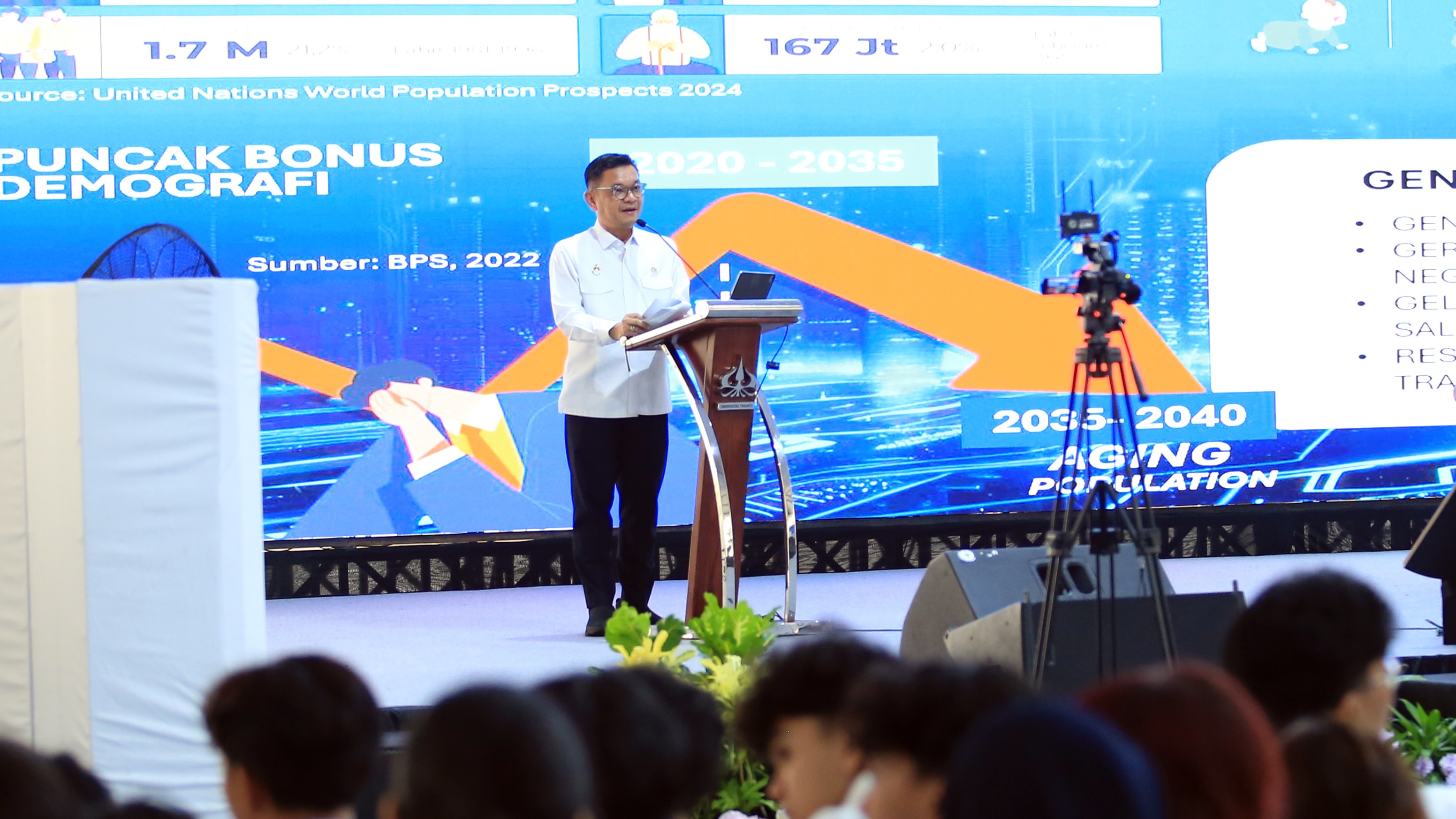
The third plenary session highlighted that technological competition, cybersecurity, artificial intelligence, digital infrastructure, and the future of work will shape the quality of national resilience in the future. The demographic dividend will only become an advantage if it is supported by human capital development, digital skills, data governance, ethical AI, and secure critical infrastructure.
The Governor assessed that the exchange of views among the attending speakers illustrated that middle-power countries must not become passive objects of global fragmentation. These countries must remain active in forging cooperation, strengthening regional resilience, expanding strategic partnerships, and upholding fair, inclusive, and rules-based international cooperation.
Therefore, Indonesia’s free and active foreign policy remains highly relevant. This policy allows Indonesia to collaborate with all partners, avoid over-reliance on any single power, safeguard national interests, and contribute to a more balanced and peaceful international order.
For Indonesia, the way forward is to strengthen resilience at three levels: national resilience through robust institutions, human capital, economic competitiveness, energy security, and digital readiness; regional resilience through ASEAN cohesion and practical cooperation; and global resilience through the revitalization of multilateralism and respect for international law.
Concluding his remarks, the Governor of Lemhannas RI expressed his gratitude to all parties who participated and collaborated. He hoped that the connections and ideas formed during JGF X/2026 will continue to develop into concrete cooperation for Indonesia, the region, and the broader international community.
Meanwhile, the Acting Deputy for Strategic Studies of Lemhannas RI, Maj. Gen. (Marine) Ipung Purwadi, M.M., when delivering the forum’s summary, explained four key takeaways from the overall discussions. These include: multilateralism is being renegotiated, not abandoned; the active role has shifted to middle-power countries; the decisive battlegrounds of competition are shifting from tariffs and territories to standards and capabilities; and human capital has become the most defining ultimate constraint.
The deputy also added that the proceedings and exchange of ideas in this forum will serve as a reference for drafting a summary of outcomes and policy recommendations that Lemhannas RI will submit to relevant stakeholders. (NA/CHP/DA)