Wamendiktisaintek Labels Misinformation and Disinformation a Global Threat
News & Article Wednesday, 02 September 2026, 12:00
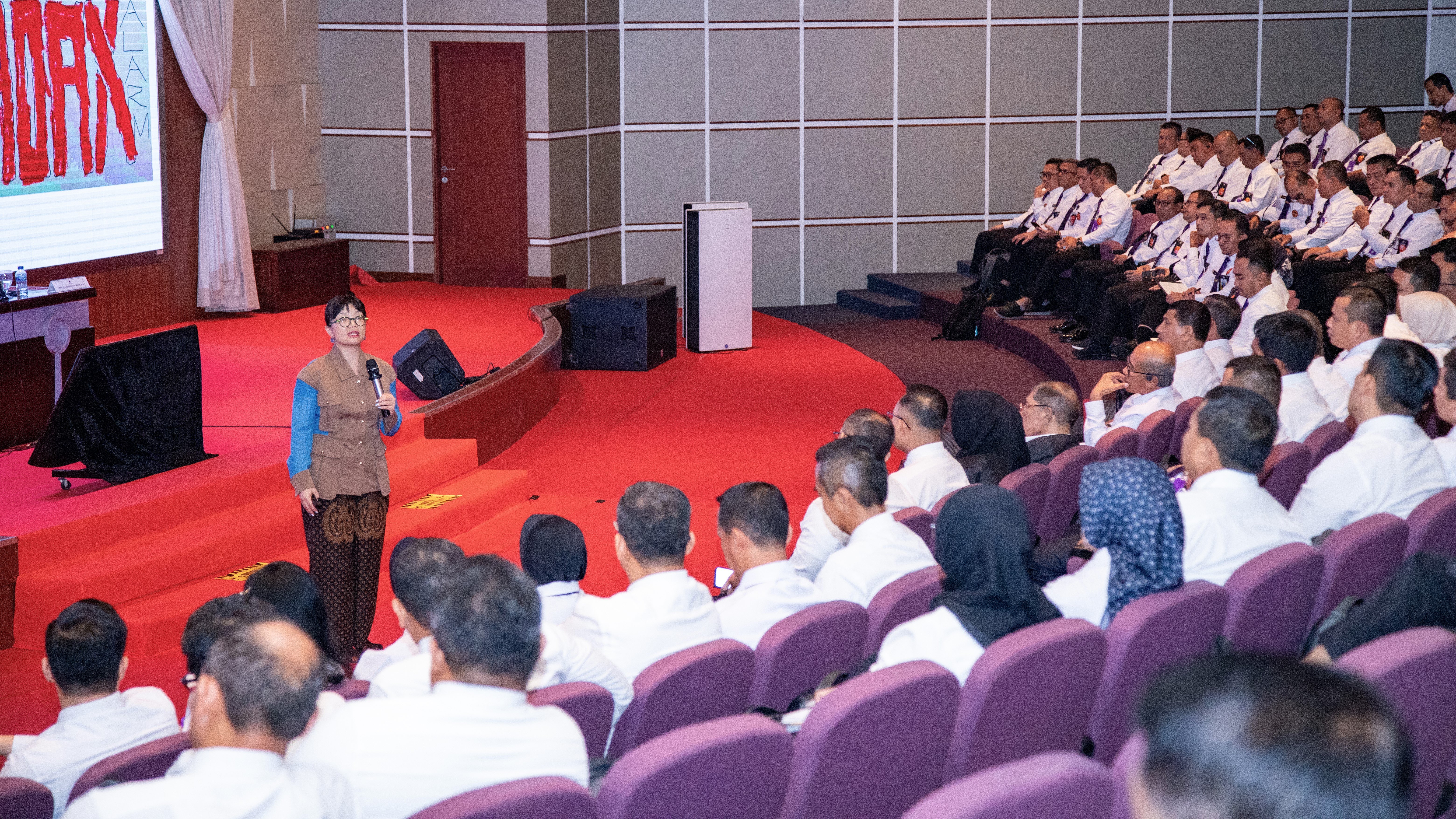
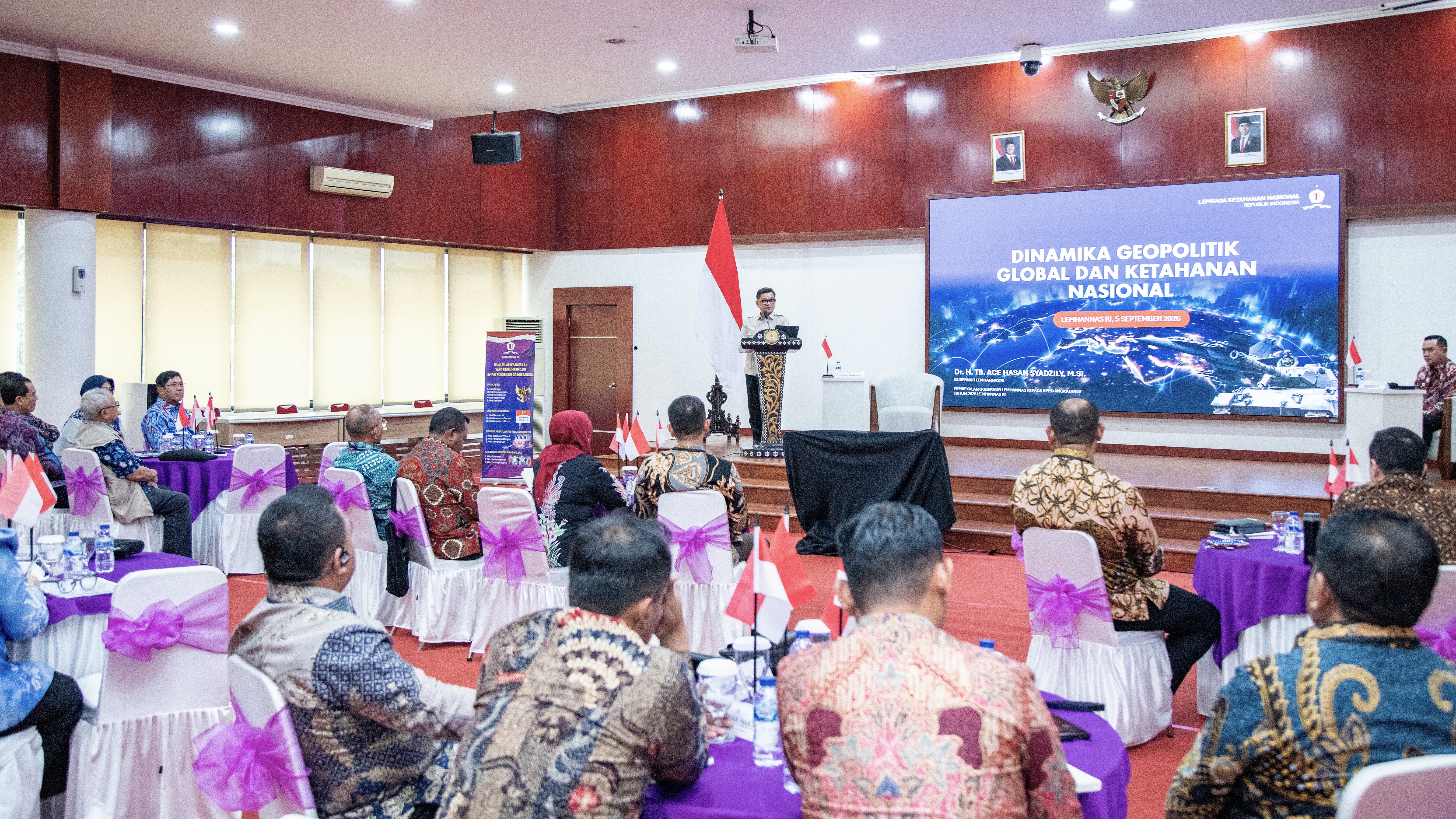
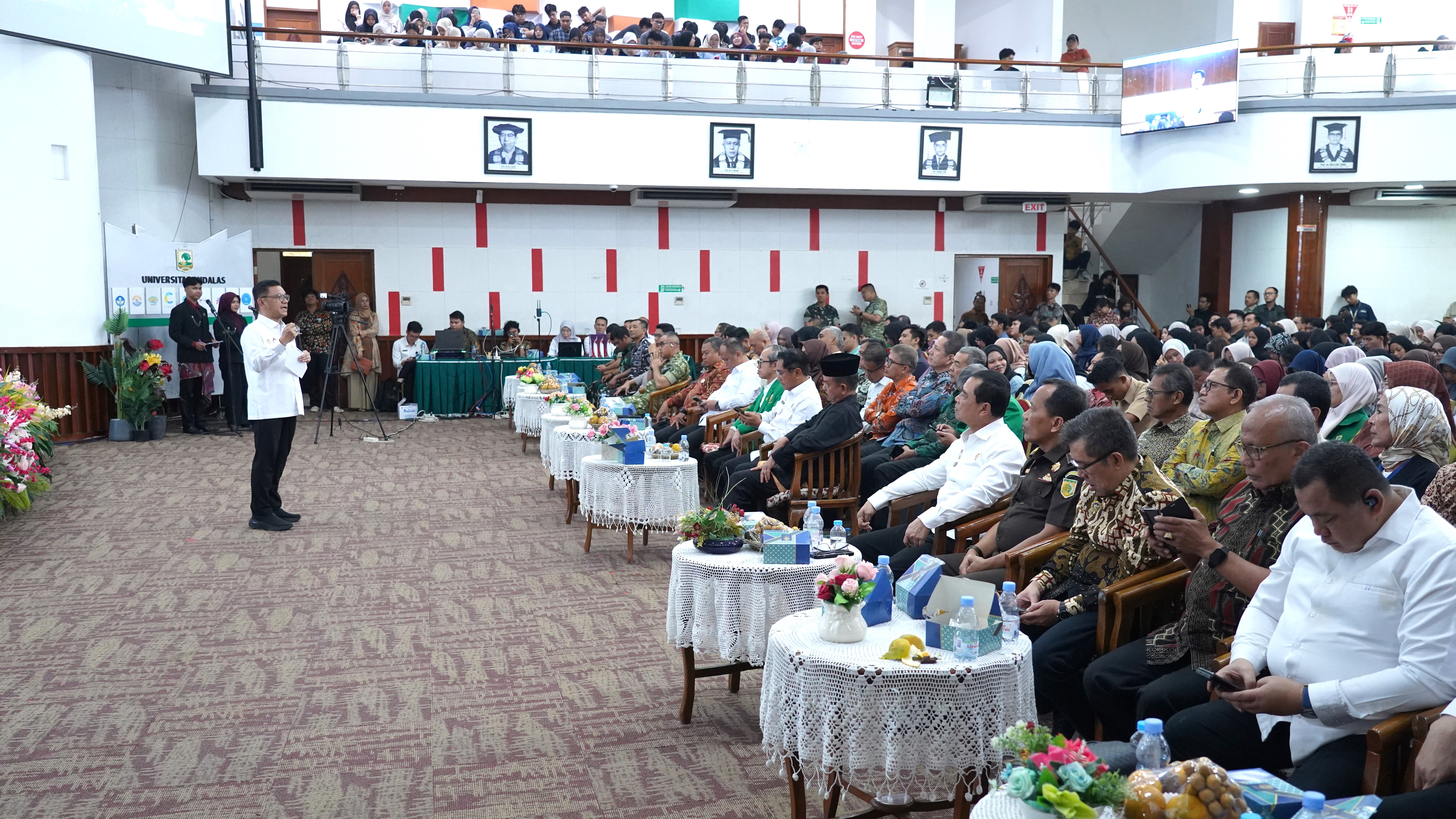
"Our policies must be designed to both anticipate and overcome the widespread issue of hoaxes in Indonesia," the Deputy Minister of Higher Education, Science, and Technology of the Republic of Indonesia (Wamendiktisaintek RI), Stella Christie, said during a general lecture to the participants of the Preparation and Consolidation Program for National-level Leaders (P4N) Batch 70 of Lemhannas RI on Wednesday (September 2).
During the lecture, the Deputy Minister noted that misinformation and disinformation have grown from national issues into global threats. Data from the UN Global Risk Report show that over 1,100 experts from 136 countries rank misinformation and disinformation among the most serious threats today. "Pandemics, AI, and pollution are all major issues, but the threat of misinformation is on an entirely different, even more serious level," she remarked.
The Deputy Minister presented a cognitive analysis of why people believe hoaxes. The first analysis focused on political partisanship and found that political preferences do not make a person more susceptible to believing a hoax, even when the hoax aligns with their political choices. The Deputy Minister considered this to be a very positive finding.
The second analysis pertained to cognitive reflection. The Deputy Minister explained the research findings of two cognitive psychologists, Daniel Kahneman and Amos Tversky, which show that humans possess two systems of thinking: System 1 and System 2. System 1 is fast, intuitive, practical, and tends to operate automatically, whereas System 2 is slower, conscious, highly analytical, and requires effort. Consequently, System 1 is more prone to errors, while System 2 is more reliable. Both systems exist within every human; however, their application must adapt to the situation. People who frequently believe hoaxes usually rely on System 1 thinking. "If we just reflect a little, it turns out that each individual is capable of using System 2, which makes them less likely to believe in hoaxes," the Deputy Minister noted.
The third analysis focused on prior knowledge: if a disseminated hoax resembles what people already believe, it will feel true. However, this does not mean the pre-existing knowledge is incorrect; it is simply that because the received hoax is similar, it is easier to believe. The fourth analysis involved heuristics, which relate to the System 1 thinking described by Daniel Kahneman and Amos Tversky. Heuristics are linked to System 1 because they are mental "shortcuts" that form patterns. The first pattern is familiarity: if a hoax feels familiar, people tend to believe it more easily. The second pattern is salience, where if a hoax stands out prominently in one's mind, it becomes easier to believe.
On this occasion, the Deputy Minister said the long-term solution to combating hoaxes is education through training in critical information sorting. However, this does not automatically guarantee success, as many challenges can undermine it. In fact, focusing too heavily on filtering "fake news" can lead to cynicism toward all news, including factual news.
Concluding her lecture, the Deputy Minister invited all P4N Batch 70 participants to collaborate on formulating policies and regulations so producers can carry out the news dissemination business model more responsibly. (NA/CHP/DA)