Beyond a Single Crisis: Indonesian Deputy Foreign Minister Warns of an Intertwined Global Nexus
News & Article Tuesday, 01 September 2026, 12:00
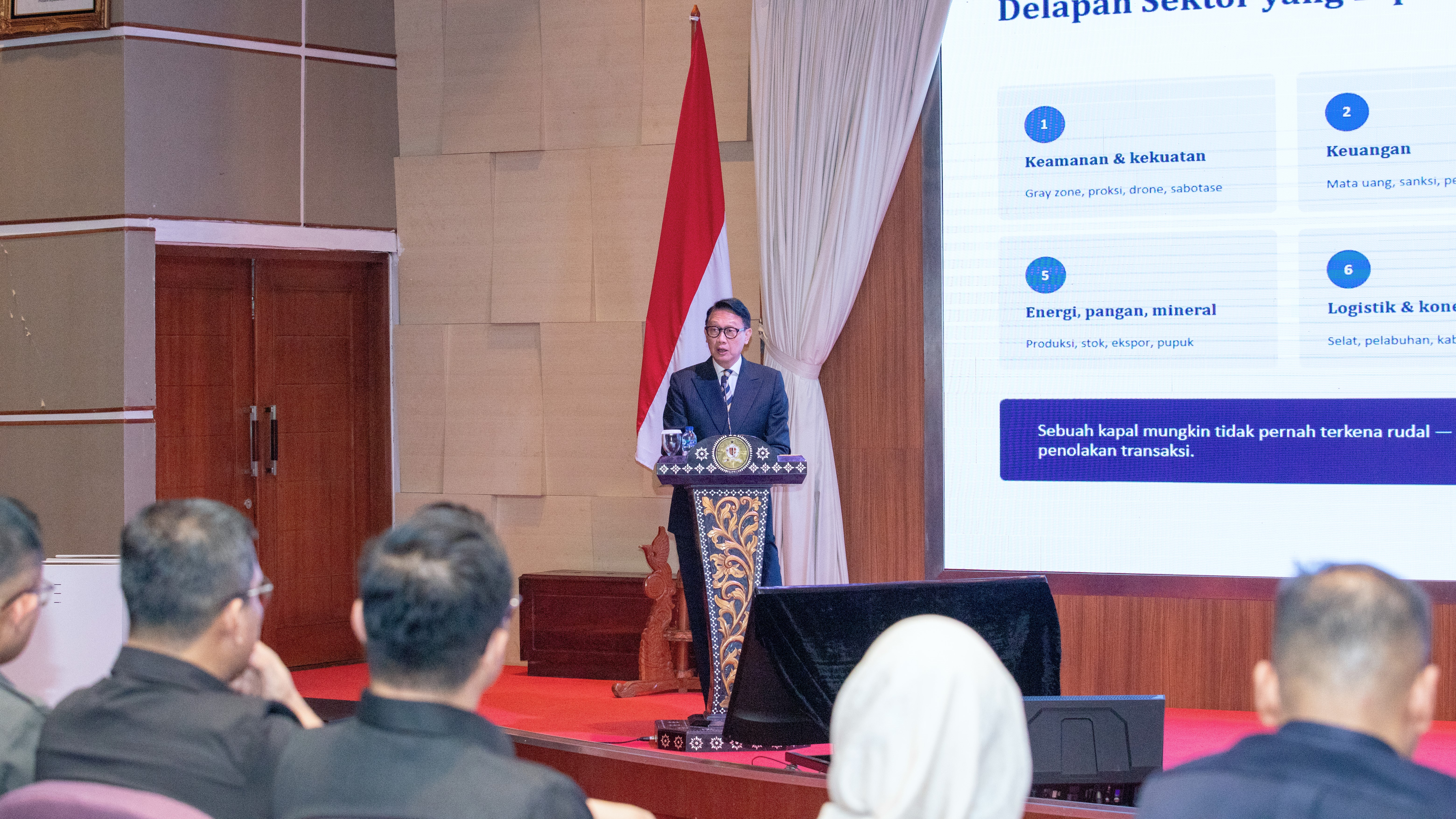
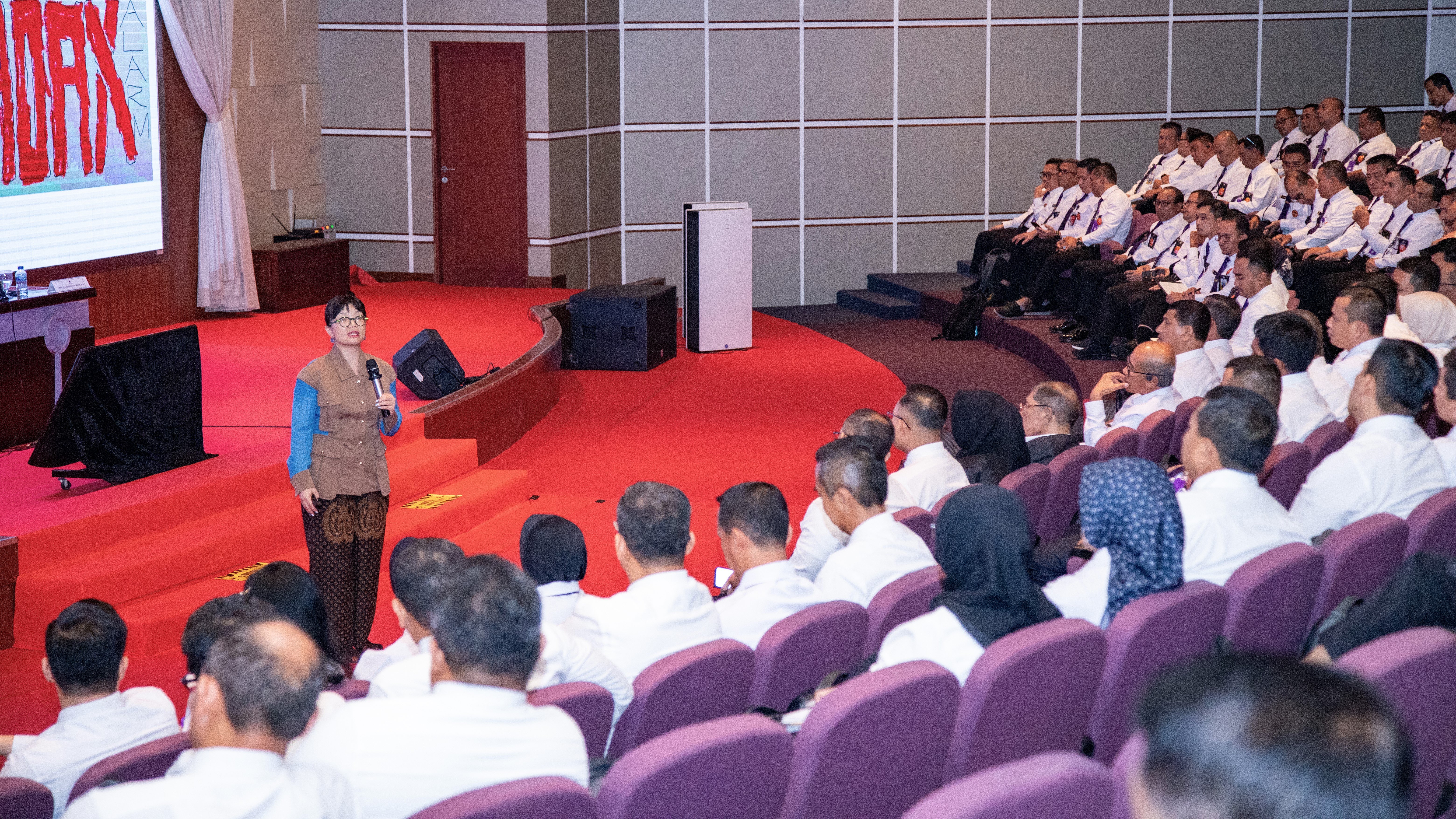
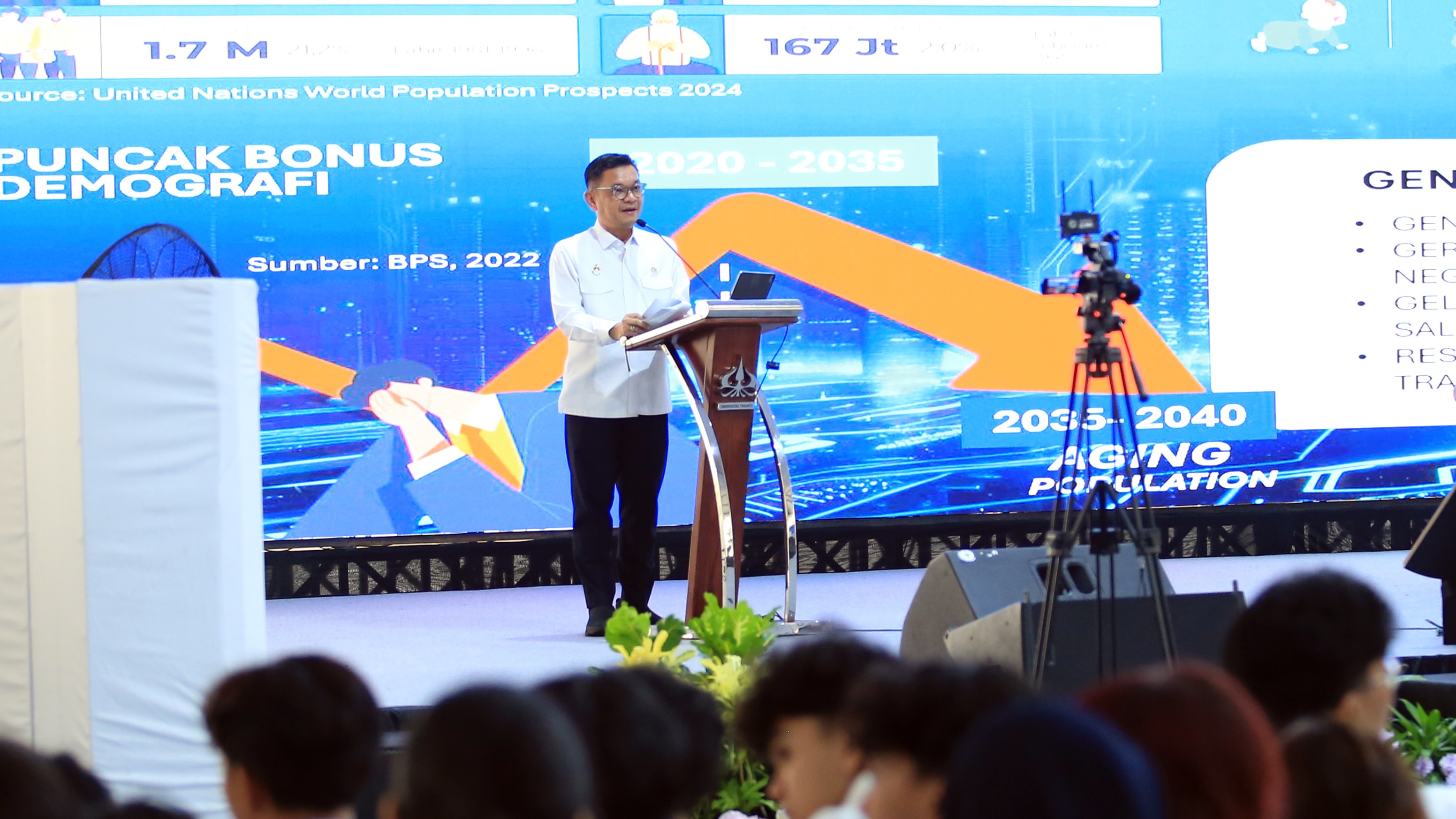
"In foreign policy, our fundamental principle is free and active. Not neutral," the Deputy Minister of Foreign Affairs of the Republic of Indonesia, Arif Havas Oegroseno, said during a general lecture for the participants of the Preparation and Consolidation Education Program for National-level Leaders (P4N) Batch 70 and Lemhannas RI personnel at the Gadjah Mada Auditorium on Tuesday (September 1). On this occasion, the Deputy Minister delivered a speech on "Anatomy of Global Instability 2025-2030: Threat Projections and Indonesia's Strategic Position to Strengthen National Resilience."
The Prime Secretary of Lemhannas RI, Police Commissioner General Dr. Gatot Tri Suryanta, M.Si., opened the event by saying that the current global strategic environment is continuously evolving, marked by geopolitical rivalry, armed conflicts, economic uncertainty, technological change, and the emergence of various multidimensional non-military threats. "This condition requires Indonesia to possess the ability to read changes sharply and accurately to anticipate various potential threats, take a strategic position, and protect national interests," the Lemhannas RI Prime Secretary said.
Therefore, the general lecture theme is highly relevant, particularly for understanding the development of the global strategic environment. This understanding provides a foundation for building national leadership that is adaptive, visionary, and capable of formulating appropriate policies amid dynamic and uncertain situations.
Furthermore, the Deputy Minister explained that a "free" policy means not being dependent on other parties or alliances in decision-making. "So we must have alternatives and independence; in the foreign affairs world, this is often referred to as strategic autonomy. So, a strategic level of autonomy," the Deputy Minister noted. Meanwhile, "active" means not remaining passive, but following the rules and actively offering solutions, such as being involved in global peacekeeping forces.
In the current geopolitical context, everything can be weaponized. To that end, the Deputy Minister recommended six shields of strategic resilience. First, auditing national critical dependencies by mapping supplier concentrations, routes, and currencies annually. Second, diversification without decoupling: seeking new partners without abandoning old ones. Third, building buffers and alternative nodes through energy and food reserves, alternative routes, and payment backups. Fourth, transforming resources into capabilities by developing technology and skills through downstreaming.
"Resources must become power; potential, if not acted upon, will merely remain potential," he stated.
Fifth, make ASEAN a geoeconomic platform by accelerating connectivity and crisis response. Sixth, secure the digital and cognitive stack, ranging from data and chips to AI literacy and crisis communication.
Concluding his general lecture, the Deputy Minister emphasized that Indonesia is currently facing a shift in how things work. What we face now is not just a single crisis, but an intertwined knot. A nation's resilience depends on its ability to stay connected and strong, even when cut off from a single node. "It is a new condition occurring in the world that requires a sharper, deeper assessment if we wish to understand the anatomy of global issues and how we must make efforts to anticipate and overcome them," the Deputy Minister of Foreign Affairs concluded. (NA/CHP/DA)