KPK Deputy Chairman Urges Third KPPD Participants to Become Leaders of Integrity
News & Article Wednesday, 15 July 2026, 15:00
|
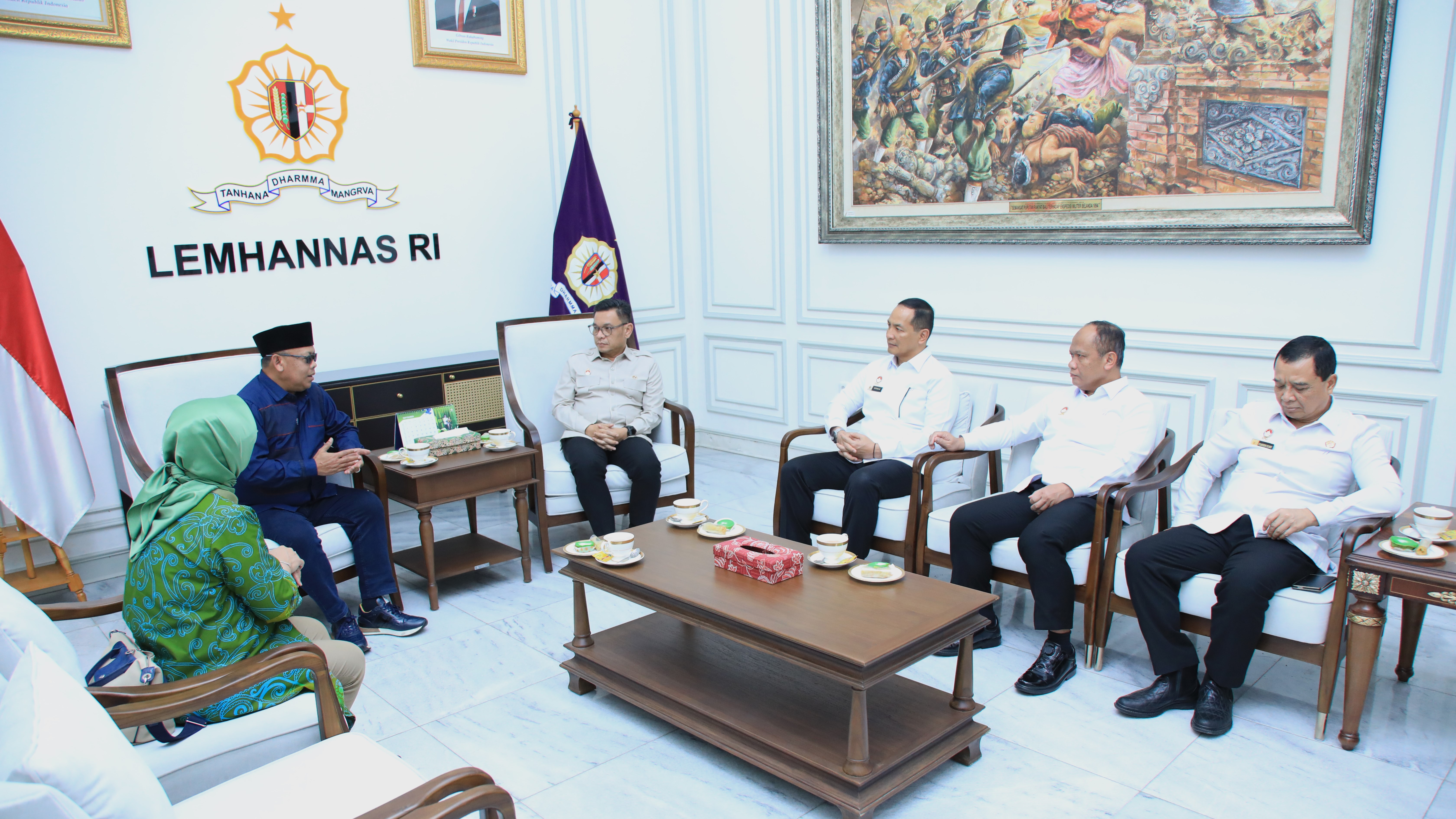
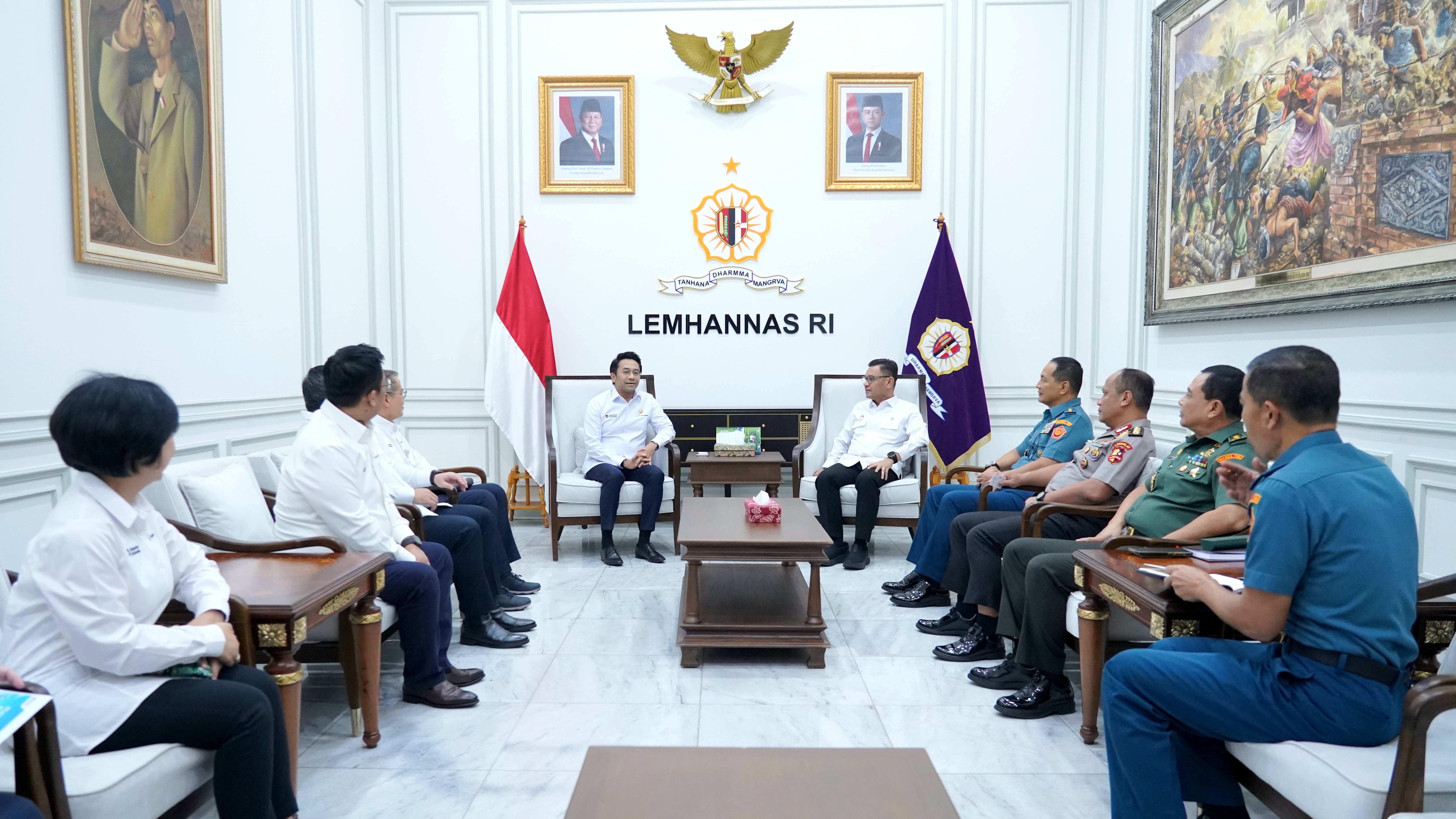
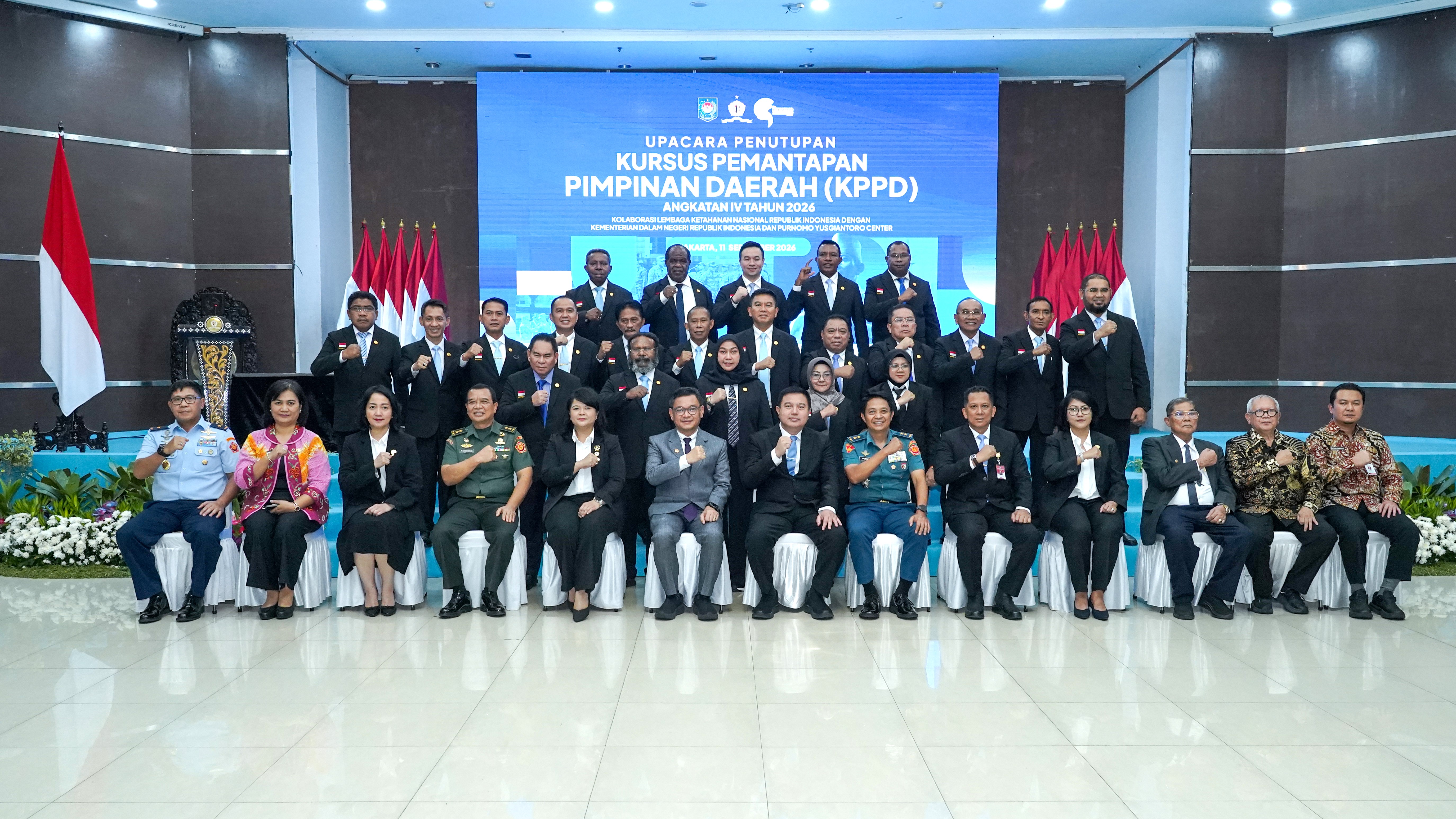
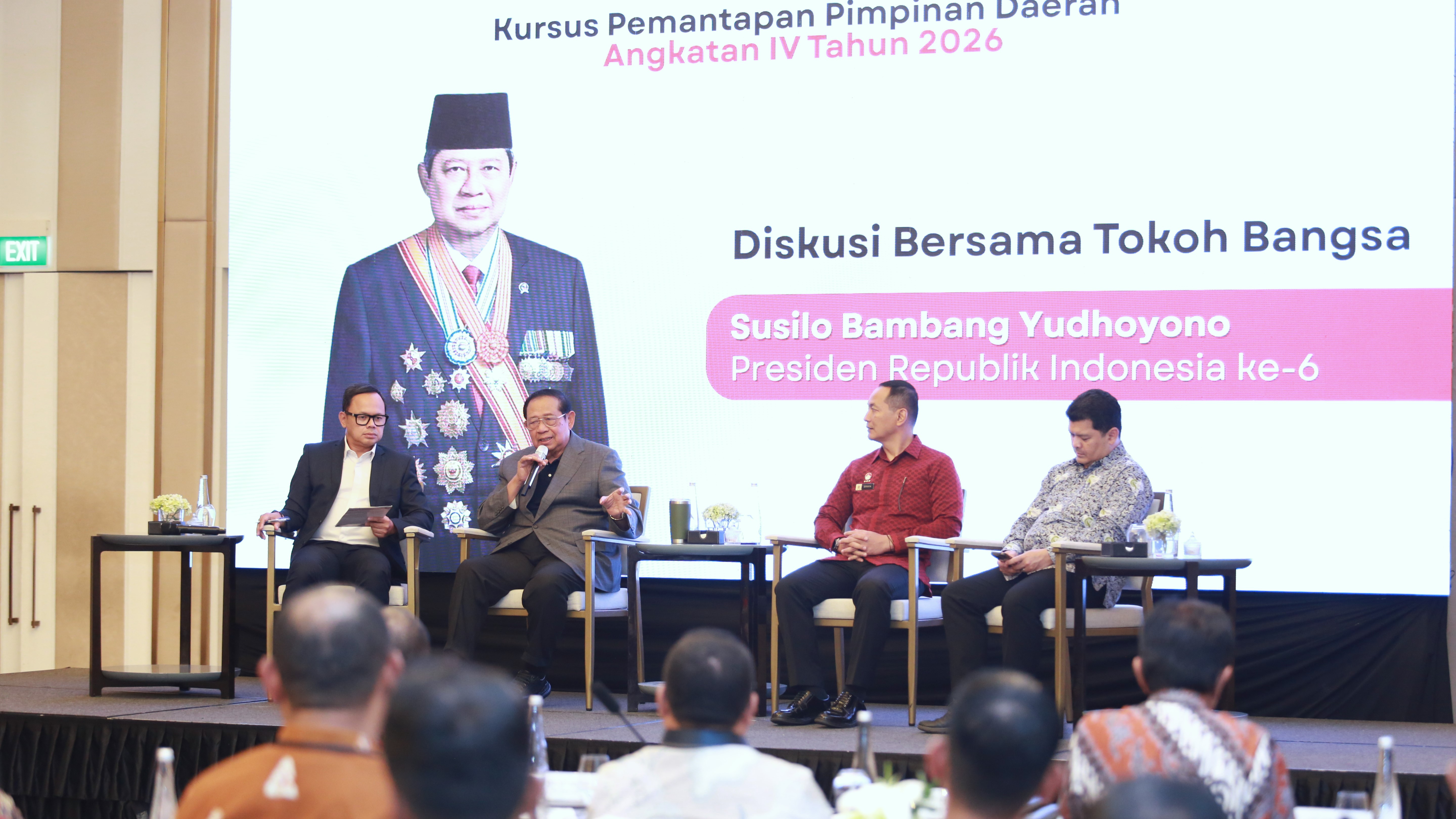
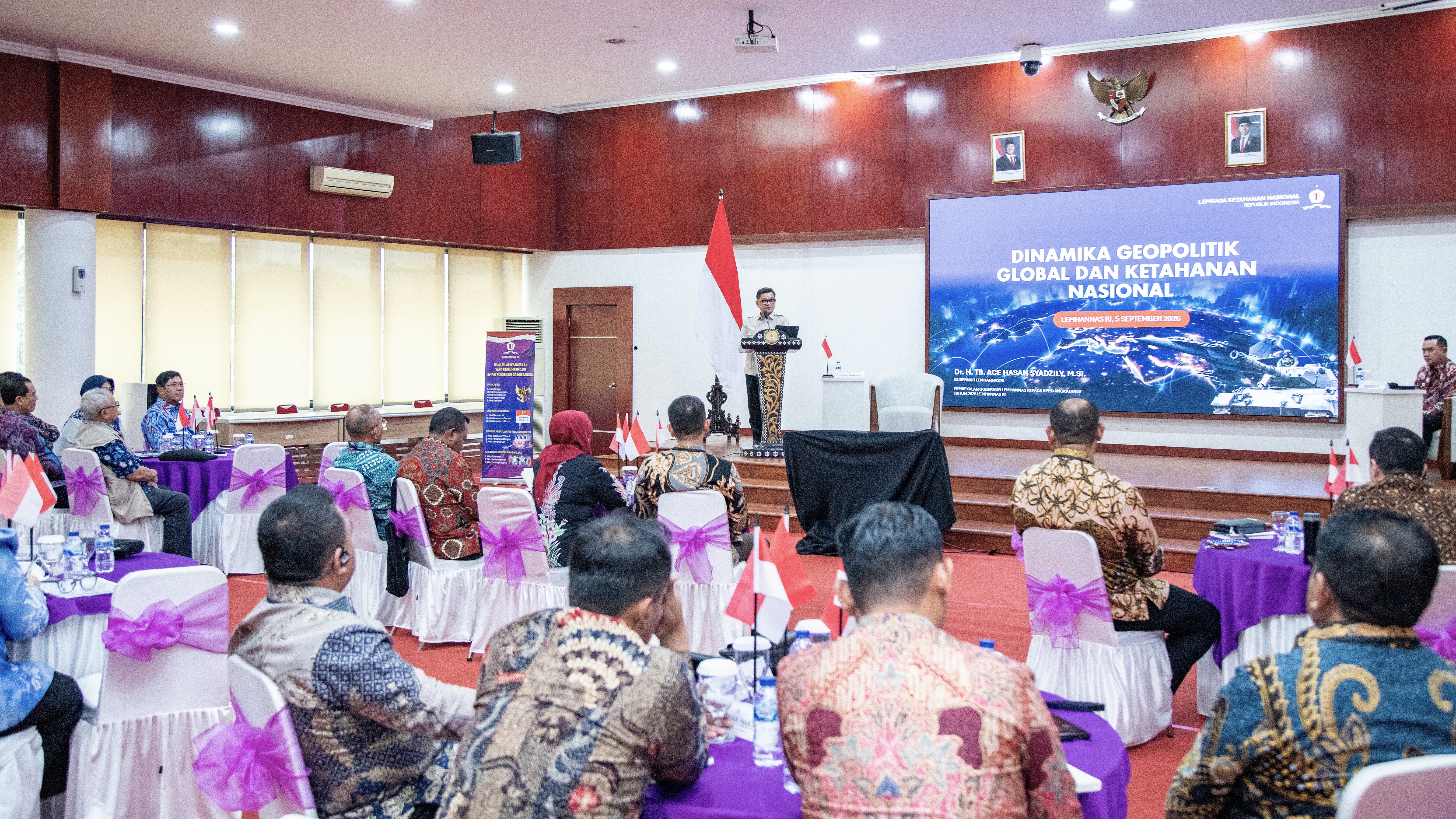
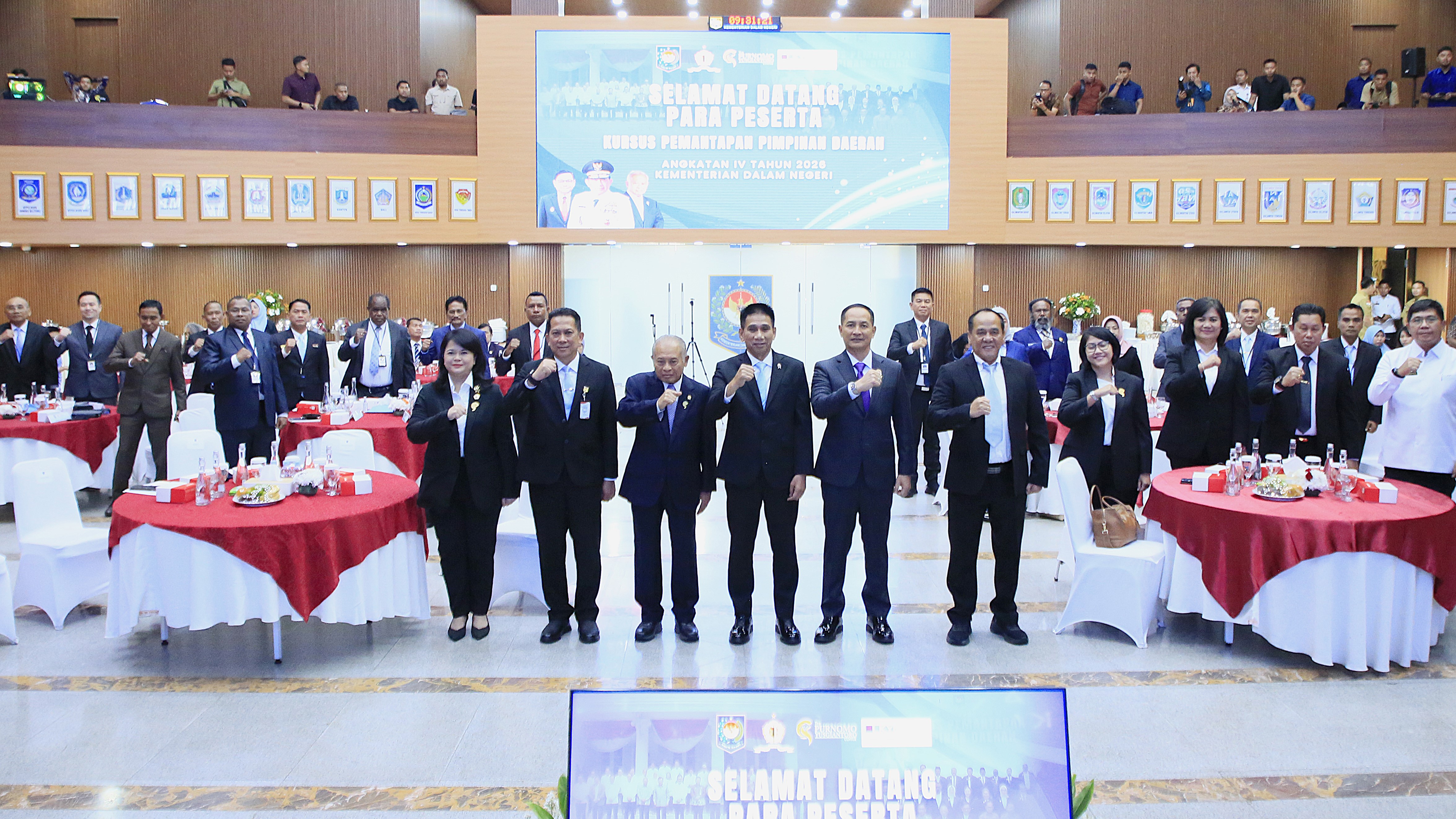
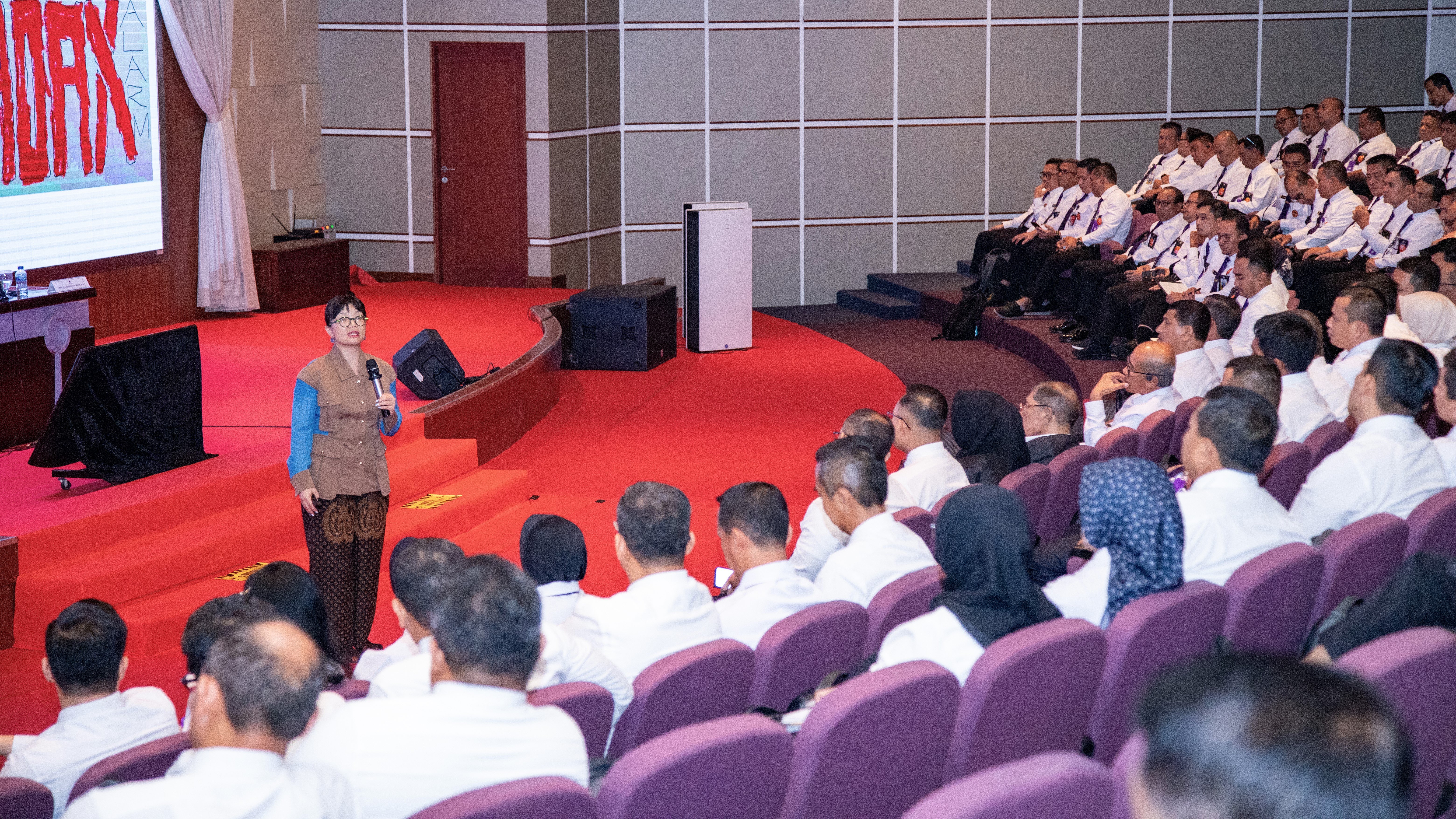
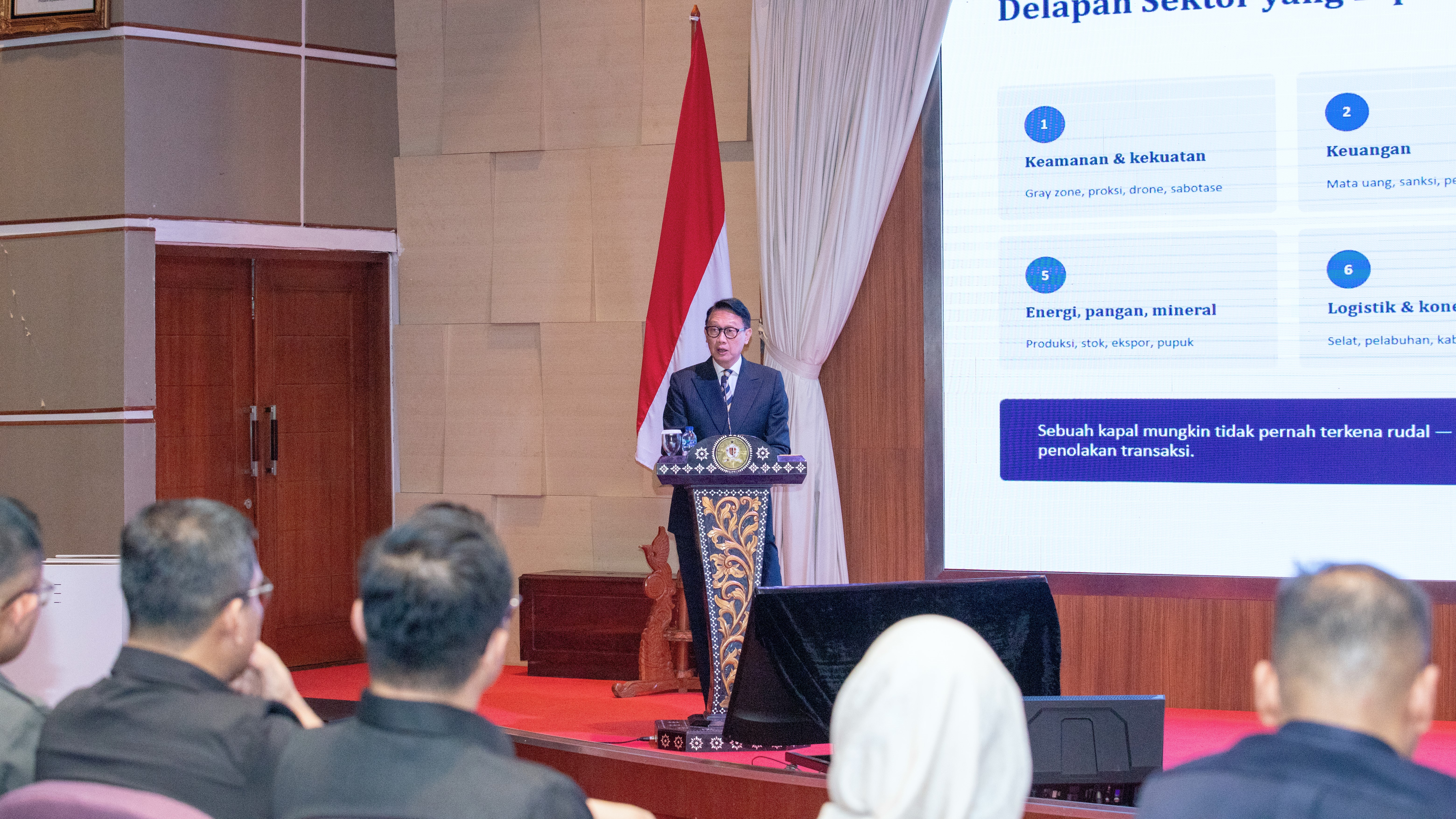
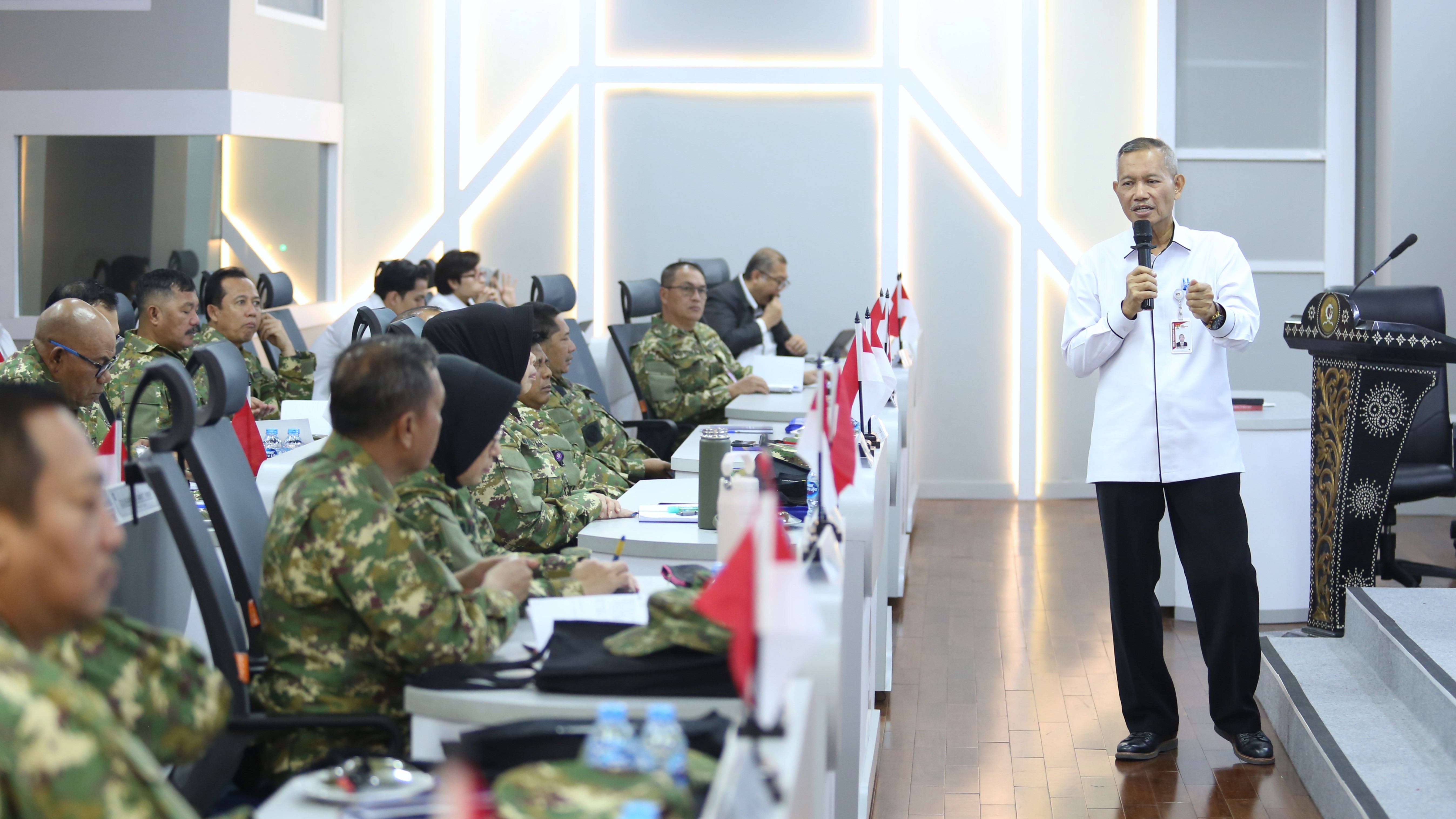
The Third Batch of the Regional Leadership Strengthening Course (KPPD) invited the Corruption Eradication Commission (KPK) to equip regional heads with an understanding of the importance of integrity-based leadership in promoting clean, accountable and public service-oriented governance. The session was held at the Purnomo Yusgiantoro Room, Lemhannas RI, on July 15. The briefing was delivered by KPK Deputy Chairman Ibnu Basuki Widodo, who presented a lecture titled "Integrity: Leaders of Integrity, Regions of Dignity." "The 1945 Constitution and the constitutional values it embodies provide the moral and legal foundation for all of us to reject and combat corruption in all its forms," Ibnu said at the outset of his presentation. He emphasized that the quality of leadership is a determining factor in the success of bureaucratic reform and regional development. Therefore, he said, strengthening integrity must become part of the national strategic agenda, as stipulated in the 1945 Constitution, the seventh Asta Cita priority, and the 2025–2029 National Medium-Term Development Plan (RPJMN). Ibnu also noted that corruption has several adverse impacts, including distorting prices and fair business competition, undermining the rule of law, lowering the quality of life and sustainable development, weakening democratic processes, violating human rights and enabling other crimes to flourish. He explained that the KPK employs three main strategies: the Regional Leadership Strengthening Course. According to Ibnu, anti-corruption education aims to cultivate individuals with strong morality, character and integrity. Such values are reflected in an individual's willingness to refrain from corruption even in the absence of effective oversight or under weak regulatory frameworks. Prevention is carried out through improvements to governance systems, while enforcement is undertaken through legal action once criminal offenses have occurred. Furthermore, Ibnu stressed that anti-corruption education should begin at an early age within the family. He said this is essential to ensure that anti-corruption values are nurtured and maintained into adulthood. Addressing the KPPD participants, Ibnu said that every regional head holds a strategic role in fostering an anti-corruption culture within their respective institutions. He emphasized that every leader must serve as a role model for all subordinates. "I pray that all of you will become regents, mayors and regional leaders of integrity, capable of leading your people toward prosperity while upholding integrity," Ibnu concluded. (SP/CHP/MDF) |