Lemhannas RI Receives Australian Defence and Strategic Studies Course Delegation
News & Article Monday, 11 May 2026, 10:00
|
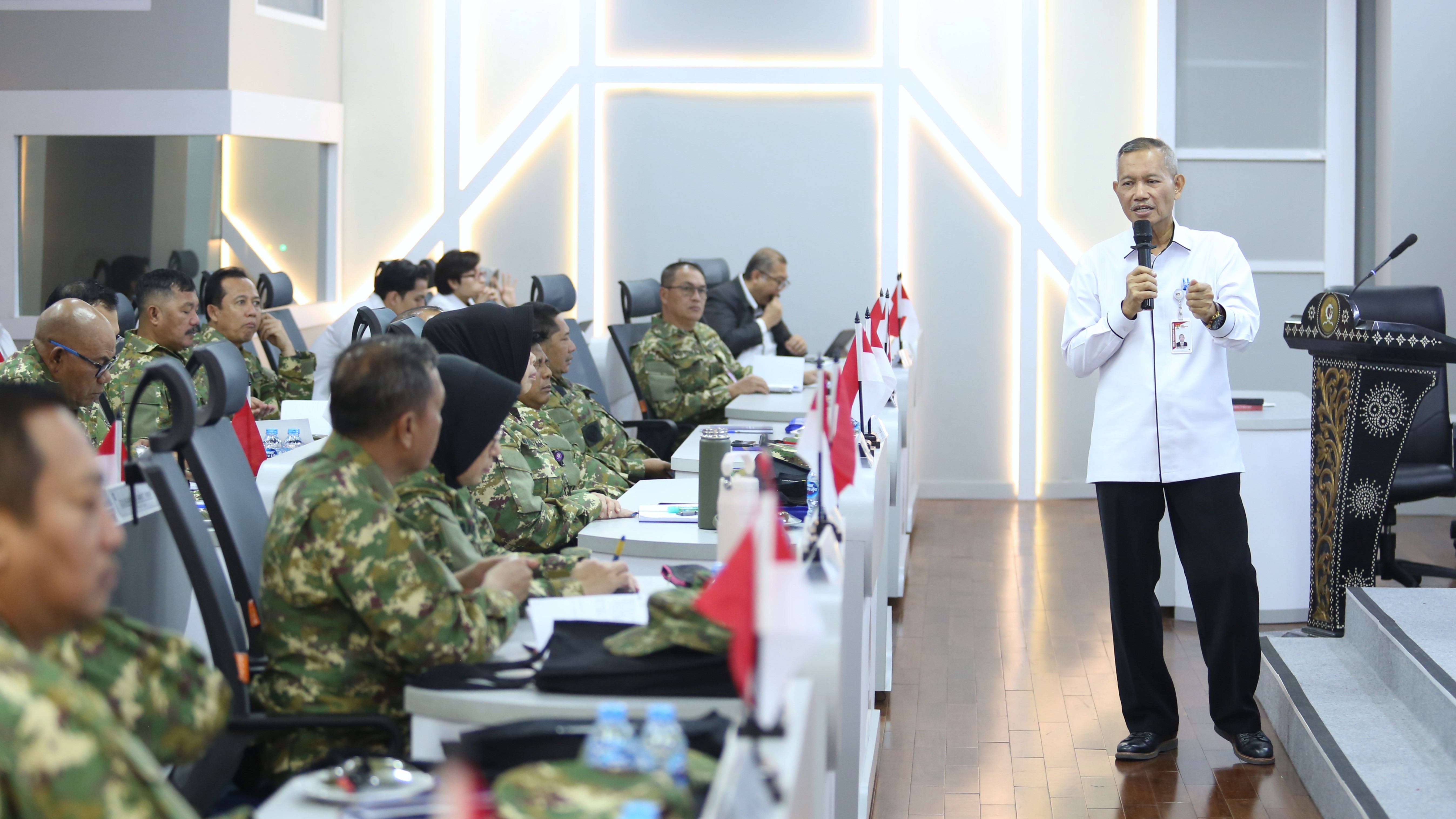
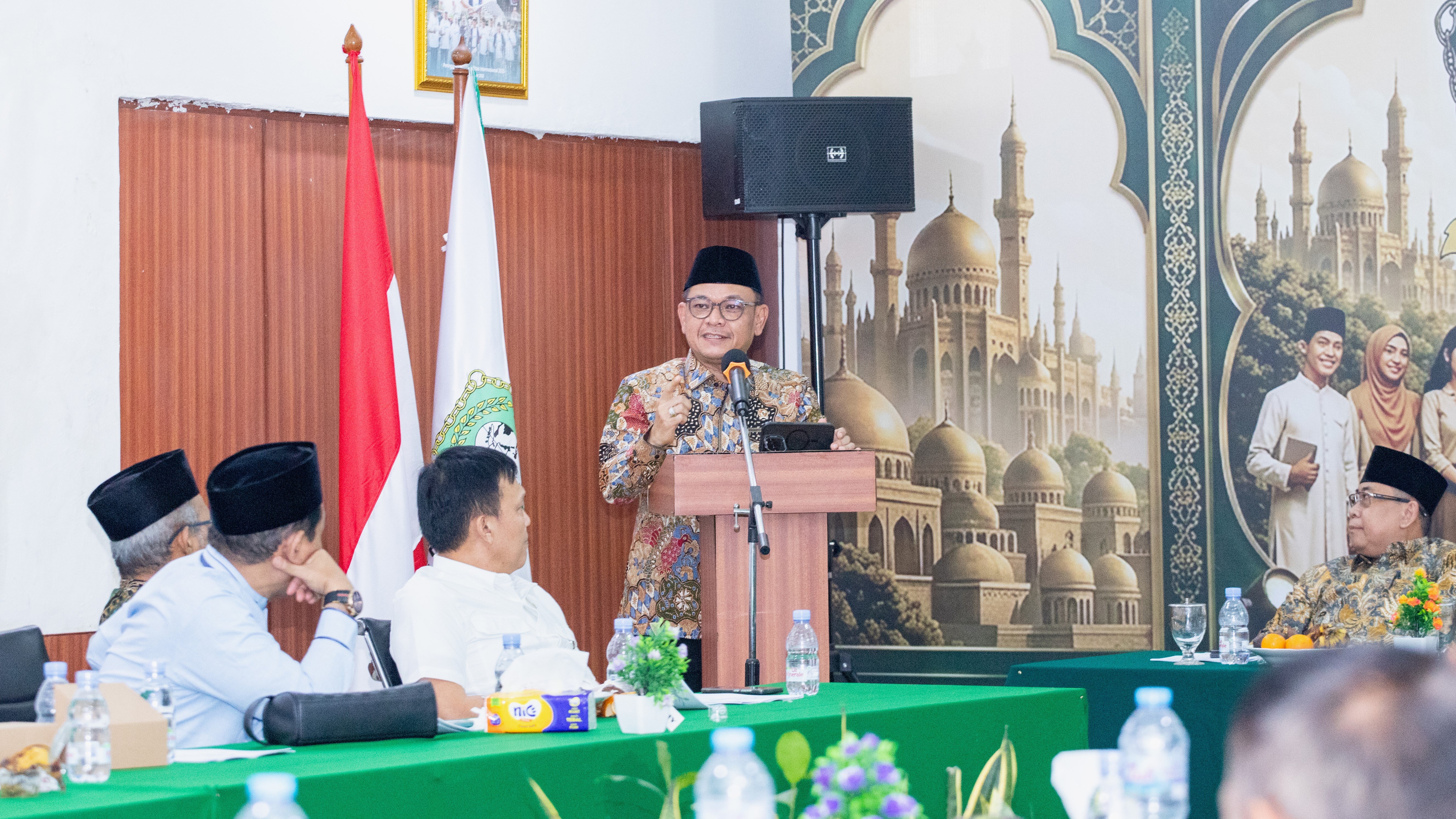
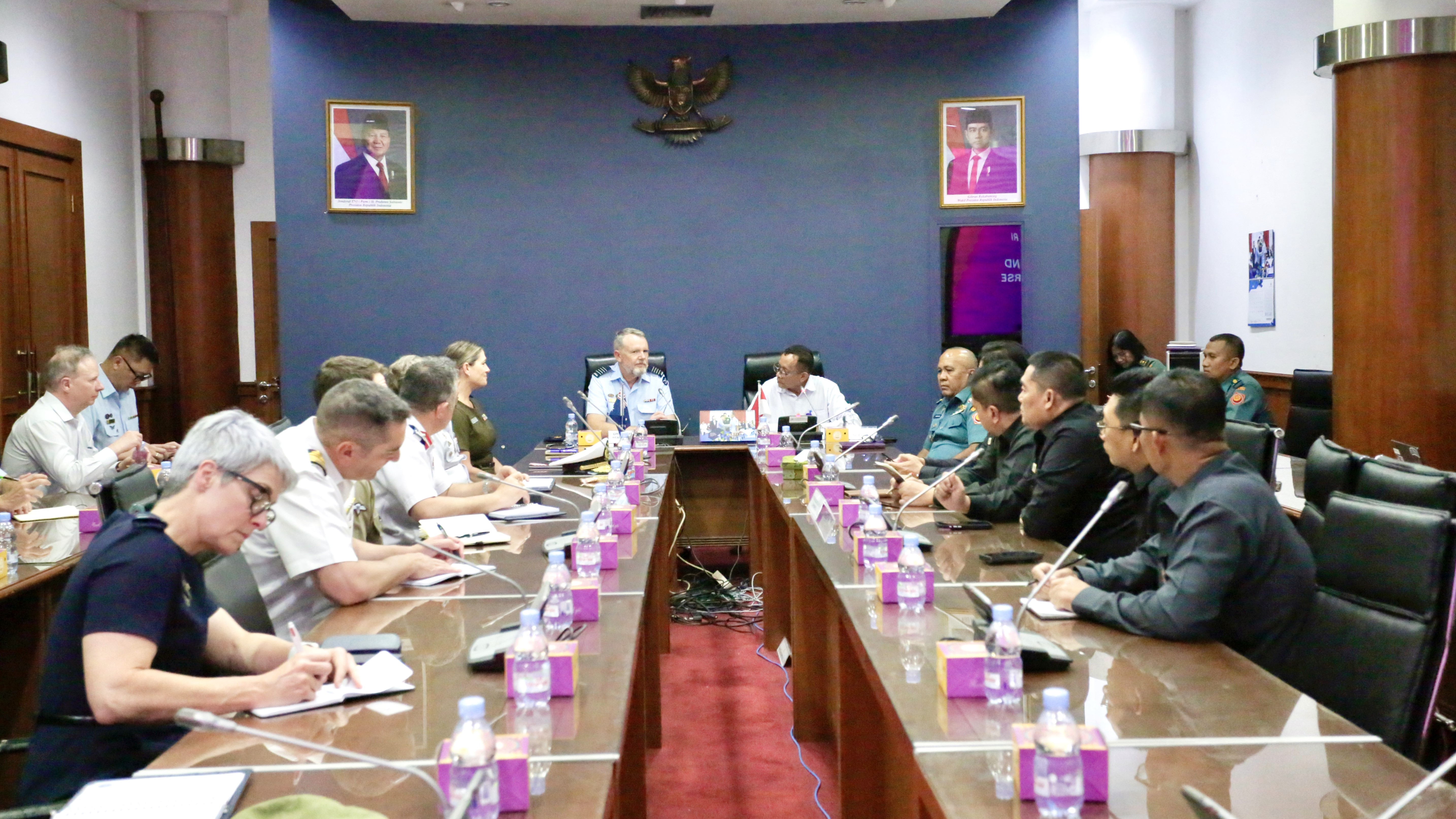
Lemhannas RI received a delegation from the Australian Defence and Strategic Studies Course (DSSC) at the Nusantara II Room, Trigatra Building, on Monday (5/11). The delegation was welcomed by Lemhannas RI Professional Expert for Geopolitics, Drs. M. Rifqi Muna, MDefStu., PhD. The DSSC delegation was led by DSSC Director Cameron Lee Neill, who highlighted the value of the visit in strengthening bilateral ties. "Opportunities created through visits like this allow us to further strengthen our relationship with our friends in Indonesia," he said. During the discussion, Rifqi Muna presented Indonesia's strategic assessment of regional defense cooperation and the role of defense policy. He noted that Indonesia and Australia are not only geographically close, sharing one of the world's longest maritime boundaries, but also situated in a dynamic region where countries are increasingly encouraged to collaborate and work together. "I believe Indonesia and Australia are no longer 'strange neighbors.' We are neighbors, we are friends, we enjoy a strong relationship, and we have been able to advance our cooperation toward shared security and defense," Rifqi Muna said. He further explained that Indonesia's security approach has become more comprehensive, reflecting the global shift from a purely military focus to broader non-military or non-traditional security concerns. At the same time, Indonesia has entered a new strategic environment shaped by rapid technological advances, including autonomous and digital systems associated with the Fourth Industrial Revolution. These technologies are increasingly being integrated into military capabilities and are influencing the formulation of defense policy. Rifqi Muna said Indonesia places significant emphasis on emerging technological developments and their application in defense technology. This also reflects Indonesia's evolving geopolitical outlook, which has expanded beyond the traditional territorial perspective to encompass the geopolitical dimensions of technology. In the context of international relations, Indonesia views technological developments as an increasingly important geopolitical issue, particularly in the evolving dynamics between major powers and emerging powers. Australia, he noted, has also given considerable attention to these issues. Rifqi Muna pointed to Australia's proactive approach to digital systems, citing its appointment of an Ambassador-at-Large for Cyberspace as evidence of its commitment. Concluding the dialogue, Rifqi Muna said Indonesia-Australia relations, particularly in the fields of security and defense, have grown substantially. He added that a solid foundation for broader cooperation has already been established, supported by strong people-to-people ties between the two countries. (SP/CHP/MDF) |