Deputy Minister: Strong Cybersecurity Key to Digital Transformation
News & Article Wednesday, 05 August 2026, 15:00
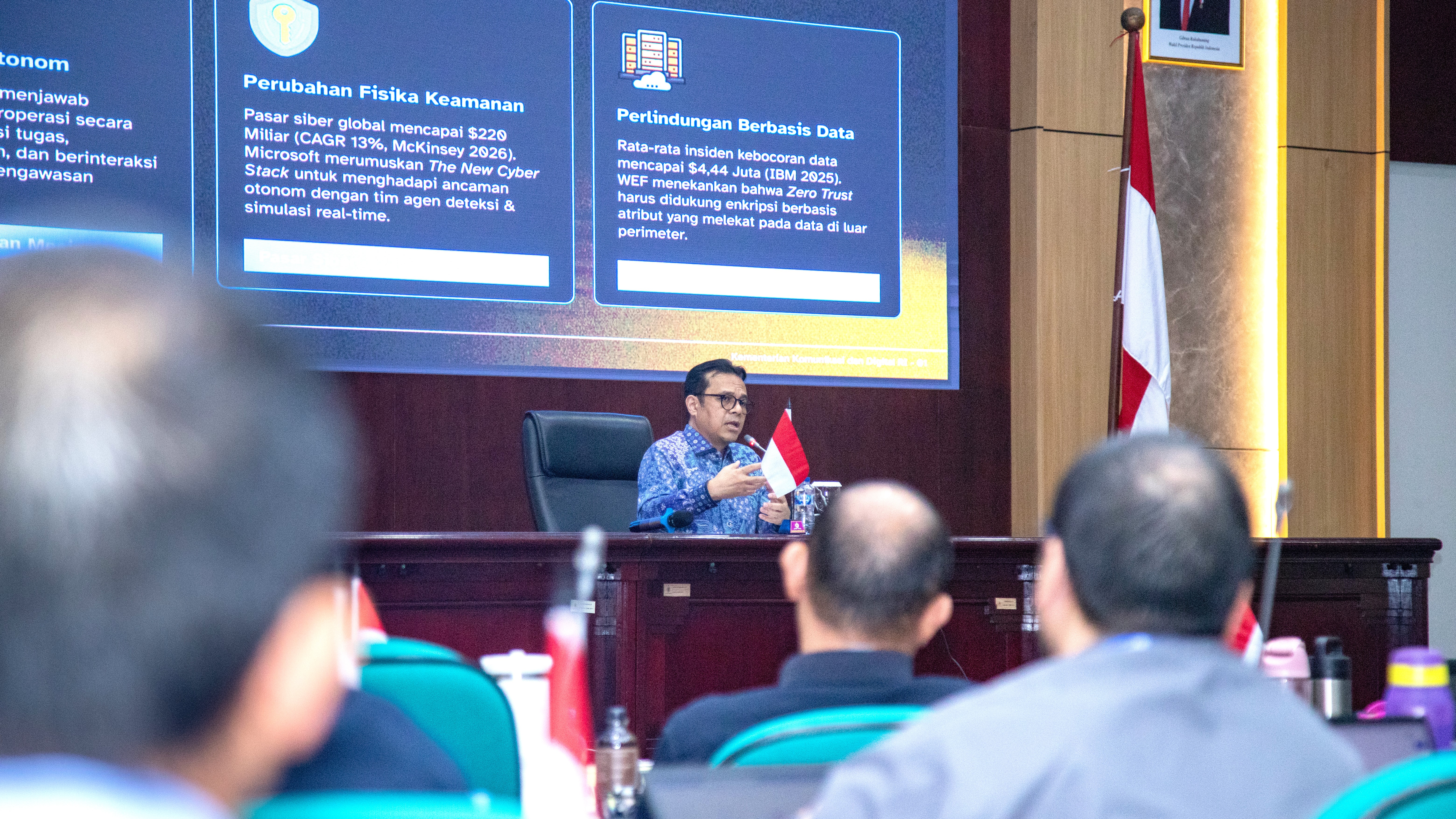
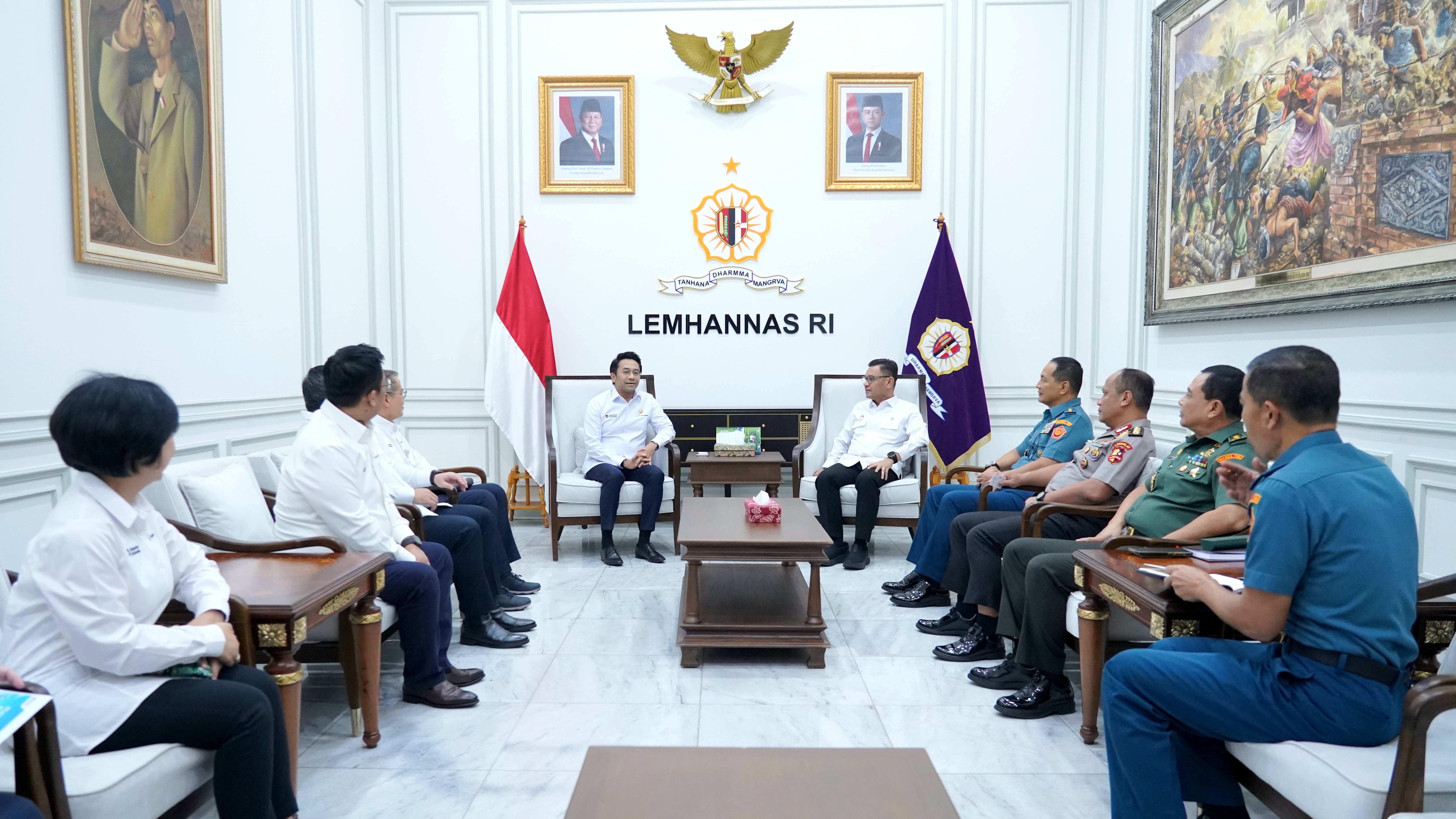
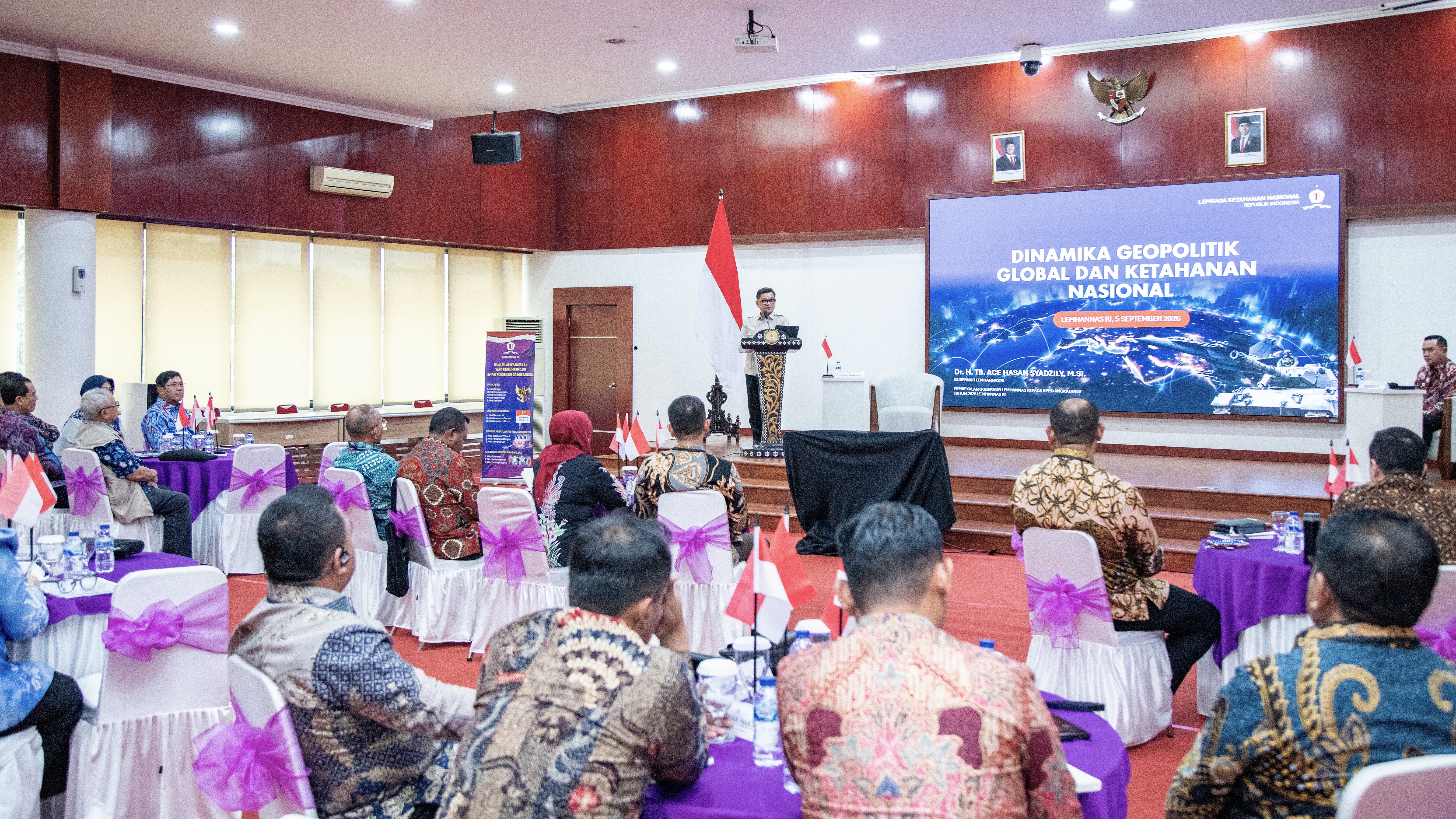
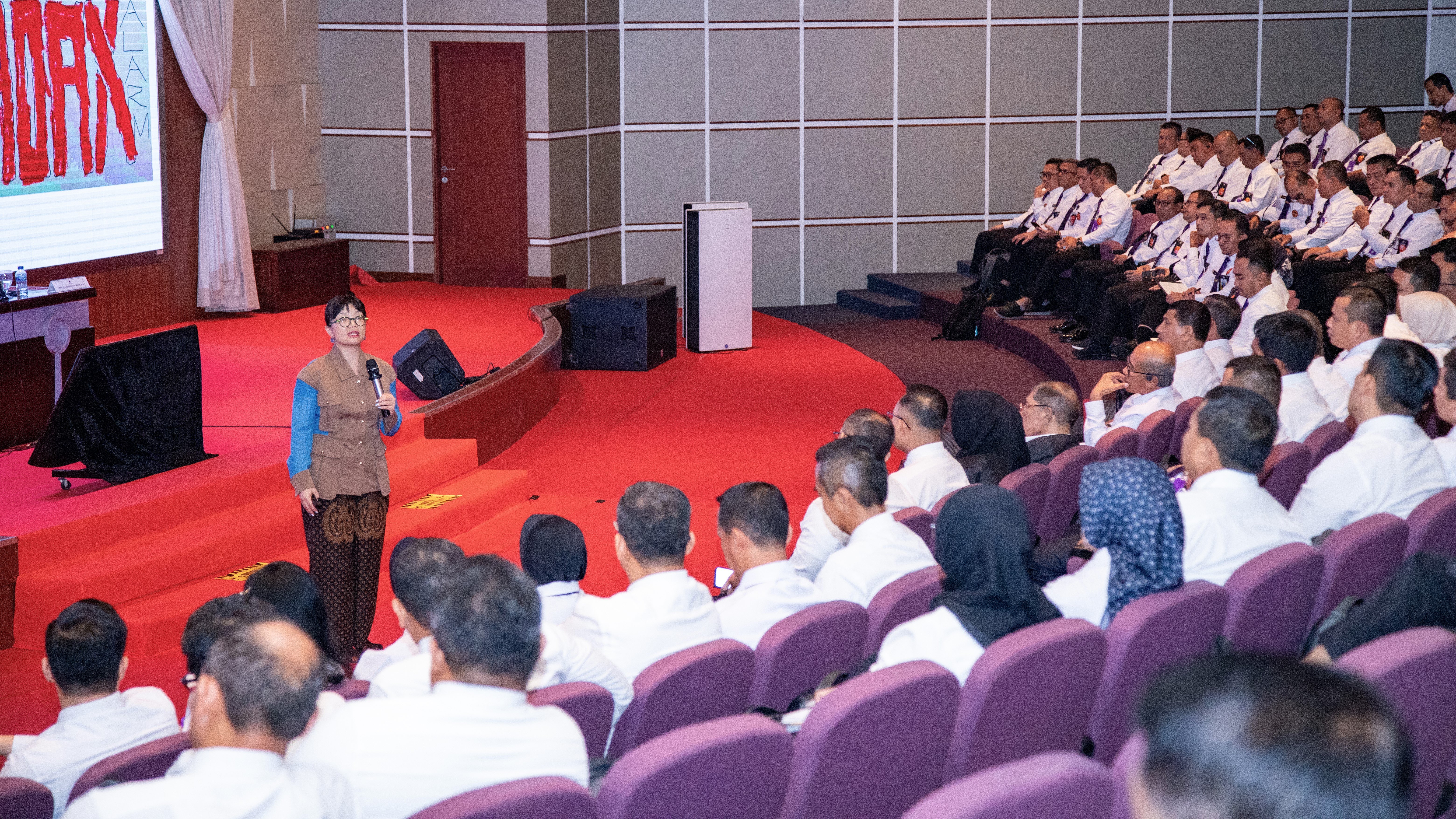
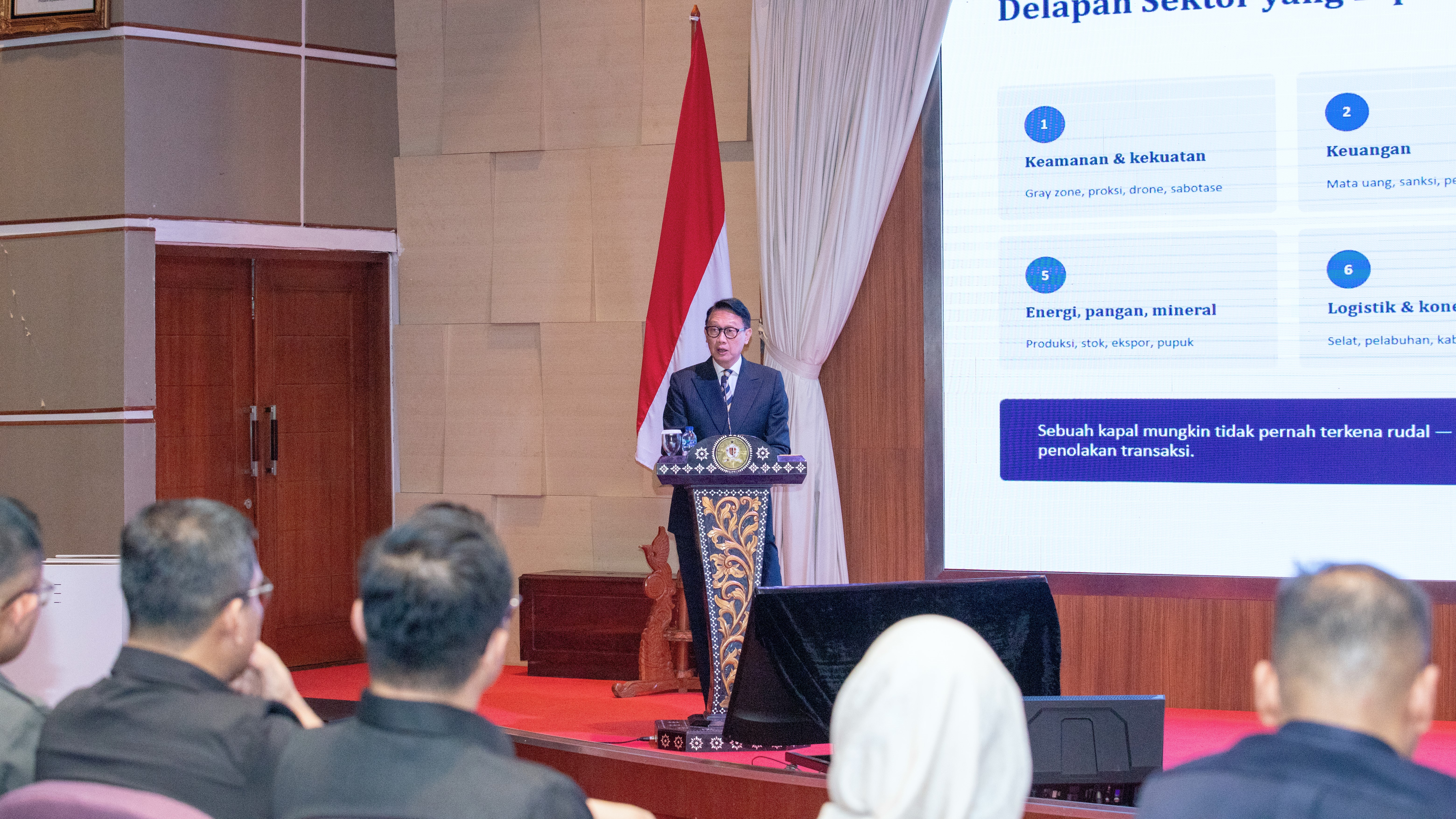
Deputy Minister of Communications and Digital Affairs Nezar Patria delivered a presentation to Pertamina Group employees participating in the Collaborative National Values Strengthening Program (PPNK) Batch 120 at the Pancasila Room on Wednesday (August 5). On the occasion, Nezar presented material titled “Building National Cyber Resilience in the Era of Agentic AI.”
Opening his presentation, Nezar said the world was currently facing a period of uncertainty driven by a technology race. At the center of this race are emerging technologies with significant strategic implications, particularly artificial intelligence (AI). More than 70 percent of the world’s population is now exposed to AI, including through AI-powered features on social media platforms. This has accelerated the technology's global spread, with significant implications.
Nezar explained that AI has also evolved into generative AI (GenAI), following earlier developments in machine learning and deep learning. In the 21st century, national resilience is no longer limited to land, sea, and air, but also extends into cyberspace. The world has entered a new, faster, more autonomous dimension: the working environment of AI agents, or agentic AI. These systems can be applied across areas such as marketing, personal assistance, customer relationship management (CRM), and procurement.
At the same time, adopting agentic AI presents new cybersecurity challenges. Microsoft has warned that agentic AI's emergence as an autonomous system capable of reasoning, adapting, and operating continuously requires a fundamental shift in security approaches.
In response, Microsoft introduced “The New Cyber Stack,” a system designed to understand risks, analyze context, and act continuously in real time, coordinated by teams of complementary AI agents. These agents perform different functions, including simulating attacks as white-hat hackers, detecting and analyzing threats, and repairing systems and strengthening defenses.
Nezar also highlighted a World Economic Forum (WEF) warning that data security is among the key issues surrounding agentic AI and cybersecurity. He said data security matters because AI relies on data to function.
He added that data has become one of the most valuable assets and is increasingly protected by technologically advanced countries through highly secure systems. By contrast, countries with weak security or poorly managed data systems are more vulnerable to data breaches and theft.
Nezar described data as the new fuel and, increasingly, a new form of currency. Recognizing its strategic importance, several countries have established data security frameworks backed by legislation.
Nezar said the government has made cybersecurity a national priority. Indonesia has already enacted the Personal Data Protection Law (PDP Law). President Prabowo Subianto has also made clear that cybersecurity is part of national resilience, rather than merely a technical matter.
Another key consideration, Nezar said, is that AI is no longer simply a technological tool but has become an instrument of geopolitics. “That is why you are here at Lemhannas, so that you understand that the technology we use is closely connected to geopolitical competition,” Nezar said.
Concluding his presentation, Nezar stressed that the digital transformation of state-owned enterprises (SOEs) and strategic industries must be built on a strong cybersecurity foundation to safeguard national resilience. He outlined several technical measures SOEs and strategic industries should take, including strengthening identity and access architectures, investing in cybersecurity-focused digital talent, establishing continuous threat detection, and ensuring cybersecurity is incorporated from the outset of every digital transformation initiative.
Nezar also said the Ministry of Communications and Digital Affairs was drafting a National AI Roadmap while continuing to focus on cybersecurity issues.“We hope its implementation can begin once the roadmap has been formally issued as a presidential regulation,” Nezar said in closing. (SP/CHP/MDF)