Lemhannas Calls for Stronger Digital Security Against Quantum Computing Threats
News & Article Thursday, 20 August 2026, 13:00

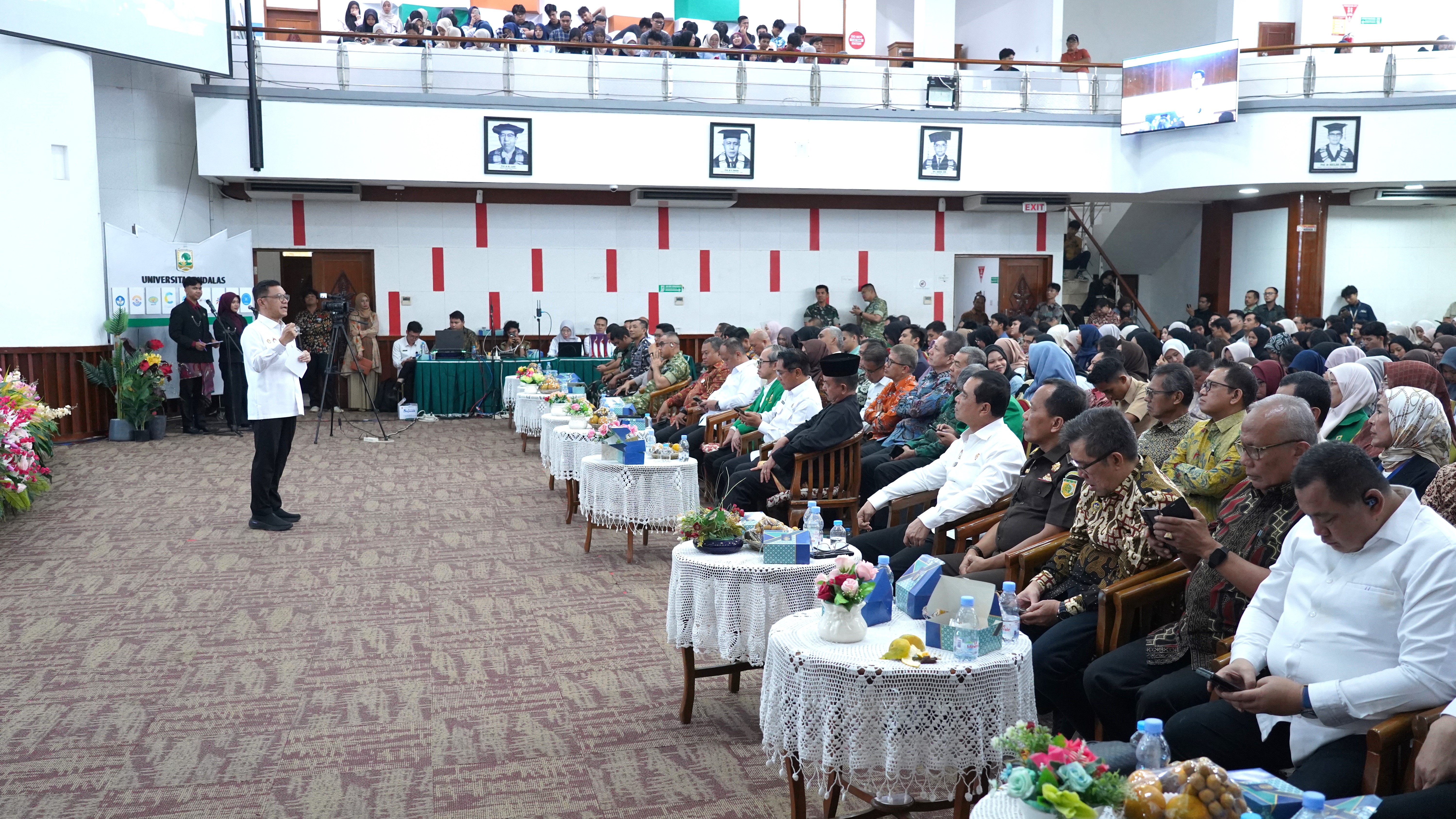
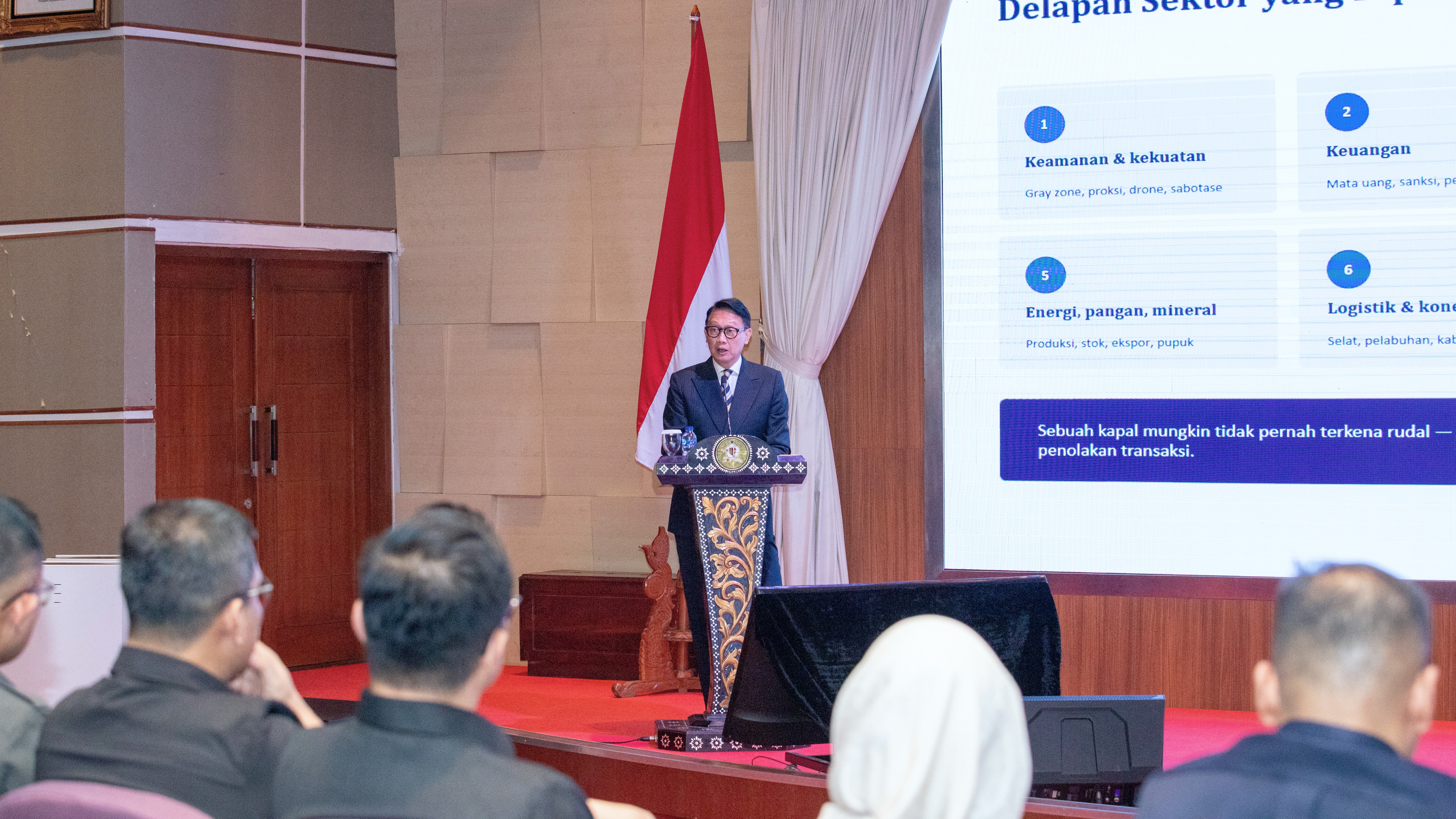
"A nation’s competitiveness is no longer solely determined by its natural resource wealth or military strength, but also by its ability to master strategic technologies," the Governor of Lemhannas RI, Dr. H. TB. Ace Hasan Syadzily, M.Si. stated during a Focus Group Discussion (FGD) on Quantum Computing Technology and Its Implications for Indonesia's Digital Resilience and Technological Sovereignty on Thursday (October 20).
Furthermore, the Lemhannas RI Governor stated that quantum computing is one of the technologies projected to fundamentally change the global economic, security, and geopolitical landscape. Quantum technology has become a strategic arena of competition among nations, driven by its massive economic potential across sectors such as healthcare, finance, advanced materials, energy, and manufacturing, and by the need to build competitiveness and safeguard national interests.
This momentum is reflected in global commitments to developing quantum technology. Governments worldwide have invested more than USD 55.7 billion since 2013 (OECD, 2025). The United States has enacted strategic policies through the National Quantum Initiative Act, which explicitly links the mastery of quantum technology with national security and economic competitiveness. This trend extends far beyond the US; through its Quantum Flagship program, the European Union has invested over €1 billion in quantum since 2018. Meanwhile, China, the United Kingdom, Japan, Canada, and Australia continue strengthening their national quantum ecosystems by expanding funding for research, talent, and industry (MIT Quantum Index Report, 2025).
However, alongside its immense opportunities, quantum computing technology also presents serious challenges. From a national resilience perspective, the most urgent challenge is the threat to national cryptographic infrastructure. The Lemhannas RI Governor explained that Indonesia's current digital security systems protecting government data, banking systems, defense communications, and digital transactions rely on RSA (Rivest-Shamir-Adleman) encryption and Elliptic Curve Cryptography, which quantum computers are estimated to break within the next one to two decades.
"This threat is more pressing than it appears at first glance due to the 'harvest now, decrypt later' phenomenon—the practice of intercepting and storing encrypted data today to decrypt it in the future once quantum computer capacities are adequate," the Lemhannas RI Governor said. Given that the estimated migration to post-quantum cryptography could take 10 to 20 years, he emphasized that anticipatory measures can no longer be delayed until the threat fully materializes.
Meanwhile, Indonesia faces substantial hurdles in building national quantum technology capacity. Key indicators show that the national ecosystem for research, investment, human resource development, and intellectual property ownership in this field still requires significant reinforcement. Meanwhile, several regional neighbours have moved faster by formulating national strategies and increasing investment to build their quantum technology ecosystems.
The event featured several prominent speakers, including the Deputy for Development Financing and Investment at the Ministry of National Development Planning/Bappenas RI, Putut Hari Satyaka, S.E., M.P.P.; the Director of Artificial Intelligence and Emerging Technology Ecosystems at the Ministry of Communication and Digital Affairs (Komdigi RI), Said Mirza Pahlevi, D.Eng.; the Deputy III for Cyber Security and Government Cipher and Human Development at BSSN RI, Dr. Sulistyo, S.Si., S.T., M.Si.; the Special Staff to the Chief of Naval Staff, Commodore TNI Judijanto, M.Si., M.A.; Professor of Electrical Engineering at the Faculty of Engineering, Universitas Indonesia, Prof. Dr. Ir. Riri Fitri Sari, M.M., M.Sc.; and Head of the Quantum Physics Research Center at BRIN, Yanoar P. Sarwono, Ph.D.
"Quantum technology is one of the strategic technologies of the future, offering potential breakthroughs in computing, measurement, communication, and information security," Putut Hari Satyaka, S.E., M.P.P said. He added that for Indonesia, quantum technology aligns closely with the national agenda for digital transformation, strengthening science and innovation, and technological independence and security as reflected in the 2025–2029 National Medium-Term Development Plan (RPJMN).
To address this, the Ministry of National Development Planning/Bappenas RI has formulated a strategy to leverage the quantum ecosystem, encompassing policies and regulations, shared infrastructure, research and talent development, financing and investment, use-case mapping tailored to Indonesia's actual needs, as well as industrialization and downstreaming. (NA/CHP/DA)