Prime Secretary Of Lemhannas Ri Highlights Role of National Resilience in Upholding the Nation
News & Article Tuesday, 13 January 2026, 12:00
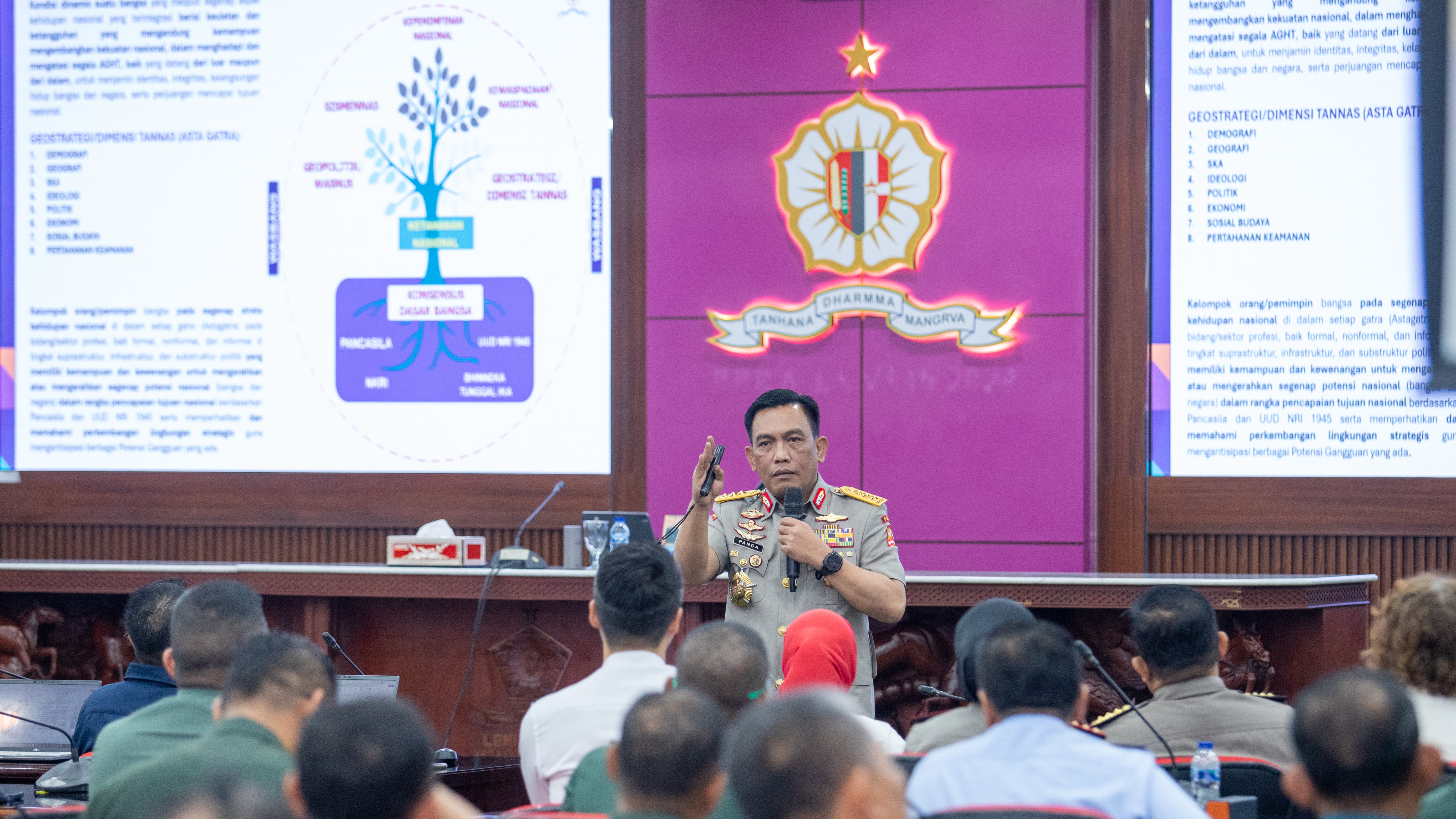
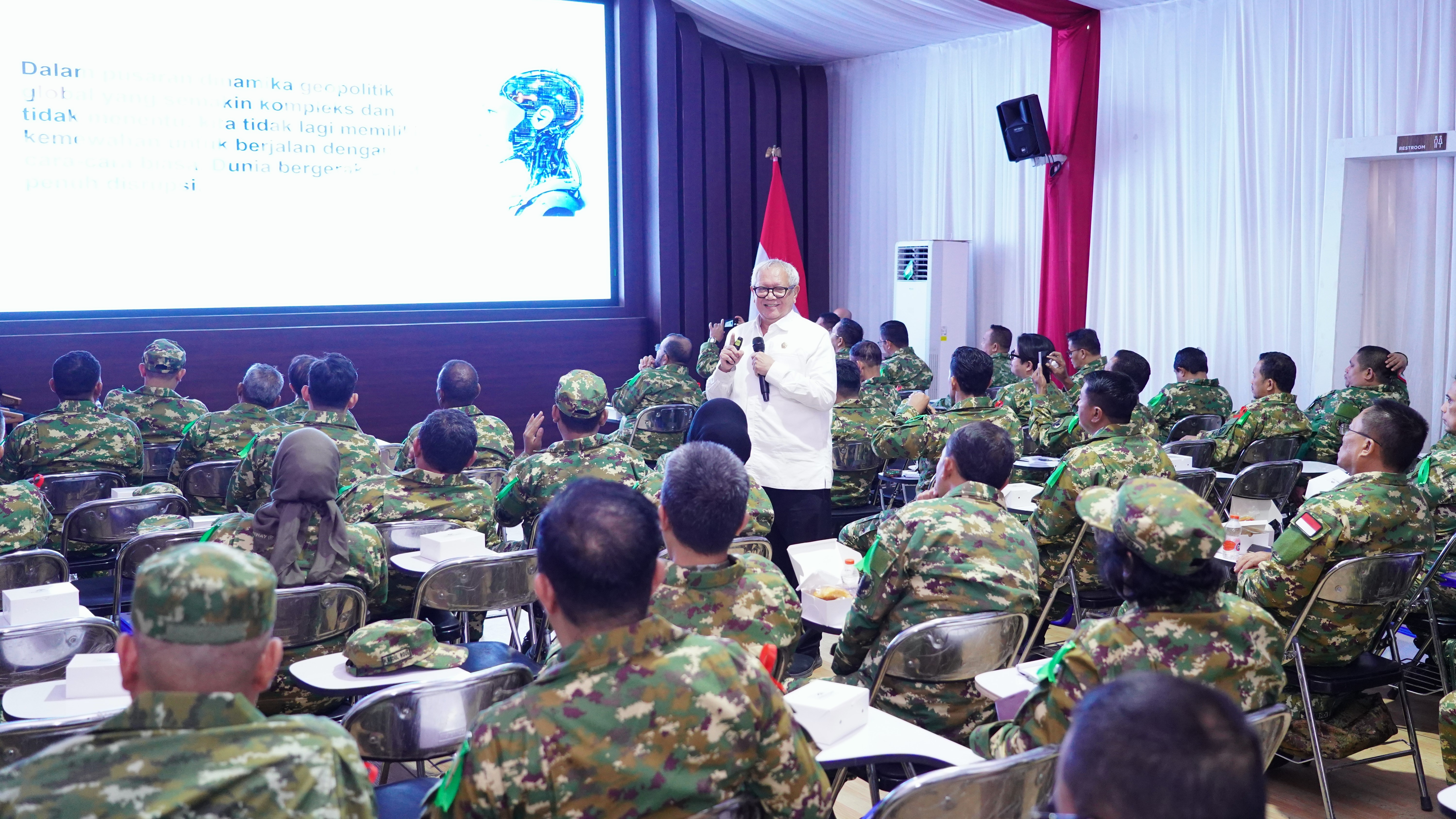
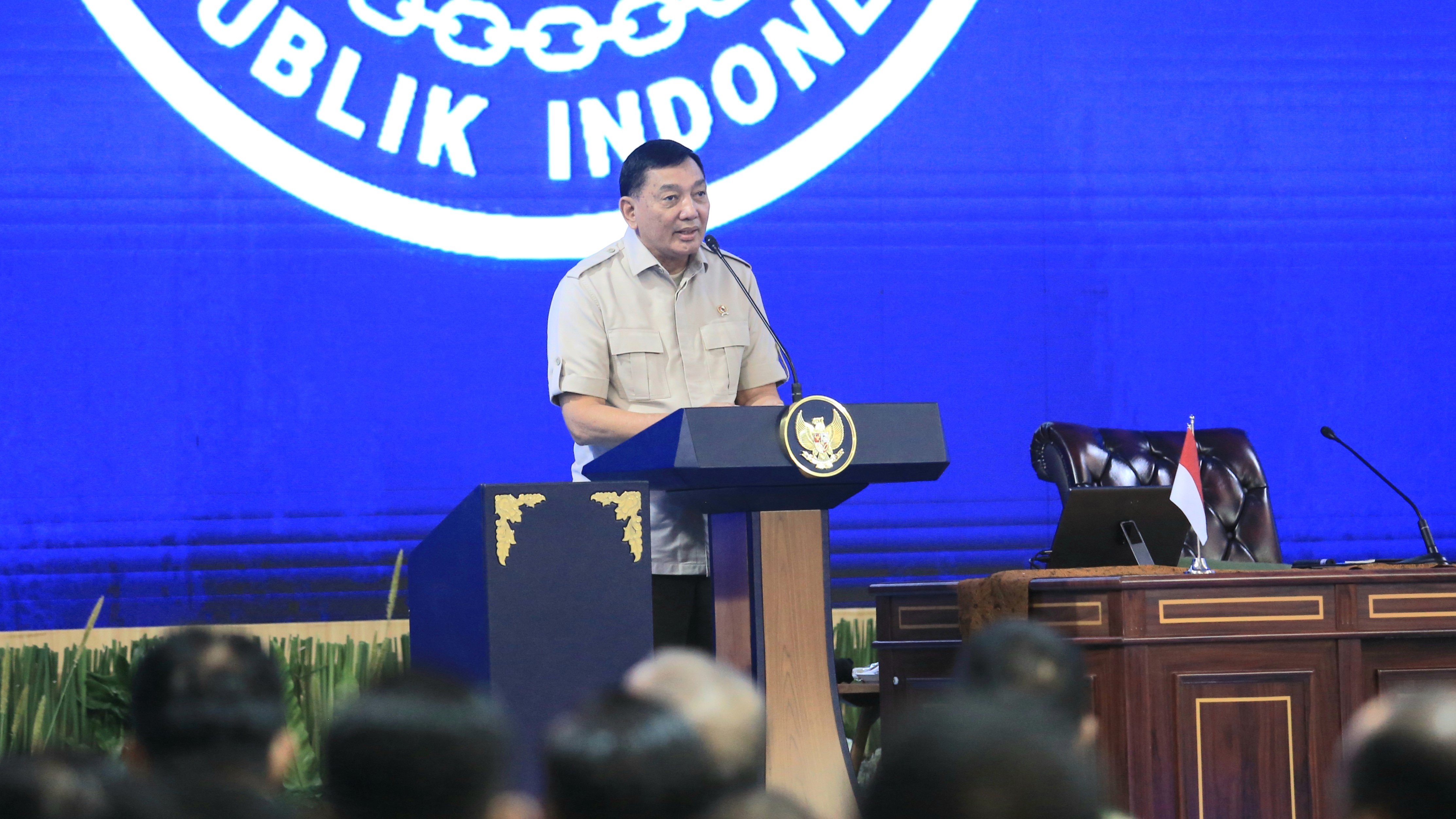
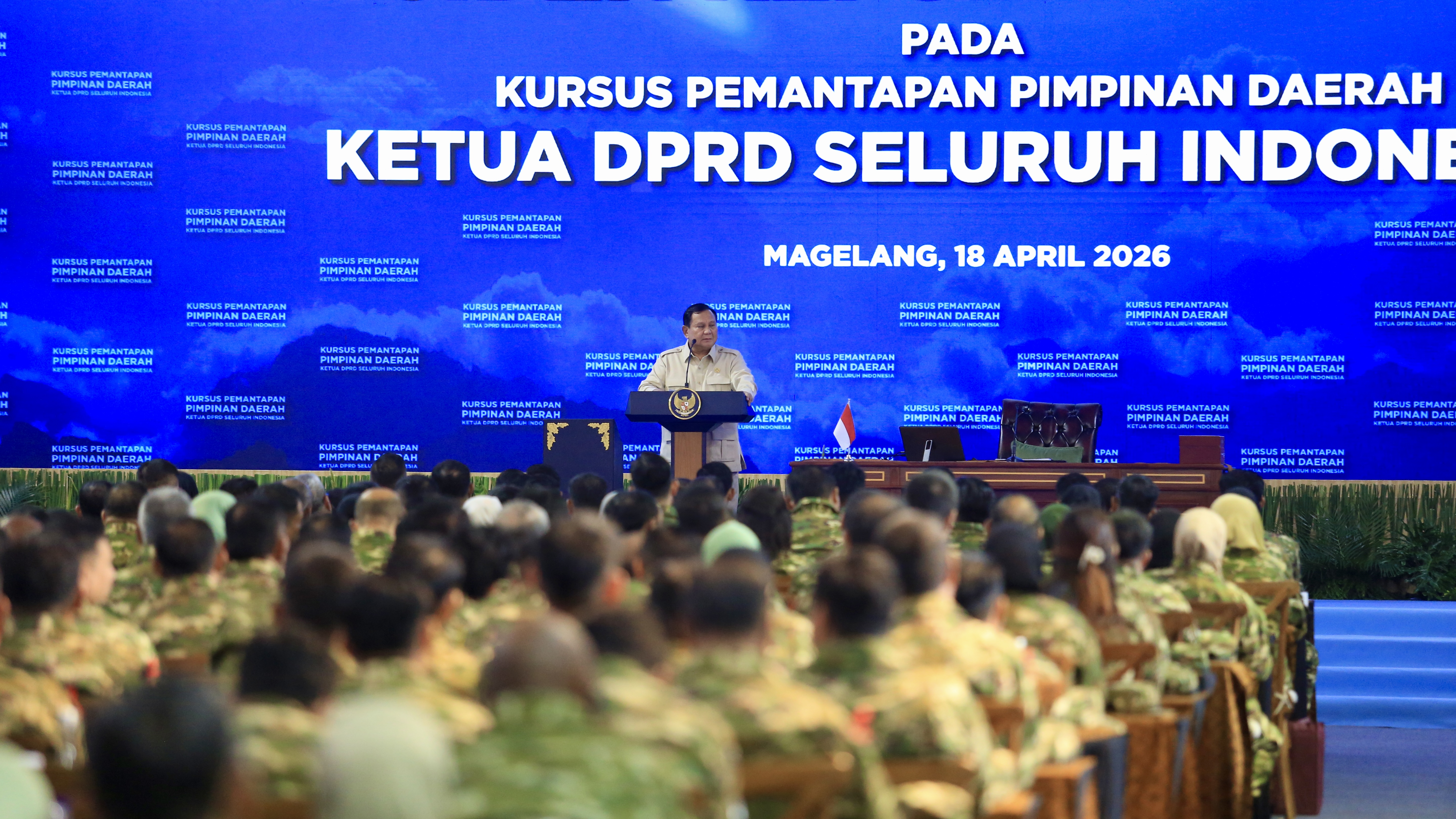
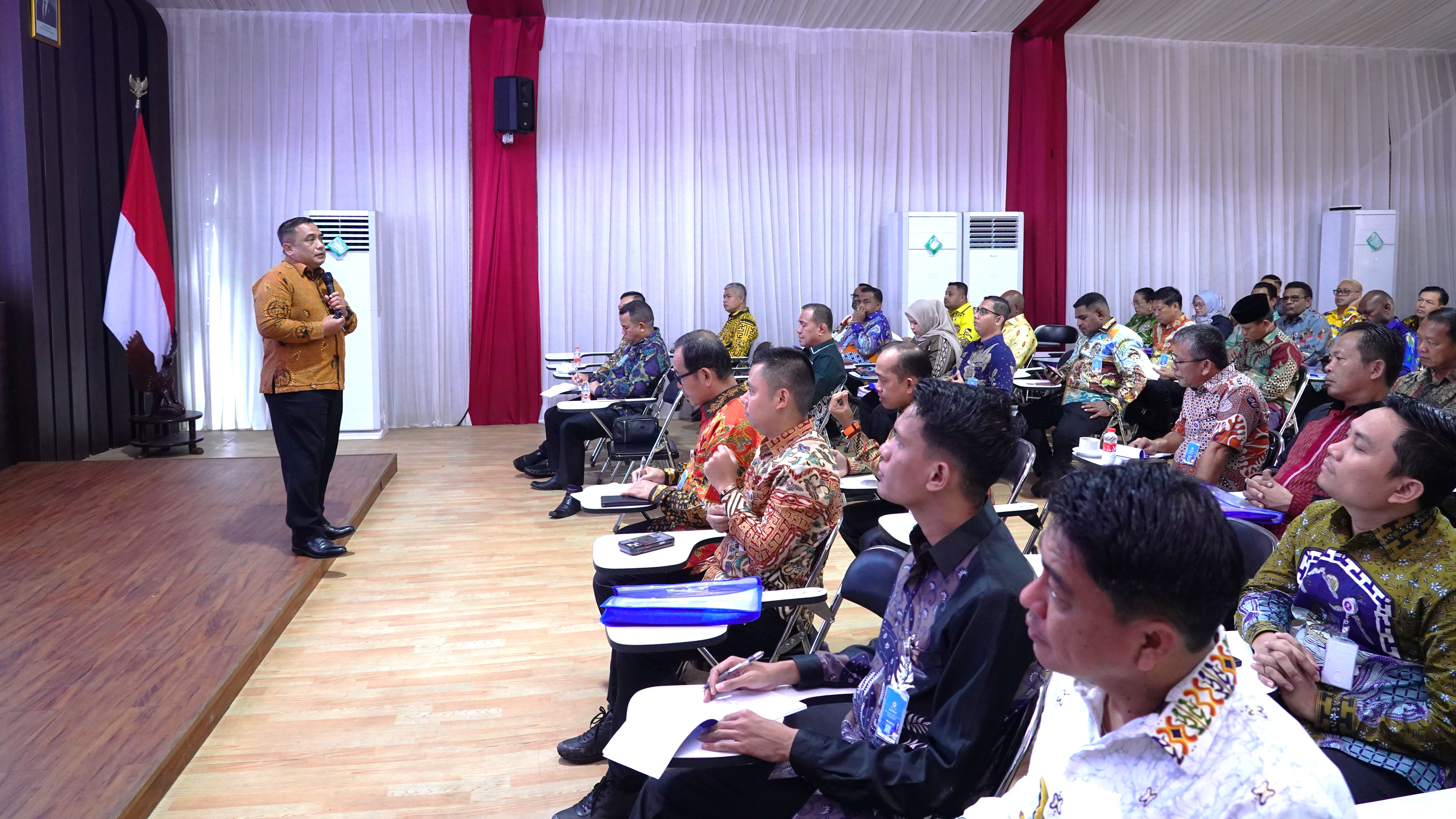
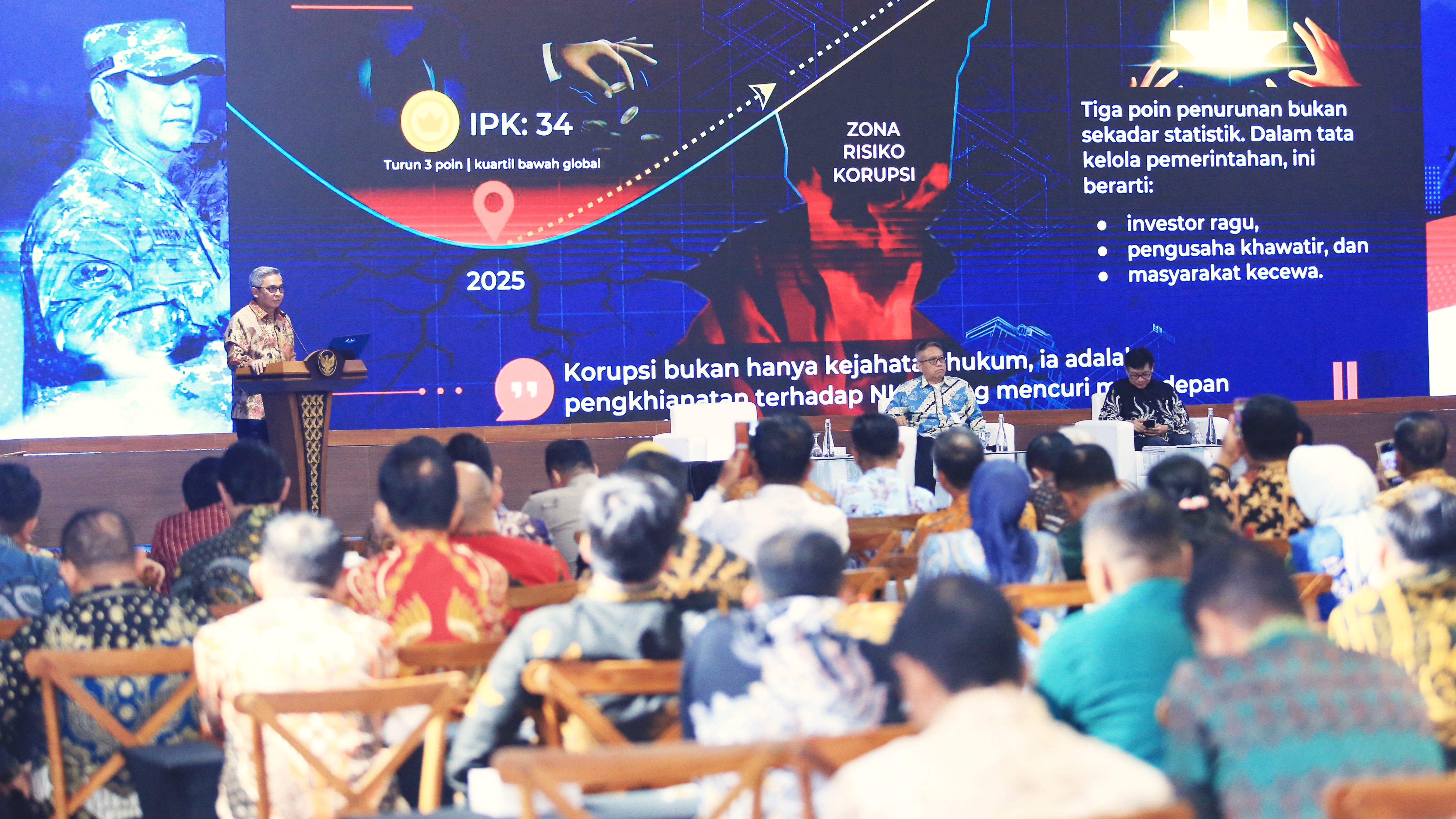
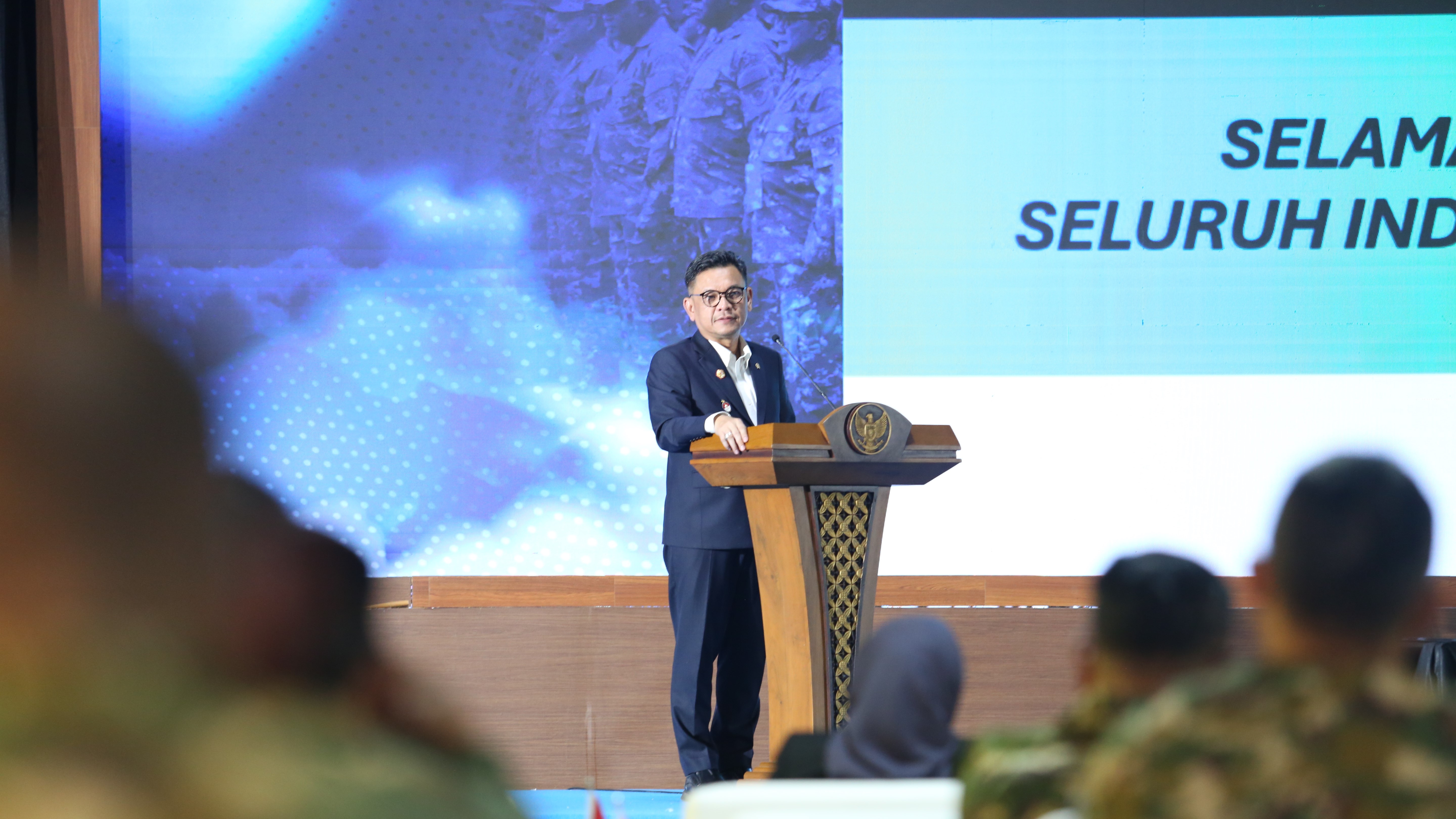
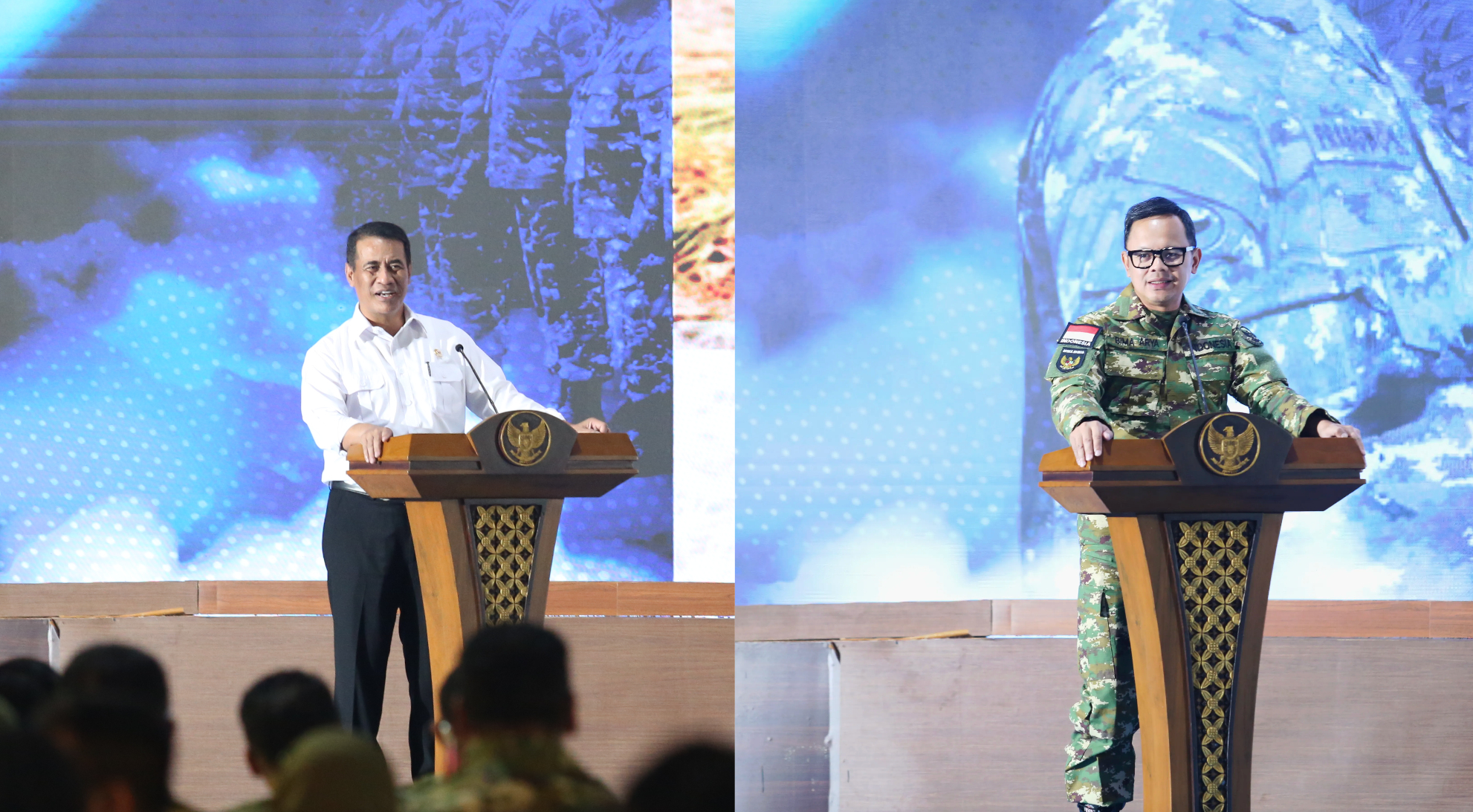
“This nation cannot uphold its aspirations or maintain stability without national resilience,” said the Prime Secretary of Lemhannas RI, Commissioner General of Police Drs. R. Z. Panca Putra S., M.Si. This statement was delivered during the Introduction to Lemhannas RI session for participants of the Preparation and Consolidation Program for the National-level Leaders (P4N) Batch LXIX at Lemhannas RI, held in the NKRI Room on Monday (1/28).
Lemhannas RI is an institution that unites all citizens of the nation. It was established on May 20, 1965, by Indonesia’s first President, Bung Karno. Lemhannas RI was founded in response to global developments requiring integration and cooperation between civil and military sectors to realize national resilience.
The Prime Secretary explained that national resilience is a dynamic condition of a nation encompassing all aspects of national life, integrated with persistence and toughness. It embodies the ability to develop national strength in facing and overcoming all threats, disturbances, obstacles, and challenges (AGHT), both from external and internal sources, to safeguard the nation’s identity, integrity, survival, and the struggle to achieve national objectives. Therefore, participants of P4N Batch LXIX at Lemhannas RI will be taught the paradigm of national resilience.
National resilience is illustrated as a tree that stands upright and provides benefits when supported by strong roots, which consist of the four fundamental national consensus (Pancasila, the 1945 Constitution, the Unitary State of the Republic of Indonesia, and Bhinneka Tunggal Ika). When these roots are strong, they will produce new shoots, known as geopolitics, geostrategy, national vigilance, and the national management system.
Geopolitics is influenced by geostrategy, which comprises eight components: demographics, geography, natural resources, ideology, politics, economy, socio-culture, and defense and security. The Prime Secretary of Lemhannas RI stated that Indonesia cannot stand alone and is affected by global developments, domestic conditions, and geostrategic aspects, which together shape national vigilance. Furthermore, all national interests are consolidated through the national management system in formulating policies. These four aspects will be studied by P4N Batch LXIX participants during their education at Lemhannas RI. “The way to understand this is through a national insight perspective,” said the Prime Secretary of Lemhannas RI.
Next, the Prime Secretary highlighted three key characteristics of national leaders: being a statesman who understands the values derived from the four fundamental national consensus; thinking strategically with a strong geopolitical perspective and its implications for national resilience; and being able to develop programs that contribute to innovative and solution-oriented ideas to achieve Indonesia Emas 2045. He also outlined Lemhannas RI’s main tasks, which include conducting national-level leaders preparation and consolidation education, carrying out policy studies, strengthening national values, and measuring the national resilience index.
Concluding his presentation, the Prime Secretary of Lemhannas RI urged participants, as future national leaders, to prepare the younger generation for the challenges ahead. Cross-sectoral cooperation and collaboration are essential. “Teamwork is the key to achieving the goals,” he concluded. (SP/CHP/MDF)