Lemhannas RI Boosts Performance Reporting Quality Through Strategic Outreach
News & Article Tuesday, 27 January 2026, 12:00
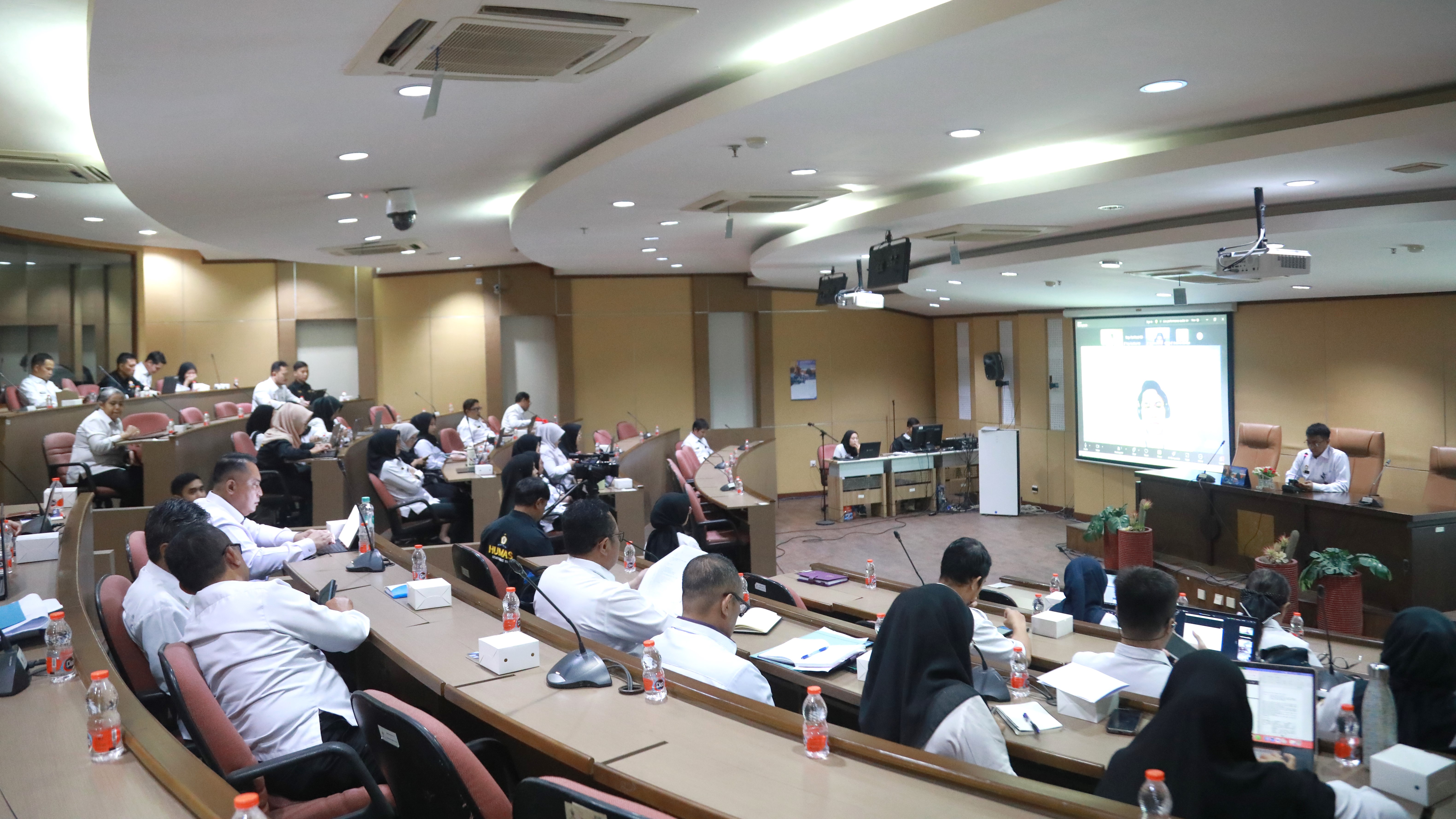
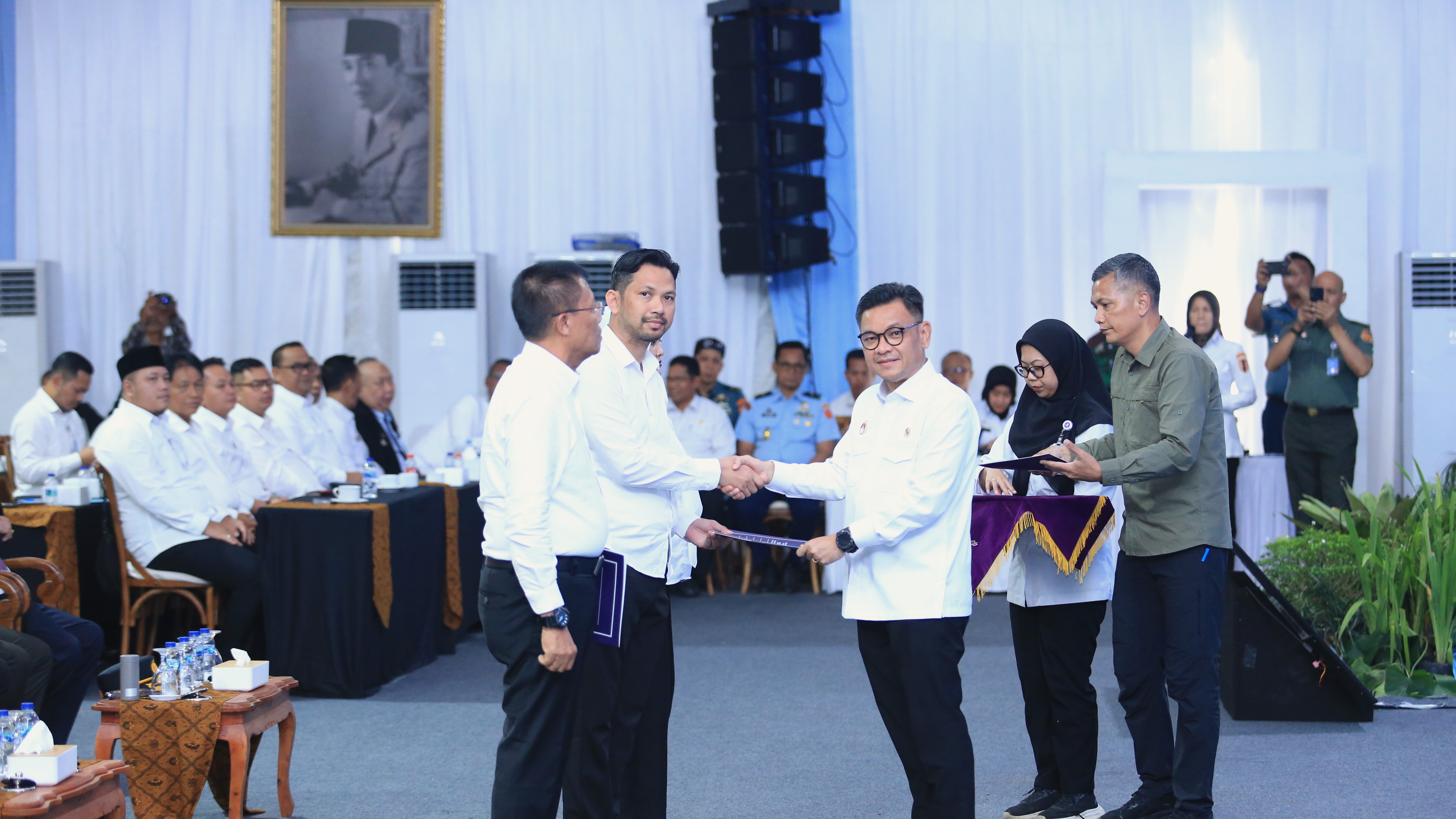
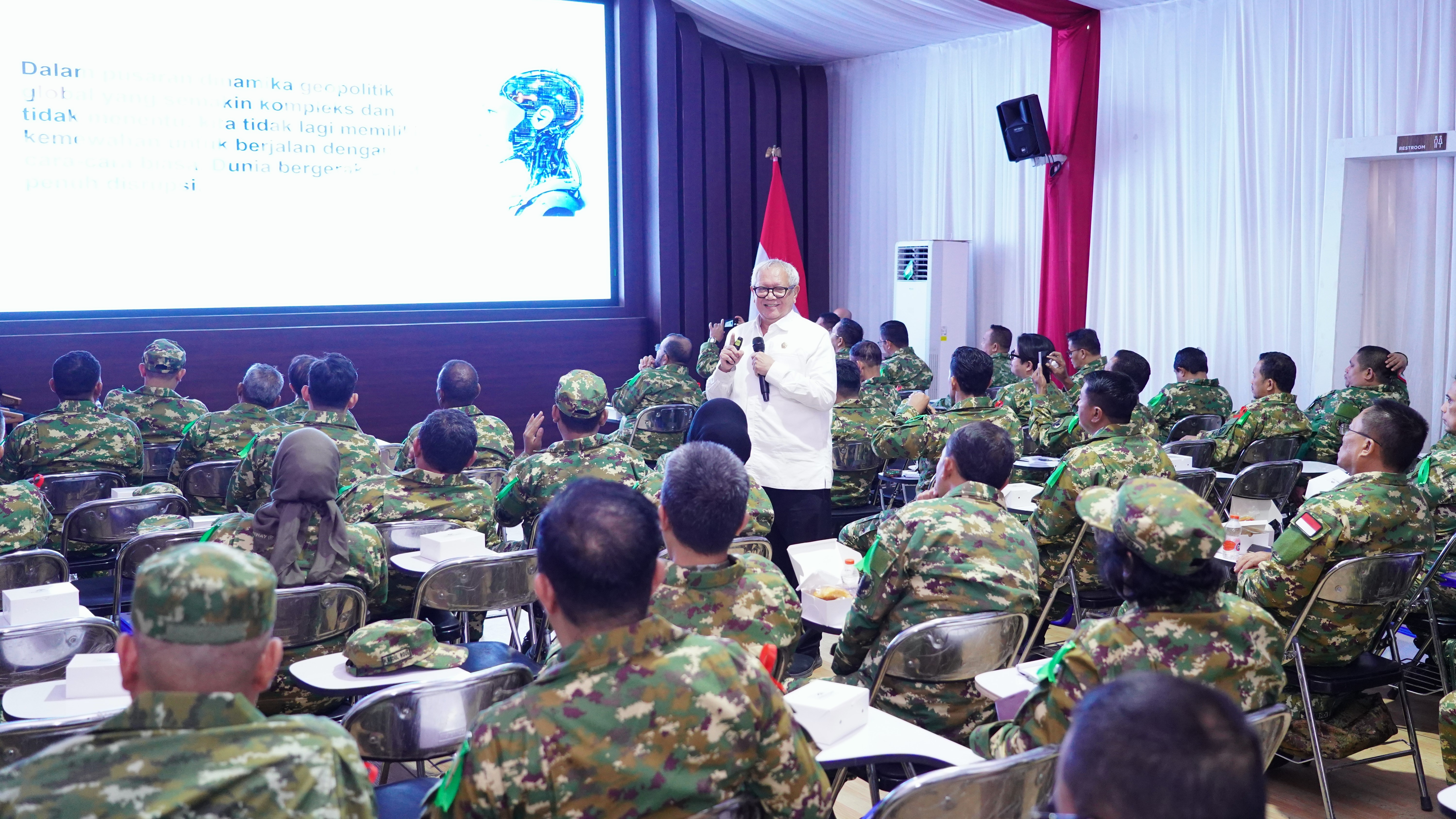
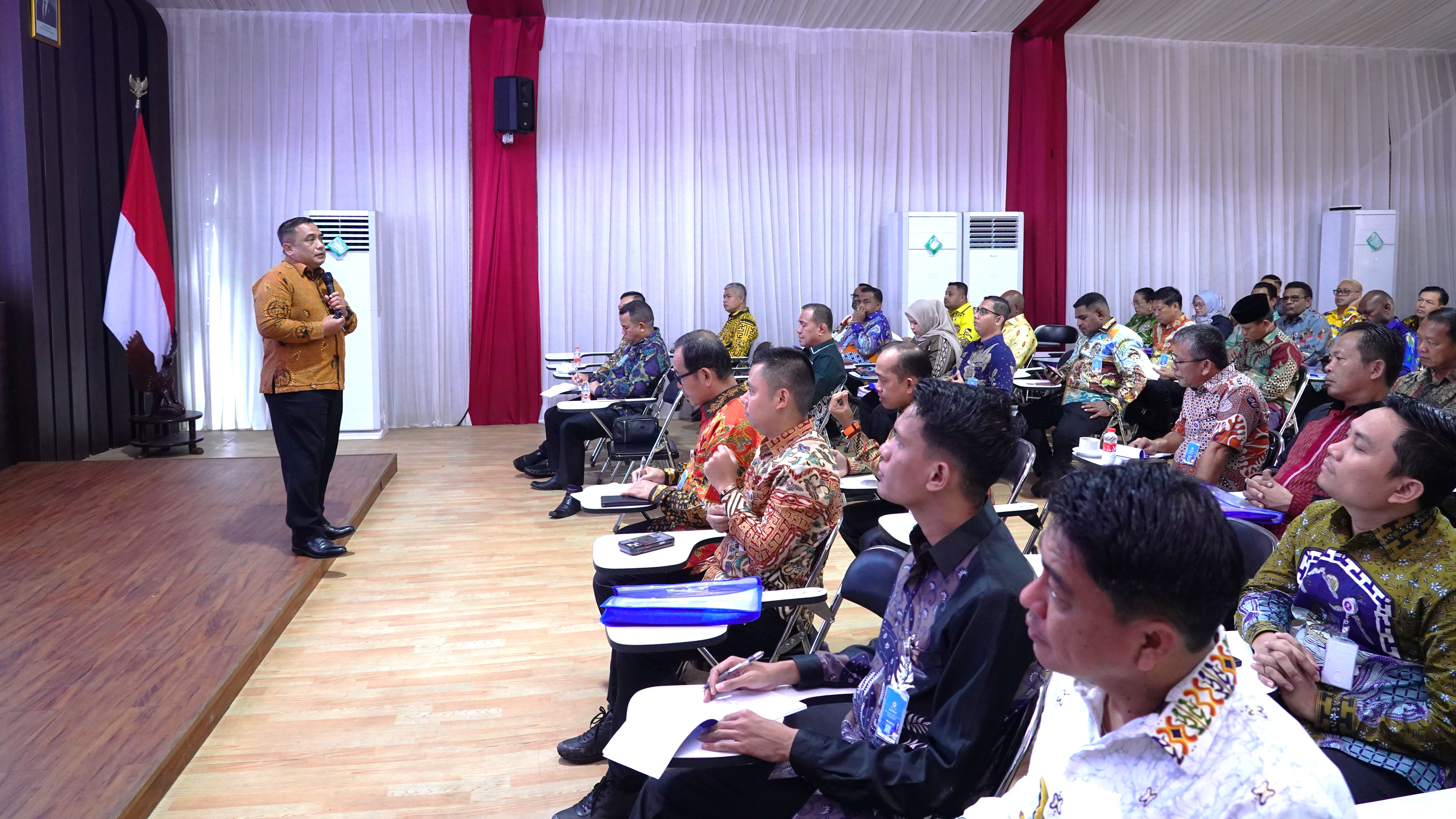
On Tuesday (1/27), Lemhannas RI, represented by the Planning Bureau, held a socialization event on the Formulation of Performance Agreements (PK), Key Performance Indicators (IKU), and Government Agency Performance Accountability Reports (LAKIP) in the Airlangga Room. Colonel Czi Djoko Rahmanto, S.E., M.P.P., Head of the Bureaucratic Reform Facilities Division of the Planning Bureau, officially opened the event.
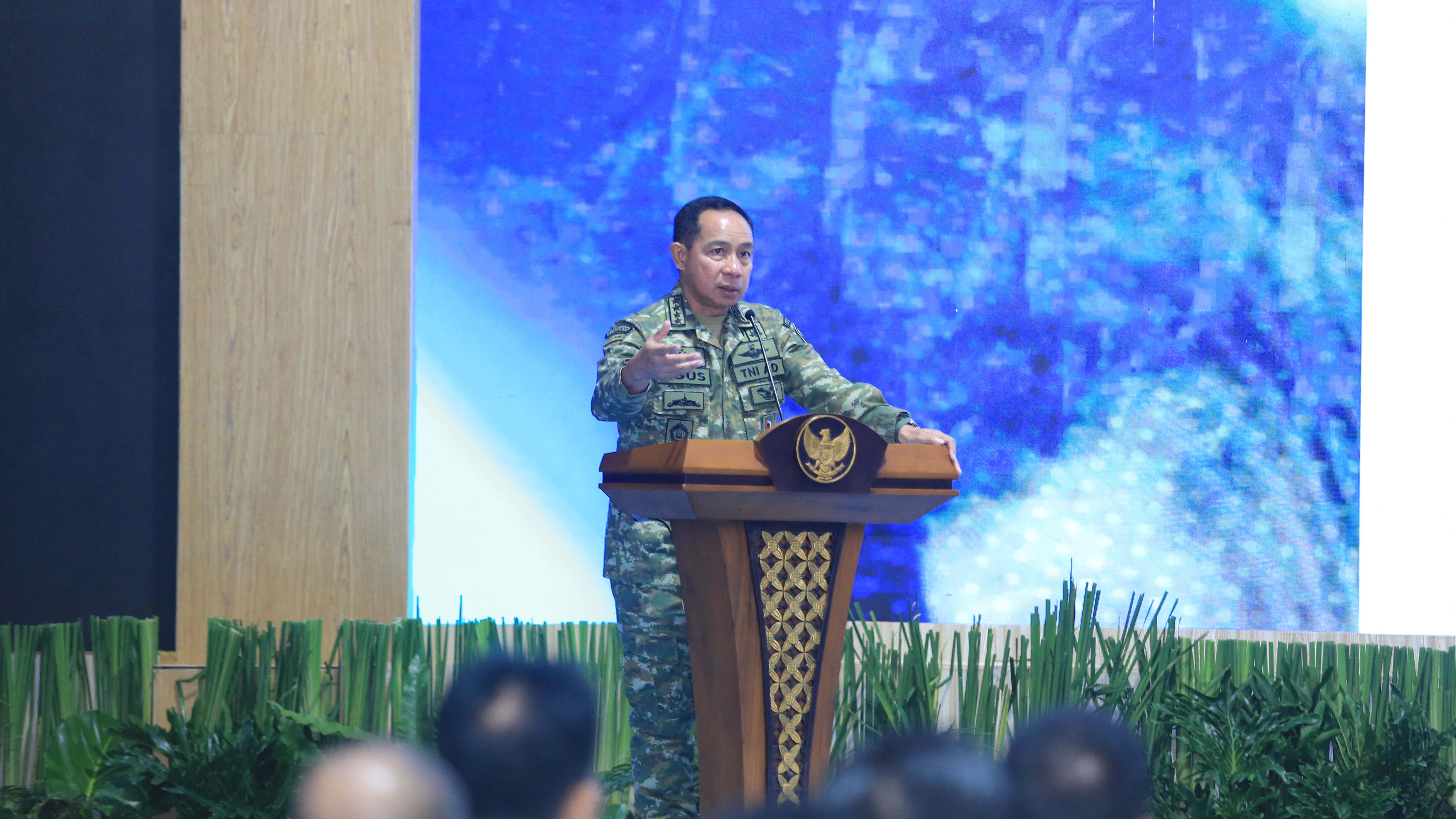
In his speech, Rahmanto emphasized that the PK, IKU, and LAKIP are the state's primary instruments for evaluating the government’s agency performance and accountability. "The quality of these documents reflects Lemhannas RI's ability to plan, implement, and report its performance in a measurable, results-oriented manner," he said.
This aligns with Presidential Regulation No. 29 of 2014, which concerns the performance accountability system for government agencies. It also aligns with Regulations of the Minister of State Apparatus Empowerment and Bureaucratic Reform (PANRB) No. 88 and 89 of 2021. These regulations define performance planning, performance measurement, and performance reporting as an interrelated cycle. According to this framework, performance allowances are not an inherent right of the position. Rather, they are a reward for good, accountable, and impactful institutional performance.
Djoko Rahmanto said that, in the current government accountability system, performance and financial reports are inseparable. The government assesses not only compliance and orderliness in budget management but also the results and benefits generated from the use of the budget.
He added that the value of the Government Agency Performance Accountability System (SAKIP), the impact of bureaucratic reform, and the quality of Lemhannas RI's financial reports will ultimately shape the image of Lemhannas RI that the president and the wider community perceive. "This assessment is not solely about numbers, but reflects the level of trust that the state and public have in Lemhannas RI as a national strategic institution," he said.
Furthermore, Djoko Rahmanto emphasized several important points. First, IKU must be SMART, relevant to the work unit's duties and functions, and oriented toward results and impact. Second, IKU must be regarded as a work commitment. Third, LAKIP must be carefully and analytically prepared, reporting not only activities but also explaining performance achievements, obstacles, and improvement efforts.
Two speakers from the Ministry of PANRB attended the event, namely Junior Policy Analyst Nyoman Bagus Bayu Pradnyana and Data and Information Processor Shabrina Noviyanti.
On this occasion, Shabrina discussed performance accountability. She stated that every party that has prepared a performance agreement for the current year must account for it every year. This includes a performance evaluation and selection process. The 2014 Presidential Regulation is a relevant guideline, particularly for assessing performance based on key performance indicators. Shabrina explained that the SAKIP requires four components: long-term, medium-term, and short-term planning; interim and annual performance reports; performance achievement and work accountability evaluations; and monitoring.
Regarding performance agreements, Shabrina said these are agreements between senior leaders and individuals whose performance will be evaluated. These agreements must include expected targets and programs, and account for the impact of prior implementation-related activities. Performance agreements create commitment and agreement, establish basic performance benchmarks for evaluation, promote accountability and transparency, assess success or failure, and provide the basis for rewards and punishments. They also facilitate monitoring and evaluation (MONEV) reports and individual performance.
In this case, performance agreements for ministries and institutions are made by the highest-level leaders (ministers and heads of institutions), echelon II work unit leaders, and work unit leaders. These agreements are expected to be submitted one month after the DPA is approved.
Furthermore, key performance indicators are measures of success that will be achieved through planned performance. Shabrina said that good performance indicators must be outcome-oriented and SMART (specific, measurable, achievable, relevant, and time-bound).
The session continued with Nyoman Bagus Bayu's presentation on preparing performance reports. He explained that performance measurement and evaluation, as well as adequate disclosure of the results of performance measurement analysis, are necessary for preparing performance reports.
Performance reporting provides measurable performance information to those who mandate performance, encouraging continuous improvement and enhancing the performance of government agencies. "Our performance report is expected to serve as a basis for evaluating your work unit's performance and for developing future strategies, ensuring continuous improvement and enhanced performance year after year," he said.
After this socialization event, Lemhannas RI personnel are expected to use the momentum to improve the quality of planning and performance reporting within the organization. This will allow Lemhannas RI to emerge as an accountable, professional, and results-oriented state institution. (SP/CHP/DA)