Lemhannas RI Holds FGD on Strengthening Disaster Management Governance
News & Article Wednesday, 25 February 2026, 14:00

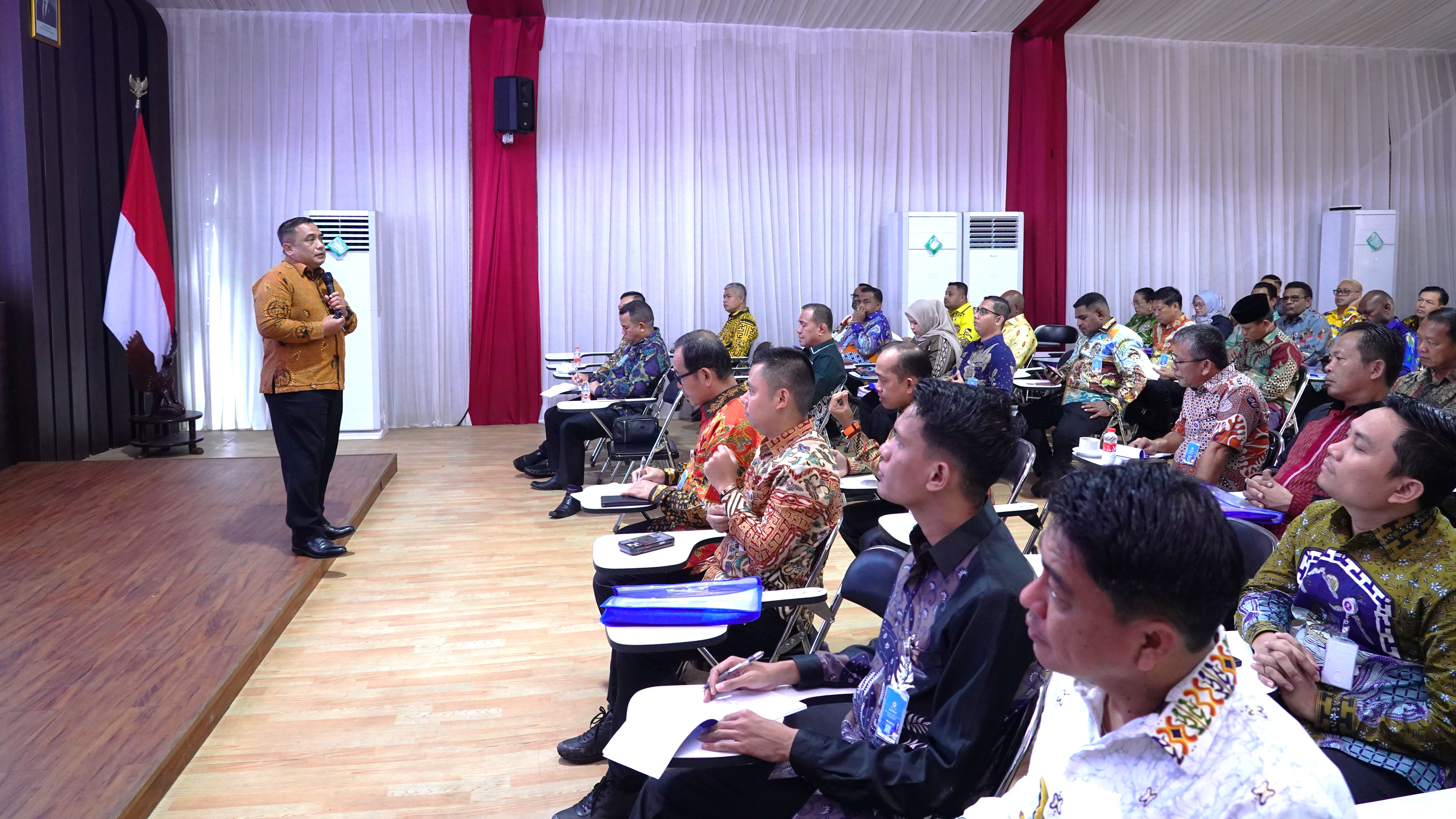
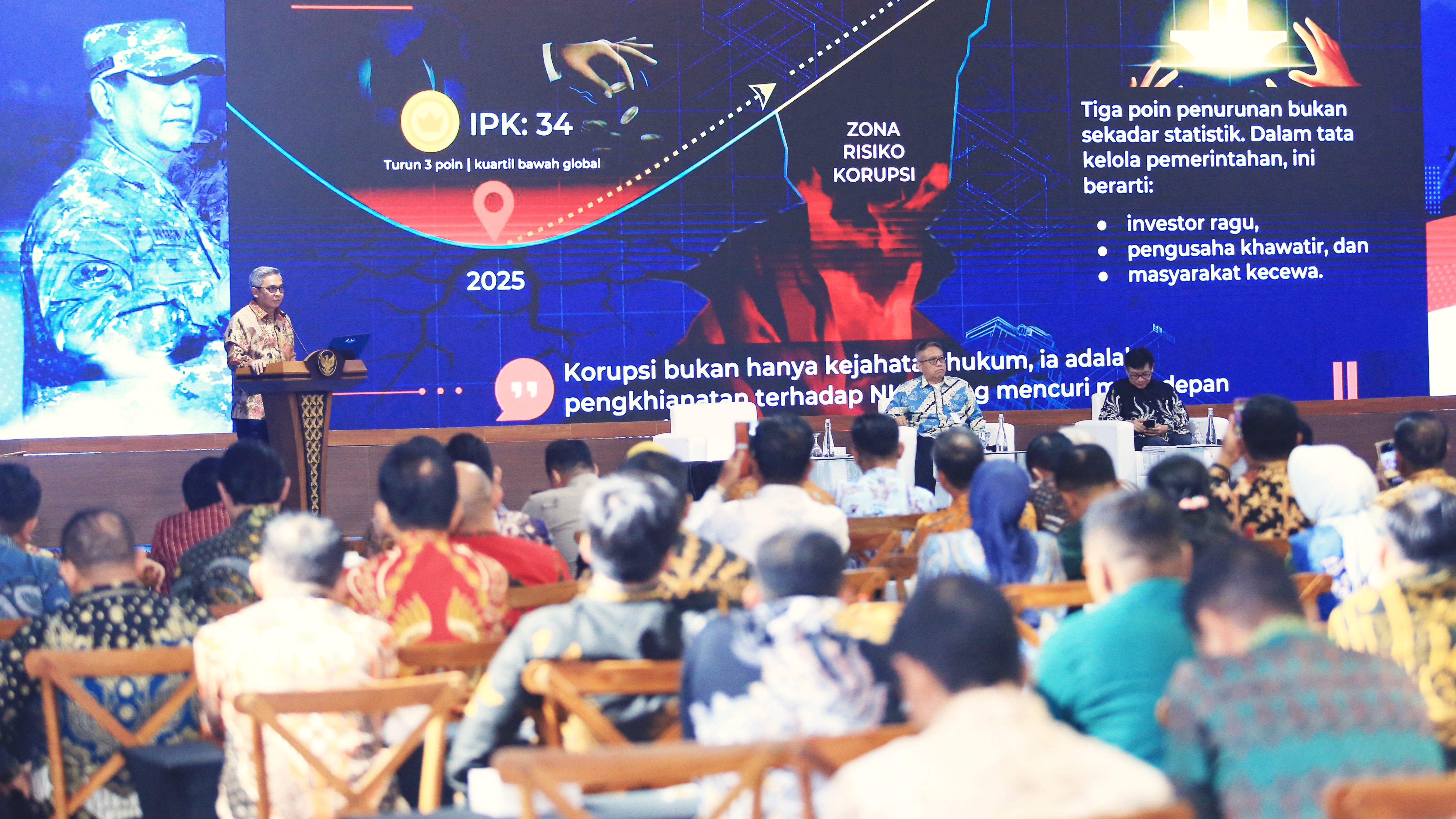
The Directorate for Defense, Security and Geographic Studies under the Deputy Office for Strategic Studies at Lemhannas RI held a Focus Group Discussion (FGD) on an urgent and rapid study titled “Strengthening Disaster Governance and Institutional Capacity to Support Effective Emergency Response in Strengthening Regional Resilience” at the Kresna Room on Tuesday (2/24).
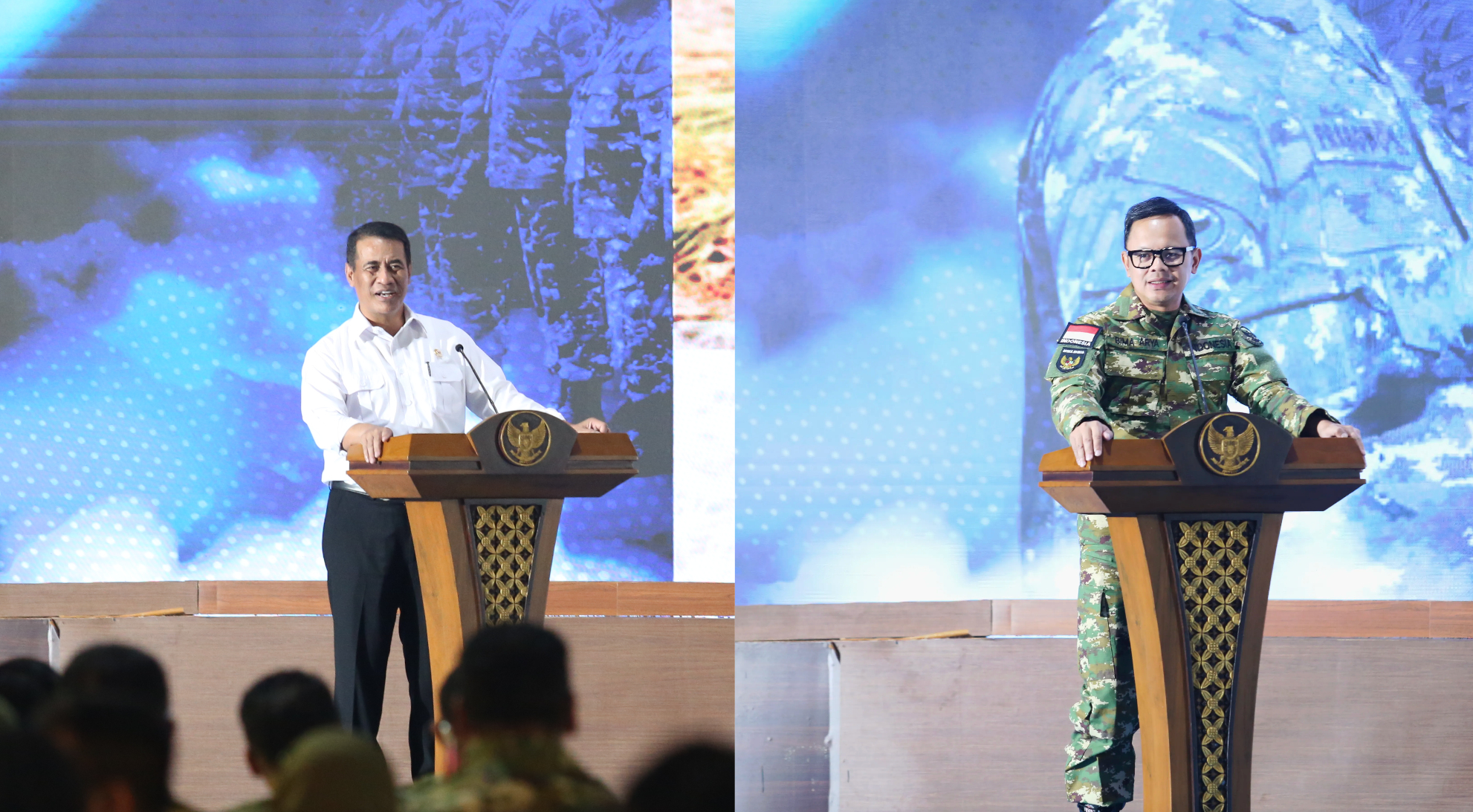
In his opening report, Acting Deputy for Strategic Studies Major General Ipung Purwadi said the topic discussed in the forum was highly strategic, given the growing complexity and impact of disasters on social stability, the economy and national development. The discussion aims to formulate comprehensive and applicable recommendations for the President of Indonesia as a basis for sustainable policy formulation to improve the effectiveness of the national disaster management system while strengthening national resilience and the sovereignty of the Unitary State of the Republic of Indonesia.
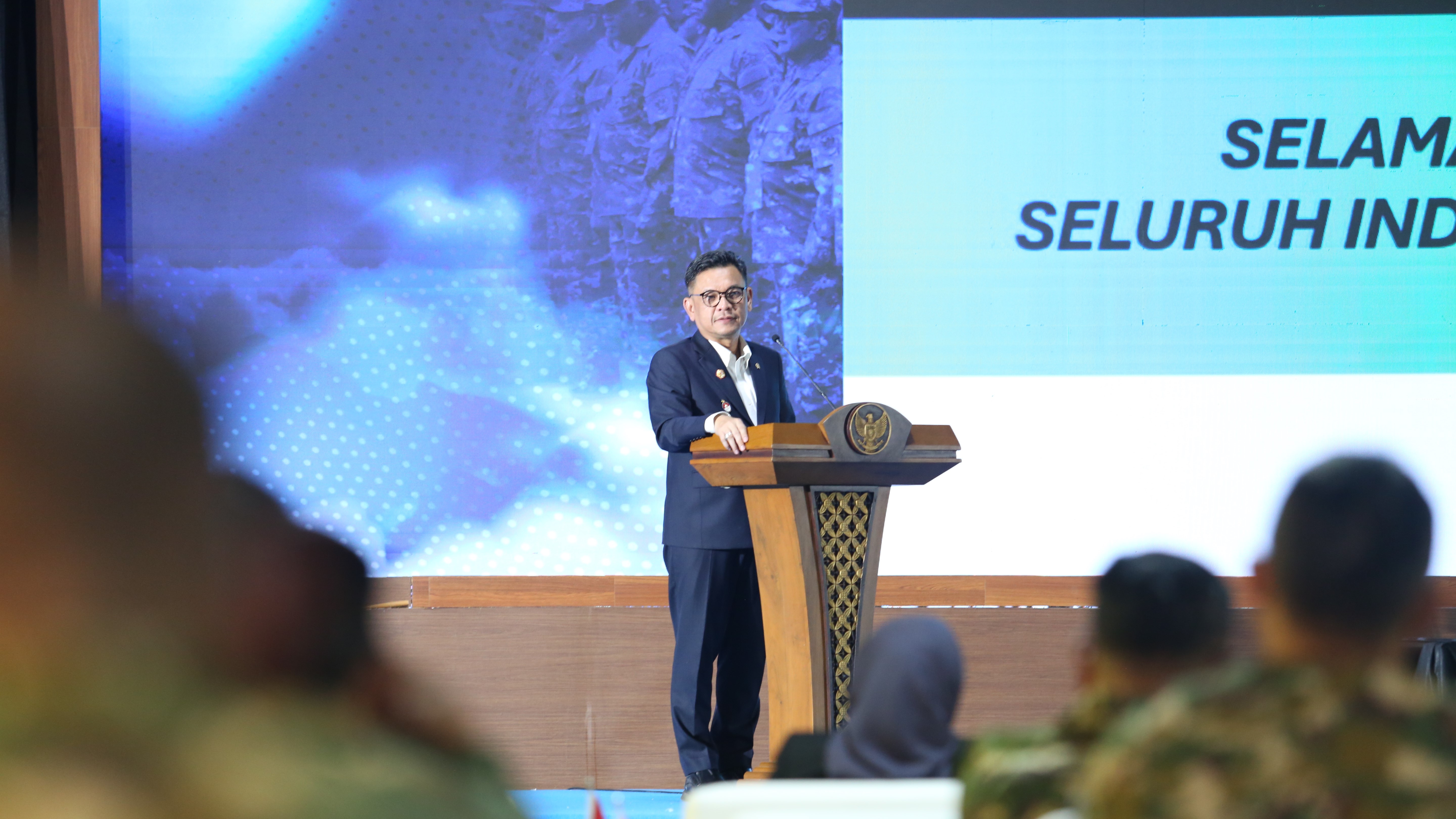
“We are a country with significant disaster risks, and there are many types of disasters that we must mitigate properly,” said Governor of Lemhanans RI Dr. H. TB. Ace Hasan Syadzily, M.Si. in his opening remarks.
In recent years, Indonesia has faced various disasters, including extreme weather, floods, forest and land fires and earthquakes. These disasters have disrupted social, economic and environmental conditions, reflecting the state’s high vulnerability to disaster risks that may affect both regional and national resilience.
As a country located in the Pacific Ring of Fire, Indonesia must anticipate such risks to ensure effective disaster management, he added.
Governor of Lemhannas RI also noted that disaster preparedness has become a global priority, one of which is reflected in the “Early Warnings for All” initiative, which aims to achieve universal early warning systems by 2027.
He emphasized that one of Lemhannas’ priorities is strengthening institutional governance and disaster mitigation capacity. “The recommendations produced from today’s discussion are expected to encourage a transformation from a reactive response approach to resilience-based development, as an integral part of strengthening national resilience,” The Governor said.
The FGD was moderated by Lemhannas’ Professional expert Dr. Margaretha Hanita, S.H., M.Si.. One of the speakers was Dr. H. Safrizal Z. A., M.Si., Director General of Regional Administration Development at the Ministry of Home Affairs. Safrizal explained that regional governments have three main responsibilities in disaster management: pre-disaster, emergency response and post-disaster stages.
During the pre-disaster stage, local governments provide disaster education and training and issue early warnings when potential risks are detected.During emergencies, they conduct rapid assessments of disaster impacts and available resources, determine emergency status, carry out rescue operations, meet basic needs, protect vulnerable groups and restore vital infrastructure. In the post-disaster phase, regional governments conduct environmental rehabilitation, social recovery and reconstruction of infrastructure and public facilities while implementing disaster-resilient building designs.
Safrizal also highlighted the strengthening of regional disaster management institutions through the establishment of multisector rapid response teams (TRC). These teams involve various regional agencies to ensure faster and more coordinated responses and decision-making during emergencies. The purpose of establishing a multisector TRC is to ensure that response actions can be carried out quickly and accurately, in accordance with the roles and functions of regional government agencies and multiple sectors, and to enable rapid and holistic decision-making through the involvement of multiple sectors.
He concluded by outlining several strategies to strengthen regional disaster management, including optimizing the establishment of independent Regional Disaster Management Agencies (BPBD), strengthening collaboration through multisector rapid response teams (TRC), conducting rapid emergency assessments and providing incentives and recognition to regional governments that improve performance in disaster management services.
Other speakers at the discussion included Raditya Jati,S.Si., M.Si., Deputy for Systems and Strategy at National Disaster Management Agency (BNPB); Disaster Expert Prof. Dr. ir. Harkunti Pertiwi Rahayu, Ph.D., from the Indonesian Disaster Expert Association; Urban Planning Scholar of Bandung Institute of Technology, Dr. Saut Aritua Hasiholan Sagala S.T., M.Sc., Ph.D., ; and Former Head of the Meteorology, Climatology and Geophysics Agency for 2017-2025 period (BMKG) Prof. Ir. Dwikorita Karnawati, M.Sc., Ph.D. (SP/CHP/MDF)