Lemhannas RI Conducts Urgent and Rapid Study on Financial Sector Stability to Safeguard Economic Resilience
News & Article Thursday, 26 February 2026, 10:00

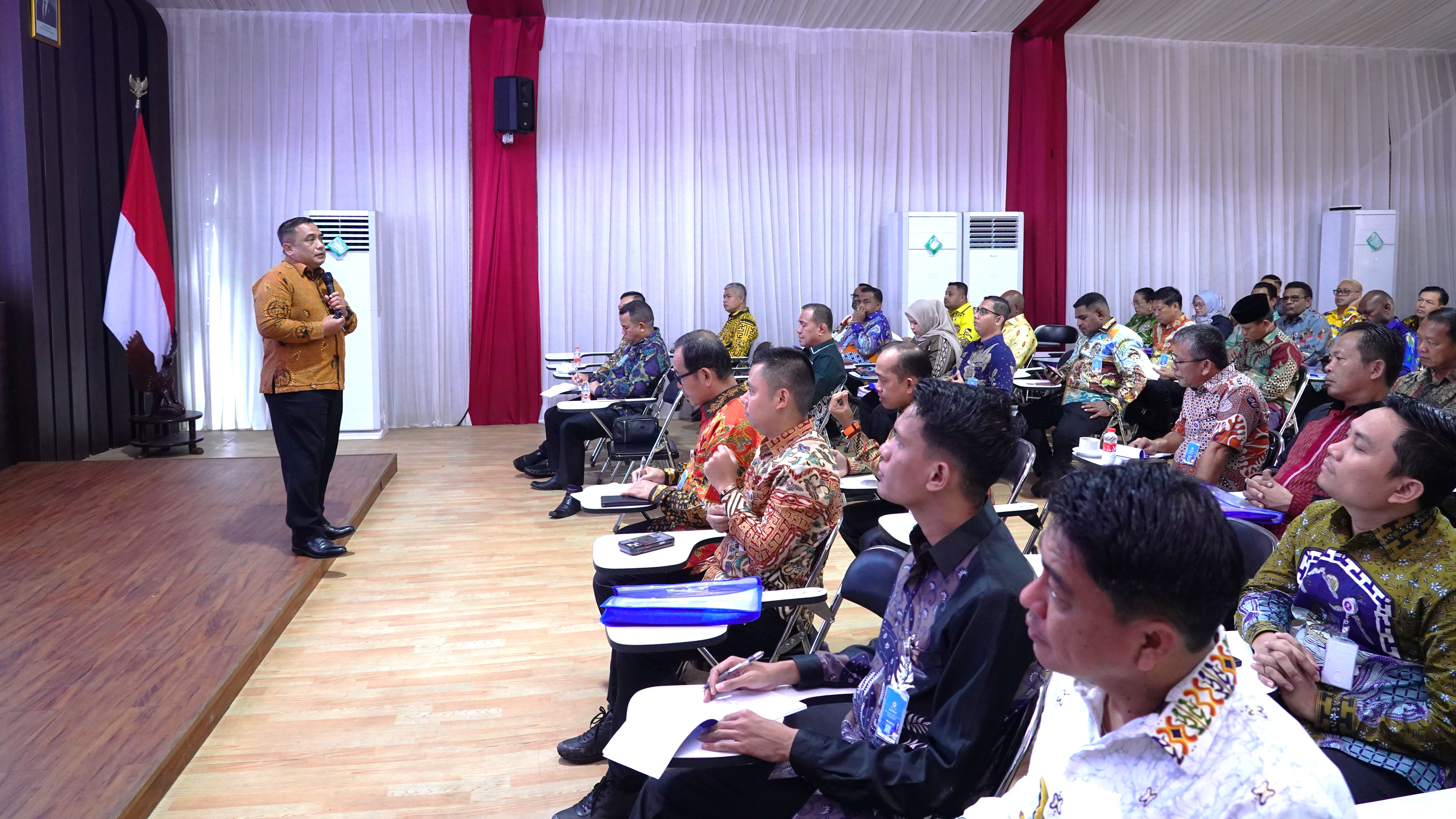
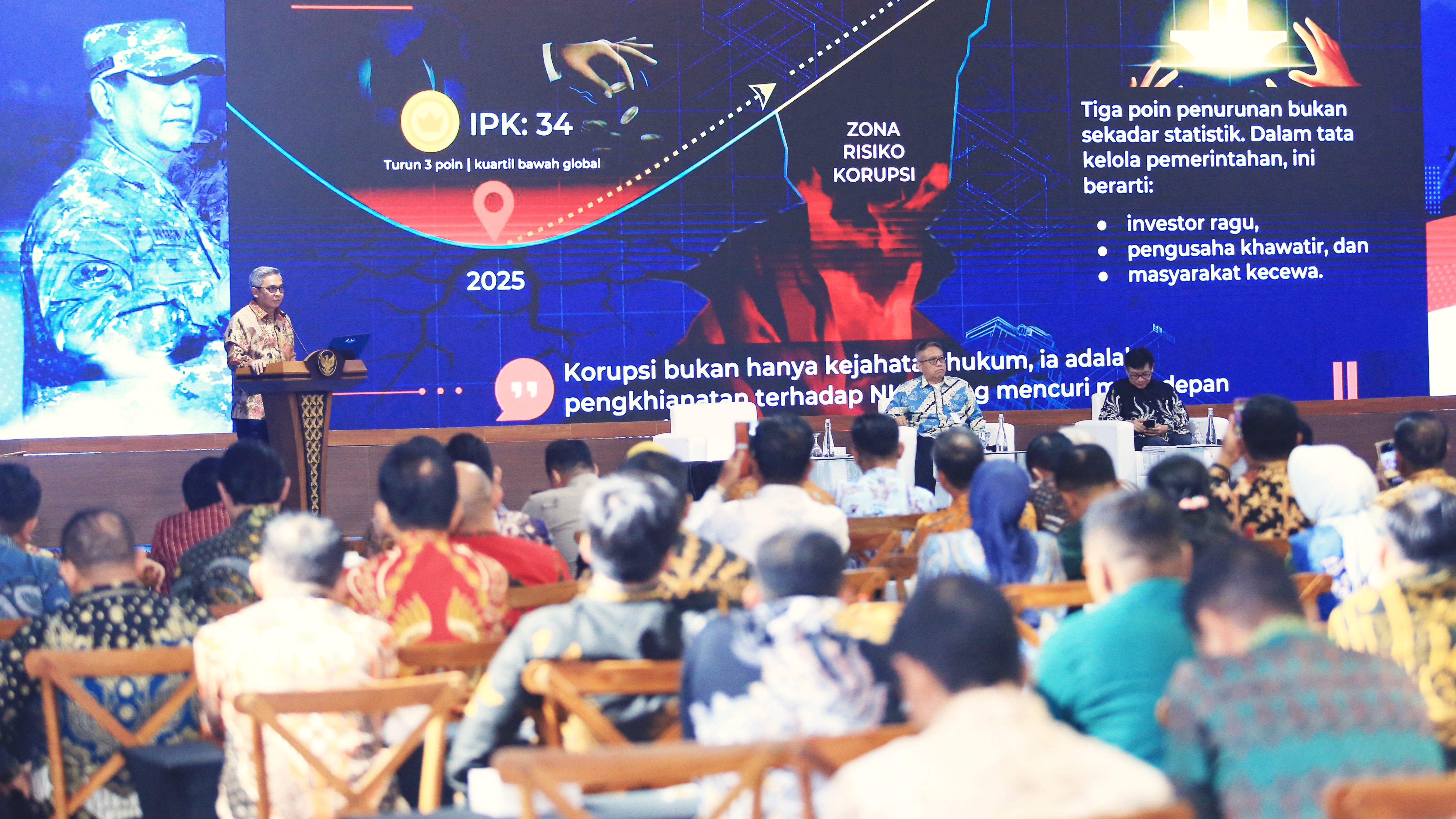
The Directorate of Economic and Natural Resource Studies under the Deputy Office for Strategic Studies of Lemhannas RI organized an Urgent and Rapid (Jurpat) Recommendation drafting session titled “Financial Sector Stability Control Strategies to Safeguard Economic Resilience within the Framework of National Resilience” at the Kresna Room on Thursday (2/26).
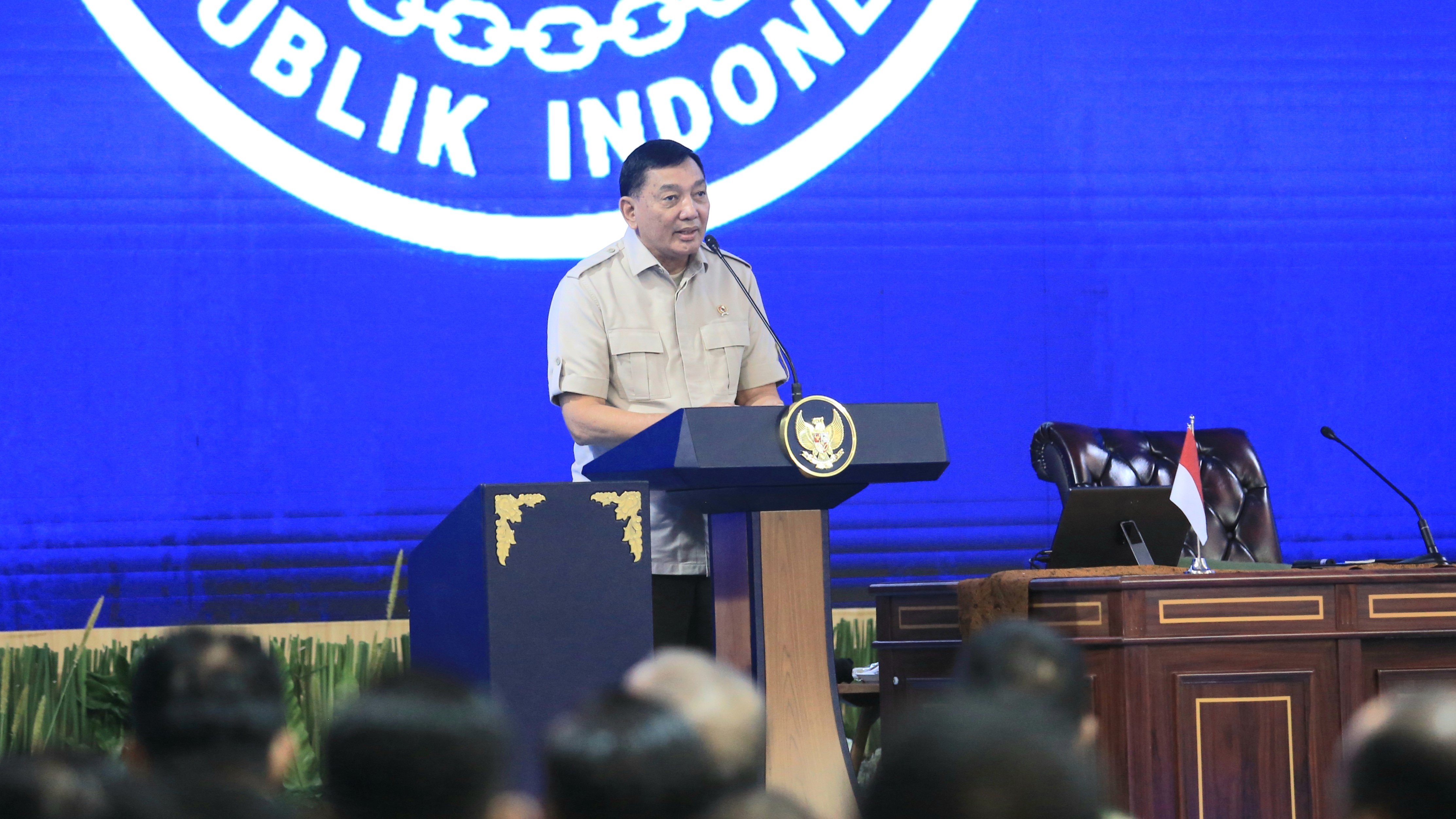
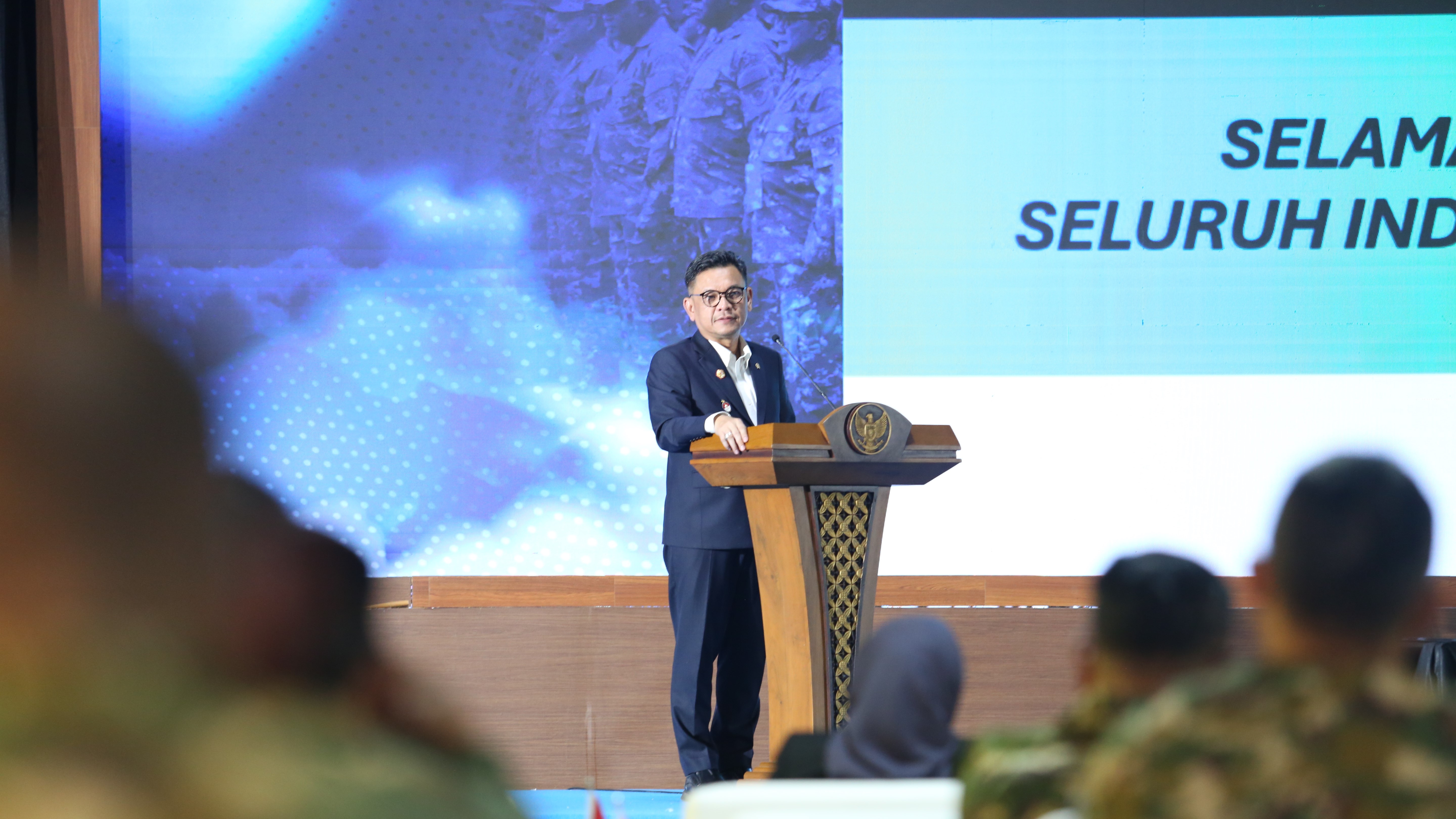
The event was officially opened by the Acting Deputy for Strategic Studies, Major General Ipung Purwadi, M.M. In his remarks, Ipung Purwadi noted that developments in the global strategic environment at the beginning of 2026 indicate a significant increase in uncertainty. This is reflected in slowing global economic growth, tightening global liquidity, international financial market volatility, and rising geopolitical fragmentation, which drives shifts in capital flows and increases pressure on emerging markets, including Indonesia.
These external pressures are reflected in domestic financial sector dynamics through fluctuations in the composite stock price index, bond market volatility, and pressures on the rupiah exchange rate. These conditions highlight the high sensitivity of the national financial system to global risk perceptions.
From a macroeconomic standpoint, Indonesia’s fundamentals remain relatively stable. However, financial sector dynamics reveal structural challenges that require serious attention, including underdeveloped market depth, concentrated ownership among major issuers, and the need to strengthen transparency and governance to meet global investability standards.
These conditions signal the need to reinforce strategies for controlling financial sector stability in a more comprehensive and integrated manner. From a national resilience perspective, financial sector stability holds a highly strategic position as the foundation of national economic resilience.
Instability in this sector not only affects short-term market indicators but also has the potential to increase risk premiums, reduce fiscal space, and pressure the real sector if not managed systemically and in a coordinated manner, ultimately affecting overall national stability. “This urgent and rapid study is conducted to provide input on strategic points for controlling financial sector stability to safeguard economic resilience within the framework of national resilience,” Ipung Purwadi said.
The recommendation drafting session was facilitated by Professional Expert for Natural Resources, Ir. Edi Permadi. Professor of the Faculty of Economics and Business at Universitas Indonesia, Prof. Dr. Budi Frensidy, S.E., AK., M.COM., CA., CSA., CFP., CFA., CIB., CWM., CRP., ACPA., CPA, served as one of the speakers for the event.
Budi Frensidy emphasized the need to accelerate the expansion of investment instruments in the capital market, noting persistent vulnerabilities in investability and market accessibility. Transparency remains a challenge, particularly regarding clarity on affiliated parties and strategic stakeholders.
Meanwhile, the diversity of capital market products remains limited, and transaction volumes are relatively shallow, resulting in suboptimal liquidity. In line with these conditions, strategic steps are needed to improve liquidity (daily transactions), granular transparency, product diversification, and to encourage more domestic issuers to join global indices.
Concrete government measures to restore confidence among rating agencies and the global investor community include policy certainty, consistency and fiscal discipline, deepening domestic demand by encouraging public fund managers to increase equity allocations in their portfolios, and issuing legal frameworks for domestic institutional investors, among others.
Other speakers attending the session included Jerry Marmen Simanjuntak, M.S., M.Ec., M.Mgt., Ph.D., Chair of the Indonesian Risk Professional Association (IRPA); Dr. Hidayat Amir, S.E., Ak., M.SE., Director of Strategy and Financing Portfolio at the Ministry of Finance; Tony Prianto, Director of State Financial Risk Management; Poltak Hotradero, Advisor and Practitioner at the Indonesia Stock Exchange; and Ari Jahja, Head of Indonesia Research at Macquarie. (SP/CHP/MDF)