Head of the National Library Gives Lecture to P3N Batch XXVII participants
News & Article Monday, 02 March 2026, 12:00
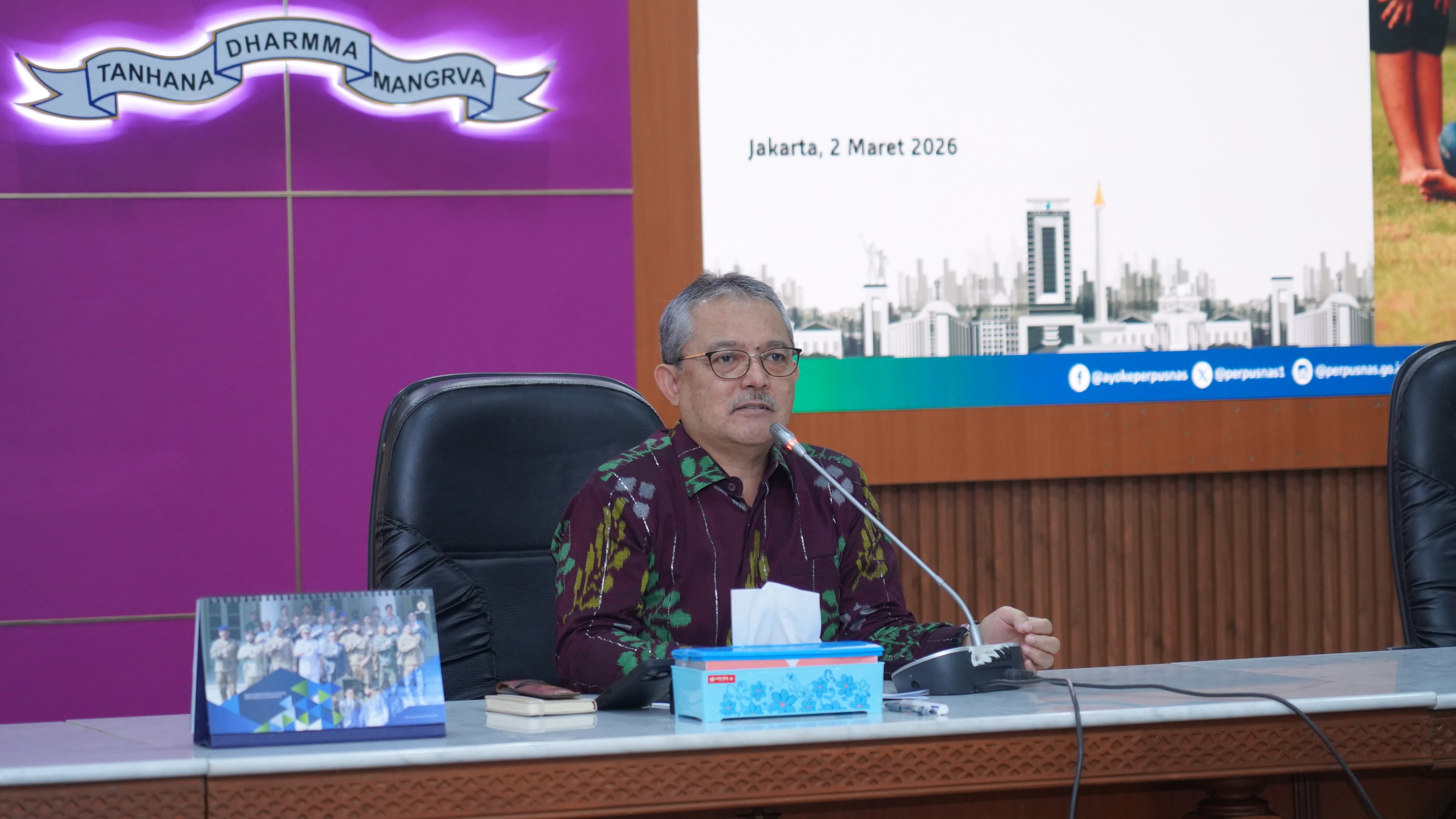
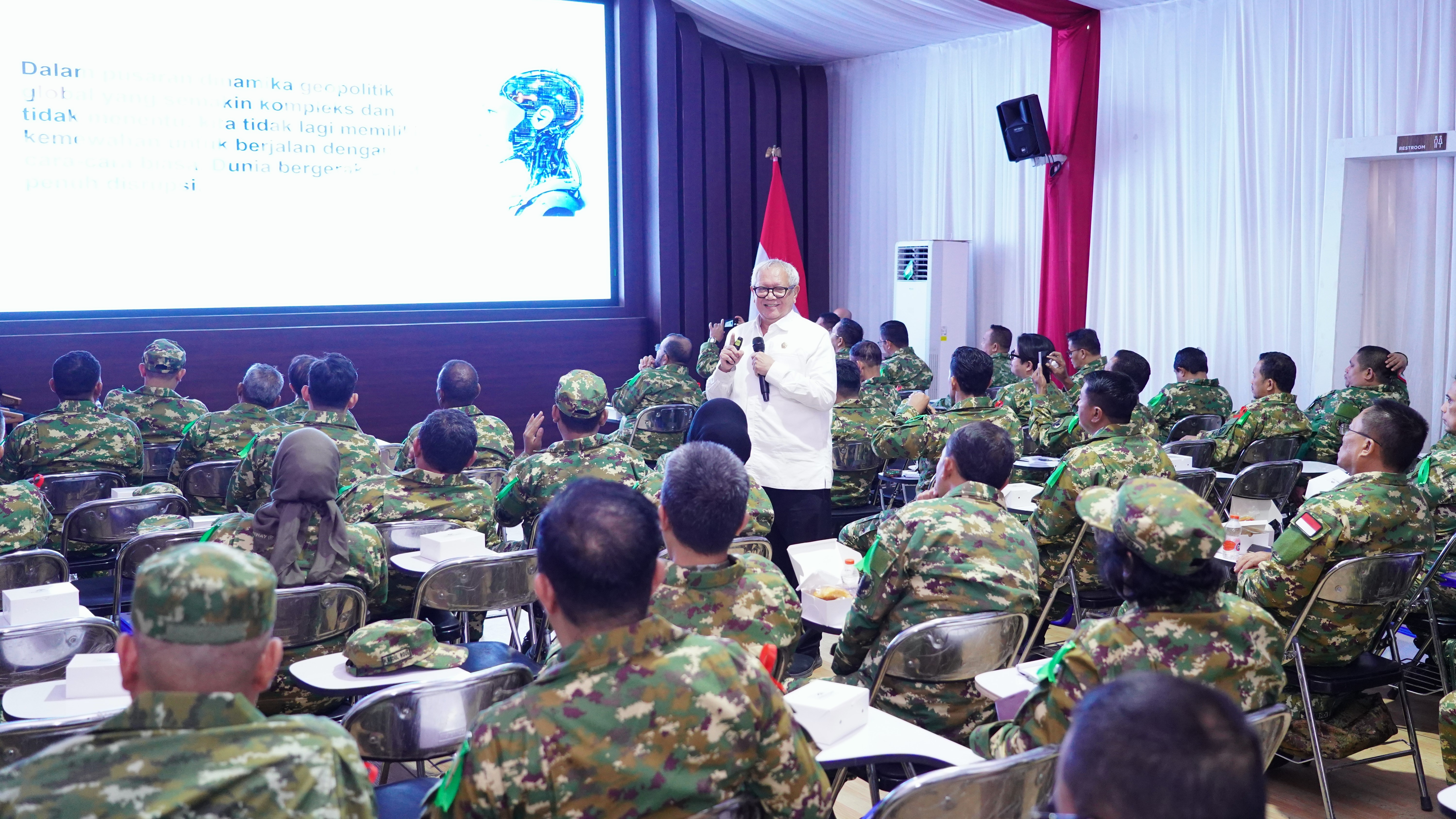
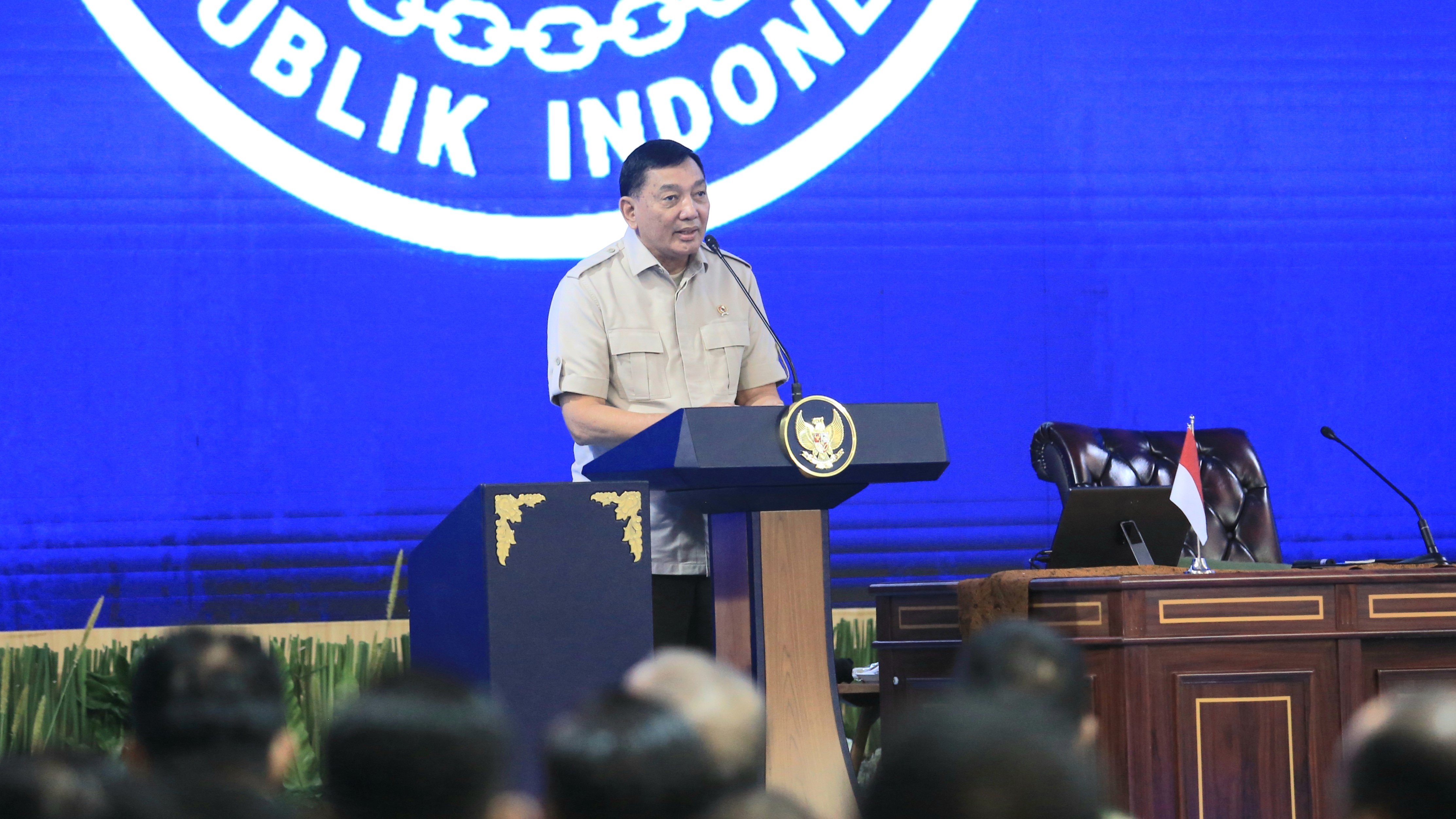
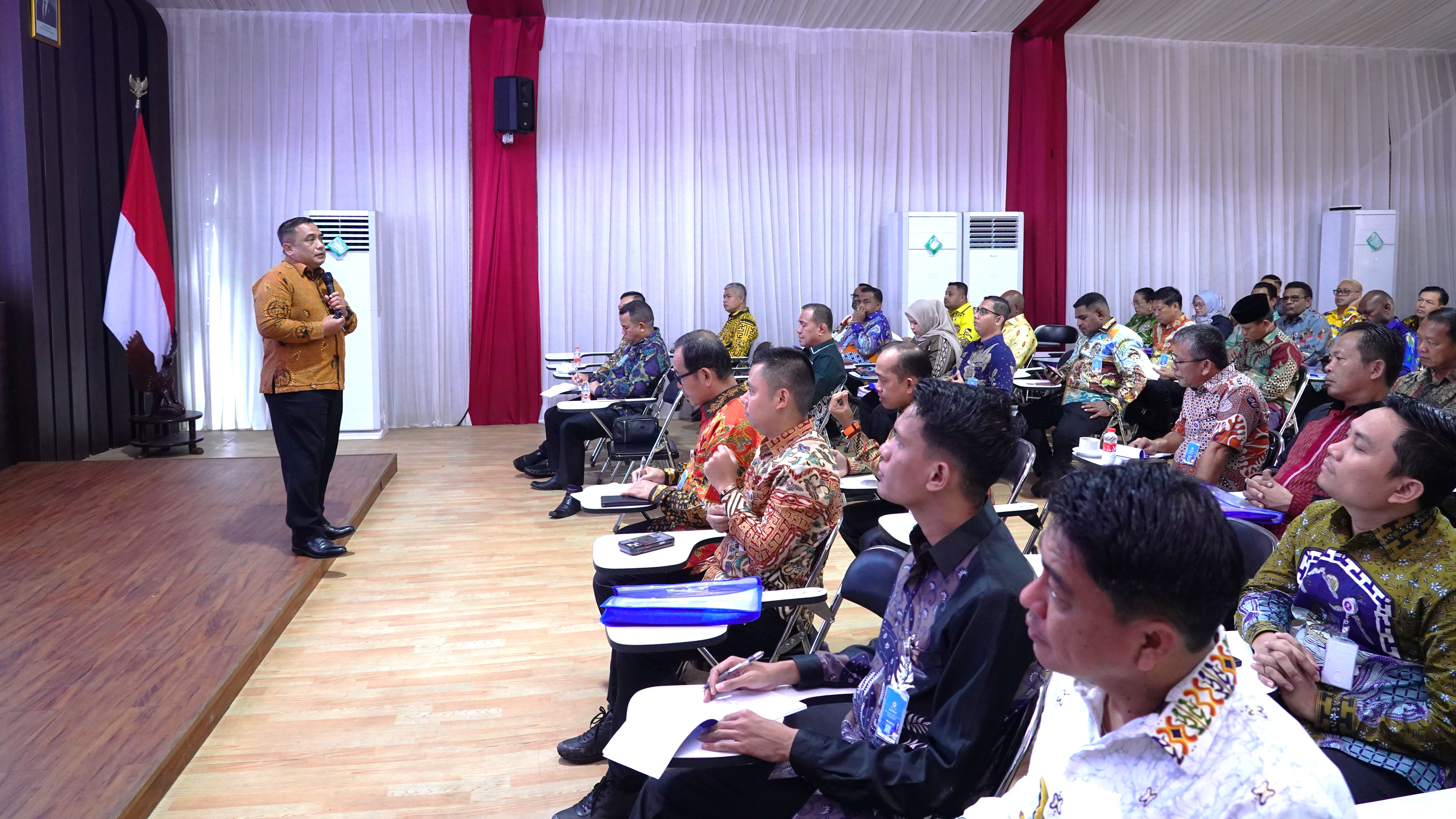
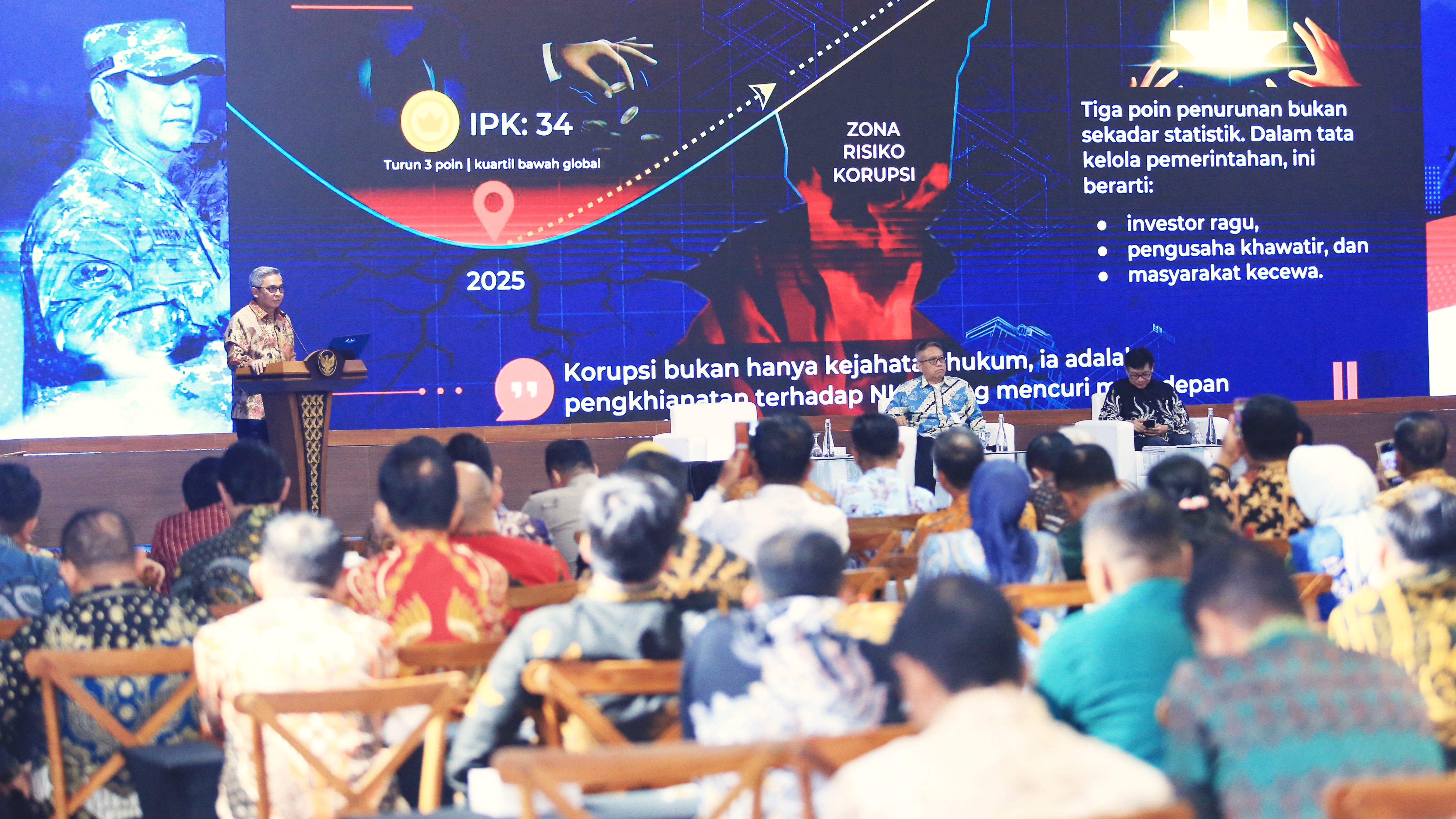
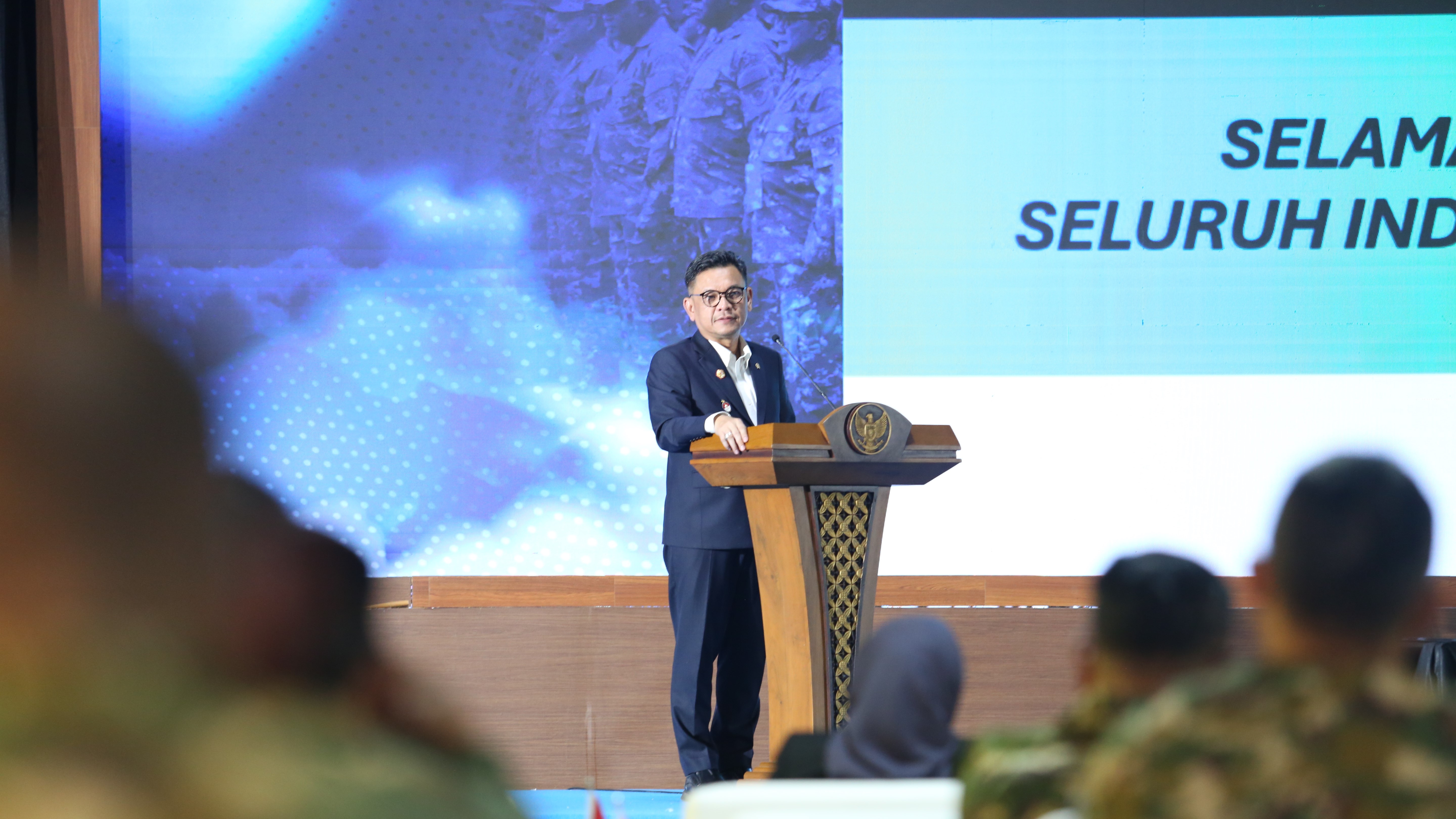
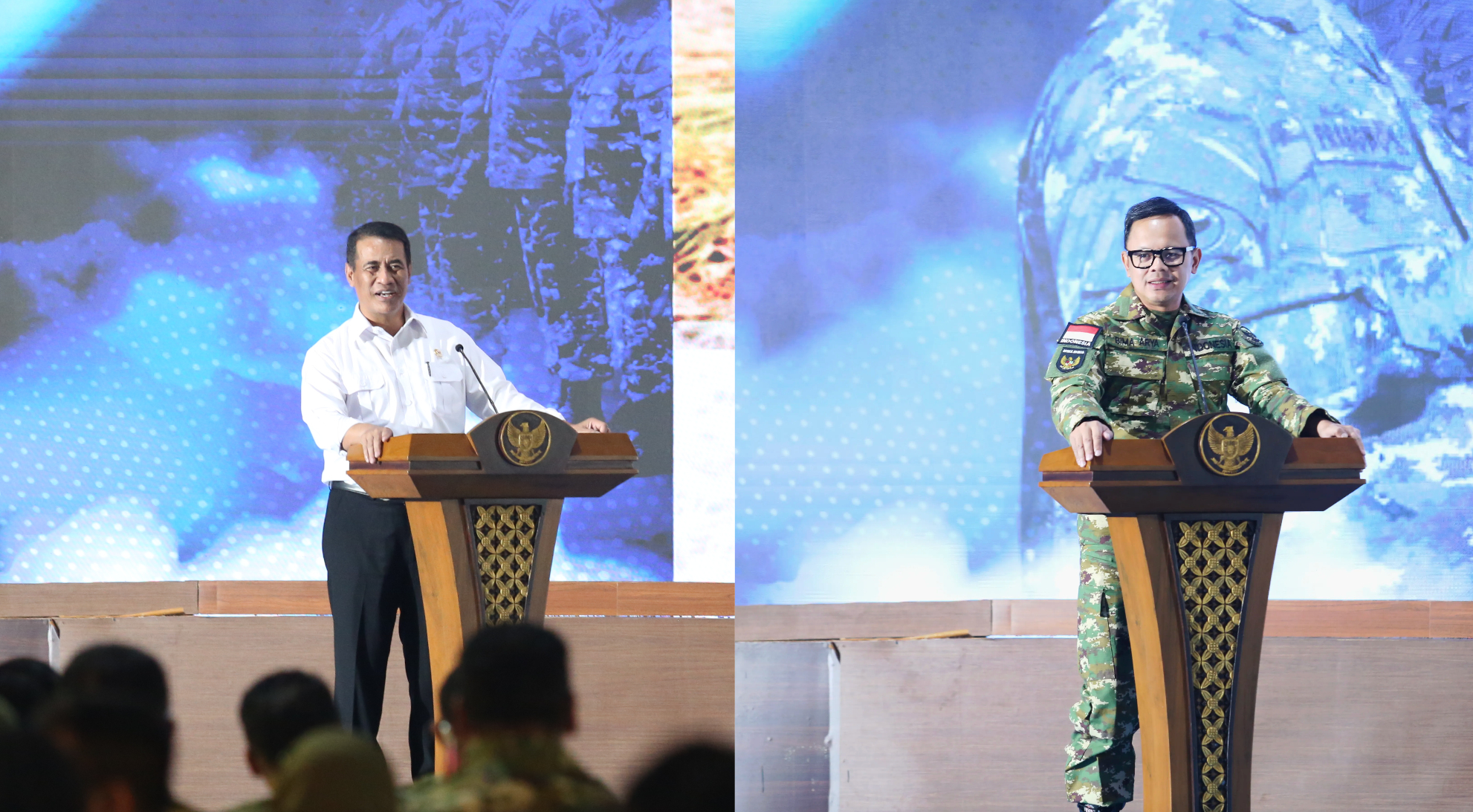
“The National Library is responsible for overseeing issues related to literacy,” said the Head of the National Library of the Republic of Indonesia (Perpusnas RI), Prof. E. Aminudin Aziz, M.A., Ph.D., while opening a session on the introduction to the position, mission, and actions of the National Library for P3N Batch XXVII Participants at Lemhannas RI on Monday (3/2).
Based on data from the International Student Assessment (ISA), literacy and numeracy levels in Indonesia generally still rank among the bottom three, with an average annual reading time of 129 hours. According to Aminudin Aziz, the root causes of literacy development challenges include complications in understanding the concept of literacy, a lack of reading materials, insufficient supporting facilities, the limited relevance of literacy programs and activities, low competency levels, and weak support and participation from stakeholders.
The low level of literacy in Indonesia, Aminudin Aziz continued, is a shared responsibility within the ecosystem and should serve as a basis for introspection in order to optimize learning outcomes across all levels of education. “This should be a moment of reflection for all of us. We should not solely blame our children because we are all part of that ecosystem,” he stated.
Furthermore, Aminudin Aziz added that libraries are regulated under Law Number 43 of 2007 on Libraries, which outlines their functions, including as developmental libraries, reference libraries, research libraries, deposit libraries, library network centers, and preservation libraries.
In carrying out its function as a medium for information dissemination to foster knowledge and creativity, the National Library has three priority programs. First, the development of a reading culture and literacy skills in response to the low literacy levels in Indonesia. Second, the mainstreaming of Nusantara manuscripts to preserve Indonesia’s written heritage. Third, standardization and accreditation, as many libraries in Indonesia still do not meet established standards.
The National Library has undertaken various efforts to develop literacy skills through a range of initiatives, including thematic literacy community service programs (KKN Tematik Literasi) in collaboration with university students, the provision of quality reading materials, community literacy volunteers (Relima), and the preservation of ancient Nusantara manuscripts.
Aminudin Aziz also presented information on digital collections, as well as the various facilities and services provided by the National Library, along with its selected physical collections. (SF/CHP/MDF)